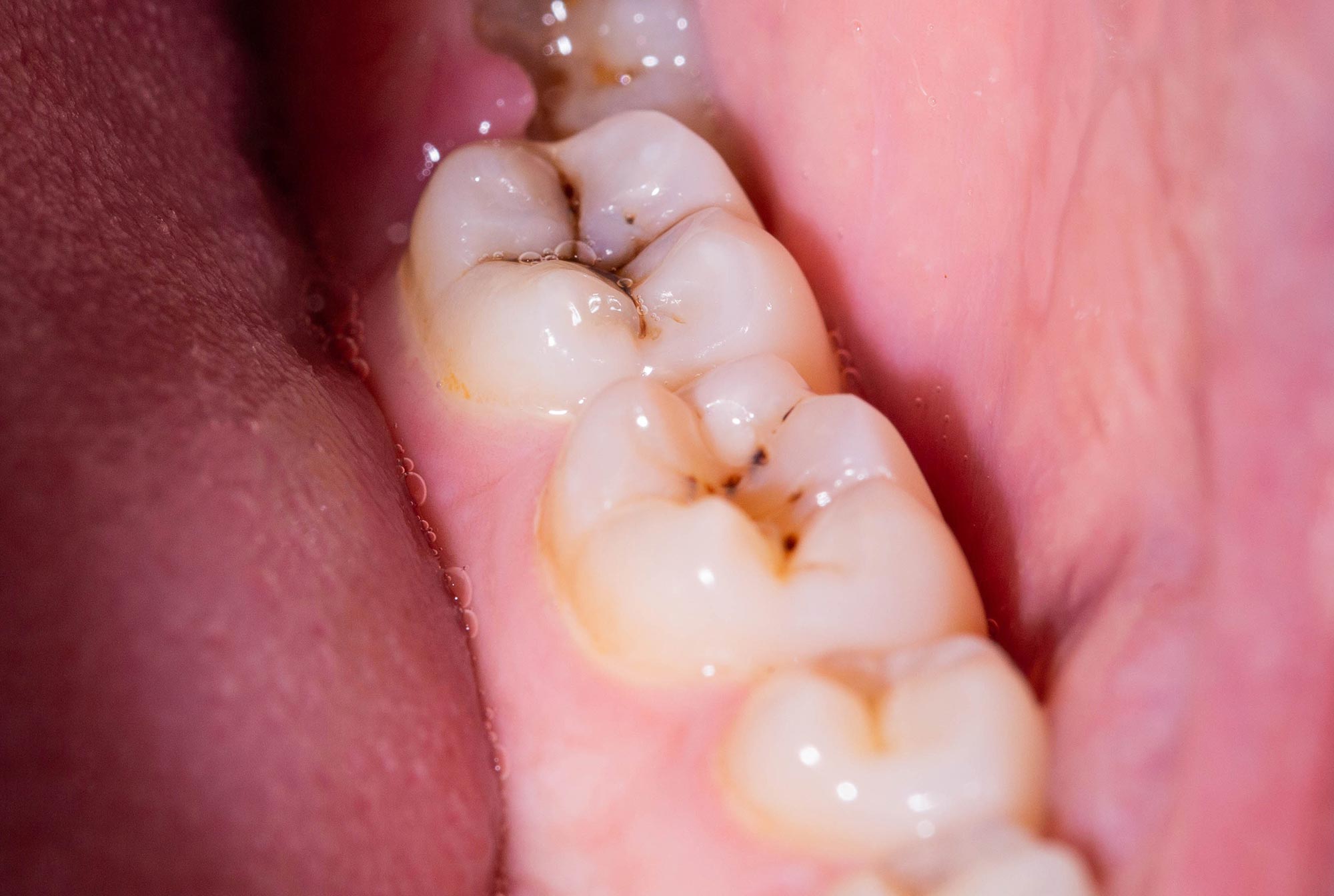
Scientists at the University of Nottingham have developed a new protein-based gel that can restore tooth enamel by mimicking the body’s natural growth processes.
A newly developed material has been used to create a gel capable of repairing and rebuilding tooth enamel, offering a potential breakthrough in both preventive and restorative dental care.
Scientists from the University of Nottingham’s School of Pharmacy and Department of Chemical and Environmental Engineering designed this bioinspired substance to restore damaged or eroded enamel, reinforce existing enamel, and help guard against future decay. Their findings were published in Nature Communications.
This protein-based gel, which contains no fluoride, can be quickly applied to teeth using the same method dentists use for traditional fluoride treatments. It imitates the natural proteins responsible for guiding enamel formation early in life. Once in place, the gel forms a thin, durable coating that seeps into the tooth surface, filling small cracks and imperfections.
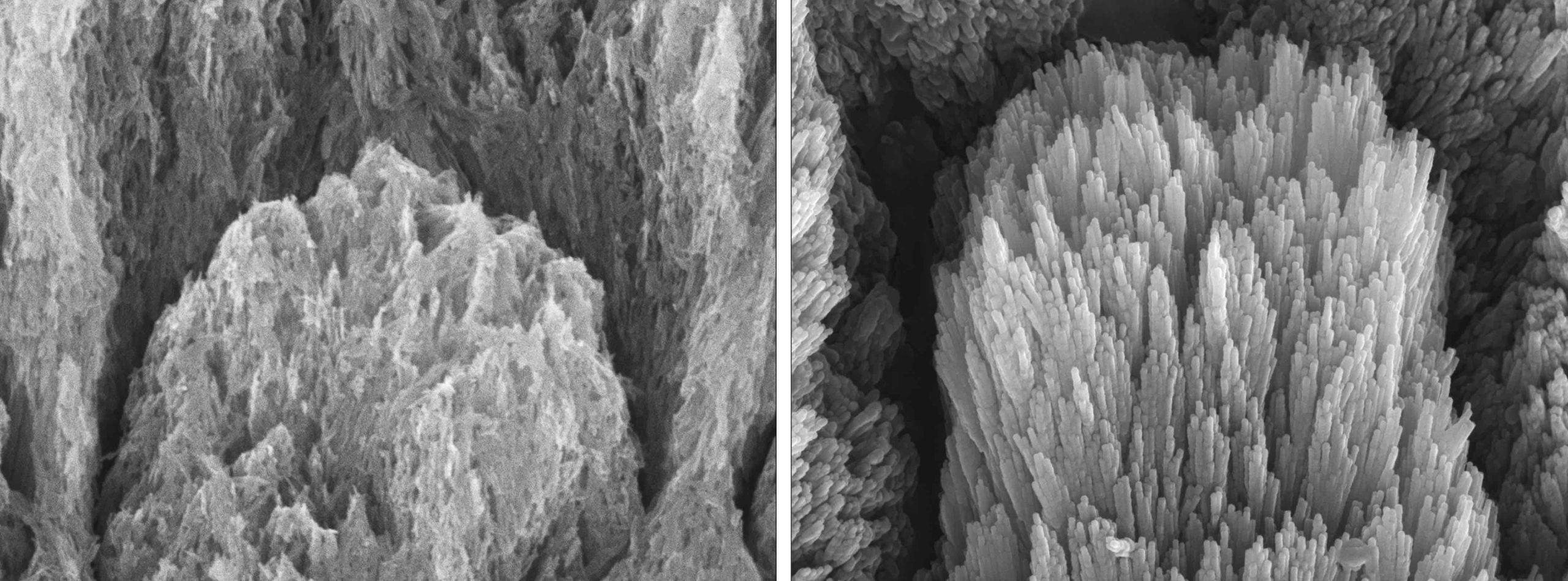
Acting as a structural framework, it draws calcium and phosphate ions from saliva to encourage the precise growth of new minerals through a process known as epitaxial mineralization. This allows the new material to merge with the natural tooth, restoring both its structure and strength.
Applications Beyond Enamel Repair
The new material can also be applied on top of exposed dentine, growing an enamel-like layer on top of dentine, which has many benefits including treating hypersensitivity or enhancing the bonding of dental restorations.
Enamel degradation is a major contributor to tooth decay and is associated to dental problems affecting almost 50% of the world’s population. These problems can lead to infections and tooth loss, and can also be associated with conditions such as diabetes and cardiovascular disease.
Enamel does not naturally regenerate; once you lose it is gone forever. There is currently no solution available that can effectively regrow enamel. Current treatments, such as fluoride varnishes and remineralization solutions, only alleviate the symptoms of lost enamel.
Promising Results from the Research
Dr Abshar Hasan, a Postdoctoral Fellow and leading author of the study, said: “Dental enamel has a unique structure, which gives enamel its remarkable properties that protect our teeth throughout life against physical, chemical, and thermal insults.”
He continues, When our material is applied to demineralized or eroded enamel, or exposed dentine, the material promotes the growth of crystals in an integrated and organized manner, recovering the architecture of our natural healthy enamel. We have tested the mechanical properties of these regenerated tissues under conditions simulating ‘real-life situations’ such as tooth brushing, chewing, and exposure to acidic foods, and found that the regenerated enamel behaves just like healthy enamel.”
Professor Alvaro Mata, Chair in Biomedical Engineering & Biomaterials who led the study said: We are very excited because the technology has been designed with the clinician and patient in mind. It is safe, can be easily and rapidly applied, and it is scalable. Also, the technology is versatile, which opens the opportunity to be translated into multiple types of products to help patients of all ages suffering from a variety of dental problems associated with loss of enamel and exposed dentine. We have started this process with our start-up company Mintech-Bio and hope to have a first product out by next year; this innovation could soon be helping patients worldwide.”
Reference: “Biomimetic supramolecular protein matrix restores structure and properties of human dental enamel” by Abshar Hasan, Andrey Chuvilin, Alexander Van Teijlingen, Helena Rouco, Christopher Parmenter, Federico Venturi, Michael Fay, Gabriele Greco, Nicola M. Pugno, Jan Ruben, Charlotte J. C. Edwards-Gayle, Benjamin Myers, Ingrid Dreveny, Nathan Cowieson, Adam Winter, Sara Gamea, X. Frank Walboomers, Tanvir Hussain, José Carlos Rodríguez-Cabello, Frankie Rawson, Tell Tuttle, Sherif Elsharkawy, Avijit Banerjee, Stefan Habelitz and Alvaro Mata, 4 November 2025, Nature Communications.
DOI: 10.1038/s41467-025-64982-y
Never miss a breakthrough: Join the SciTechDaily newsletter.
Follow us on Google and Google News.