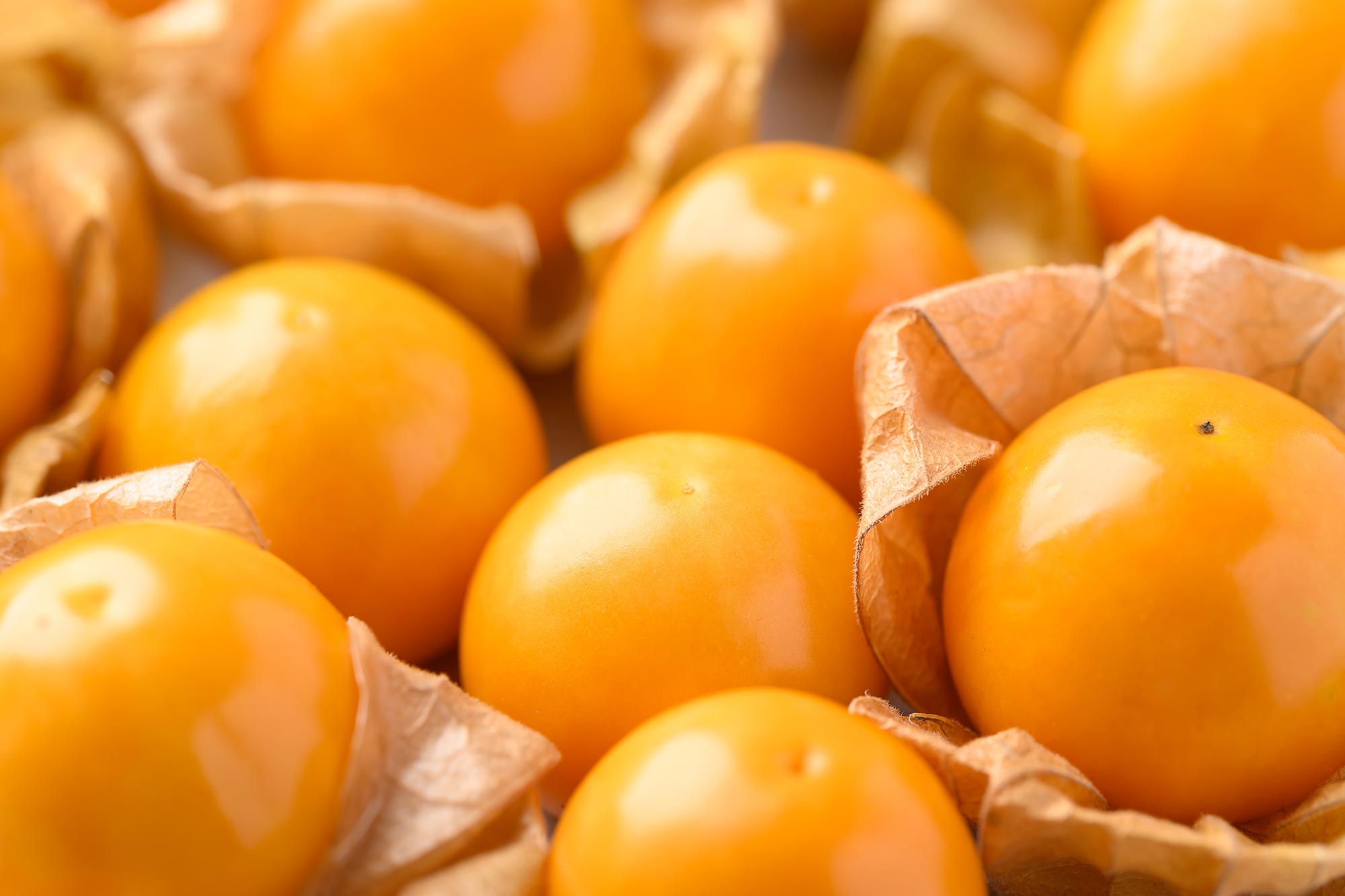
Scientists are using CRISPR to fast-track the domestication of a wild fruit.
For roughly 10,000 years, farming communities have improved crops by saving seeds from plants that produced better harvests. By repeatedly choosing varieties with desirable traits such as larger size, better flavor, and greater resilience, people gradually shaped the fruits and vegetables that are common in diets today. Most modern produce reflects centuries or even millennia of this slow, intentional selection.
Researchers at Cold Spring Harbor Laboratory (CSHL) are now exploring a faster approach to crop improvement. Using the gene-editing technology CRISPR, plant biologists have targeted a small tomato relative known as the goldenberry.
Their work suggests it may be possible to make this fruit easier to cultivate, potentially supporting large-scale production in the United States and other regions. More broadly, CRISPR-modified crops could help scientists rapidly develop plants with improved resistance to emerging diseases, insect pests, and dry conditions.
“By using CRISPR, you open up paths to new and more resilient food options,” said Blaine Fitzgerald, the greenhouse technician in CSHL’s Zachary Lippman lab. “In an era of climate change and increasing population size, bringing innovation to agricultural production is going to be a huge path forward.”
From Wild Plants to Market-Ready Crops
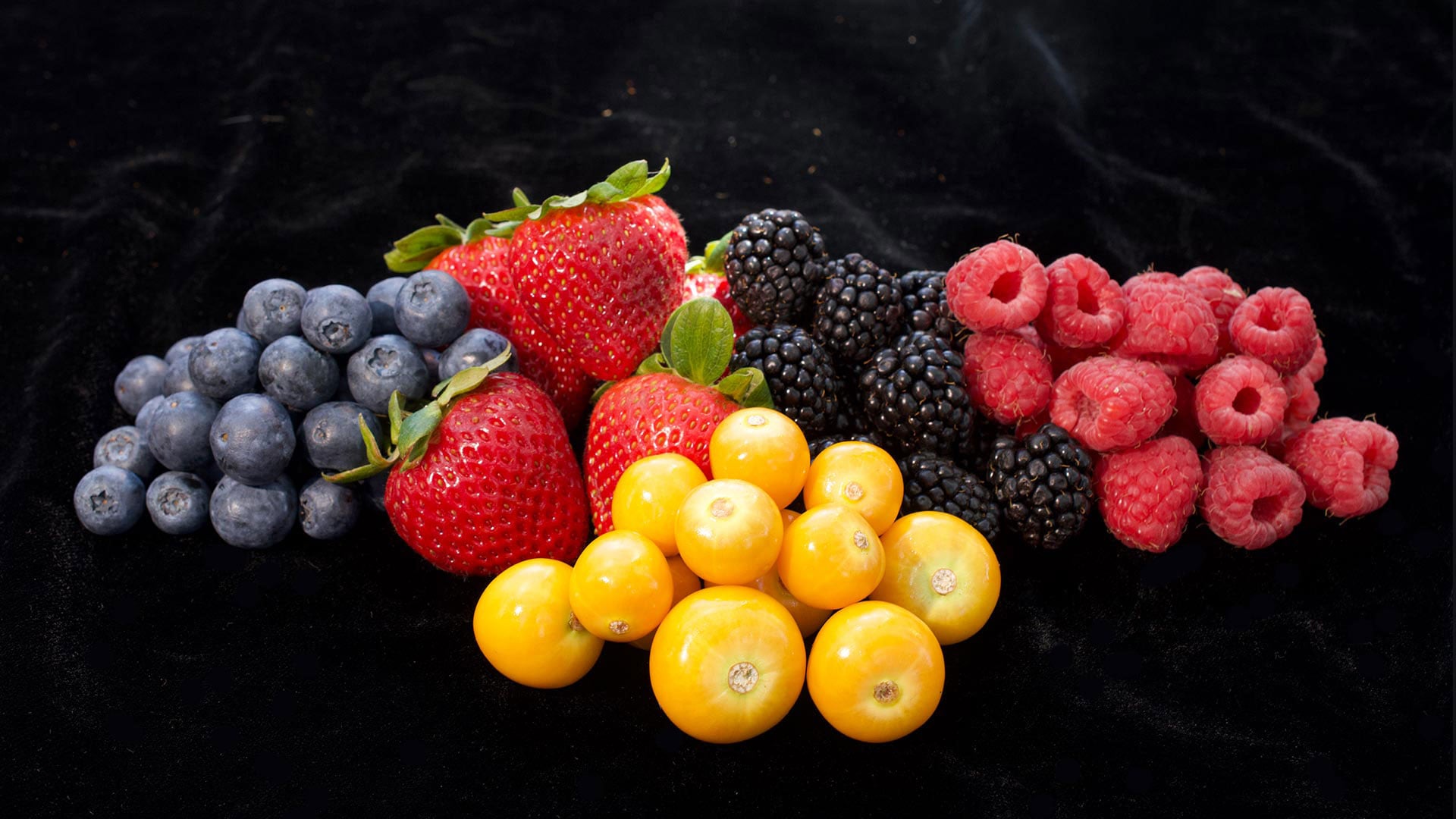
The Lippman lab studies plants in the nightshade family, which includes major crops such as tomatoes, eggplants, and potatoes, and lesser-known species like goldenberries. Primarily grown in South America, goldenberries are gaining popularity due to their nutritional value and unique mix of sweet and tart flavors. You might’ve seen them in your local supermarket.
Yet, goldenberry growers still rely on bushy crops that are “not really domesticated,” said Miguel Santo Domingo Martinez, the Lippman lab postdoc who led this study.
“These massive, sprawling plants in an agricultural setting are cumbersome for harvest,” Fitzgerald explained.
Editing for Size, Taste, and the Future
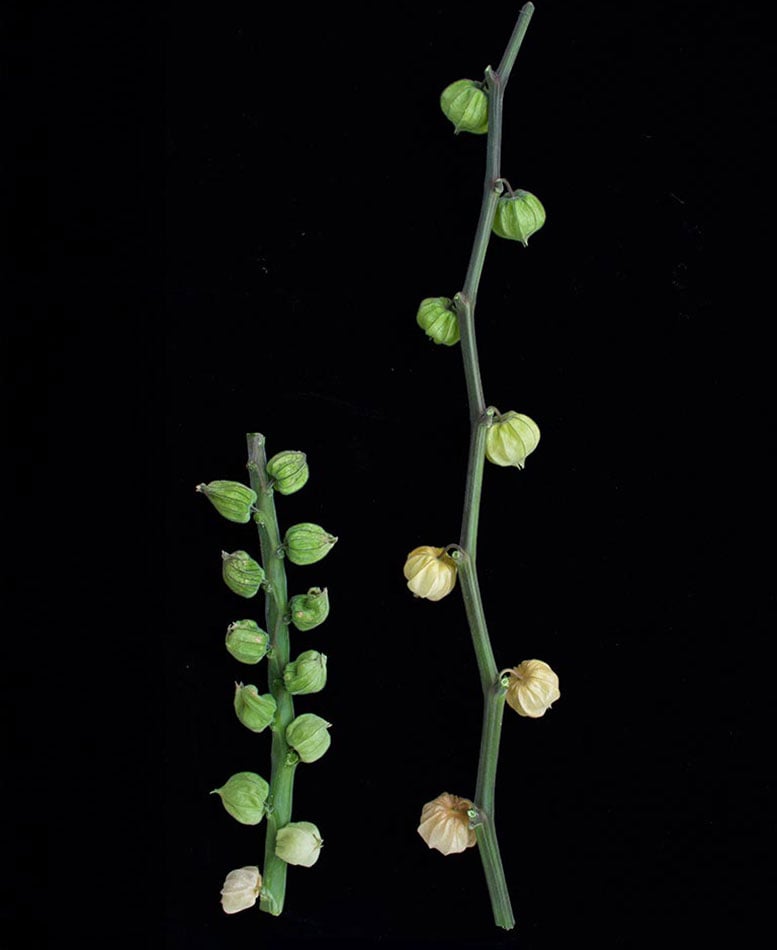
Previously, the Lippman lab used CRISPR to target genes in tomatoes and another lesser-known relative called groundcherry to make the plants more compact for urban farming. Building off this work, the team edited similar genes in goldenberries. The resulting crops grew 35% shorter, making planting in denser areas possible and maintenance easier. Next, Lippman’s lab searched for goldenberries with the tastiest fruits. This involved eating “hundreds of them, walking a field, and trying fruit off every plant in the row,” Fitzgerald said with a laugh.
After breeding several generations of the most delicious and compact goldenberry crops, the team had two distinct lines ripe for production. While these plants produced slightly smaller fruits, the next steps will involve using CRISPR to emphasize other desirable traits.
“We can try to target fruit size or disease resistance,” Santo Domingo said. “We can use these modern tools to domesticate undomesticated crops.” The team now hopes to seek additional regulatory approval for growers to get seeds and start producing the newly developed varieties.
Reference: “Engineering compact Physalis peruviana (goldenberry) to promote its potential as a global crop” by Miguel Santo Domingo, Blaine Fitzgerald, Gina M. Robitaille, Srividya Ramakrishnan, Kerry Swartwood, Nicholas G. Karavolias, Michael C. Schatz, Joyce Van Eck and Zachary B. Lippman, 4 December 2025, Plants, People, Planet.
DOI: 10.1002/ppp3.70140
Funding: U.S. National Science Foundation, Howard Hughes Medical Institute
Never miss a breakthrough: Join the SciTechDaily newsletter.
Follow us on Google and Google News.