GWM-1: our state-of-the-art General World Model, built to simulate reality in real time. Interactive, controllable and general-purpose.
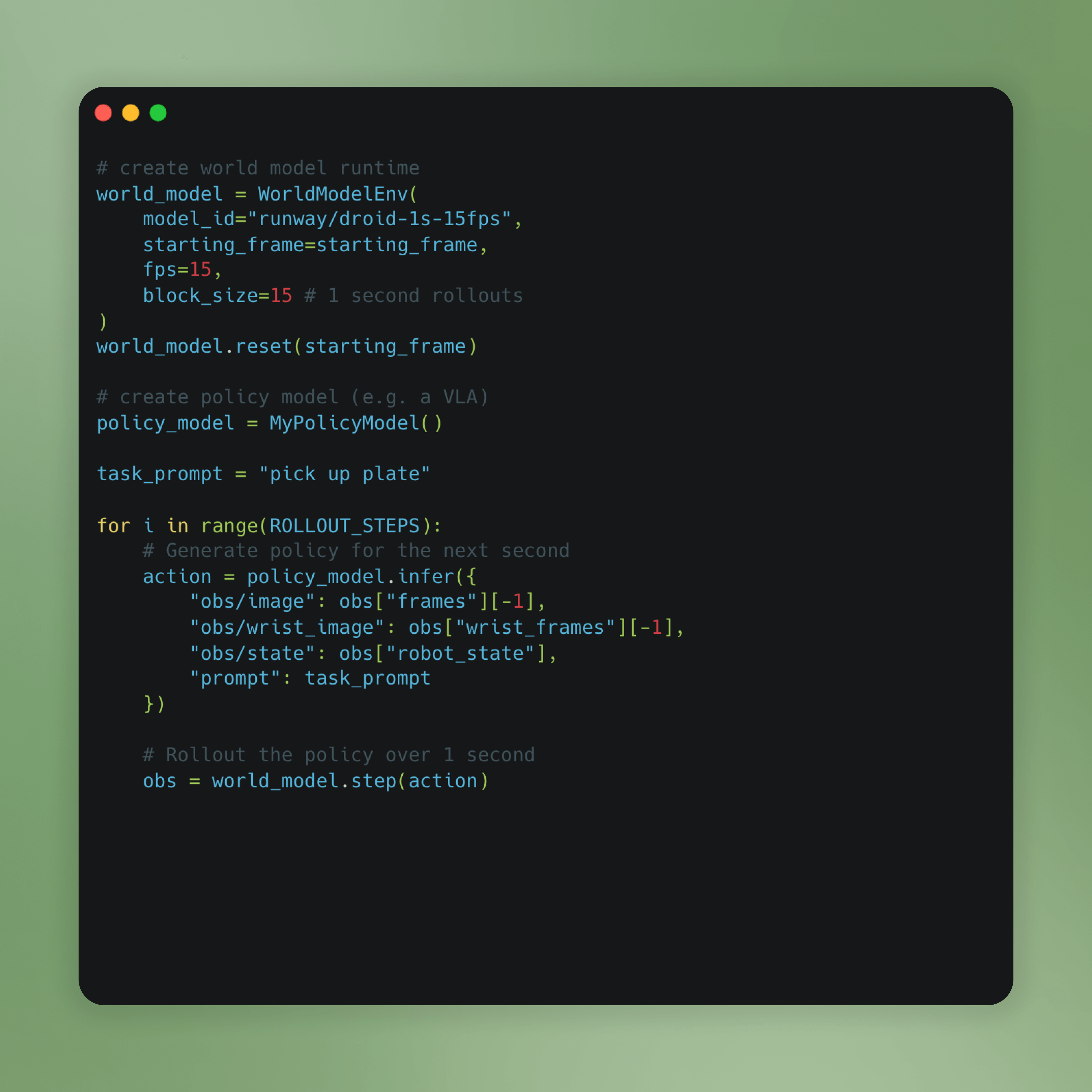
Two years ago, we introduced a new research direction: General World Models. A world model is an AI system that builds an internal representation of an environment and uses it to simulate future events within that environment. The aim of general world models is to represent and simulate a wide range of situations and interactions—like those encountered in the real world.Today, we're announcing GWM-1—our first general world model family. GWM-1 is an autoregressive model built on top of Gen-4.5. It generates frame by frame, runs in real time, and can be controlled interactively with actions—camera pose, robot commands, audio.
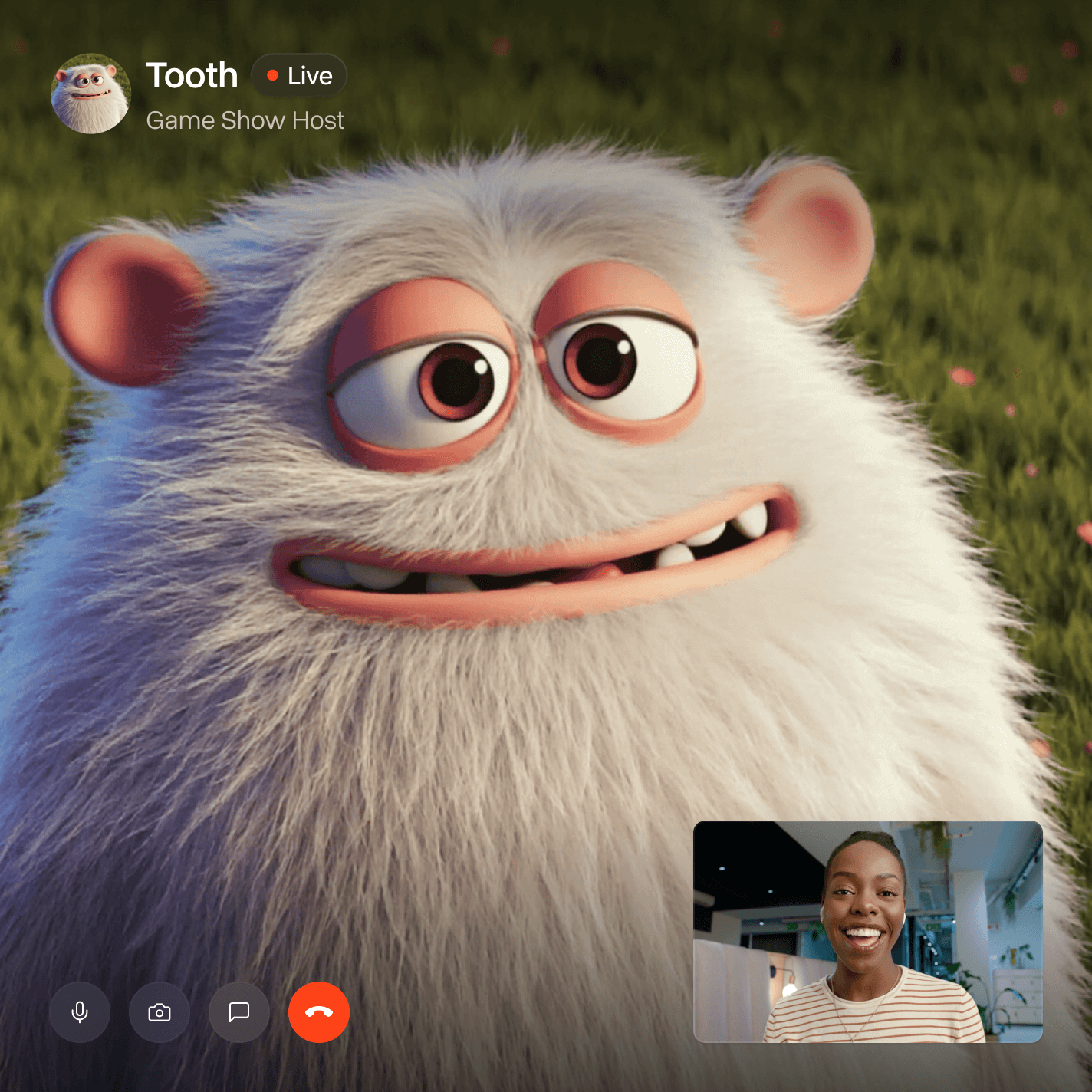
GWM-1 comes in three variants: GWM Worlds for explorable environments, GWM Avatars for conversational characters, and GWM Robotics for robotic manipulation. Today, these are separate post-trained models. We're working toward unifying many different domains and action spaces under a single base world model.
We believe that world models are at the frontier of progress in artificial intelligence. Language models alone won't solve the world’s hardest problems – robotics, disease, scientific discovery. Real progress requires models that experience the world and learn from their mistakes, the same way that humans do. And this kind of trial and error can be massively accelerated when done in simulation, rather than in the real world. World models offer the most clear path to general-purpose simulation.
A new frontier for open-ended interactive world simulation. A way of building infinite explorable realities in real-time.
Use cases
Gaming
Education
Training Agents
VR and Immersive Experiences
GWM Worlds enables players to move freely through coherent, reactive worlds without the need to manually design every space.
GWM Worlds is a world model for real-time environment simulation. You give the model a static scene, and it generates an immersive, infinite, explorable space as you move through it, with geometry, lighting, physics. All in real time. You can travel to any place, real or imagined. You can become any agent, a person walking through a city, a drone flying over a snowy mountain, a robot navigating a warehouse. What makes this work is consistency. When you explore an environment, you expect the world to stay coherent. Turn around, and what was behind you is still there. Walk forward and back, and you return to where you started. GWM Worlds maintains this spatial consistency across long sequences of movement. And because it's a simulation, the environment can react. You can define the physics of a world with your input prompt, and the world will respond accurately. If you prompt the agent to ride a bike, it stays on the ground; if you prompt for flight, it can freely navigate the sky. This is useful for interactive experiences, games, explorable worlds, immersive environments. But it's equally important for training agents. If you want to train an AI system to navigate and act in the physical world, you need a simulator in which to teach it. GWM Worlds can serve as that sandbox, an environment where agents can explore, make mistakes and learn.