What if you could eliminate procrastination forever?
Not just temporarily overcome it, but make it biologically impossible to experience in the first place?
There’s a neuroscientific protocol to make it happen.
You may think procrastination is a lack of motivation or laziness.
It’s actually a neurochemical tug-of-war happening inside your brain.
Two opposing systems are firing at the same time, pulling you toward the task and away from it simultaneously.
“You want to do it, but you can’t bring yourself to start.”
It’s called the approach-avoidance conflict.
And once you understand how to resolve it, procrastination becomes a thing of the past.
Estimated reading time: 14 minutes.
My Co-founder at Flow Research Collective, Steven Kotler, spent over a decade studying action-adventure sports athletes who were shattering records at impossible speeds.
Trailing big wave surfer Laird Hamilton, pro skateboarder Danny Way, free climber Dean Potter, and many others, Steven discovered something fascinating:
All of these athletes were harnessing the power of flow states: an optimal mode of consciousness in which humans feel and function at their best.

In flow, these athletes could perform previously unattainable feats that were advancing their respective sports faster than any other sport.
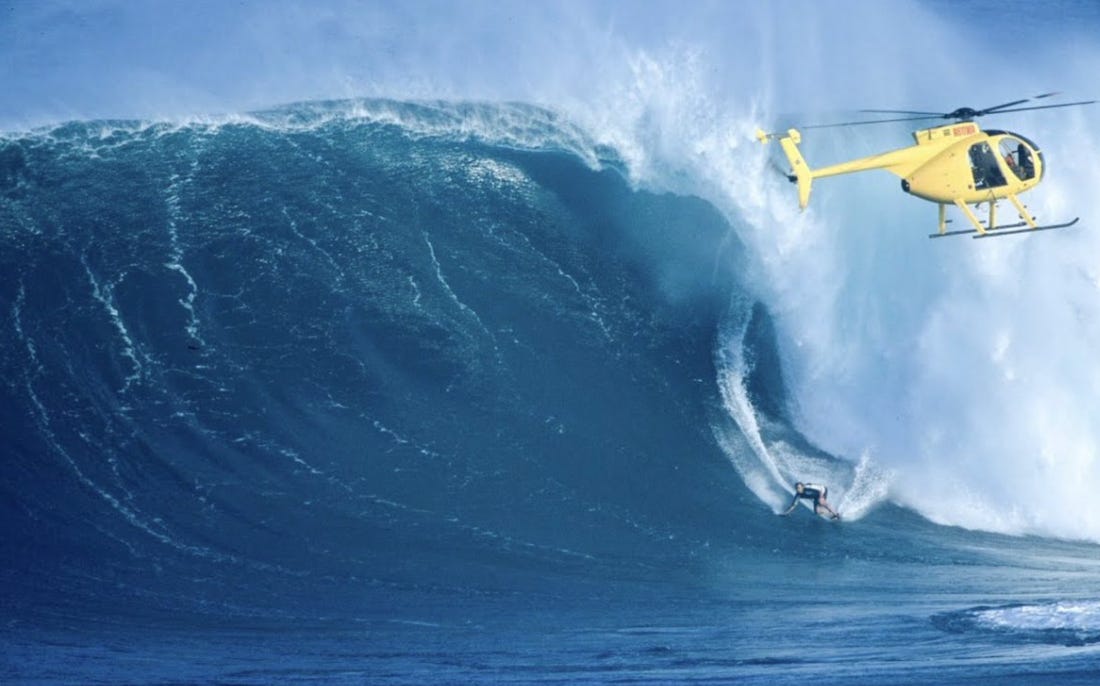
In surfing, 30-foot waves were once the gold standard.
Then Laird Hamilton rode a 70-footer in 2002. A decade later, 80-footers became the new benchmark.
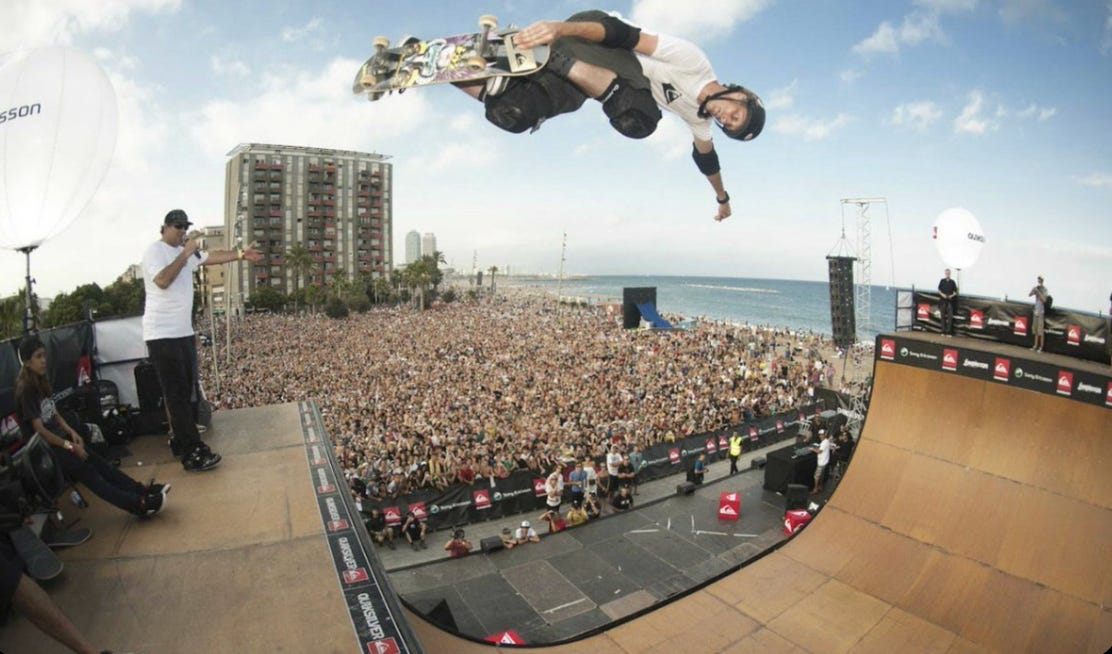
Skater Tony Hawk took years to land the first 900 aerial spin, which many thought impossible.
Tom Schaar, just twelve, landed it months later and pushed further with a 1080.
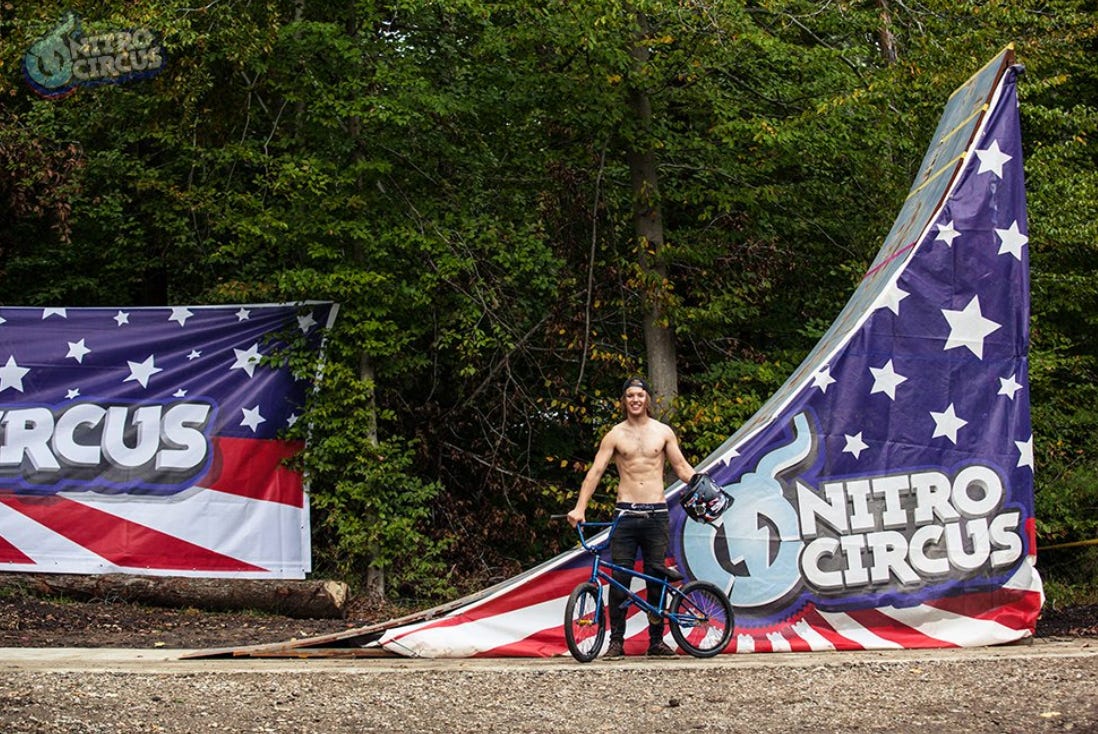
In BMX, Matt Hoffman amazed all by nearly sticking a single frontflip in the 1990s.
Then, in 2015, Ryan Williams landed a triple frontflip.
Flow was turning today’s unthinkable into tomorrow’s new norm, unfathomably fast.
By observing how they pulled off these insane feats, Steven realized they were all accessing flow through a specific process: the flow cycle.
Understanding this cycle is how we pinpoint exactly when procrastination happens and how to eliminate it.
Accessing flow isn’t binary. It’s not like a light switch, on or off.
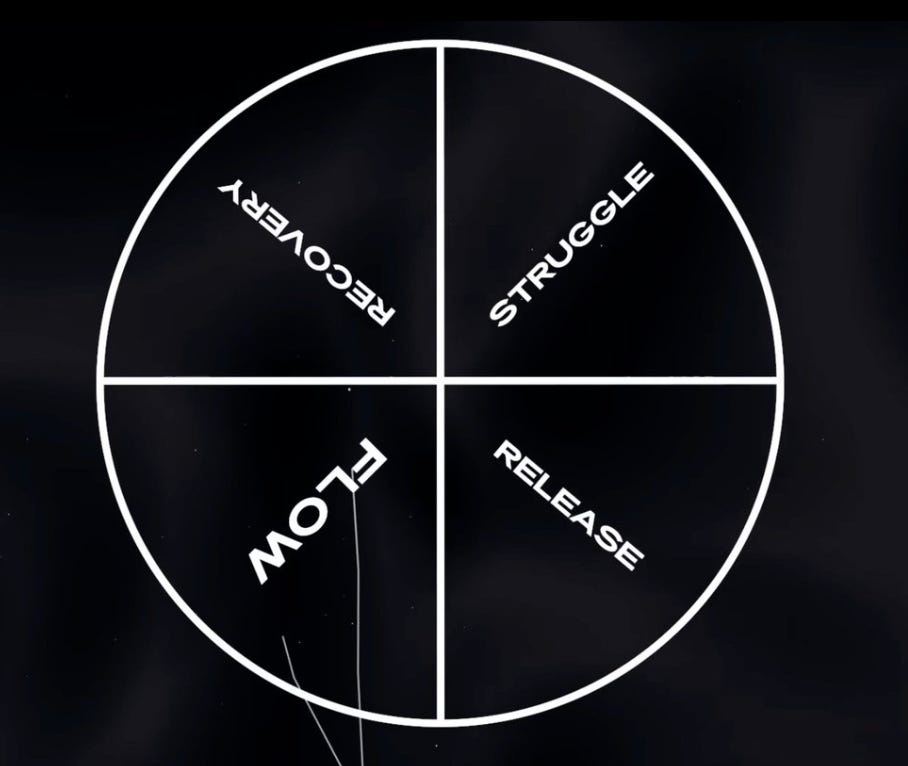
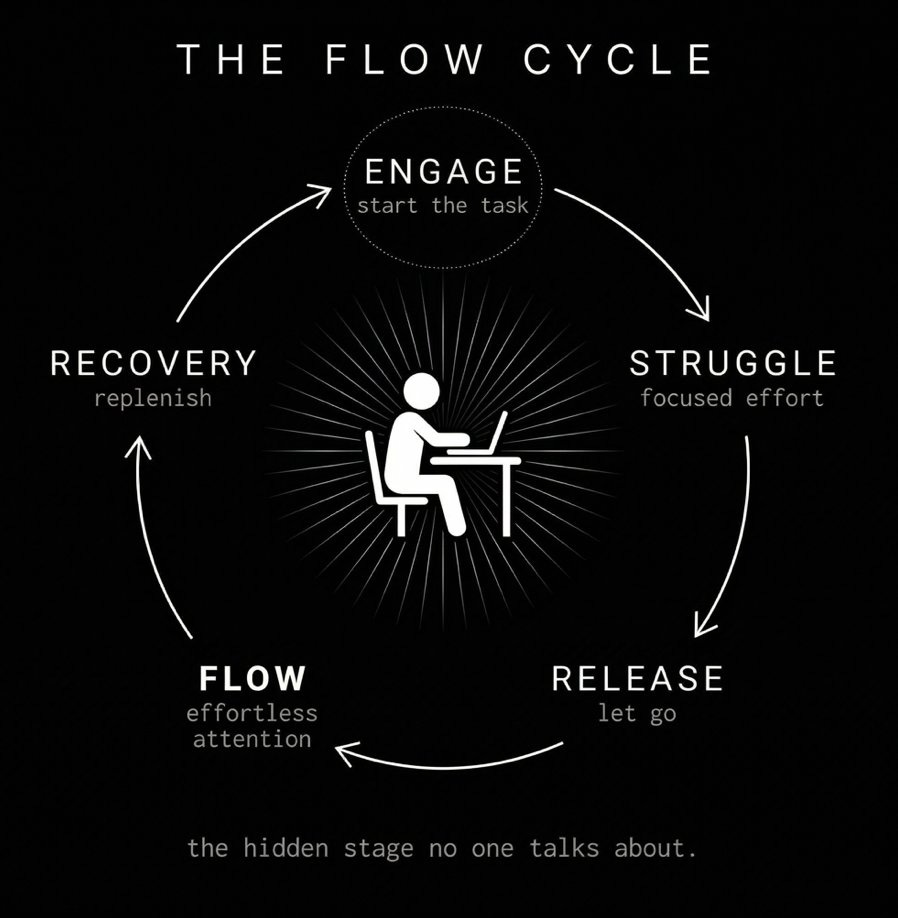
Rather, flow is part of a four-phase cycle:
1. Struggle - Loading the task, focused effort. The norepinephrine involved causes frustration, anxiety, and discomfort.
2. Release - The edge of wrestling with the task, when endorphins rush in for pain relief.
3. Flow - The state of effortless attention where your sense of self evaporates and serotonin and dopamine drive you forward.
4. Recovery - Replenishing the costly neurochemistry the state requires.
For action-adventure sports athletes, you can think of the struggle phase like a warmup: the first wave, the first run down the mountain, the beginning of a climb.
But in helping teams at Audi, Accenture, Facebook, and the US Air Force access flow in their workspaces, we discovered a fifth stage to the flow cycle.
It only lasts a few seconds... but for modern professionals, it’s even more challenging than the struggle itself:
Starting to struggle in the first place.
This pre-struggle stage is called Engage.
For action-sports athletes, this is the moment they decide to bomb down the hill, jump out of the airplane, or wade into the water.
The Engage phase is easy for them...
But it’s much harder for knowledge workers.
And that’s because of a neurochemical civil war happening inside your brain.
Your brain has two competing systems.
The Approach System (associated with dopamine-rich areas like the striatum and ventral tegmental area, linked to pleasure and reward, encouraging action).
The Avoidance System (associated with cortisol-rich areas like the amygdala and hippocampus, linked to fear and anxiety, encouraging inaction).
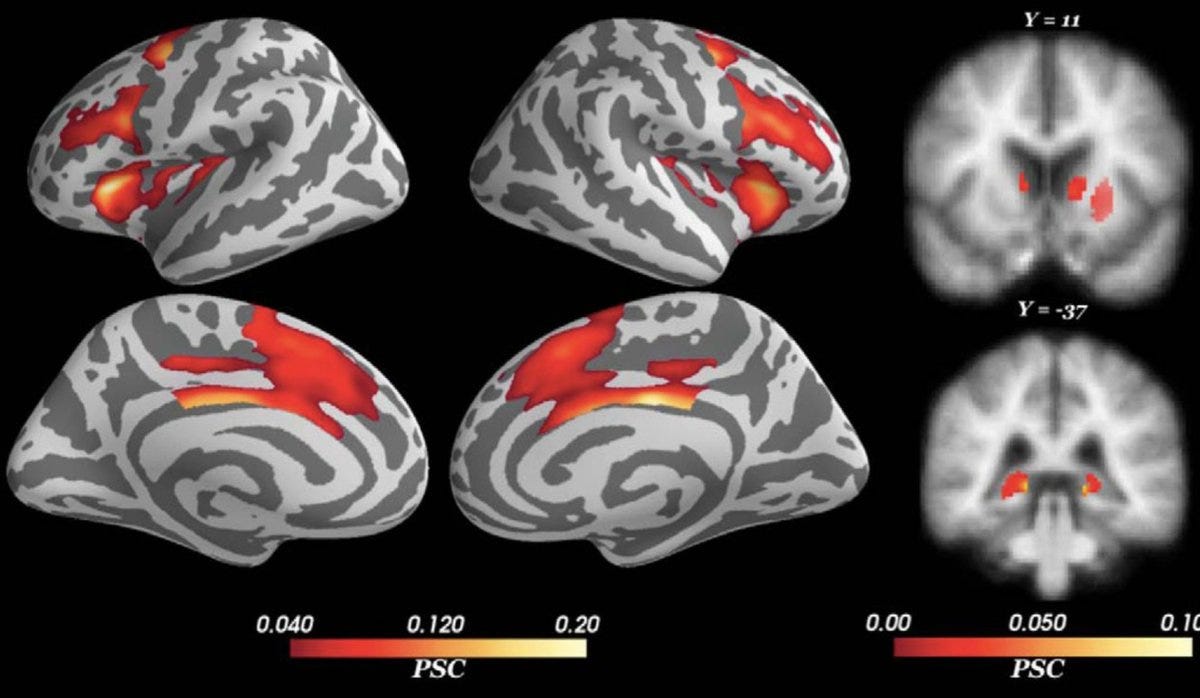
This creates a cognitive contradiction - dopamine floods the brain and stimulates wanting and craving - while cortisol floods the brain and stimulates fear and anxiety.
In this approach-avoidance conflict, you experience both positive and negative aspects of a task simultaneously.
As you get closer to the task, the negative aspects become more prominent - increasing the avoidance tendency.
As you move away from the task, the positive aspects become more salient - increasing the approach tendency.
You know this feeling:
When away from your desk, the thought of the book you’d love to write and share with the world excites you.
But when you open a document, you stare at the blank page and can’t get yourself to start writing it.
This creates a tug-of-war between approach and avoidance motivations.
You’ve probably called this phenomenon procrastination.
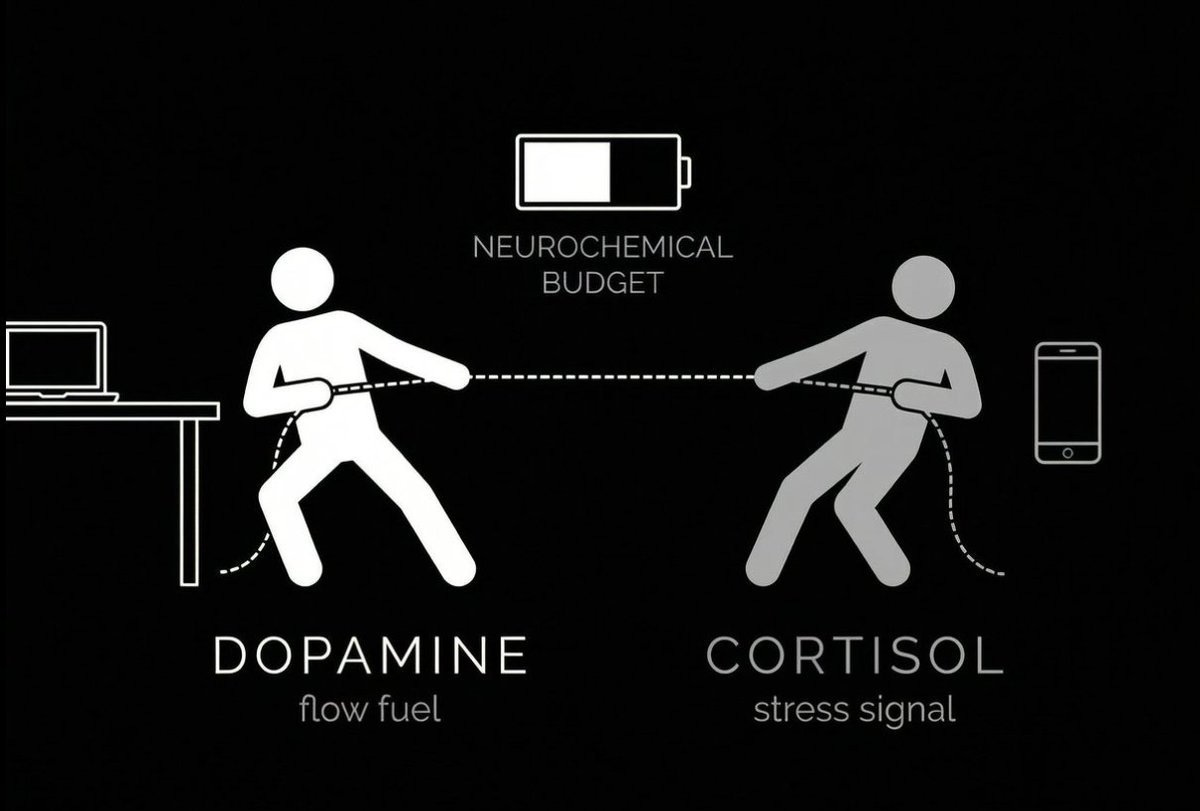
Contrary to popular belief, procrastination is NOT a symptom of lacking motivation.
It’s often high motivation + inaction.
That’s what makes it so painful:
“I want to do it, but can’t bring myself to.”
This approach-avoidance conflict will keep you out of the flow cycle forever.
The short-term pain of procrastination is when you have to work late, and you end up missing dinner with a friend.
It’s looking back on the day, frustrated that you didn’t get anything near what you could have done.
The long-term toll is unrealized dreams - abandoned projects, unwritten books, and unbuilt businesses all lie in procrastination’s graveyard.
That’s why we have to overcome this approach-avoidance conflict.
Your toolset to break free is to either:
1 - Build up the desire to approach, so it overwhelms the avoidance tendency.
2 - Soften the avoidance tendency, so your existing desire can smoothly roll through.
Here is how.
In the 1960s, psychologist Mihaly Csikszentmihalyi spearheaded one of the largest psychological surveys of its time, interviewing everyone from Navajo sheep herders to factory workers, musicians, and athletes.
All of these people experienced flow state regularly.
As Csikszentmihalyi dug deeper into how they approached their activities, he discovered that flow didn’t happen randomly. It had preconditions - “triggers” - that caused it to emerge reliably.
One trigger, in particular, can cut through the approach-avoidance conflict like a knife through hot butter.
Clear goals.

Clear goals are distinct from goals (Run a marathon, take your kids to Disneyland, save for retirement).
Clear goals are the target for your attention, not the outcome.
A clear goal is trying to get the soccer ball into the net. The outcome is trying to win the match.
When you focus on the outcome, you’re relying on your prefrontal cortex. It’s powerful but an inefficient energy hog.
When you focus on the target, you rely on the basal ganglia (an older part of the brain that executes familiar habits). It’s efficient and requires less energy.
Think of clear goals as an attention-orienting mechanism - your brain is a heat-seeking missile, and a clear goal is its targeted heat source. Once locked in, the pursuit is relentless until the goal is hit.
Clear goals activate the Central Executive Network for task planning and lead to motivation via dopamine surges - which helps diffuse the approach-avoidance conflict.
The trouble knowledge workers have is that they’re nowhere near clear enough with their goals to override the approach-avoidance conflict.
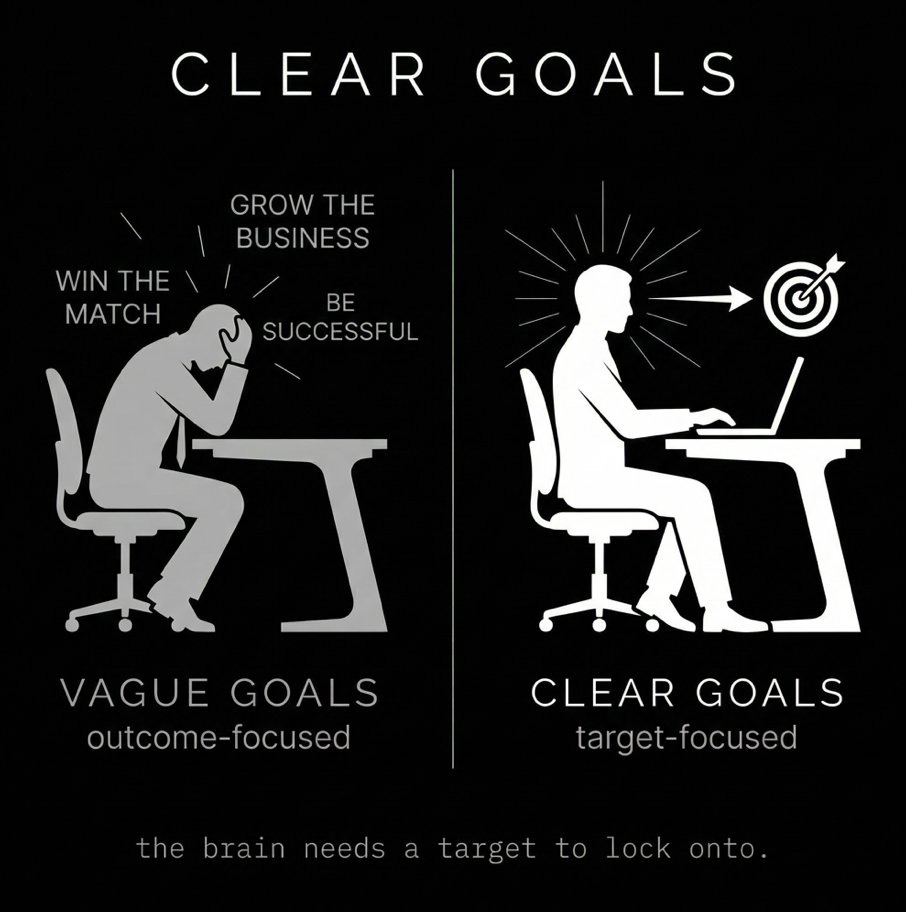
So the first step to annihilating procrastination is to set wildly specific clear goals for each task.
That way, the brain doesn’t have to expend resources wondering how, why, or what to do.
Break the task down into micro-goals (even if the task will only take an hour). This way, you get a steady drip of dopamine.
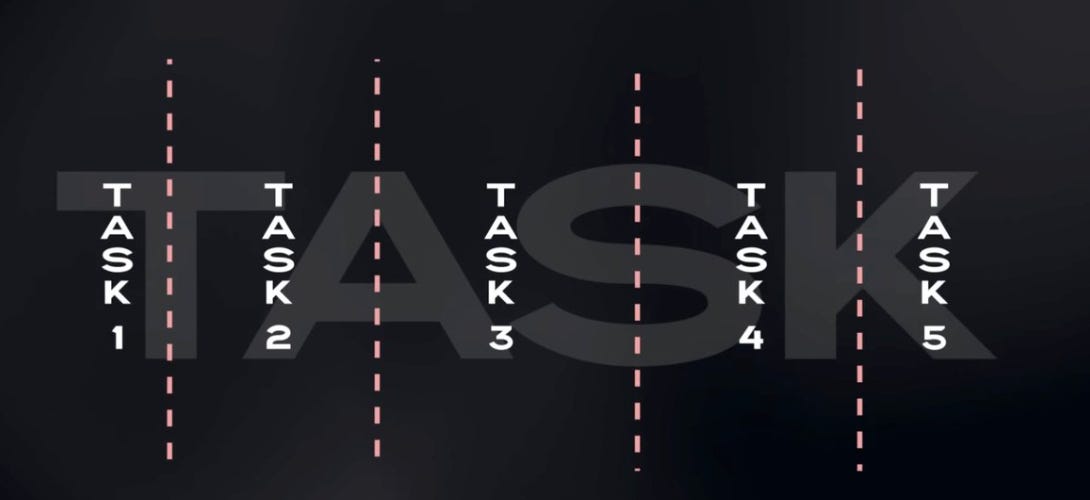
For example:
1. Write the intro to the presentation
2. Add the data from past client results
3. Design the graphics with our brand colors
This doesn’t need to take long.
You can write these clear goals within 60 seconds. It’s a rapid process, but it prevents procrastination because it drops cognitive exertion.
Any time you find yourself procrastinating, get something to write or type with, and answer:
First, what specifically am I trying to achieve right now?
Second, what are the steps involved? (Be crazy specific without spending excess time on it.)
Third, in what order should I execute these steps?
Last, what is the first step to the first step?
The more specific, the better. This is how goals get silly clear.
Example of the first step of the first step:
Opening up a word processor, titling it, and saving it in the right folder.
Then begin to execute.
When you map out these wildly clear, minuscule goals within the task, execution starts to feel smooth as butter.
You slide right into doing it. Then get into flow.
If procrastination persists, make the goals even clearer, all the way down to the ridiculous, until the resistance dips.
Resistance is often the brain’s way of conserving energy.
Make the first action so easy, requiring so little energy, there’s nothing left to resist.
There’s one flow trigger so powerful it’s considered not just a trigger - but a precondition for flow.
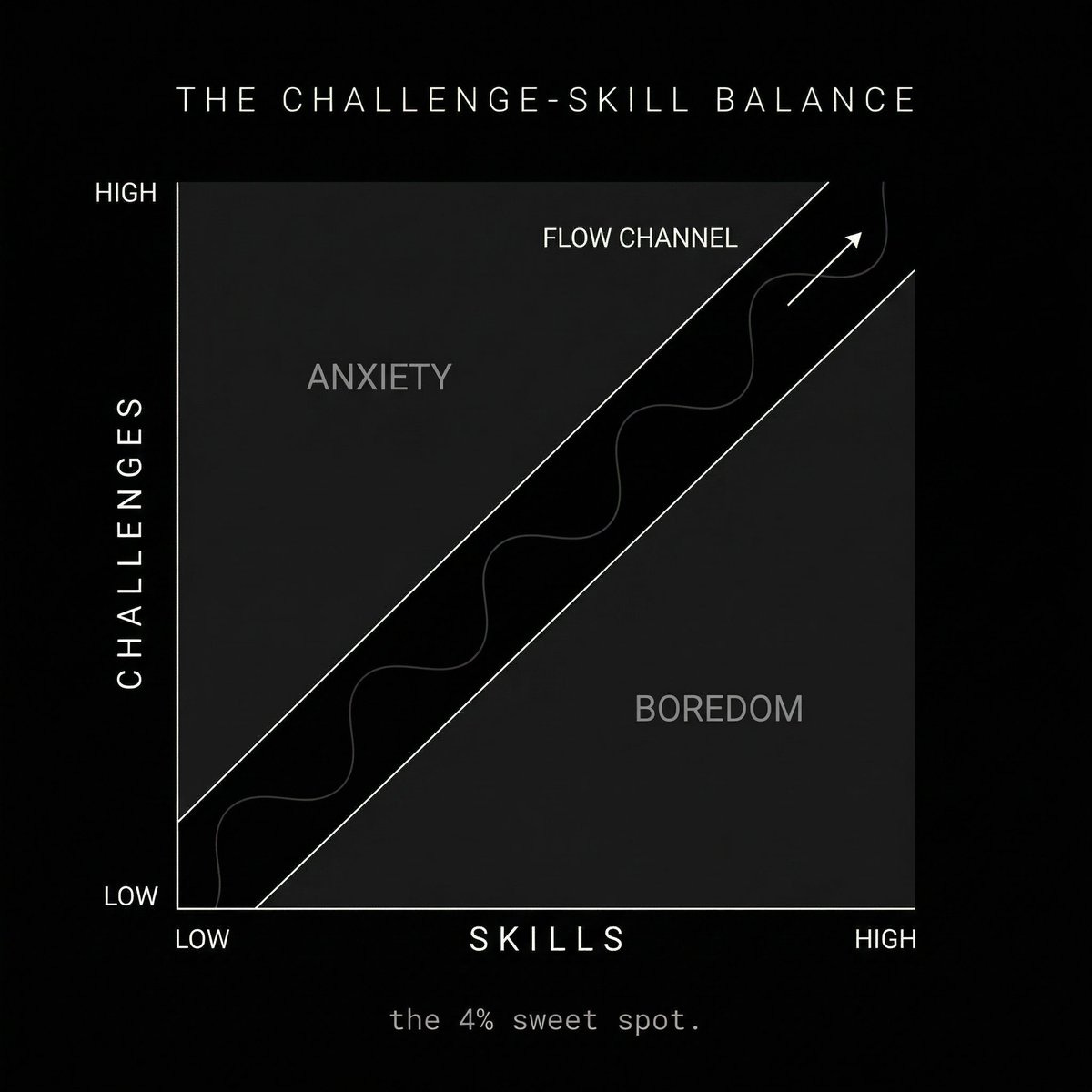
The challenge-skills balance.
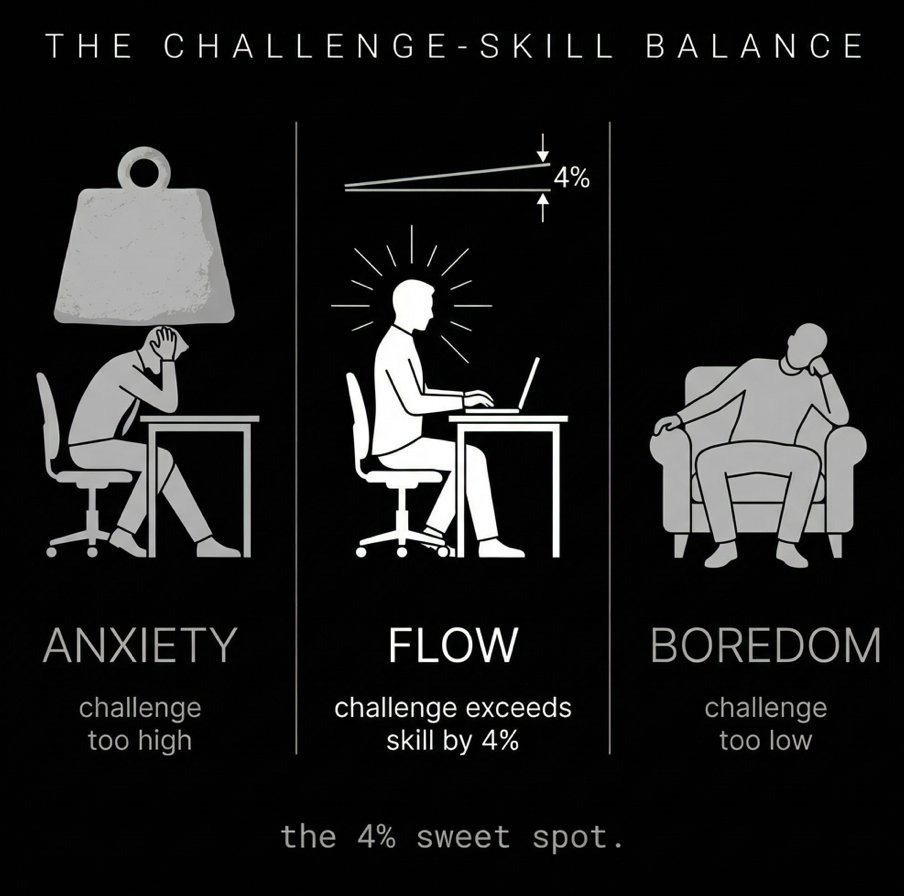
This refers to the optimal relationship between the perceived level of challenge a task presents and your perceived skill or ability to perform it.
If the challenge is too high, it leads to anxiety and overwhelm.
If the challenge is too low, it leads to boredom and apathy.
You want to hit that 4% sweet spot where the challenge slightly outstrips your current skill level.
That’s when the task absorbs your attention, and you slide into flow.
Back when I was a teenager in Ireland, I tried to set up a website services business.
For months, I spent 16 hours a day cold calling, trying to sell website services to accountants. And I was getting torched.
Averaging 250 calls a day, I faced constant rejection.
“What makes you think we want your bullshit services?” one had barked. “Scam someone else,” spat another.
Every morning, the first two hours were by far the most brutal. I grappled with paralyzing procrastination.
The very idea of picking up the phone was such an immense hurdle that I’d delay and delay. I wasn’t earning a dime unless I made a sale.
Then I had a revelation: I could tweak my approach to make those initial hours more bearable.
Instead of diving straight into cold calls, I began my day reaching out to existing clients, the ones who liked me, knew me, and were friendly.
These interactions were positive, and I knew what responses to expect.
This lowered the initial hurdle, building my confidence and momentum for the day. Once warmed up, I’d shift gears and brave the cold calls.
This worked because the more effort you need to Engage, the more likely procrastination will occur.
What we’re avoiding when we procrastinate is energy expenditure, an evolutionary adaptation to preserve precious resources.
You’ve got two options: Increase effort, or adjust the situation so it requires less effort. The better play is to lower the hurdle rather than gritting your teeth and trying to jump over it.
Time can regulate the challenge side of the balance.
If you’re procrastinating on a painfully boring task like tax returns, limit the time. Give yourself an hour instead of a week. This turns a mundane task into a flow session.
If the challenge is too high, so complex that just thinking about it hurts your brain, do the opposite.
Give yourself way more time than you think you need. This lowers the challenge.
In short: lower the hurdle, remove the friction, adjust the time.
Tune the challenge to match your skill level, and the avoidance system has nothing to grab onto.
Activation energy is the effort required to initiate a task. Tiny bits of it can cause procrastination.
If you need to wrap up a project, but you have to pull your laptop out of your bag, boot it up, log in with a crazy long password, connect to Wi-Fi... forget it.
Have your desktop set up, powered on, ready to go.
Less activation energy, less procrastination.
Set up your environment the night before. Remove every friction point between you and the task.
The fewer steps between “I should start” and actually working, the less ammunition the avoidance system has.
Response inhibition is the ability to act before deliberation kicks in. Like jumping into a cold river with your friends before you can reconsider.
Why it works: once the emotional brain (the amygdala) gets a chance to take over, it overrides self-regulation.
You dilly-dally before getting in the river, and the protective part of your brain wins.
But dive in within five seconds and it’s too late for that emotional override.
The goal is to get ahead of the approach-avoidance conflict before it kicks in.
Procrastination is more about managing emotions than managing time.
Remember my cold calling story? It has a happy ending - one I never would have experienced without training my response inhibition.
One day when making my cold calls, through sheer luck, an accountant called Martin Gilchrist picked up the phone. He saw something in my grit.
“Most would have quit long ago,” he said. “Let’s talk business.”
In time, we worked together and became regional finalists of Ireland’s Best Young Entrepreneur.
Just like jumping in a cold shower before I had a second to “inhibit the response”, I trained myself to immediately click dial so that the person would answer and say “hello” before I could even think about it.
This is another reason why “Sleep-to-Flow Strategy” is so powerful.
In the morning, there’s a brain state you can harness to take the likelihood of procrastination to zero.
Delta and theta brainwaves in sleep are close to the alpha and theta brainwaves found in flow.
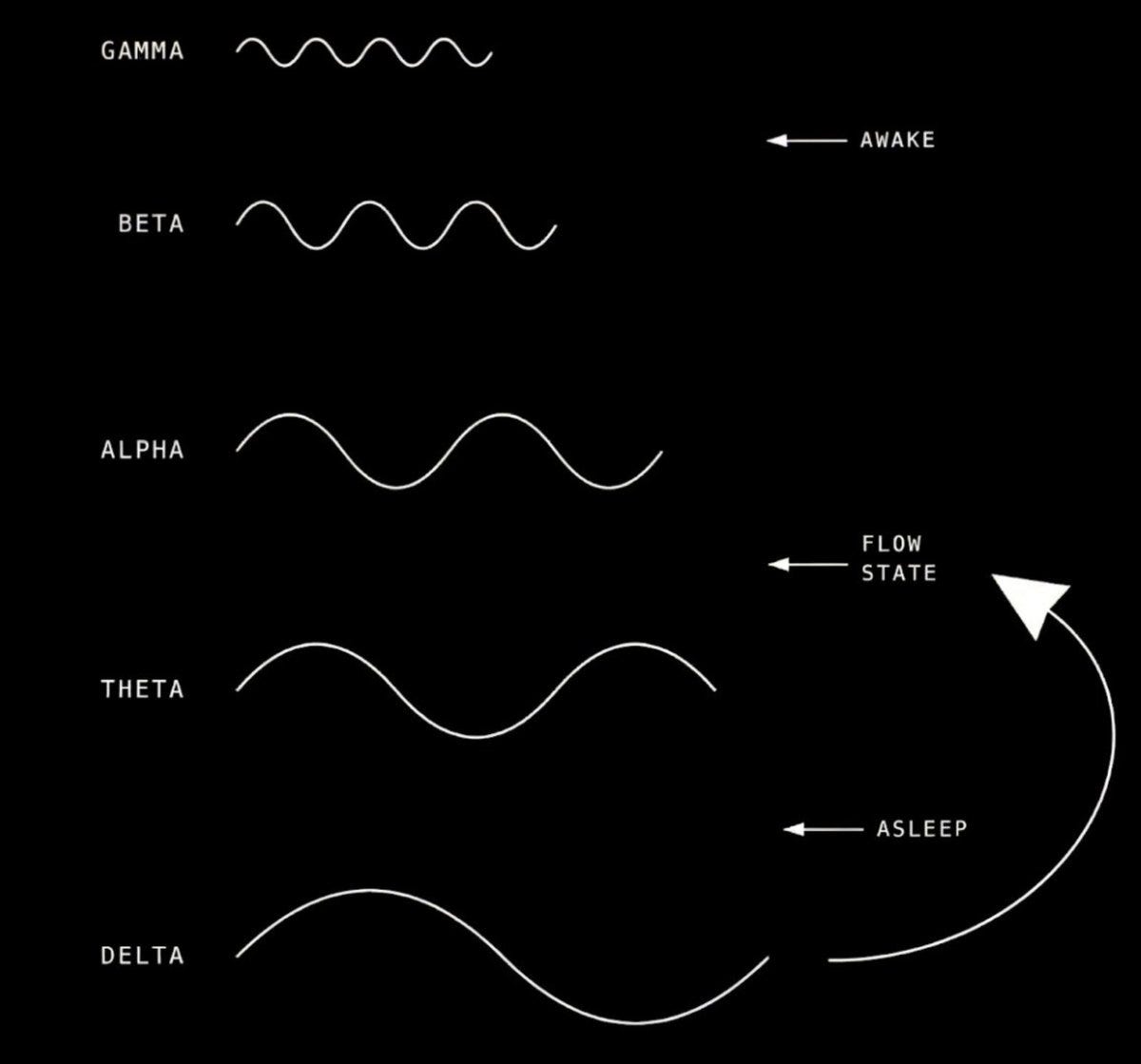
Alpha waves reduce prefrontal cortex activity, leading to a sense of effortlessness and reduced self-consciousness (your inner critic).
Theta waves are associated with heightened creativity - enabling the brain to make novel connections and solve complex problems more efficiently.
For this reason, get to work the second you wake up.
If you have everything prepared, you can be typing within 60 seconds of getting out of bed.
If you’ve been resisting work, this gives you no way out.
You won’t have time to distract yourself. You override the emotional part of the brain and activate your prefrontal cortex.
And to be clear: this doesn’t mean checking email. It means working on the important task you’ve been avoiding.
Set everything up the night before, and get to work first thing in the morning.
Flow state feels incredible - one of the most pleasurable experiences humans can have, courtesy of the cocktail of neurochemicals it produces.
But there has to be a high likelihood of getting into flow, and for long enough, to want to Engage in the first place.
Building a sandcastle on the beach is less motivating if the tide can wash it away at any moment.
If you know you’ll be interrupted after you start working, the approach-avoidance conflict will cause you to resist the task.
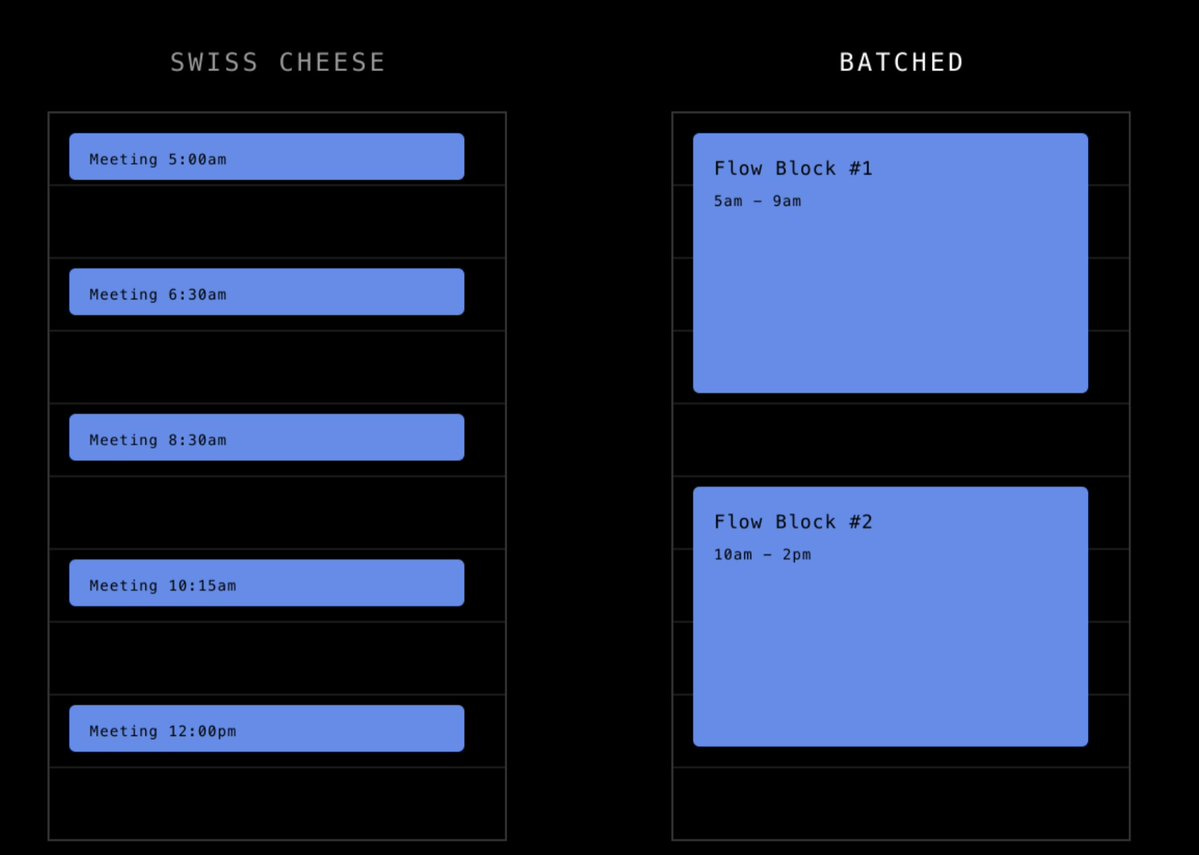
That’s why you want to avoid the “Swiss Cheese Calendar”.
When I first started working with Steven Kotler, we launched a huge professional training event.
To pull this off, I had to conduct hundreds of sales calls to sell tickets.
At the same time, I was trying to build out the curriculum for the event itself, which required large stretches of focused work.
With all these sales calls, I had a Swiss cheese calendar - constant meetings with little time in between.
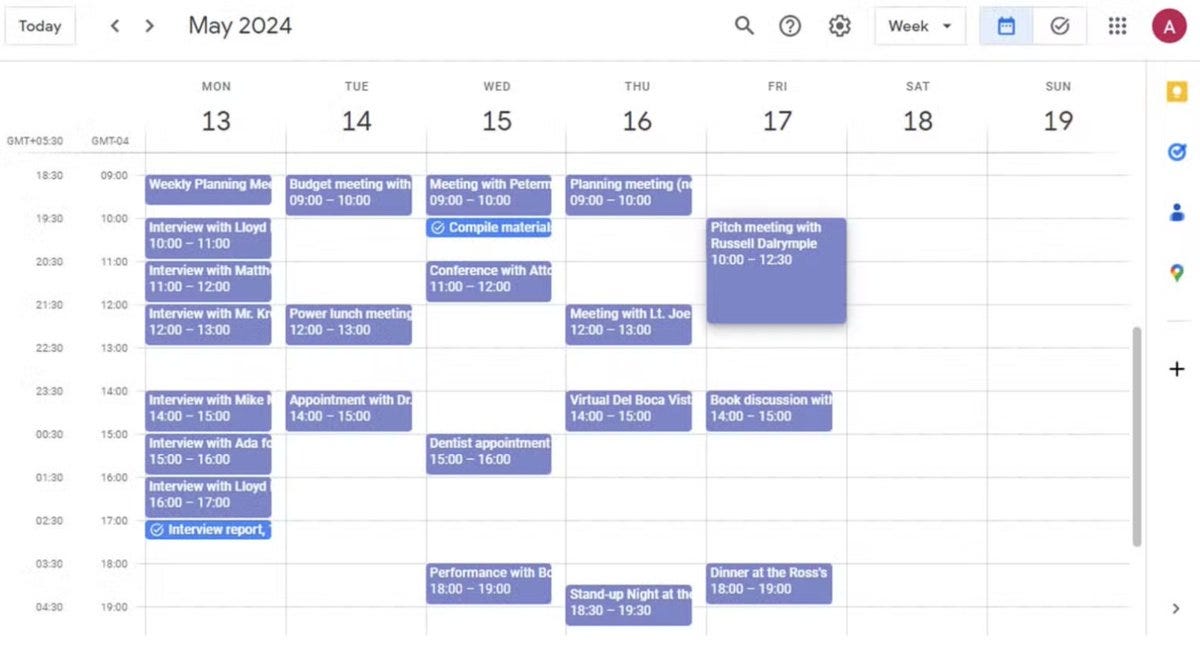
Since the sales calls tilted everything, in between calls, I found it hard to muster the willingness to work on curriculum design.
Even with pressure building as the event got closer, trying to Engage was like trying to resist the effects of a potent sedative.
Though I’d sometimes get into flow in between calls, I couldn’t sustain it long enough to justify the struggle of starting.
Years later, as I learned more about the psychology and neuroscience of the flow cycle, I realized why this was happening:
The struggle phase is psychologically taxing. So to justify struggle, it’s not enough to be rewarded by flow alone.
You need the promise of prolonged, uninterrupted immersion.
Otherwise, the system resists Engaging.
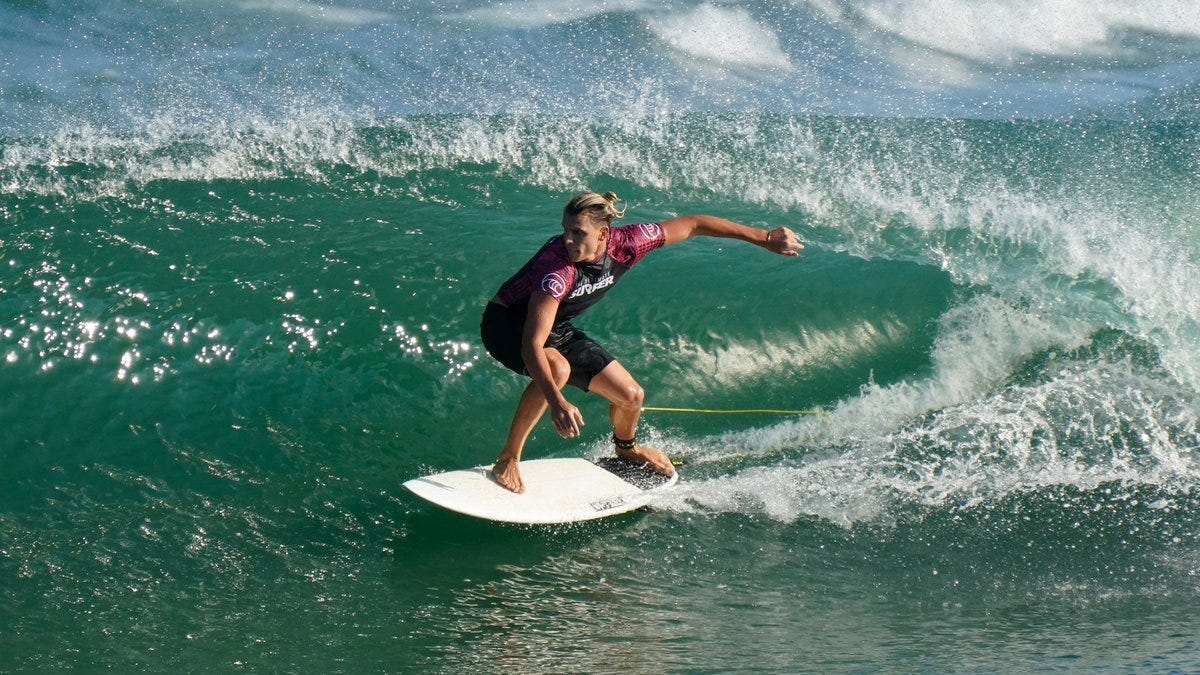
Think of surfing.
Would you wake at dawn, wax your board, squeeze into a tight wetsuit, and paddle out if you knew that after one or two waves, the ocean was just going to go flat?
There’s just not enough of a flow payoff.
It’s the same with focused work.
You rally your focus, block distractions, and psyche up to persist through the struggle phase. But you get interrupted after 15 minutes.
Without a sufficient uninterrupted flow session, the struggle feels pointless. No waves to catch.
This is why a low-flow, “Swiss cheese schedule” often causes approach-avoidance conflict.
If you know in advance that your flow will be interrupted, the struggle doesn’t feel worth it. There’s no flow payoff, so why Engage?
With a single meeting in the middle of the day, everything before and after tilts.
This is especially true for makers - individual contributors, not managers.
To fix your schedule:
Collapse meetings where possible (from in-person to Zoom, Zoom to phone, phone to email, email to nothing)
Research has found that up to 70% of meetings are potentially unnecessary
Batch communication outside peak productive hours
Bookend your meetings (knock them all out at the beginning or end of day, after your flow blocks)
Remember: Flow is activity-specific.
You can be in flow during a meeting or in flow doing other work.
But crossing between these types breaks flow.
The payoff can be flow, task progress, or task completion. Either way, you need the payoff for the pain.
One final distinction.
What if what feels like procrastination is actually a signal you should listen to?
When I was scaling one of my education companies, we planned to partner with an engineering team to build a custom LMS.
I was convinced it was the key to hitting our numbers.
People were counting on me. And yet I kept delaying the calls, procrastinating on the scope document day after day.
I was on top of every other task. But something here just felt off.
Deep down, I knew this partnership was a bad move.
What looked like procrastination was actually ambivalence, a signal that we were about to lock into a contract that would drain our profits for something we didn’t need.
I called it off and saved us six figures a month.
Procrastination: “I know I need to do it, but I can’t bring myself to.”
Ambivalence: “I’m not sure I should be doing this at all.”
Overcome procrastination. Pay attention to ambivalence. Don’t mix them up.
When you become attuned to ambivalence disguised as procrastination, it leads to “thank God we didn’t do that” realizations.
But those only come in hindsight - so you have to build the skill of accurately interpreting procrastination to recognize ambivalence in real time.
Procrastination is natural but optional.
You eliminate it with:
1. Clear goals that give your brain a target
2. Challenge-skill balance that makes starting effortless
3. Response inhibition that bypasses the conflict entirely
4. Flow payoff that justifies the struggle
When you do all of this, your mind gets sucked toward the task, and you blaze through it like a hot knife through butter.
That’s buttery execution: the antithesis of procrastination.
The compound effect of never saying no to what needs to be done will give you reliable access to flow and lead to extreme accomplishments.
-Rian