Iran’s near-total communications blackout has entered its 16th day, but that’s just a live test.
Following a repressive crackdown on protests, the government is now building a system that grants web access only to security-vetted elites, while locking 90 million citizens inside an intranet.
Government spokesperson Fatemeh Mohajerani confirmed international access will not be restored until at least late March. Filterwatch, which monitors Iranian internet censorship from Texas, cited government sources, including Mohajerani, saying access will “never return to its previous form.”
This is what makes Iran’s attempt unique: Other authoritarian states built walls before their populations went online. Iran is trying to seal off a connected economy already in freefall.
The system is called Barracks Internet, according to confidential planning documents obtained by Filterwatch. Under this architecture, access to the global web will be granted only through a strict security whitelist.
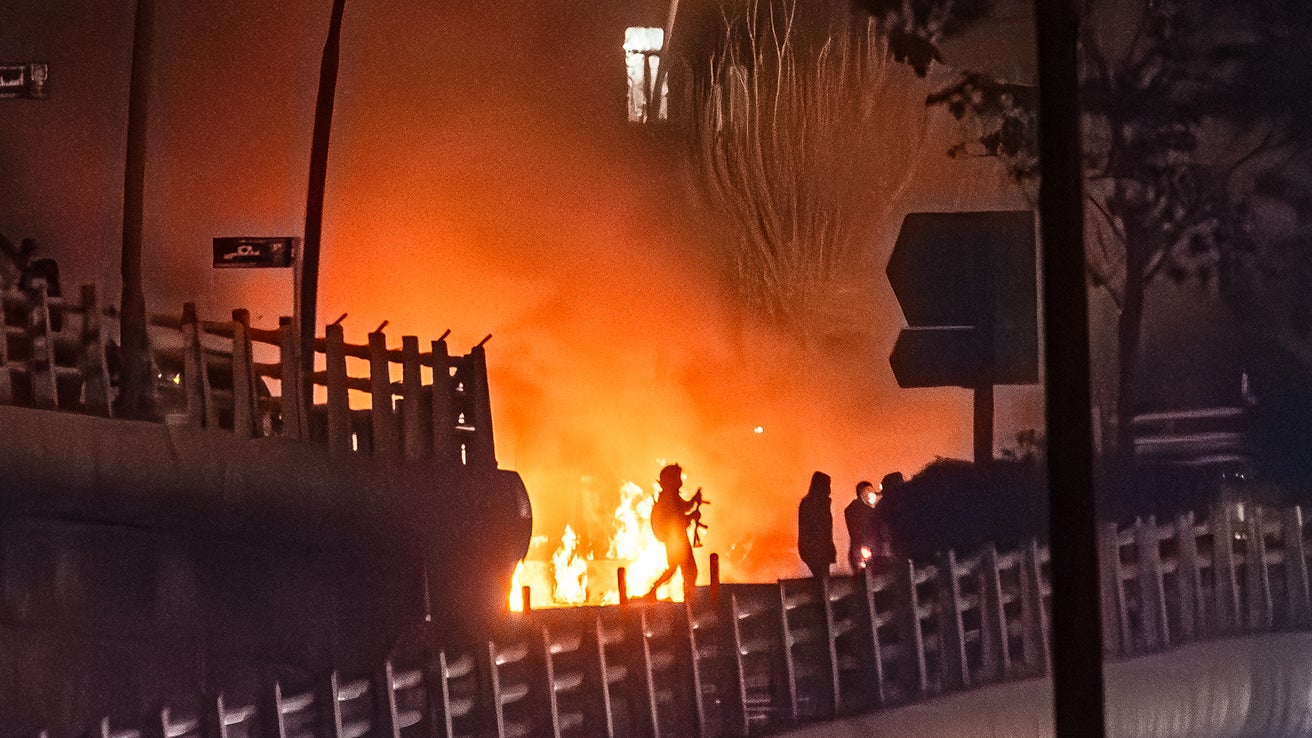
“The regime is terrified of one thing: Iranians being heard telling their own truth and having crimes documented,” Mahsa Alimardani, a digital rights researcher at U.S.-based Witness, which trains activists to use video for advocacy, told Rest of World. “The question becomes: How do we give Iranians an unbreakable voice?”
The idea of tiered internet access is not new in Iran. Since at least 2013, the regime has quietly issued “white SIM cards,” giving unrestricted global internet access to approximately 16,000 people. The system gained public attention in November 2025 when X’s location feature revealed that certain accounts, including the communications minister, were connecting directly from inside Iran, despite X being blocked since 2009.
What is different now is scale and permanence. The current blackout tests infrastructure designed to make two-tier access the default, not a temporary crackdown.
Only a handful of nations have attempted to wall off their citizens from the global internet. North Korea’s Kwangmyong intranet was built from scratch for a population that never had connectivity. China constructed its Great Firewall over two decades while nurturing domestic alternatives such as WeChat and Alibaba. Iran is attempting to do both in weeks, with no domestic alternatives.
The question becomes: How do we give Iranians an unbreakable voice?”
The economic costs of the blackout are staggering. Iran’s deputy communications minister pegged the daily losses at as much as $4.3 million. NetBlocks estimates the true cost exceeds $37 million daily. More than 10 million Iranians depend directly on digital platforms for their livelihoods.
Tipax, one of Iran’s largest private delivery companies handling about 320,000 daily shipments before the protests, now processes fewer than a few hundred, according to Filterwatch. The company operates a nationwide logistics network comparable to FedEx in the U.S. market.
The government fired Irancell’s CEO for failing to comply with shutdown orders. Irancell, the country’s second-largest mobile operator with 66 million subscribers, is partly owned by South Africa’s MTN Group. Alireza Rafiei was removed for disobeying orders on “restriction of internet access in crisis situations,” according to Fars news agency.
Foreign telecom partners have left Iran in recent days under security escort, without media coverage, according to Filterwatch. This may signal the end of international cooperation in critical infrastructure, replaced by the Revolutionary Guard’s construction arm or limited cooperation with Huawei.
Technical experts doubt the regime can sustain Barracks Internet without crippling the economy. Georgia Tech’s Internet Intelligence Lab, which has tracked Iran’s shutdowns since the Arab Spring, called the blackout “the most sophisticated and most severe in Iran’s history.” Its measurements show about 3% connectivity persists, likely government officials and state services.
We need to revolutionize access to the internet.”
Kaveh Ranjbar, former chief technology officer at RIPE NCC, the body managing European internet infrastructure, calls the plan a “digital airlock” that can’t fully seal a modern economy. No country has hermetically sealed a functioning digital economy, he told The New Arab.
Activists have smuggled an estimated 50,000 Starlink satellite terminals into Iran since 2022, when the Biden administration exempted the service from sanctions. SpaceX has made the service free for Iranian users.
The government claims it cut off 40,000 Starlink connections and jammed some terminals during the blackout, though others remain operational after firmware updates to bypass government blocking. Still, the technology remains vulnerable to signal jamming, meaning the regime holds ultimate leverage.
“We need to revolutionize access to the internet,” said Alimardani. “And move beyond the limiting structures and norms of ‘internet sovereignty.’”