Hu Anyan has held 19 jobs in six cities across China — selling bicycles, running a clothing store, working in a bakery, making 3D architectural renderings, doing night shifts at a logistics warehouse, and eventually delivering packages.
Hu, 46, wrote about these experiences in a memoir-style book, I Deliver Parcels in Beijing. An avid reader, Hu documents his encounters with abusive managers, irate customers, and sprawling residential complexes in casual language, and with colorful details and a touch of humor.
When published in 2023, Hu’s book became a bestseller in China. Readers lapped up anecdotes of the lives of some of the millions of couriers powering the country’s ultra-efficient e-commerce industry, which treats individual laborers as dispensable. Many also related to Hu’s experience with economic uncertainty, dwindling social mobility, unemployment, and unfulfilling work.
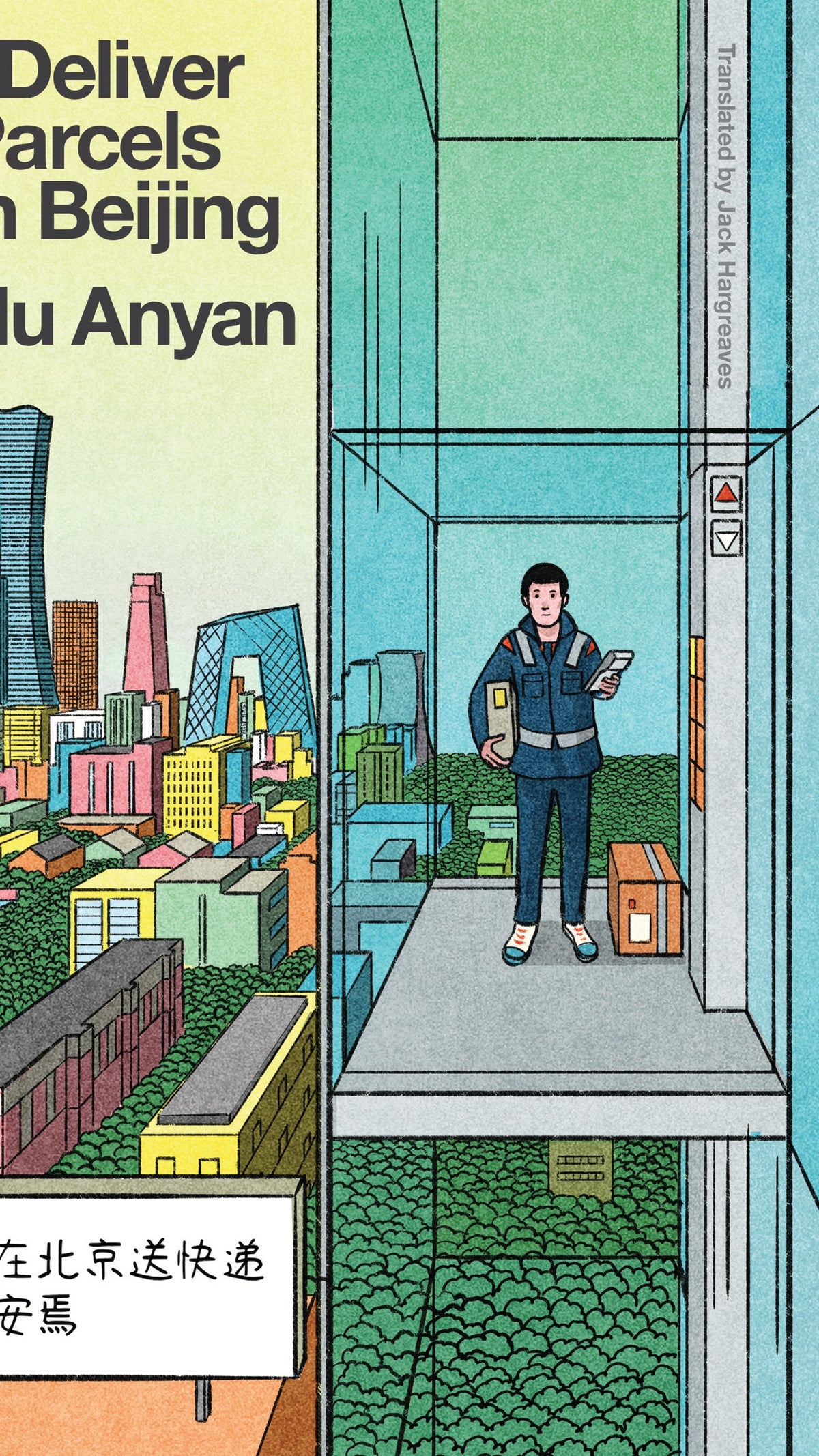
Ahead of the launch of the English-language translation of the book by Jack Hargreaves, Hu spoke to Rest of World about his literary journey, his views on whether couriers will be replaced by automation, and what he hopes Americans will learn from the book.
The interview has been edited for length and clarity.
How did you start writing and how did the book come about?
Around 2009, I was running a women’s clothing store in Nanjing, a painful job. My girlfriend at the time broke up with me. I was 30 and very disappointed in myself. I started writing as a way to escape all of that. It was like praying.
For nearly two years, I spent more than 10 hours a day reading, writing, and talking to other writers on an online literary forum. Then I went back to work and only wrote sporadically. In 2020, during Covid-19, I had some savings and was able to focus on writing again. One of my essays about working at a logistics warehouse went viral on Douban [a social media platform].
An art group turned my writing into a booklet, to which I added a piece about delivering parcels. Then, book editors reached out. I worked with one editor on a book about my experience with all these gigs. It was never my plan to write about myself, but I realized the book accomplished the same goal I had hoped to achieve through fiction: to foster a deep connection with readers.
When I’m back in China, I’m often shocked by how fast deliveries are. Do you think online shopping has made people’s lives better?
Our country has an advanced e-commerce logistics network, but this progress comes at the expense of workers at the lower end of the industry.
For example, businesses usually have next-day delivery within the same province. That means a truck spends the day carrying the parcels to a depot. Overnight, warehouse workers sort the parcels according to their destinations. When I did the night shifts in 2017 to 2018, I earned less than 5,000 yuan ($701) a month. I don’t think developed countries could have achieved this. It’s not because our technology is more advanced; it’s because we have an abundant supply of labor.
Our country has an advanced e-commerce logistics network, but this progress comes at the expense of workers at the lower end of the industry.”
Tech entrepreneurs are talking about replacing couriers with drones and self-driving cars, or having robots work in warehouses. Do you think workers are concerned about losing opportunities as a result of technological advancements?
I’ve heard more worries about the threat of AI not from manual laborers, but from people in desk jobs. My former colleagues doing physical jobs rarely express this anxiety. Maybe they are not that connected to the news, or they are under so much livelihood pressure that they have no time to think about this question.
E-commerce companies have been talking for years about automation, but I feel they are just trying to sell their stocks. Warehouse workers might be replaced, but more people work in delivery. Couriers need to navigate very complicated traffic situations, understand the various needs of all the residents, and adapt to different personalities and ways of communication. It would be so expensive to have robots do this.
Which part of your experience would you like to resonate with readers the most? I really liked the ending where you reflect on the relationship between work and freedom.
Most of my readers are white-collar intellectuals. I think many are intrigued by the title because they are curious about the courier workers. Many people also relate to my frustration with the boom of the online industry, and my skepticism toward entrepreneurship, the pursuit of success and wealth, and climbing the social mobility ladder.
There are people who get not only payment but also fulfillment from work, but for the majority of us, it’s difficult. Many of my readers are interested in this question: If I’m not among the most outstanding, how should I deal with my relationship with work?
For most of the gigs I worked on after turning 30, I worked more than 70 or 80 hours a week. I wrote about only 1% of my experience delivering parcels in this book. The other 99% of the time, nothing interesting happened. It was hard not to feel disillusioned about life in that situation, so I tried to do something creative, like writing poems and fiction, because they would reveal something unique about me. I wrote because I had no other choice.
There are people who get not only payment but also fulfillment from work, but for the majority of us, it’s difficult.”
What kind of impact do you want the English translation of the book to have overseas?
I hope to help overseas readers learn more about China. I saw an American commenting online that they used to think Chinese people were taking their jobs, but they came to understand the situation better after watching a documentary about migrant workers.
Divisions are bound to happen in this world, due to differences in culture, religion, and economic interests. But I hope that through understanding each other more, we will also develop sympathy and compassion for one another. I hope my book can contribute to that understanding.