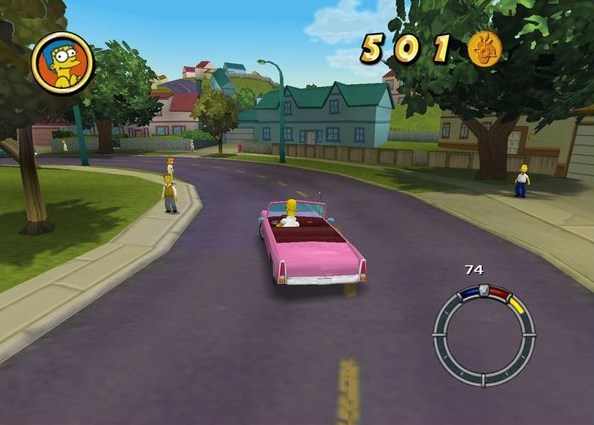
DEEP DIVE · The Simpsons
The Simpsons: Hit & Run Recompiled
The 2003 open-world Springfield game running in a browser tab as WebAssembly and WebGL.
UPBROWSERUNKNOWN
Recompiled Games
// DECOMPILED · RECOMPILED · REIMPLEMENTED
Someone takes a game apart, rebuilds it from the binary, and ships it as a link. This index tracks those rebuilds: what each one is, what it needs from you, whether the link still works, and who made it. From Halo and Black Ops Zombies in a browser tab to PlayStation 2 and Xbox 360 recomp projects.
DEEP DIVE · The Simpsons
The 2003 open-world Springfield game running in a browser tab as WebAssembly and WebGL.
UPBROWSERUNKNOWN
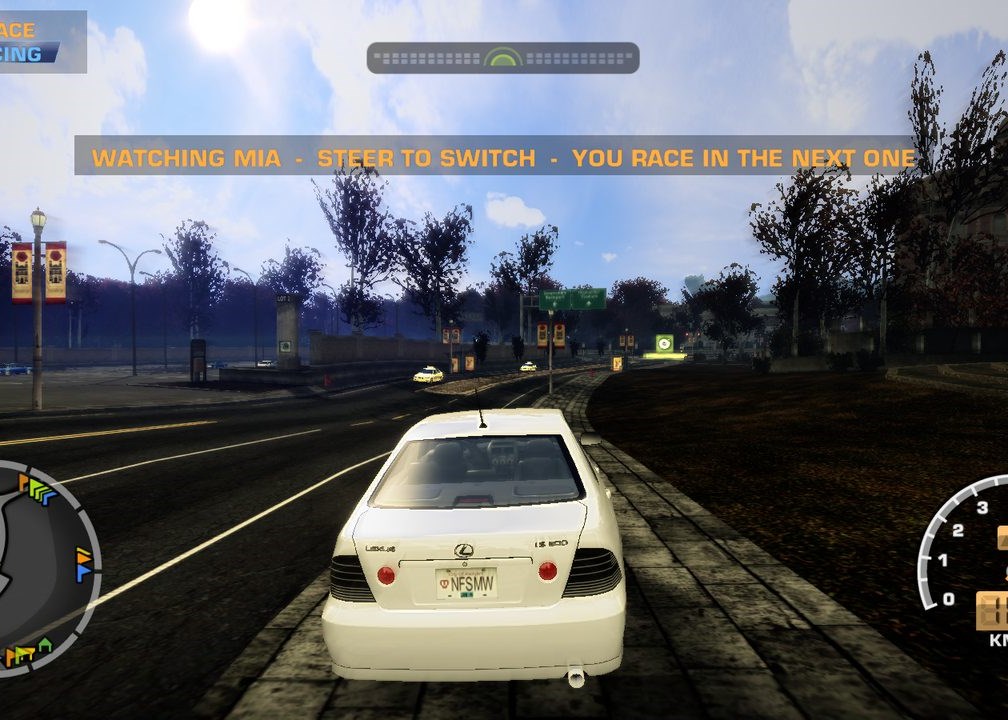
DEEP DIVE · Need for Speed
The 2005 Rockport street racer in a browser tab, with free roam, ranked races and other players on the map.
UPBROWSERINSTANTMULTIPLAYER
 Call of Duty: Black Ops ZombiesCall of Duty · Fan browser port
PC
INSTANT
PLAY
 Skate 3Skate · Fan browser page (method not stated)
Xbox 360
INSTANT
PLAY
 Halo 3 (Project Reclaimer)Halo · Standalone Windows launcher for Halo 3 multiplayer (method not stated)
Xbox 360
OWN FILES
 Counter-Strike: Source Bunnyhop (bunnyhop.lol)Counter-Strike · Source SDK 2013 player movement compiled to WebAssembly
PC
INSTANT
PLAY
 Counter-Strike: Source Surf (Surfd)Counter-Strike · Movement rebuilt from Source SDK 2013 rules
PC
INSTANT
PLAY
 The Simpsons: Hit & RunThe Simpsons · Decompilation to WebAssembly
PC
UNKNOWN
PLAY
 Counter-Strike 1.6Counter-Strike · Xash3D FWGS engine compiled to WebAssembly (CSJS)
PC
UNKNOWN
PLAY
 Quake III ArenaQuake · ioquake3 compiled to WebAssembly (Q3JS)
PC
INSTANT
PLAY
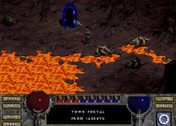 DiabloDiablo · Source port (DevilutionX) to WebAssembly
PC
OWN FILES
PLAY
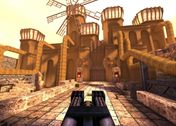 QuakeWorldQuake · FTE QuakeWorld in the browser
PC
UNKNOWN
PLAY
 Cyberpunk 2077Cyberpunk · Game engine running as WebAssembly (WebGPU); method not published
PC
INSTANT
PLAY
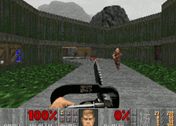 Doom Multiplayer (Silent Space Marine)Doom · Chocolate Doom compiled to WebAssembly (Cloudflare)
PC
INSTANT
PLAY
 Formula One 06Formula One · Static recompilation (PS2 to WebAssembly)
PS2
INSTANT
PLAY
 Need for Speed: Most WantedNeed for Speed · Not stated by the site; coverage calls it a static recompilation
PC
INSTANT
PLAY
 Return to Castle WolfensteinWolfenstein · Source port (iortcw) to WebAssembly
PC
INSTANT
PLAY
 SSX 3SSX · Static recompilation (PS2 to WebAssembly)
PS2
INSTANT
PLAY
 Tekken 5Tekken · Static recompilation (PS2 to WebAssembly)
PS2
INSTANT
PLAY
 TerrariaTerraria · Game code converted to Rust and compiled to WebAssembly (WebGPU)
PC
INSTANT
PLAY
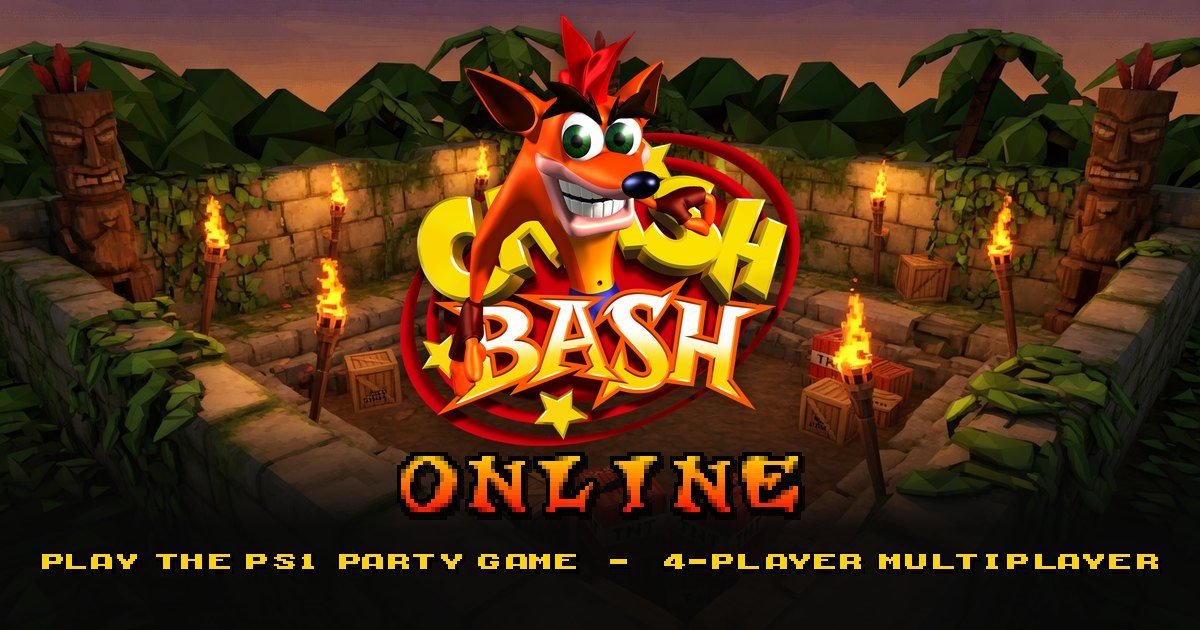 Crash Bash OnlineCrash Bandicoot · Browser port that runs in the page, "not an emulator" (per the site)
PS1
INSTANT
PLAY
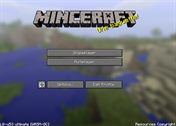 Minecraft 1.8.8 (EaglercraftX)Minecraft · EaglercraftX, a fan browser port of Minecraft 1.8.8 (WebAssembly build)
PC
INSTANT
PLAY
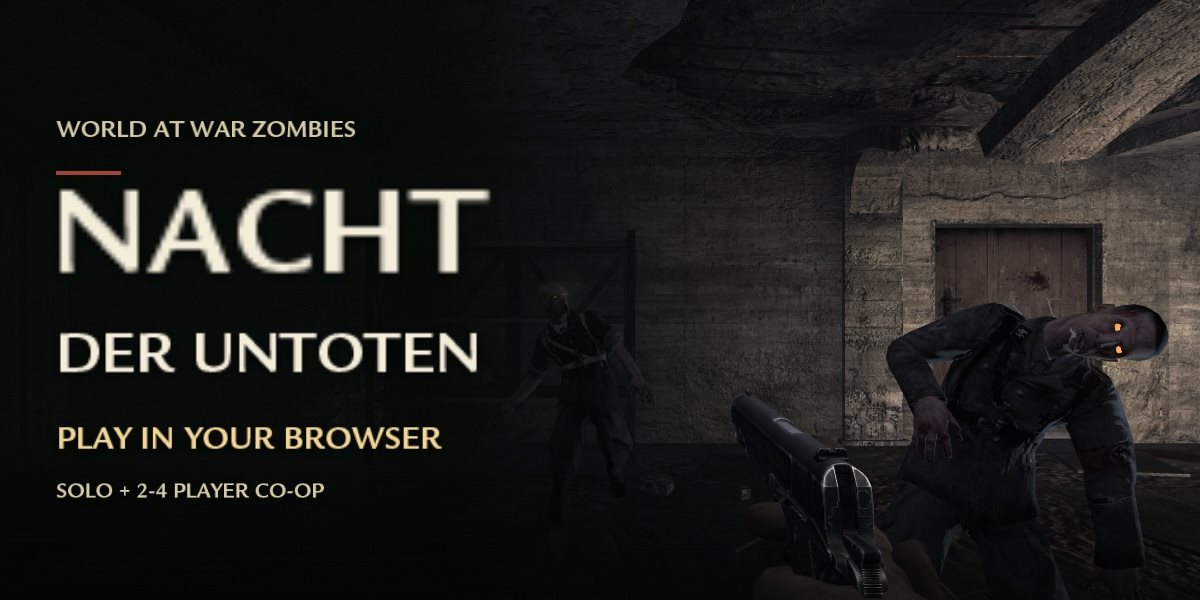 Nacht der UntotenCall of Duty · Fan remake of the World at War zombies map for the browser
PC
INSTANT
PLAY
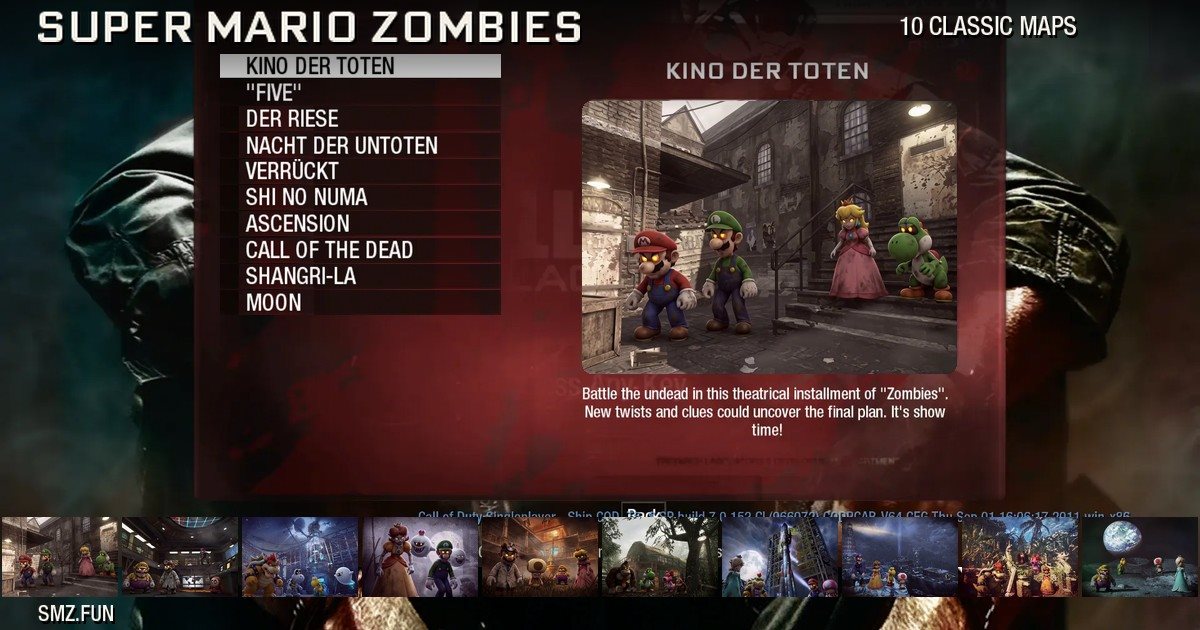 Super Mario ZombiesCall of Duty · Black Ops zombies maps with Mario characters, in the browser
PC
INSTANT
PLAY
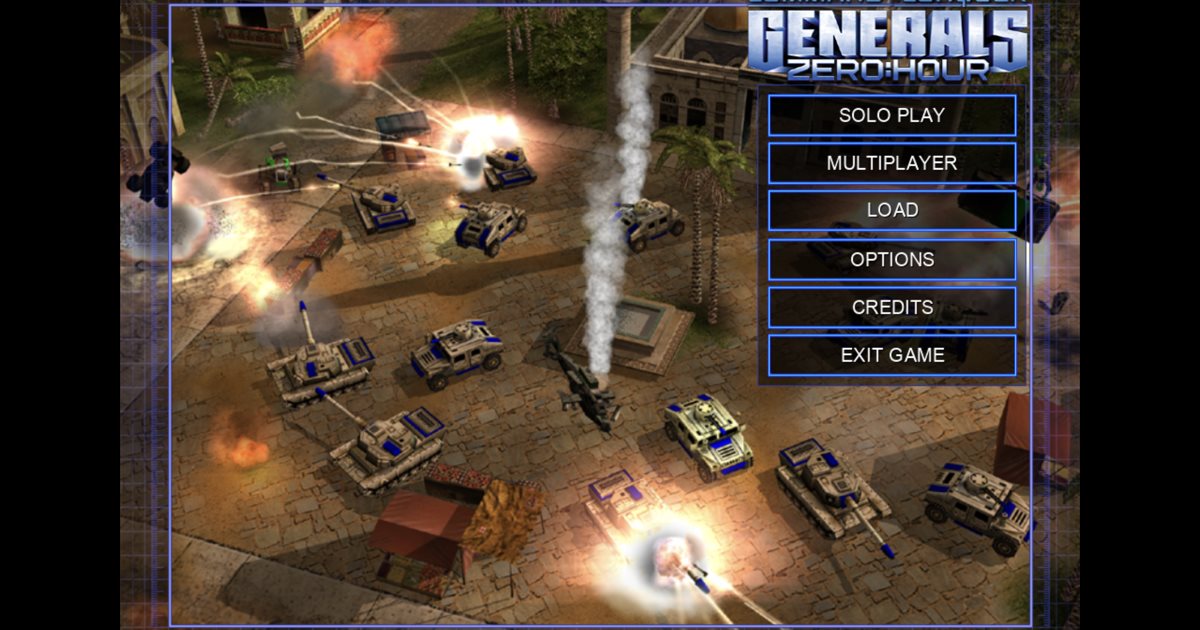 Command & Conquer: Generals Zero HourCommand & Conquer · EA's source release compiled to WebAssembly + WebGPU (GeneralsX Web)
PC
OWN FILES
PLAY
 Command & Conquer: Red Alert 2Command & Conquer · Browser recreation of the Red Alert 2 engine (Chrono Divide)
PC
UNKNOWN
PLAY
 Grand Theft Auto: Vice CityGrand Theft Auto · Decompilation (reVC) to WebAssembly
PC
UNKNOWN
PLAY
 Halo: Combat EvolvedHalo · Decompilation to WebAssembly
Xbox
OWN FILES
PLAY
 Pro Evolution Soccer 6Pro Evolution Soccer · Browser port
PC
UNKNOWN
PLAY
 Quake IIQuake · Source port in the browser (WebAssembly)
PC
UNKNOWN
PLAY
 Star Wars Jedi Knight: Jedi AcademyStar Wars · OpenJK compiled to WebAssembly
PC
OWN FILES
PLAY
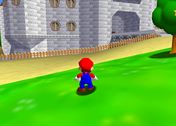 Super Mario 64 MultiplayerMario · Browser multiplayer built on sm64coopdx and sm64ex
Nintendo 64
UNKNOWN
PLAY
 Grand Theft Auto IIIGTA · Browser port on the re3 reverse-engineered engine (per the listing)
PC
UNKNOWN
PLAY
 LEGO IslandLEGO · Decompilation (isledecomp) ported to WebAssembly with Emscripten
PC
UNKNOWN
PLAY
 Super Mario 64Mario · Decompilation to WebAssembly / JavaScript
N64
OWN FILES
 Grand Theft Auto VGrand Theft Auto · Unofficial AI-assisted WebAssembly port
PC
UNKNOWN
PLAY
 Half-Life (pixelsuft)Half-Life · Engine reimplementation
PC
UNKNOWN
PLAY
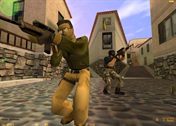 Half-Life and Counter-Strike 1.6 (WebXash)Half-Life · Engine reimplementation (Xash3D)
PC
OWN FILES
PLAY
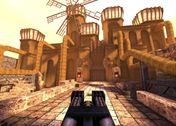 NetQuake.ioQuake · WebQuake engine in the browser
PC
UNKNOWN
PLAY
 Urban TerrorQuake · Source port (ioquake3-based, WebAssembly)
PC
UNKNOWN
PLAY
 Ratchet & Clank (PC port)Ratchet & Clank · PC port
PS2
UNKNOWN
PLAY
Fans take a finished game apart, work out how it runs, and rebuild it so it works somewhere new, like a browser tab. Some projects start from the original program and recover its code (decompiling), some translate it into code that modern machines can build (recompiling), and some write a fresh engine that reads the original game files. The result is a version that opens from a link, with nothing to install.
Recompiling is also how console games reach new machines: tools translate PlayStation 2, PlayStation 3 or Xbox 360 code into C or C++, which then builds for a PC or, through WebAssembly, for a browser. Rebuilt games often gain things the original never had, like widescreen, higher resolutions, unlocked frame rates or online play. Quality varies a lot: some projects are complete and polished, others are early builds where only the first levels run.
The list shows where to play each one, what it needs from you (often game files from your own copy), whether it has multiplayer, who built it, and whether the link still works. Each game has its own page with the details on the original and on the port.
Most browser ports draw with WebGL or WebGPU, which runs on the graphics card. With graphics acceleration switched off, the browser falls back to drawing on the processor and the frame rate drops sharply. Battery-saver mode, a laptop running on its weaker built-in graphics, and many open tabs slow things down too.
To turn graphics acceleration on in Chrome:
chrome://settings/system into the address bar.chrome://gpu. WebGL should say “Hardware accelerated”.Games are protected by copyright, and so are their code, art, music and characters. Taking a game apart and rebuilding it can copy protected code, and putting the result online may infringe even when the port ships no game files. Projects that include or stream a game’s assets, or that rebuild a current commercial game, carry the most risk. Ports that need your own copy of the game, or that use an engine its owner released as open source, are on firmer ground, but the game’s data still belongs to its owners. How reverse engineering is treated differs between countries, and much of it has not been tested in court.