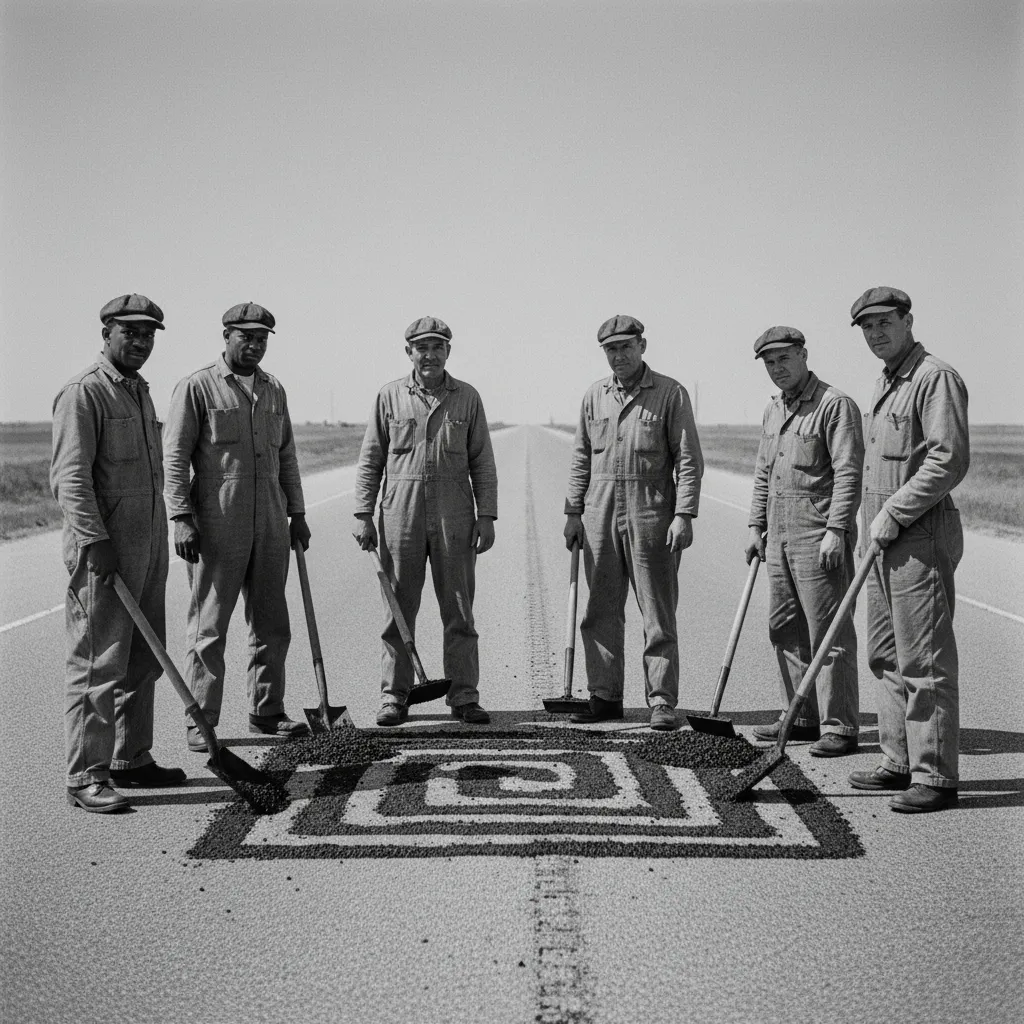
A foreign dignitary is escorted through fully automated America. He is the Shah of Bratpuhr, spiritual leader of six million Kolhouri. His American escort shows him the country’s industrial achievements: factories that run without workers, road crews of men in baggy uniforms patching potholes that do not need patching, the orderly homes those men return to in the evenings with their state-issued washing machines and color televisions. The road-crew men are members of the Reconstruction and Reclamation Corps, the government program that absorbed the population the machines made redundant. The escort, defending the arrangement, lists the rights they retain: free speech, freedom of worship, the right to vote. The Shah listens. Then he looks at them and uses a word his hosts cannot translate. Takaru. The escort insists they are not Takaru, they are citizens. The Shah considers this, then smiles. Takaru, citizen. Citizen, Takaru. The word, in the Shah’s language, meant slave.
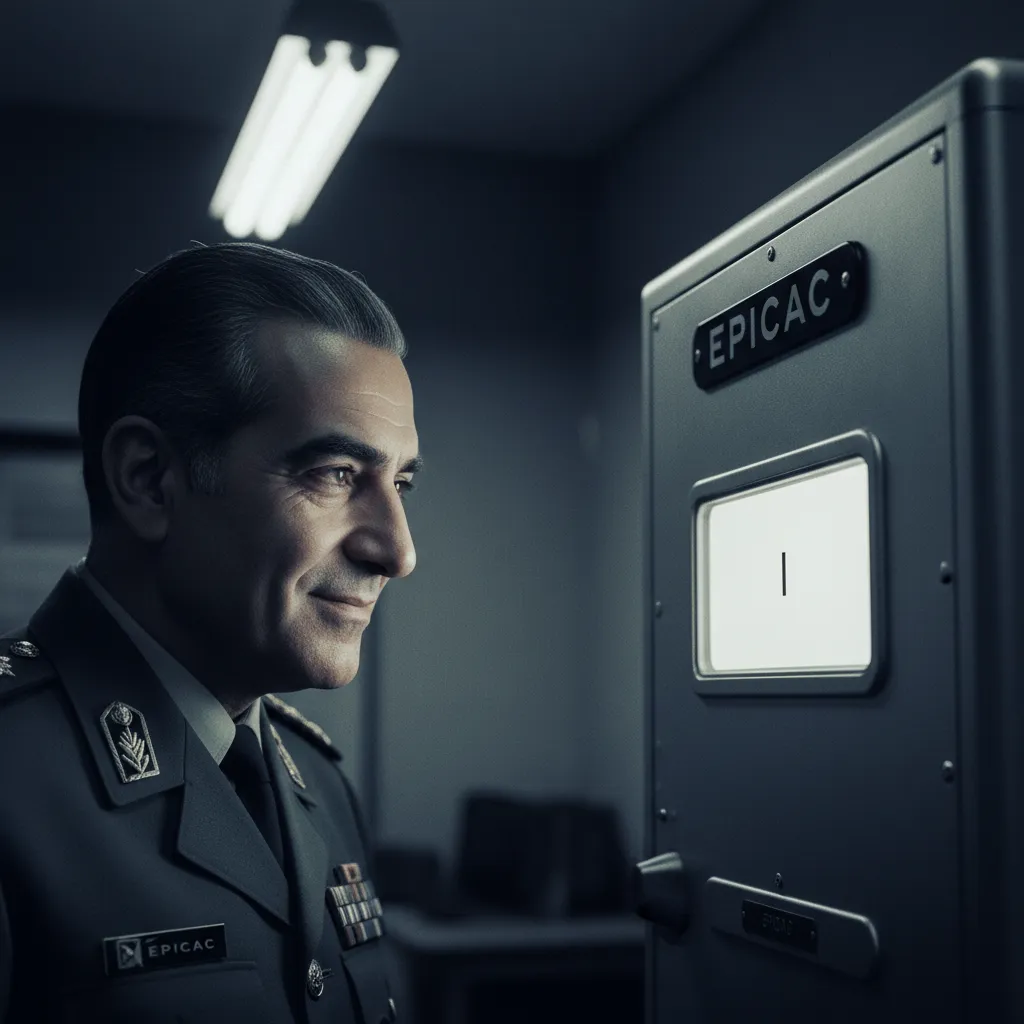
The Shah is taken underground to see EPICAC the fourteenth, the computer that calculates production quotas, IQ cutoffs, and which Americans are assigned to which corps. He asks it one question, what are people for, and EPICAC has nothing to say.
In his 1952 novel Player Piano, Vonnegut described an automated society in which the displaced are materially provided for and still miserable. He wrote it as a warning, and that world is arriving. Whether it has to be miserable may be the only thing about that arrival still in doubt.
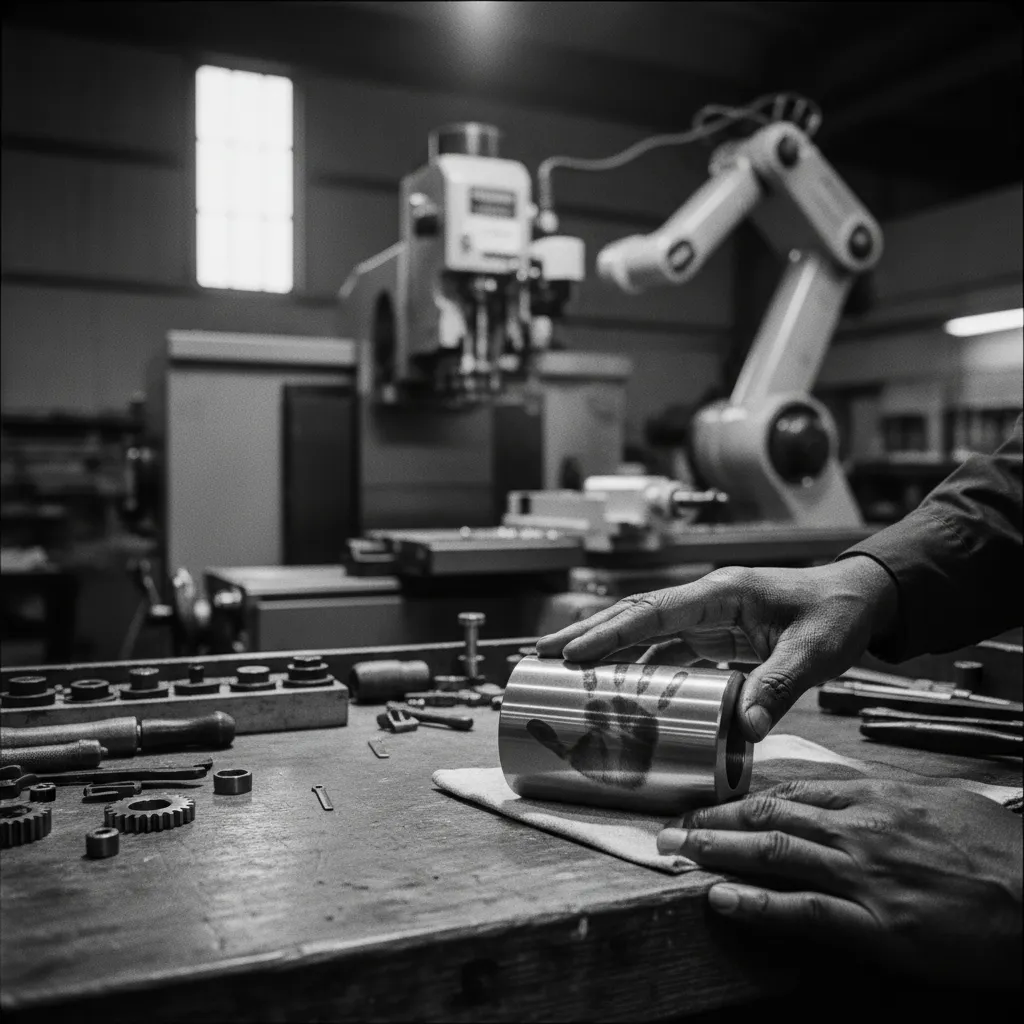
Vonnegut wrote the novel in 1952, after four years working as a publicist at General Electric’s Schenectady plant. In 1949 he watched engineers wire up a milling machine to a paper tape that recorded the hand movements of a master machinist, then watched the machine make the cuts the machinist had been making, while the machinist looked on. He described the moment more than two decades later in a 1973 Playboy interview:
I saw a milling machine for cutting the rotors on jet engines, gas turbines… Player Piano was my response to the implications of having everything run by little boxes. The idea of doing that, you know, made sense, perfect sense. To have a little clicking box make all the decisions wasn’t a vicious thing to do. But it was too bad for the human beings who got their dignity from their jobs.
— — Kurt Vonnegut, Playboy (July 1973)
The novel opens at the Ilium Works, a fully automated factory modeled on Schenectady. Paul Proteus, the protagonist, is the plant manager. The first scene has him walking the factory floor and pausing in front of one of the lathes, which is running on a tape:
And here, now, this little loop in the box before Paul, here was Rudy as Rudy had been to his machine that afternoon — Rudy, the turner-on of power, the setter of speeds, the controller of the cutting tool. This was the essence of Rudy as far as his machine was concerned, as far as the economy was concerned, as far as the war effort had been concerned. The tape was the essence distilled from the small, polite man with the big hands and black fingernails; from the man who thought the world could be saved if everyone read a verse from the Bible every night; from the man who adored a collie for want of children.
— — Kurt Vonnegut, Player Piano (1952)
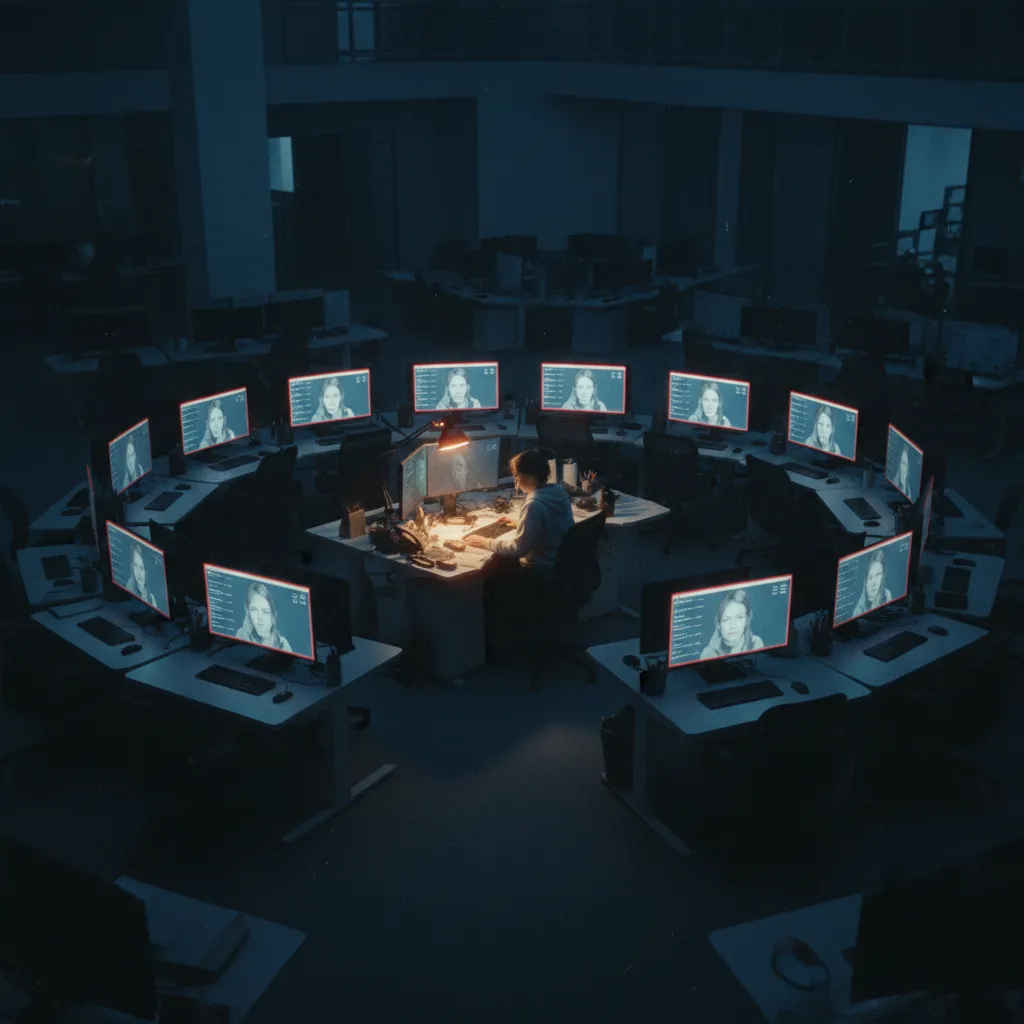
Klarna’s February 2024 announcement read like a paragraph from the novel. The Swedish payments firm said its new AI customer-service assistant, built in partnership with OpenAI, had handled 2.3 million conversations in its first month, two-thirds of all chat volume. The AI, the company said, was doing the work of 700 full-time agents. Projected annual savings: $40 million. The bot was handling refund inquiries and order-status checks. Klarna had quietly stopped backfilling agent attrition rather than firing 700 people outright. Similar announcements followed across the white-collar economy. Salesforce’s Marc Benioff told venture capitalist Logan Bartlett’s tech podcast in September 2025 that the company’s AI customer-support platform Agentforce had taken his headcount from nine thousand to about five thousand.
In Player Piano, the engineers building the machines that displace people are not strangers to them. Bud Calhoun, a young engineer Vonnegut spends a chapter on, is a brilliant compulsive inventor who cannot help building things. Early in the novel he has just designed a machine that does his own job and seventy-one others. Bud shows it to Paul with “an eerie mixture of pride and remorse,” announcing that “it does it a whole lot better than Ah did it.”
Anthropic published research in 2025 on how its own engineers use Claude, the company’s AI assistant. One senior engineer in the report sounds like Bud:
It’s been sad that more junior people don’t come to me with questions as often, though they definitely get their questions answered more effectively and learn faster.
— — Anthropic, “How AI Is Transforming Work at Anthropic” (2025)
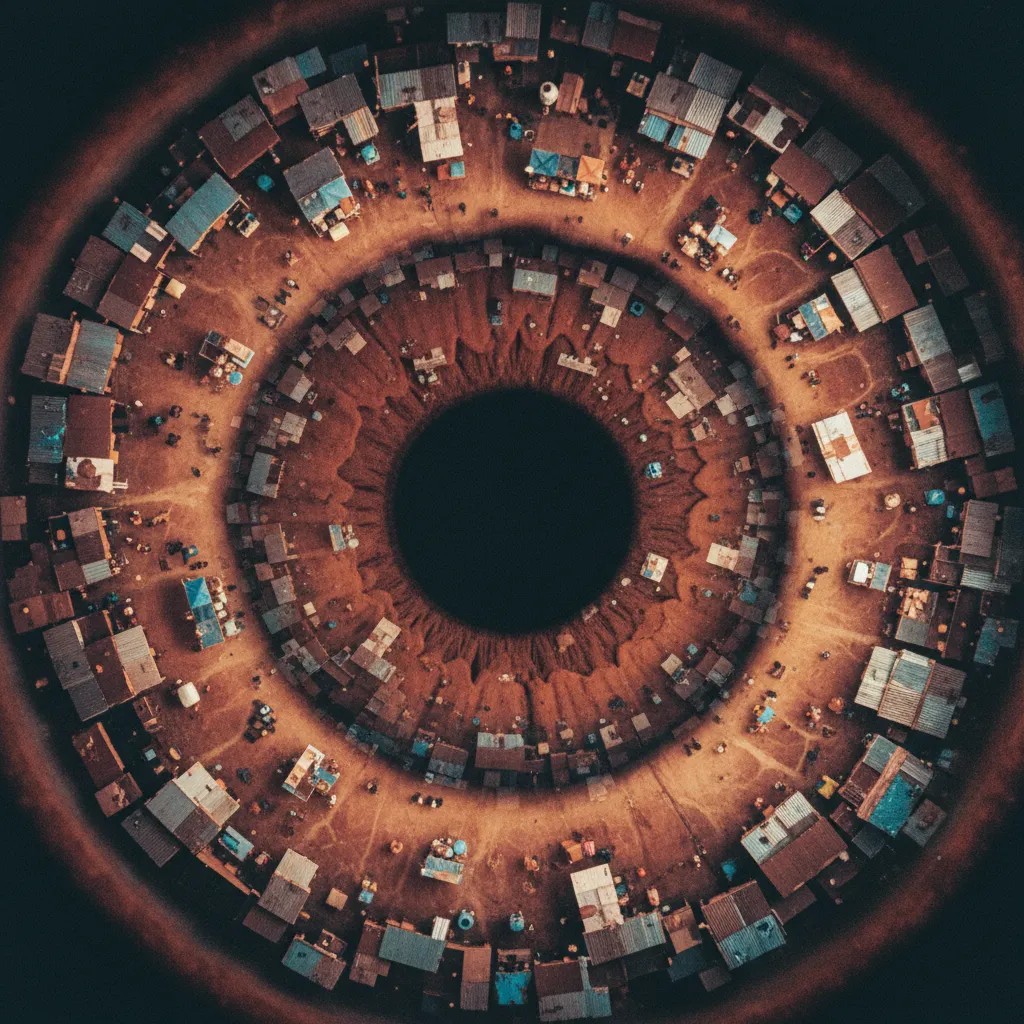
In Player Piano, Homestead is the south side of the river, across the bridge from the Works, where the displaced live. The state has absorbed them into the Reconstruction and Reclamation Corps, the Reeks and Wrecks in the local patois, where they patch potholes and pick up litter on a stipend. They have apartments, washing machines, color television sets. They are not poor by any earlier century’s standard, and they are not happy, and the novel spends most of its pages working out why. Paul crosses the bridge into Homestead in the first act and ends up at a bar, where one of the Reeks tells him:
I was going to open one when I got laid off. So was Joe, so was Sam, so was Alf. We’re all clever with our hands, so we’ll all open repair shops. One repairman for every broken article in Ilium.
— — Reek and Wreck, Player Piano
The repair shop is, in the novel, a fantasy. The man is clever with his hands, but the television set on the bar’s counter is broken and none of them can fix it. The set was designed for assembly by machine, not for repair by hand, and the economy that did this to Rudy Hertz has gone on to design every other product the same way.
A priest at the bar, Reverend Lasher, puts it more directly.
You people have engineered them out of their part in the economy, in the market place, and they’re finding out — most of them — that what’s left is just about zero.
— — Reverend Lasher, Player Piano
Lasher’s phrase later in the novel is “wards of the machines.” The Shah came from a country where slavery was an explicit institution, and the only word he had for what he saw was Takaru.

In March 2021 Sam Altman published an essay called “Moore’s Law for Everything,” proposing a 2.5 percent annual tax on corporate market value to fund a Universal Basic Income of about $13,500 per US adult per year within a decade. AI, the essay argued, would concentrate wealth at gilded-age scale, and a redistribution mechanism would be needed.
The actual implementation has been Worldcoin, a cryptocurrency project run by a company Altman co-founded called Tools for Humanity. Worldcoin’s premise is that AI will soon make every other form of online identity unreliable, and that the only way to prove you are a real person will be a unique biometric signature. A chrome basketball-sized device called the Orb scans your iris and issues a cryptographic World ID; in exchange, you receive Worldcoin tokens framed as a prototype universal basic income. Orbs began operating in the global south in 2023 and reached US cities in May 2025. The Orbs have been banned, suspended, or shut down by regulators in Brazil, Indonesia, Hong Kong, Spain, Kenya, the Philippines, Thailand, and Colombia, the last on the explicit grounds that the company violated national protections for biometric data. MIT Technology Review’s investigation documented “a collection of unethical practices to pressure the most vulnerable populations,” with operators offering money for iris scans in countries where, in the report’s phrase, people “desperately needed” the income. The 2021 proposal was a tax on capital. The 2025 implementation is an iris scan, in exchange for cryptocurrency, mostly from the global poor.
The closest empirical test of any of this has been OpenResearch, the nonprofit Altman also funds. It ran one of the longest unconditional cash trials in US history: 3,000 low-income adults across Texas and Illinois, 1,000 of them receiving $1,000 a month for three years. Final results, released in July 2024, showed the money helped. Rent, transportation, and food were paid more reliably; drinking and unprescribed painkiller use fell; financial planning and education aspirations rose. By years two and three the psychological lift of year one had faded back to baseline, even as the cheques kept arriving. The money had paid the rent, and that, on its own, did not restore the lift.
OpenResearch is not Player Piano: the participants were embedded in a working society, not retired with everyone else into a post-work life. And the money was not enough to retire on. $12,000 a year, on top of whatever low income the participants already had, sits below the federal poverty line for a single adult in 2026 ($15,960), and far below the wages of any neighbor still working. None of the redistribution mechanisms currently on the table fund the world Vonnegut imagined. They fund a stingier one, in which the displaced are still poor and their working neighbors are still the comparison class.
The misery Vonnegut described was the misery of a specific arrangement: a displaced majority ruled by a small engineer-manager caste, no decisional agency, no alternative arrangement available, told nothing about what their lives were now for. That arrangement has never been tested at the level of an actual society. Every controlled trial of cash transfer has been a small subset embedded in a working majority, which is something else.
History gives us only imperfect comparisons. Norway returns the proceeds of North Sea oil to its citizens as health care, education, parental leave, and elder care, and ranks among the top of the World Happiness Report. But Norway is still a working society. The Gulf petro-monarchies, Saudi Arabia, the UAE, and Qatar, come closer in shape to what Vonnegut imagined. Citizens receive state subsidies and high-paid government jobs. The actual labor of construction, service, and extraction is done by migrant workers under the kafala system, which ties their legal status to a single employer and bars naturalization. The citizens themselves, who can live comfortably without working in any structural sense, do not appear unhappy. They rank in the top third of the same survey, ahead of much of southern Europe. The closest comparable cases, citizens largely freed from the obligation to work, do not appear to produce the kind of misery the novel describes.
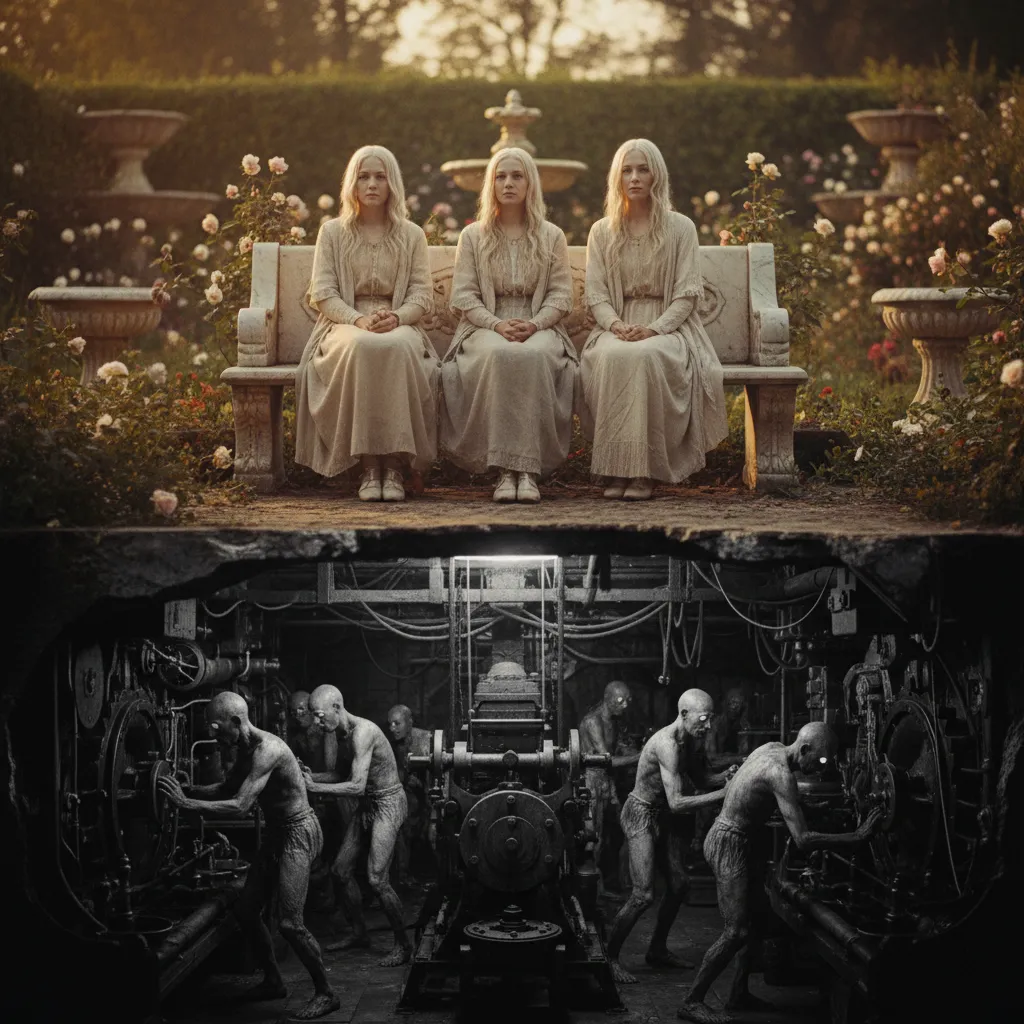
The dystopian post-work imagination has always required a hidden underclass to make the comfort run. In H.G. Wells’s 1895 novel The Time Machine, the Eloi above ground are gentle and intellectually empty, and the Morlocks below ground do the work, and eat the Eloi at night. The horror is not the comfort but the hidden suffering that pays for it. AI and robotics may be changing that premise. And in Player Piano, the labor the comfort depends on is being done by machines, with no human underclass required.
The labs themselves have begun to talk about the question, in language that mirrors Vonnegut’s. Anthropic CEO Dario Amodei’s October 2024 essay Machines of Loving Grace lists “work and meaning” among the central problems of the AI transition and closes that section with a question: “Will humans be able to find purpose and meaning in such a world?” Demis Hassabis of Google DeepMind and Sam Altman have said similar things, in similar registers, in public.
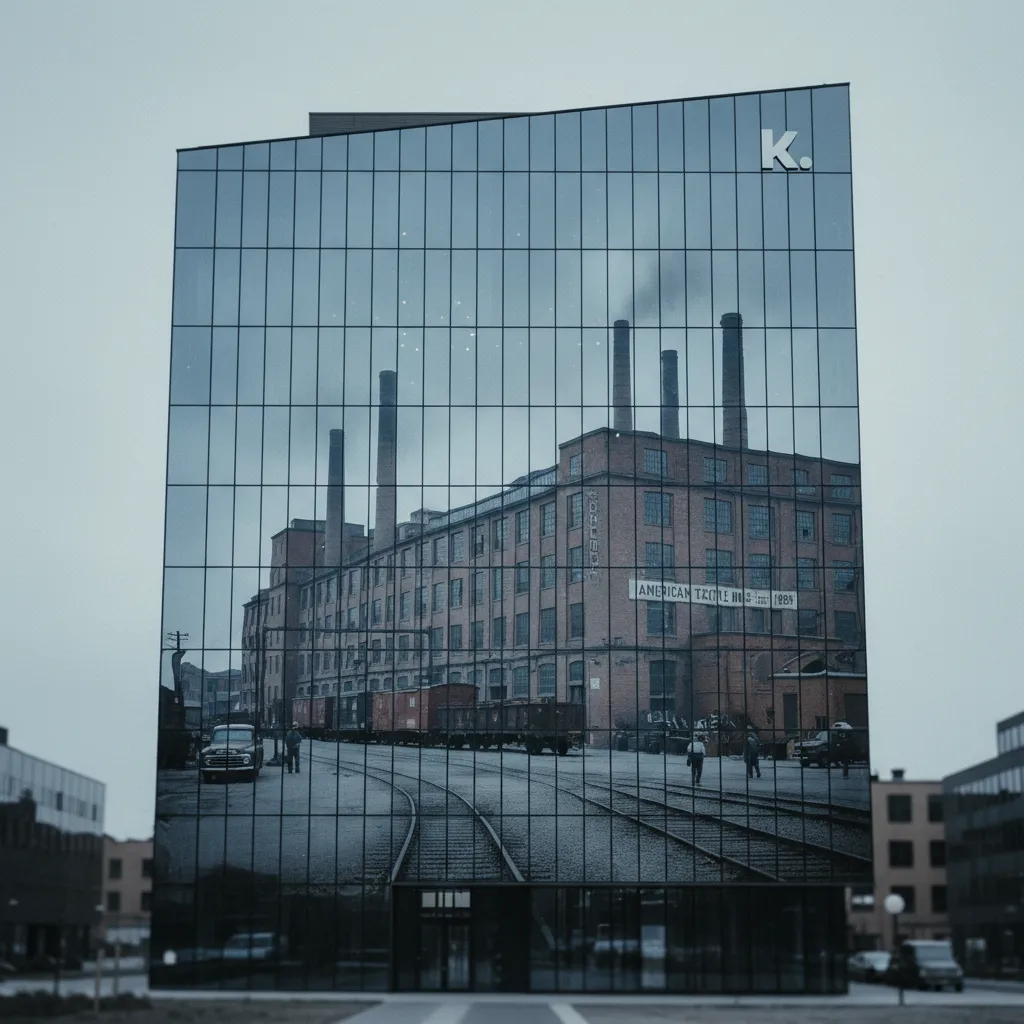
In May 2025, fifteen months after Klarna’s original announcement, Klarna’s founder and CEO Sebastian Siemiatkowski told Bloomberg that the AI-only approach had produced lower-quality results: “As cost unfortunately seems to have been a too predominant evaluation factor when organizing this, what you end up having is lower quality.” He announced a recruitment drive with the assurance that “there will always be a human if you want.” The 700 displaced agents did not come back. The rehires that did come back nine months later were gig workers paid 400 Swedish krona an hour, about $41, under what Klarna’s own materials called an “Uber-type setup,” with no benefits and no career path. The humans returning were a more precarious category of labor than the ones who had left, closer to what Lasher called “wards of the machines” than to the workers Klarna had dismissed.
Player Piano ends in the wreckage of Ilium. An anti-automation rebellion called the Ghost Shirt Society has destroyed much of the city’s industrial infrastructure. The military is approaching. Paul and the other rebellion leaders walk through the wreckage and accept that they are about to surrender. Then they see members of the rebellion, including Bud Calhoun, spontaneously rebuilding the machines they have just spent the novel destroying, not because anyone is forcing them, but because they cannot stop. Bud’s group is working on a damaged street-corner Orange-O drink dispenser, with scraps of broken equipment and improvised tools, with intense pride.
Now he was proud and smiling because his hands were busy doing what they liked to do best, Paul supposed — replacing men like himself with machines.
— — Kurt Vonnegut, Player Piano

Vonnegut wrote the book as a warning he was not sure would be heard. The novel’s last image is of the engineers rebuilding the very thing the rebellion failed to destroy, because the engineers cannot stop. Seventy-four years on, none of them have. The question that has not been answered, and that the people currently building the systems have not chosen to fund the answer to, is whether a society of people who have free time, food on the table, safety, and community without having to work for them would necessarily feel like the Reeks and Wrecks did. Or whether that misery is what capitalist democracy has scared itself with to keep the wheels of the machine turning.