

[HOW TO PLAY]
[START THE DEBUGGER]
The cards have 54 small programs, illustrating various low level concepts such as:
- fetch execute cycle
- instruction arguments
- variables
- pointers
- self modifying programs
- self corrupting programs
- self referencing code
- integer overflows and underflows
- control flow and addressable memory
- code is data
- data ia code
- debugging


- print on a4: list of all 55 cards, shrinked to width=25% so that they printable on 7 sheets of a4 paper (landscape, no margins)
- code: 4917
- author: github.com/jackdoe
- co author: Jackie
- contact: b0000@fastmail.com
- license: CC BY 4.0
The game is based on Richard Buckland's 4 bit computer
Note: When you play with your kid, install x64dbg and show them the actual machine code of a program as it is being executed. Another thing that is really helpful is if you write a small C program that does somewhat the same thing as a specific card to illustrate it better.
Also check out the other game we made:
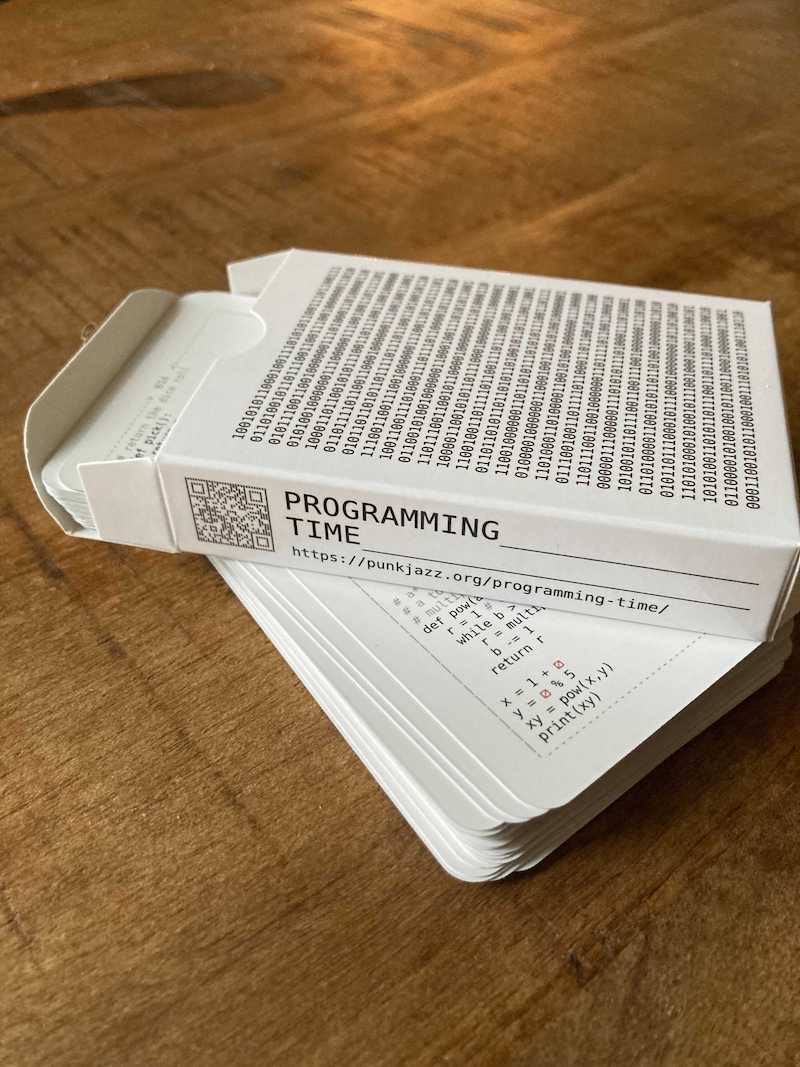 Programming Time, which is a game to teach python and some more fundamental algorithms, from hash tables to RSA
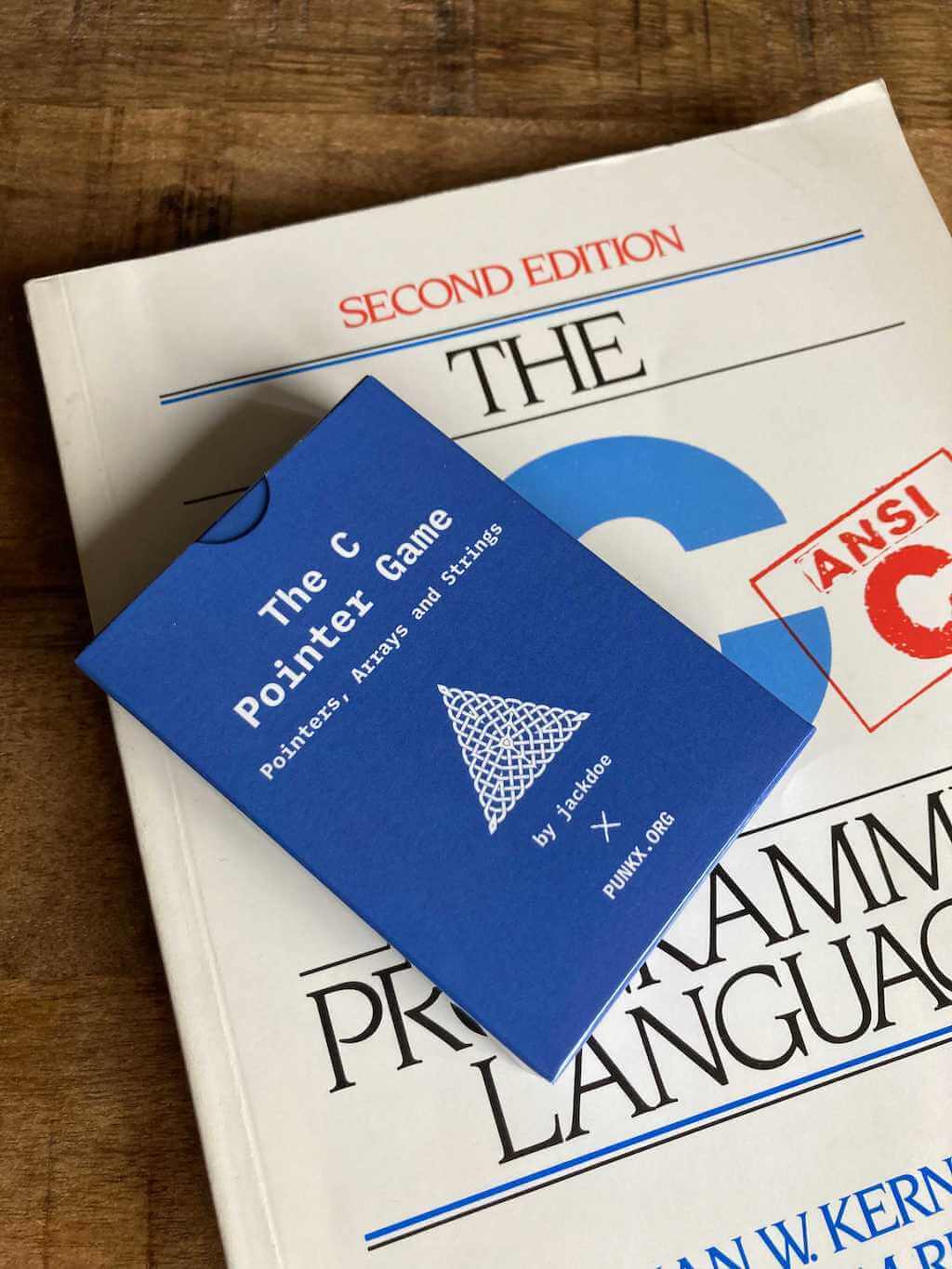 The C Pointer Game - Pointers, Arrays and Strings, a game to teach kids to look at the computer memory and understand references and values
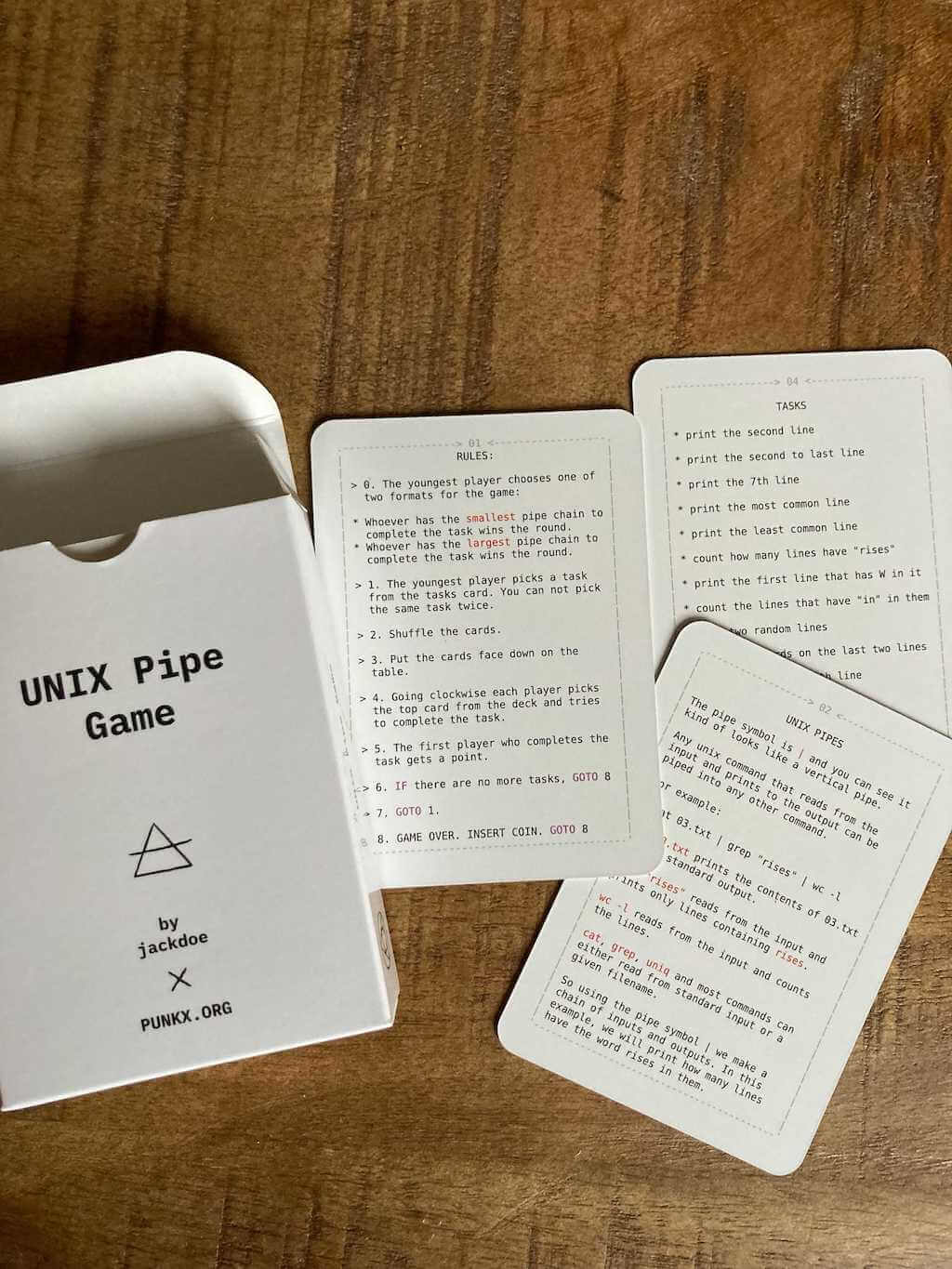 The Unix Pipes Game, a game to teach kids to use basic UNIX commands:
 cat, sort, grep, head, tail, wc, uniq
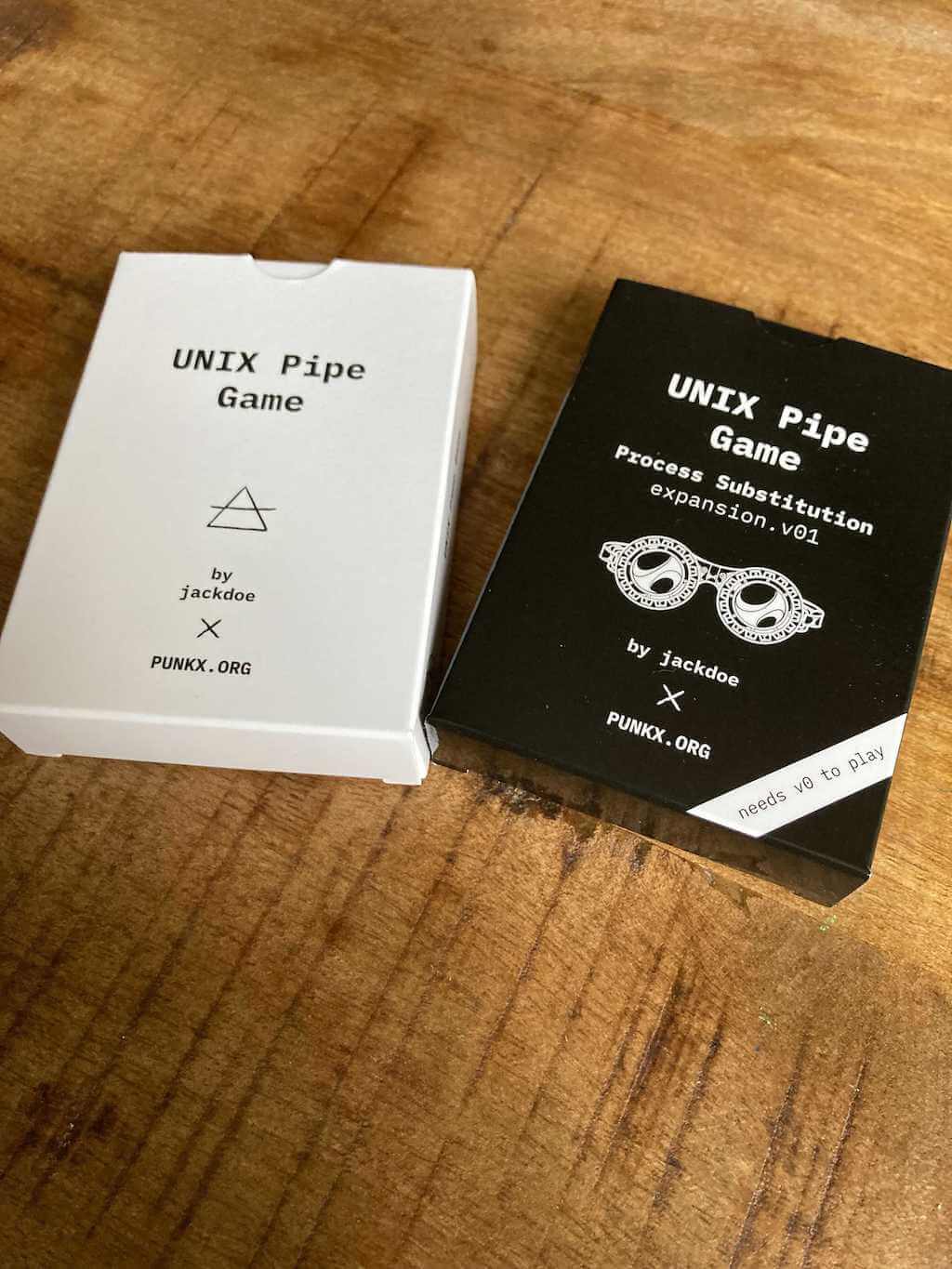 The Unix Pipes Game - Process Substitution, an expansion of the Unix Pipes Game to teach process substitution and also:
 paste, tr, cut, bc
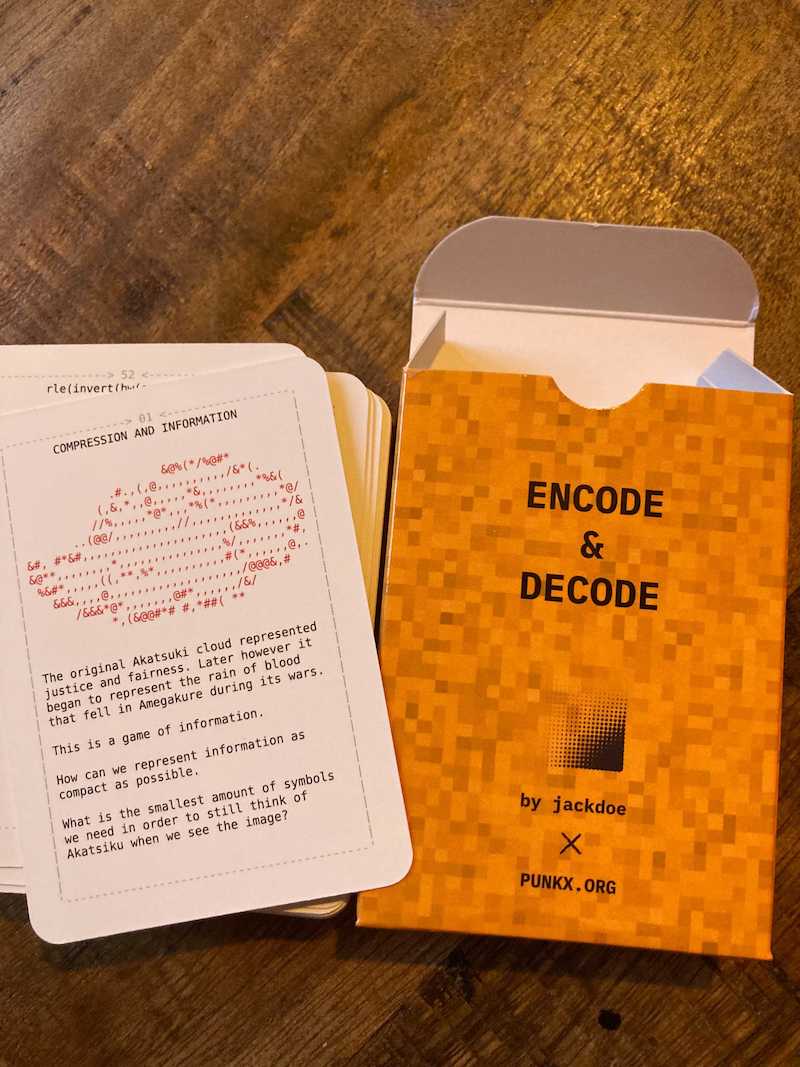 RunLength Encoding for Kids, small cards "game" to explain runlength encoding
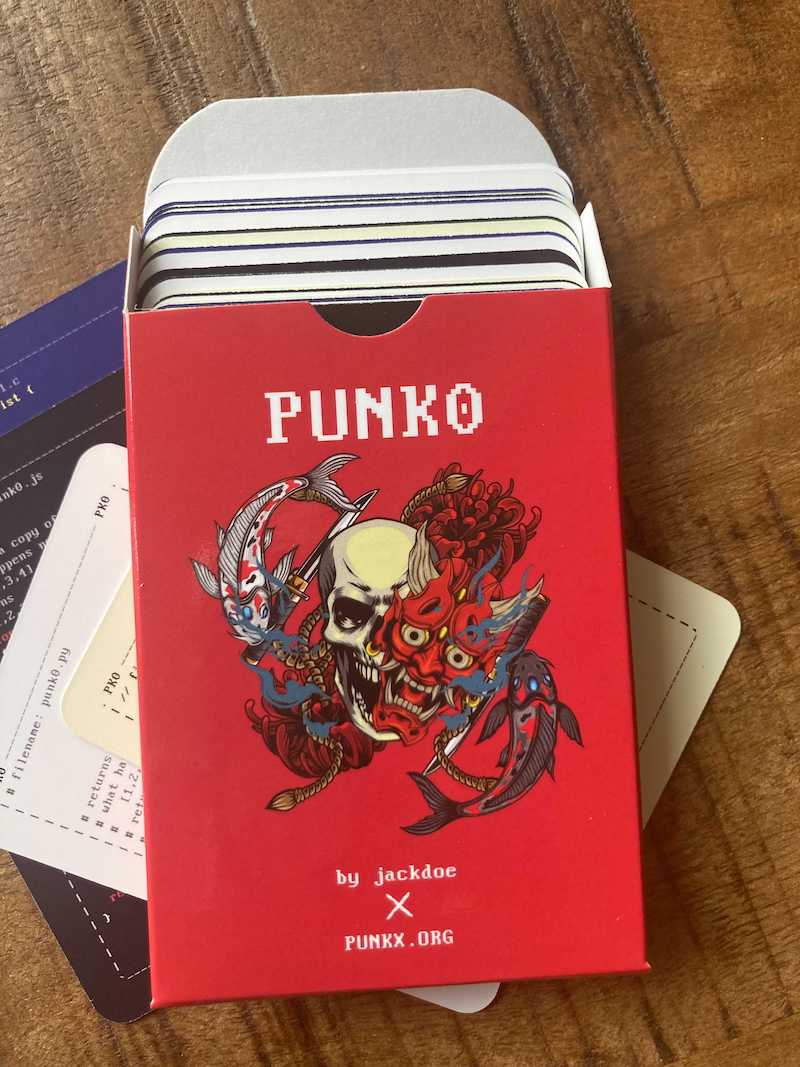 PUNK0 - The Function Composition Card Game, use cards to manipulate a list and use its values to win the game
 PROJEKT: OVERFLOW, RISCV assembler boardgame
 Programming for kids, a log of my journey of teaching my daughter how to code
Example cards (6 out of 55):


Bugs: