Remember the scene from the Matrix where Morpheus fights Neo in a virtual dojo? Keanu Reeves as Neo opens his eyes and says that iconic line “I know kung fu”.
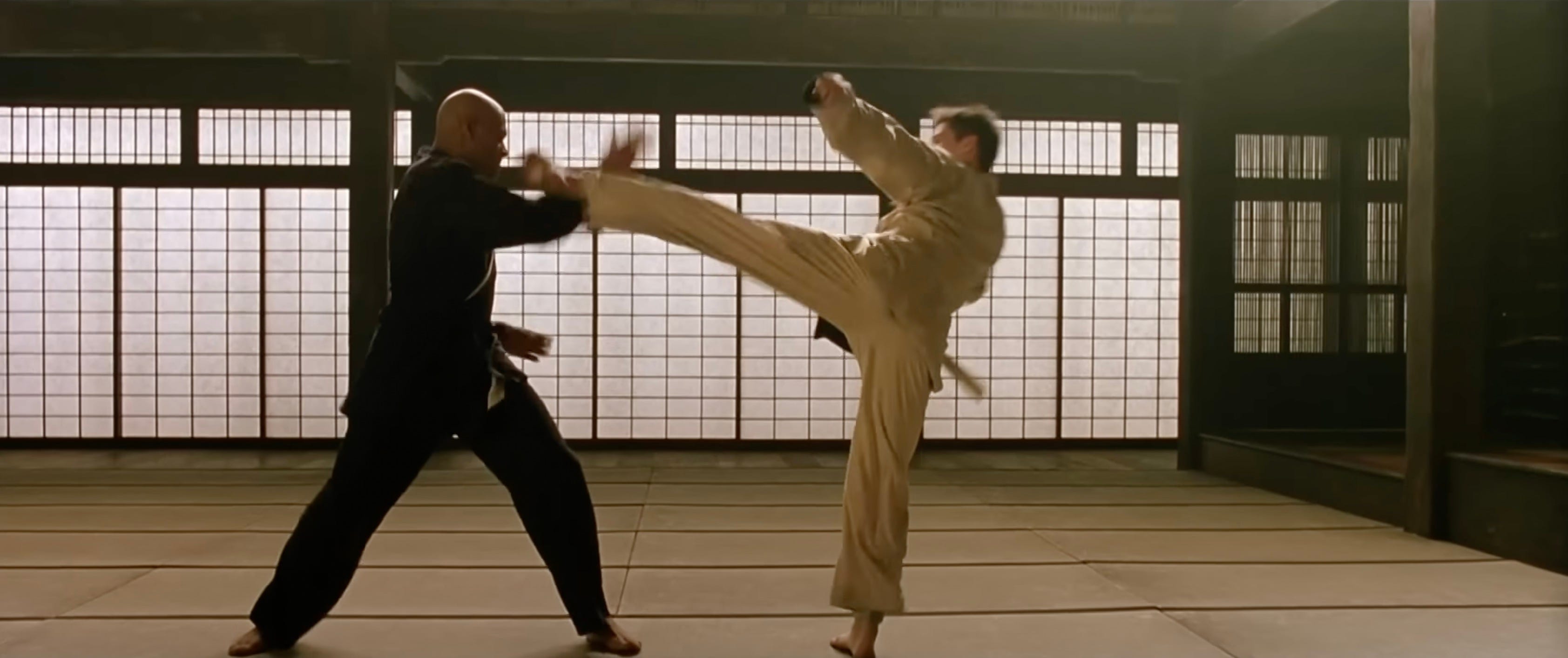

They fought in simulation, but the skills they acquired transferred to reality. Could we build simulators to teach skills to artificial minds?
As a kid, I loved computer games, especially simulators like SimCity 2000 and Civilization II. I grew up believing we would build realistic simulators for nearly everything. Physicists and engineers can simulate good chunks of reality and simulators have become crucial tools for them. In fact, modern aerospace engineering would be virtually impossible without simulators.
But we never got realistic behavioral simulators. SimCity remained just a video game.
Where is SimCity for real life?
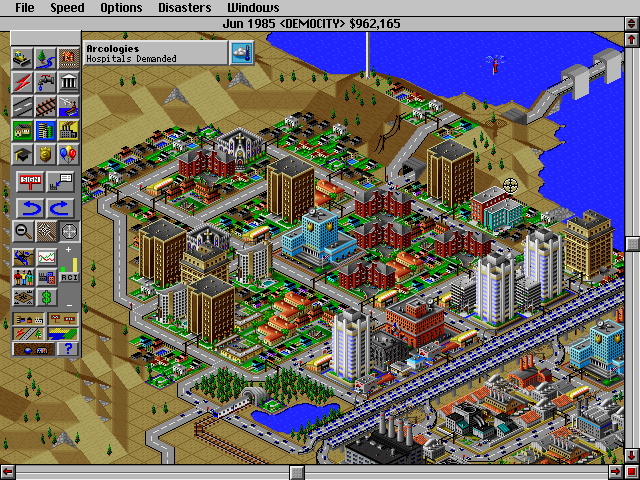
We didn’t get SimCity for real life because building it would have required us to write down the rules of the game, and complex systems like human societies don’t have clear rules. There are patterns, but they are nuanced and stochastic. They are difficult to write down in an equation.
But today, we have another path.
Large transformer models – the same technology behind LLMs – can be extended beyond language to learn other sequential patterns, like human behavior. Instead of tackling the “hard” problem – writing down the equations that govern human behavior – we can tackle an easier problem – train a large AI model on real behavior, and then use it to generate hyper-realistic simulations.
We can run the pattern instead of playing by the rules.
Arena is building SimCity for the real world, starting with customer simulators. Users can access the simulator directly, as a “what if” machine, to understand how demand for a new product will look, or how people may react to a new product launch, a new marketing message, or a price change.
But we are not just building this for human users.
We are using the same simulators to train the first generation of specialized AI agents. For Consumer Goods, this includes AI revenue managers, AI trade promotion managers, AI inventory managers and more.
Here’s a short video that explains how AI agents learn from AI-generated simulations.