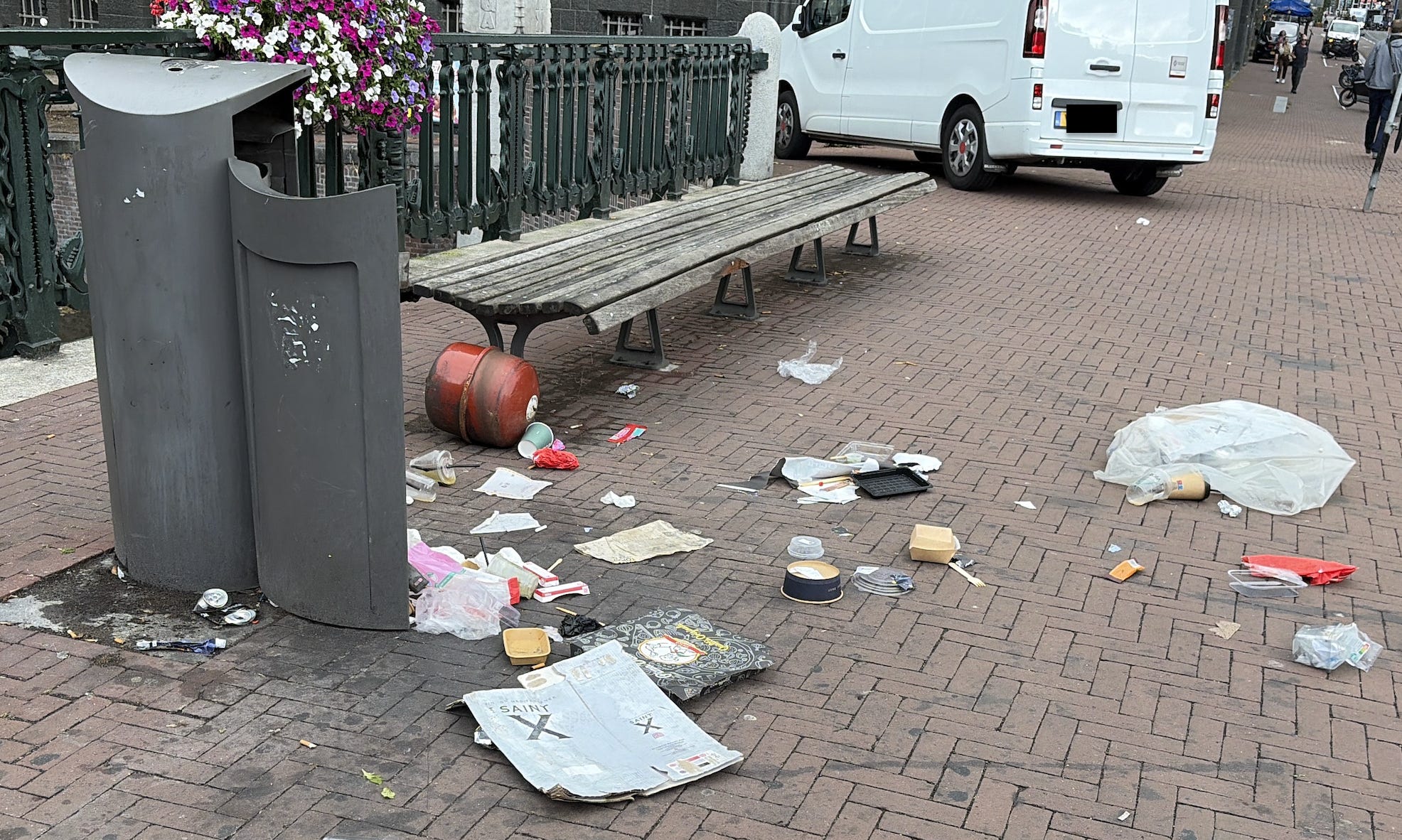
Why is there litter on the streets? Some common-sense explanations that come to mind:
careless people throw it
the municipality does not clean it up
there aren’t enough rubbish bins
smokers dump cigarette butts
Some less obvious explanations, more specific to the Netherlands, where I live:
Litter is left by the underground containers, because they are full and then seagulls rip the bags apart1
Homeless people dumpster-dive to retrieve cans and bottles that they can return and get the deposit2
Big events like King’s Day and New Year’s Eve leave litter on the street3
It is also a topic of national debate4 and has been for quite some time5 but if anything it has only got worse lately.
There are many approaches to dealing with the problem, some pointing to the source of the trash, other focusing on better infrastructure and municipal services others still organising locally into volunteer groups to clean up their own neighbourhoods and parks. I want to focus on something that is close to my own interest and profession as a techie: the data aspect of it.
It turns out that if you report litter on the street my local municipality actually cleans it up. The page to report it worked for me6. Most people won’t use it, there is even a free service of picking up bulky trash, I use it often, but some people will still dump their rubbish on the street when moving out and won’t call the services, bystanders won’t call them either.
Aside from the official reporting website which I assume is used by a small number of people and likely just for the most egregious littering incidents, there are also mobile apps like Litterati or OpenLitterMap. Unlike municipality ran websites/apps these apps have global reach and ambition. While reporting litter via your municipality gets you the benefit of your street getting cleaned up, with apps like Litterati you are supposed to pick it up yourself before submission. Why would you contribute to Litterati then?
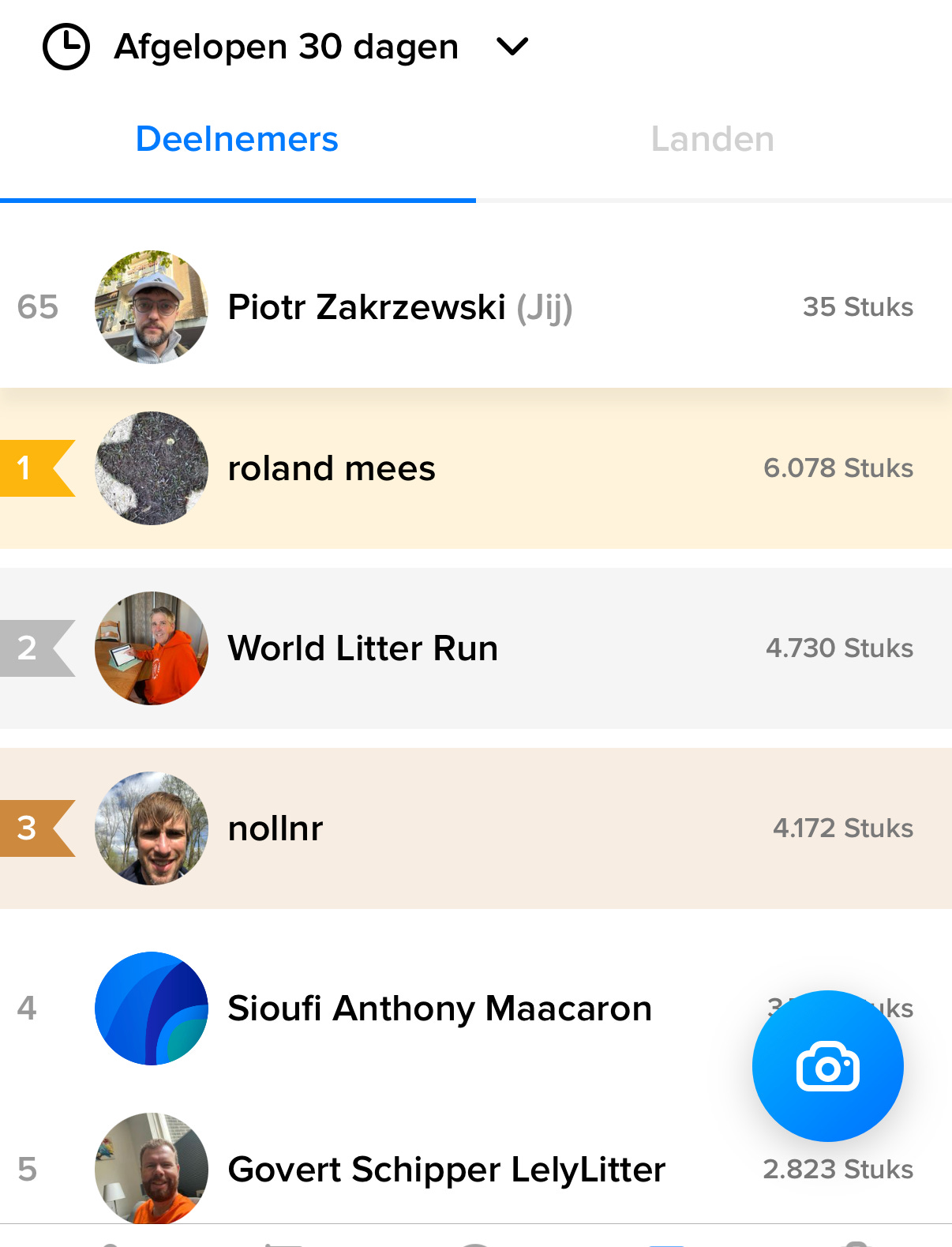
These apps, especially Litterati are significantly more sleek and easy to use than government ran ones, one reason would be: they are easier. Had Litterati found a way to share their data with all the municipalities the app is available in - then it would be a better interface, added bonus that I could use the same app in Berlin when visiting, same in Amsterdam where I work and The Hague where I live.
When I dug into it, it turns out, these apps do attempt to share data with local governments but its purpose isn’t immediate cleanup. It is building open datasets that can help make better decisions and planning about waste management.
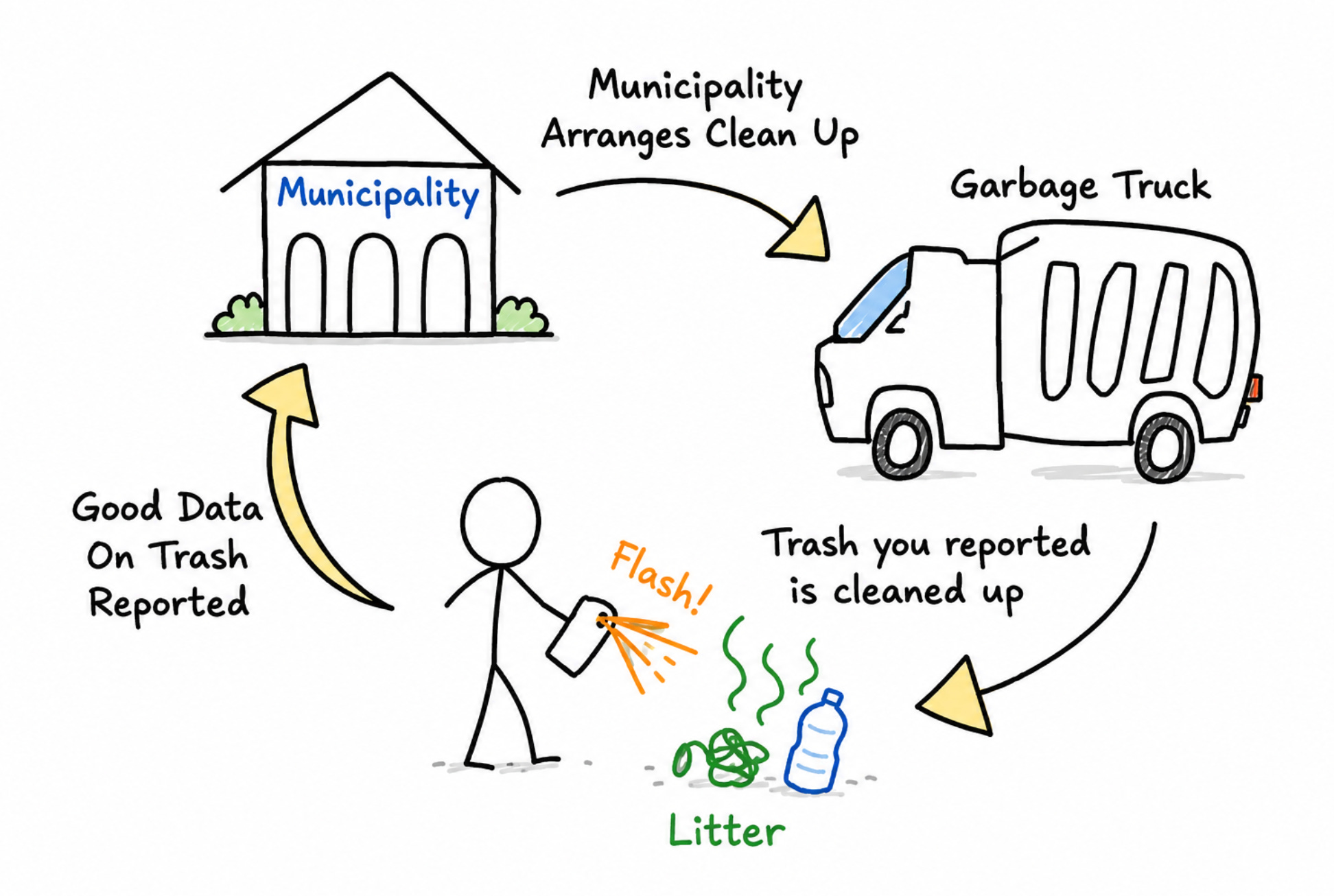
After using both the municipality’s app (tiresome, but it gets the litter cleaned up) and Litterati (sleek and easy, but with less obvious impact), I wondered: couldn’t the two be combined? Imagine taking a quick photo on your way to work instead of filling in a confusing three-step form. The same app could work anywhere in the country, sending reports to local cleanup crews while building a dataset for other uses.
But even if such an app existed, how would you persuade people to report litter in the first place?