Switzerland is one of the few countries in the world where the market share of iOS devices is higher than the market share of Android devices. When I enjoy the services of the excellent public transport system here, it is often common that I am the only person withing the carriage who doesn’t have little white tubes sticking out of my ears.
The rhythm of this audio revolution has caught me by surprise. Headphone audio entertainment on-the-go has been commonly available ever since Sony’s legendary Walkman, but the prevalence has not been as high as it is after Apple managed to push the rotten Bluetooth standard to the masses. As usual, the whole industry followed suit. The sudden jump in the popularity of formats like audiobooks and podcasts has been a real surprise twist.
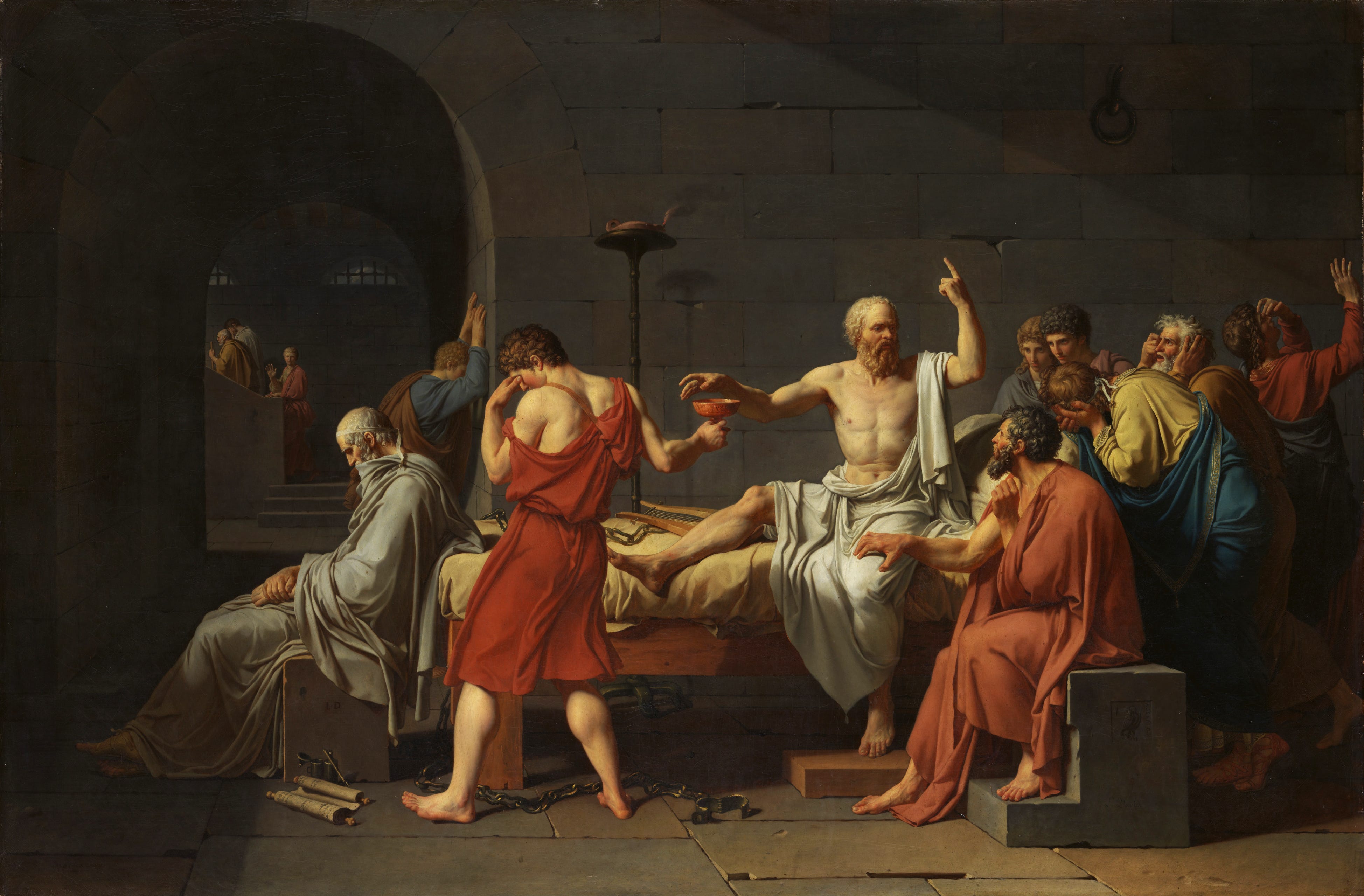
“It will implant forgetfulness in their souls. They will cease to exercise memory because they rely on that which is written, calling things to remembrance no longer from within themselves, but by means of external marks.”
Socrates’ famous remark on written language couple thousand years ago seems to mark the beginning of an era that is now coming to an end as technology mercilessly mutates our shared culture at a rapidly increasing rate.
This does not seem like a counter-revolution. Medium is the message, and during the era when it was fashionable to wrap yourself in bed sheets when heading out to have in-person Twitter debates at the agora, the most valued form of popular expression was the epic poem. This was because poems and songs are easier for us to recite from memory than prose. Modern audio does not have the same strict requirements shaping it’s form.
Shifting back to a spoken cultural communication probably has some unpredictable consequences. These are the very early days of this change and it seems obvious that AI generated audio will accelerate the process. Written long-form content seems to be squeezed to the margin by audio and video. It is not like things like television haven’t been the favorite past time of the masses before, but it seems the volume and convenience factor of content that doesn’t require reading has become significantly more intense during the last five years.
One of the things that has happened in the past is that a lot of cultural output has been forever lost because it couldn’t make the cut when writings were copied from one format to another. Current historians would absolutely love to read Babylonian discount coupons and telephone books, but they weren’t seen worth copying over. It is difficult to tell what kind of filtration will happen in the current switch.
It is hard to overstate how big the shift in popular culture is right now. While it is true that new technology rarely completely replaces the old ones, but I doubt that books will ever have the same societal importance in popular culture as they had in the last two centuries.