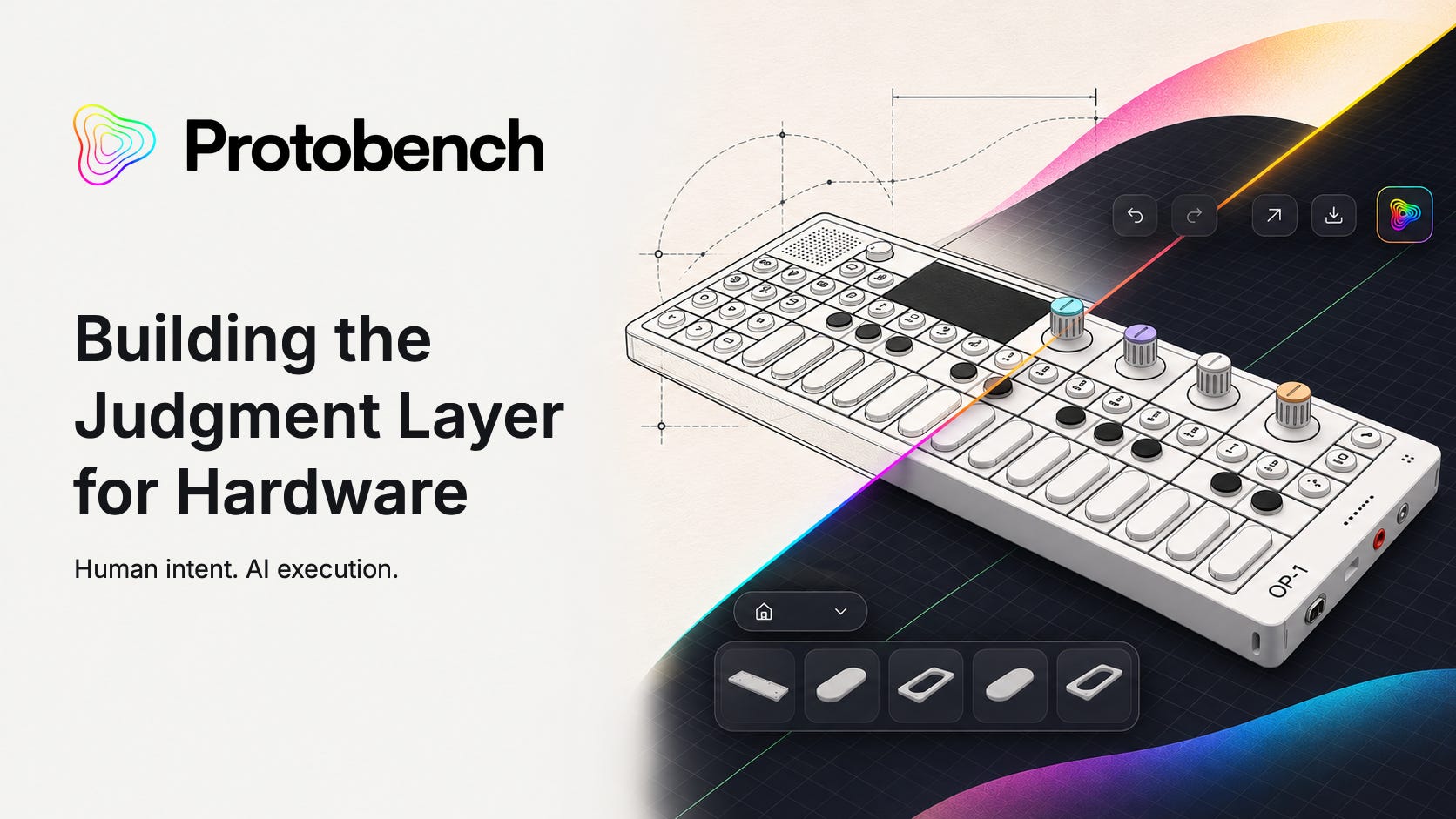
A few months ago, I wrote Hardware Needs Its Vibe Coding Moment.
The idea was to bring the immediacy of building software with AI into hardware. Describe an idea, work on it with an agent, inspect the result, and keep going. Mechanical design and electronics should belong to one connected project, with less time spent moving files and explaining the same thing again.
That is still the foundation of Protobench. But as I’ve kept building, the focus has widened.
As generating code and CAD gets easier, more of the value lies in deciding what to make, what matters about it, and which compromises are worth accepting.
I want Protobench to become the central workspace where those decisions take shape and carry through into engineering.
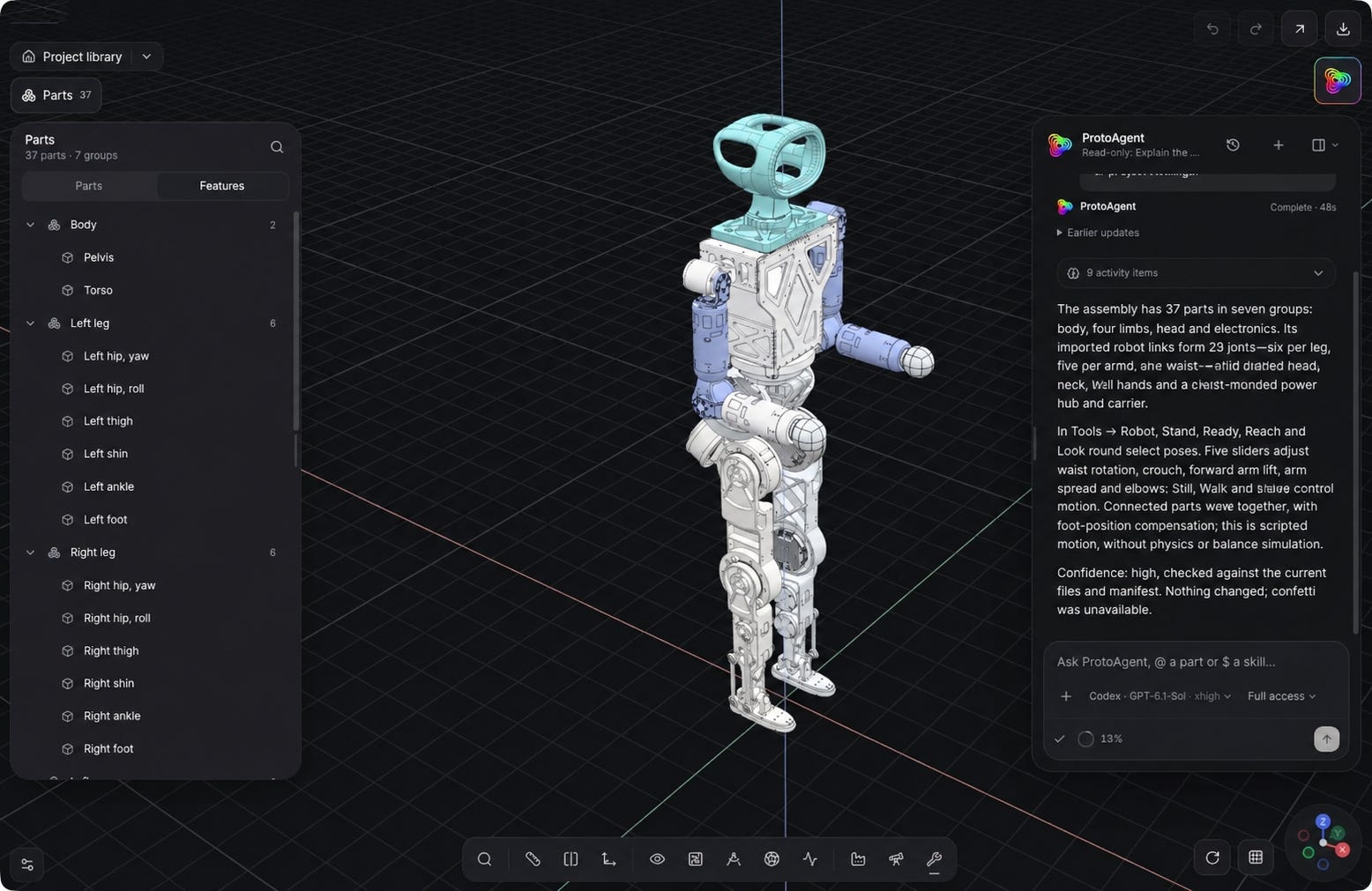
The comparison I keep coming back to is Figma.
An agent can generate an application, but someone still has to decide how it should work. What should the user see first? How should the flow behave? What should it feel like? Which details make it worth using?
I increasingly think of Figma as a place to work through that judgment. You explore, arrange, try alternatives, and give the product a direction that an agent can build from. You can then return to the design and refine it as you learn.
That is the useful part of “Figma for hardware” to me: a place to decide what the product should be, with those decisions guiding the work that follows.
Hardware adds physical consequences to those choices.
A smaller enclosure might require a different battery or make the product harder to repair. Moving a control changes how someone holds the object. A material that looks right may behave differently under load.
Generating another model helps you explore those possibilities. You still need to decide which outcome serves the product, and test the assumptions that matter.
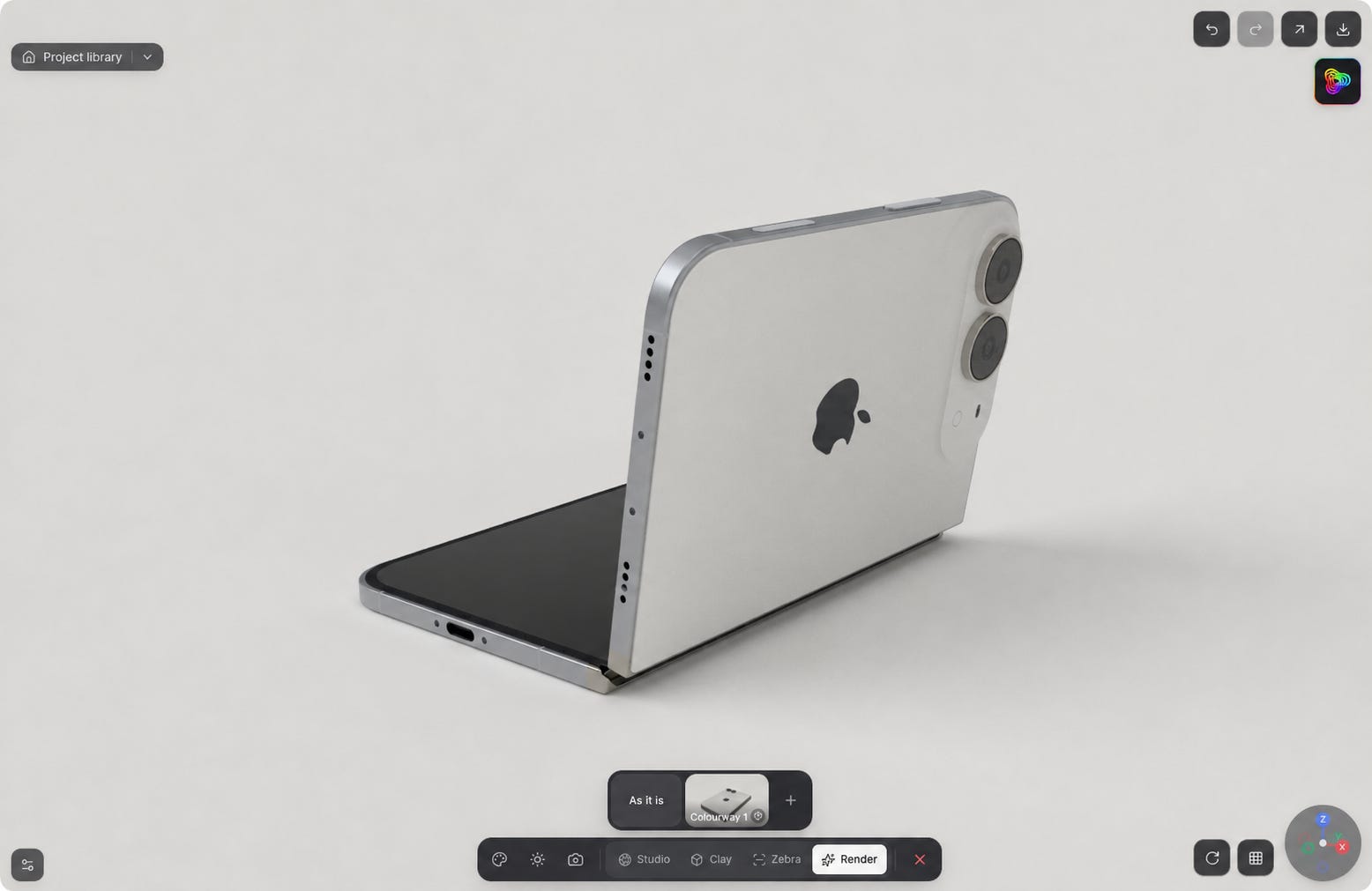
Those decisions should stay with the project. When you ask an agent to revise something, it should have access to the references, constraints, and reasons behind the design. When engineering pushes back, you should be able to understand the tradeoff and change direction.
Human judgment means being able to influence what gets made. Clicking approve on every response is not enough.
The app already has a working foundation: editable mechanical and PCB design, ProtoAgent, measurements, single-part structural simulation, materials, sourcing, and manufacturing exports. Research in the main workbench keeps images, PDFs, and notes available as project context. Studio focuses on appearance through finishes, lighting, cameras, and rendering.
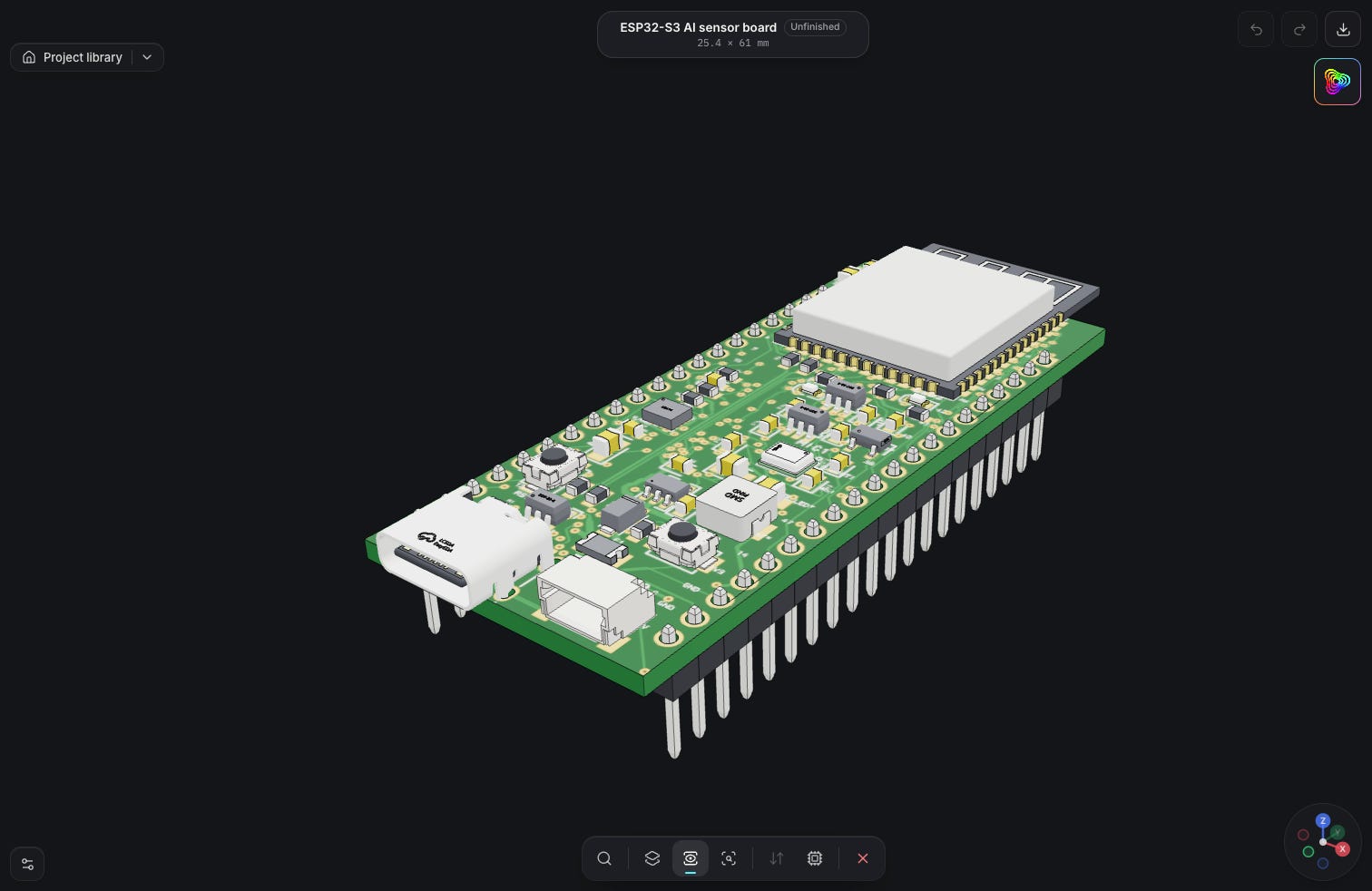
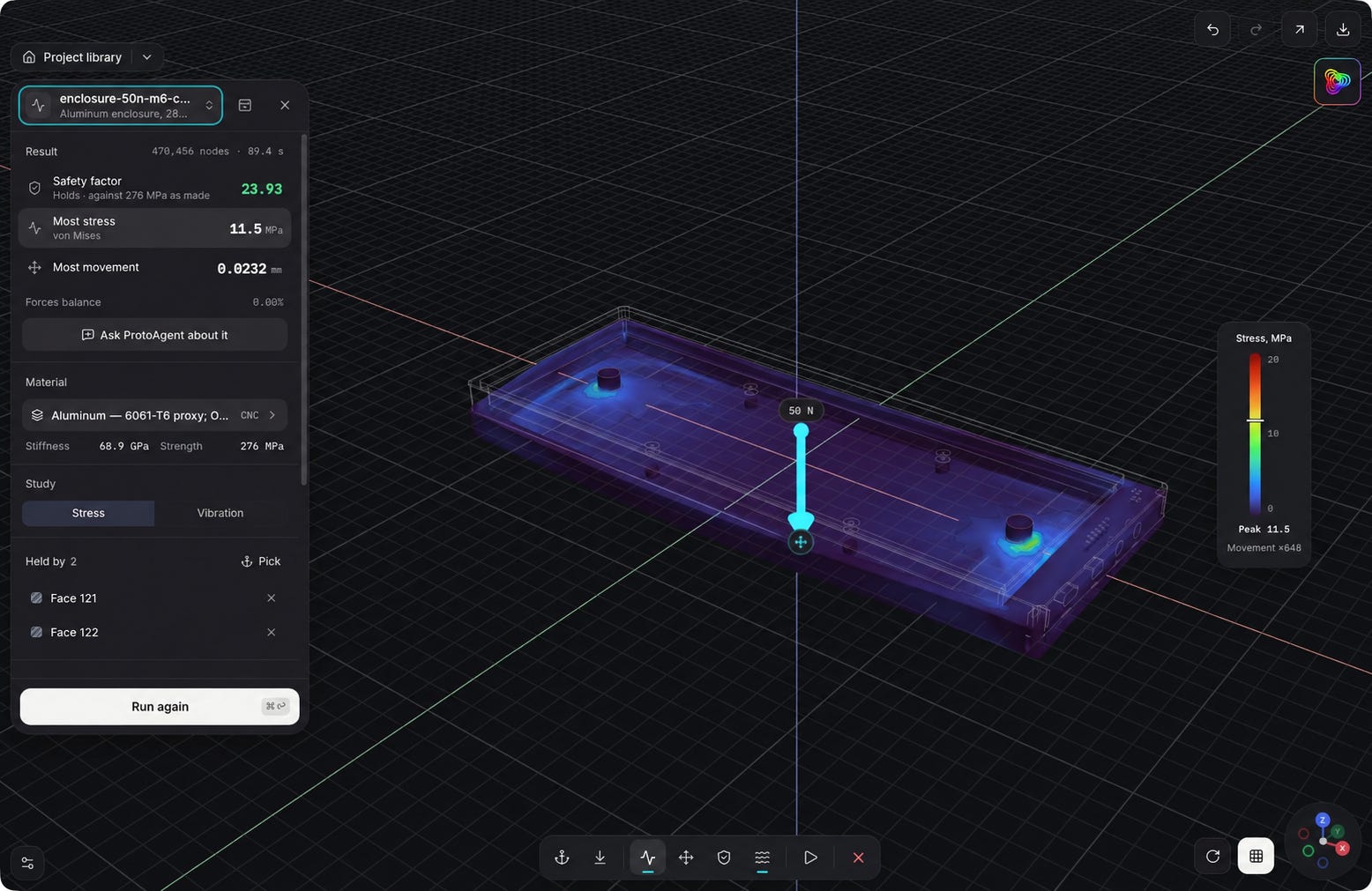
The larger ambition is to connect research, ideation, industrial design, and engineering more closely, then carry what is learned from building and testing back into the project.
I’m building first for independent hardware builders and small teams. People working on devices, robots, instruments, mechanisms, or something that does not fit neatly into a category. People who need to think across disciplines while keeping hold of the whole product.
I want the workspace to be precise enough for engineering and inviting enough to experiment in. You should be able to follow an idea, look closely at what you are making, and give it character.
I’m building Protobench as a startup under OpusLABS. It will be one of the projects I build there, with its own focus: helping people turn their intent into physical things with AI.
There is still plenty to build. I’ll be sharing more of the product, the decisions behind it, and what I learn along the way.
If you are building hardware on your own or with a team, I’d like to hear what you’re making, where your process gets stuck, and see if Protobench is right for you.