We've restructured the project to use Vite as our build tool, replacing the previous configuration to improve dev server startup times and hot module replacement. This migration simplifies our build pipeline and provides a more modern development experience. Expect a significantly snappier feedback loop during local development. 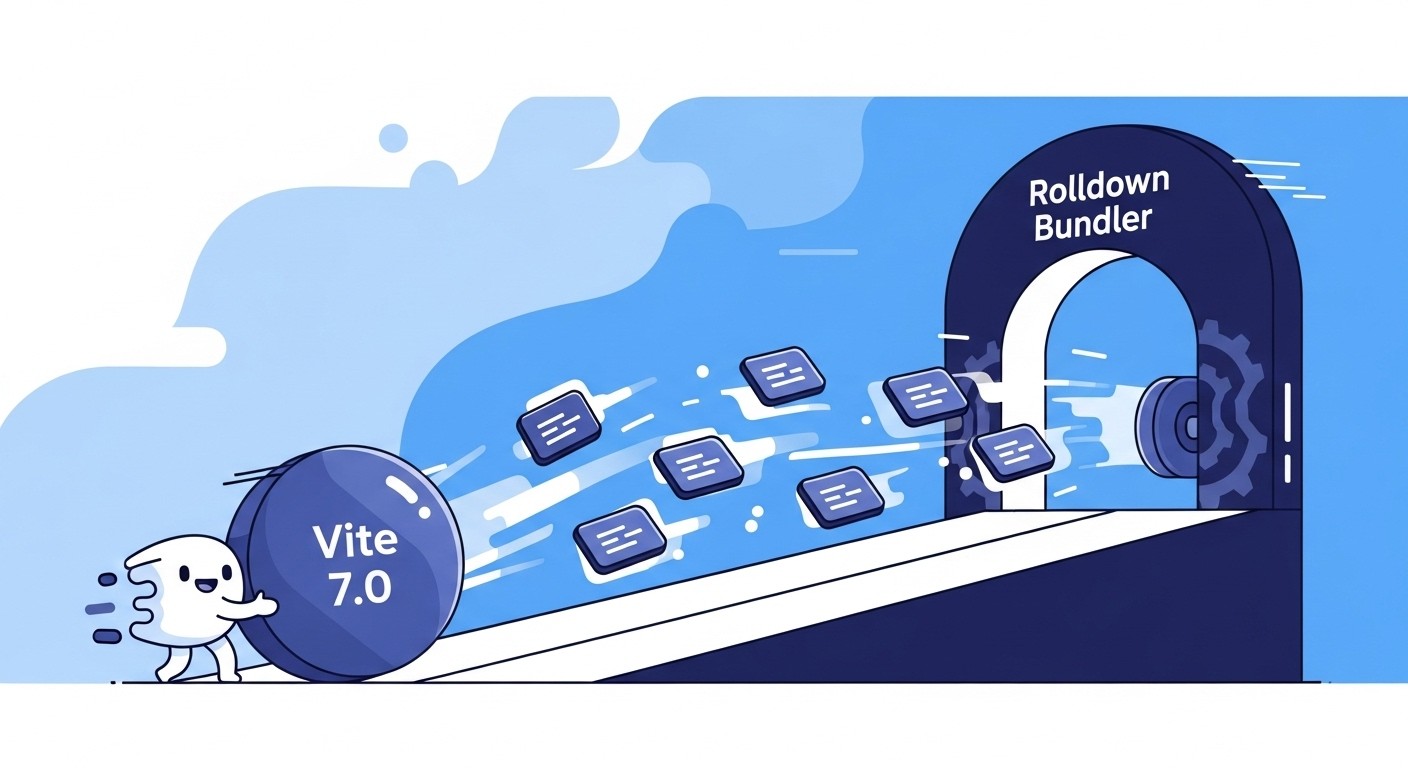
Implemented a fresh, minimal landing page for Lattice, the AI Chief of Staff. The page outlines the value proposition for coaches looking to automate operations, details how the service works, and provides a clear CTA for applicants to apply for access.
To reduce noisy notifications from minor feed updates, I've introduced a minLineChanges configuration option. The scheduler now filters feed diffs, only pushing updates to the pns.1lattice.co endpoint if the number of changed lines meets or exceeds the configured threshold (defaulting to 5). This allows for smarter notification management on a per-feed or global level.
This preview release introduces a comprehensive refactor moving core logic into dedicated services and orchestrators, significantly improving modularity and maintainability. While the external functionality remains consistent, the codebase has been extensively cleaned up, with duplicated logic deduplicated and cross-component dependencies explicitly typed using request structs. This sets a cleaner foundation for future feature development as we iterate toward the 0.2.0 release. 
We've added Swagger documentation to the backend, enabling automated API UI generation and schema definition for the Slotli Auth API. This update also includes initial Vercel deployment configurations to streamline the production pipeline. 
Added a vercel.json configuration file to the backend to streamline deployment, including custom build commands with Prisma generation and increased API function duration. This setup also handles request routing via path rewrites to the main API entry point. These changes simplify the CI/CD pipeline and ensure proper environment handling for serverless deployments.
We've added a vercel.json configuration file to the backend to streamline cloud deployments. This update defines the build process (including Prisma generation), sets output directories, and configures function execution limits and URL rewrites to ensure proper API routing. This simplifies CI/CD workflows and ensures consistent environment behavior across deployments. 
Added a vercel.json configuration file to the backend to streamline deployments. This update defines custom build commands, including Prisma client generation, sets function execution limits, and configures URL rewrites to direct incoming traffic to the API entry point. These adjustments ensure a smoother deployment process and better performance for serverless functions on Vercel.
Added comprehensive Swagger API documentation for the Slotli Auth backend, making it easier to discover and test endpoints. This update also includes a vercel.json file to streamline deployment and manage environment routing. Now developers can interact with the API definition directly, improving the overall developer experience. 
This update modifies the SSE notification event format to include the topic name when messages are broadcast via /push/topic. By adding the topic to the notification data, subscribers can now easily identify which channel triggered a specific push event. I've also updated the tests to verify that the topic field is correctly propagated to recipients.
Refactored the visualization prompt to be centrally located in backend/src/shared/prompts.ts instead of a separate subdirectory. This cleanup fixes a broken import in the visualization service and simplifies prompt management across the backend. This change ensures proper modularity for our agent's charting logic.
This update introduces a robust chat system, bridging backend controller logic with new frontend components for dynamic communication. Users can now share attachments and view data-driven visualizations directly within their chat sessions, powered by a new dedicated visualization service. This enhancement significantly enriches the collaborative experience across the platform.
Added knowledge node context to the chat interface, allowing users to ask questions directly about specific topics. The backend now injects relevant node content as context to the Gemini AI, improving answer accuracy for students. We also updated the frontend to auto-attach the current node to the chat session when accessed from the tree. 
This initial commit introduces rss-push, a utility that polls RSS/Atom feeds on a cron schedule and pushes detected changes to the pns.1lattice.co service. Built with Bun, it implements a stateful diffing mechanism to ensure only updates are relayed, providing a lightweight way to automate feed-based notifications. It's ready to use with a simple JSON configuration.
This update introduces a new GitHub Actions workflow to automate the release process using GoReleaser. By pushing a 'v*' tag, the CI will now automatically run tests and publish the GitHub Release, removing the need for manual local execution of GoReleaser. Corresponding changes were made to the Makefile and README to reflect this simplified release flow.
We've configured GoReleaser to streamline our distribution process by enabling automated GitHub release publishing. This change allows us to generate builds and release artifacts directly from the CI pipeline, reducing manual overhead during releases. Now, cutting new versions is just a git tag away! 🚀

Updated the make help command to explicitly surface information about release workflows, making it easier for developers to discover and execute release-related tasks. This change ensures that the essential manual release commands and required environment variables are immediately visible when running the help target.
The release and pkg-macos-release targets in the Makefile have been updated to automatically include the release-push-tag step. This simplifies the release process by ensuring the Git tag is created and pushed to the remote automatically when running a release build. Developers now only need to call make release TAG=vX.Y.Z instead of manually handling tag creation and pushing.
The Makefile has been updated to include stricter, tag-aware release targets. These enhancements add validation for existing tags and ensure that goreleaser releases are executed against the correct Git state, reducing the risk of accidental mislabeled releases.
We've transitioned the /push endpoint from utilizing a query parameter (?pubkey=) to a cleaner path parameter structure (/push/:pubkey). This change aligns the API with standard REST practices, allows for stricter schema validation, and maps missing keys to a more appropriate 404 status code. It's a small change that significantly improves the clarity and resource-oriented design of our endpoint architecture.