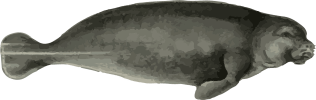
Manatee

Bottlenose Dolphin Dive
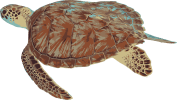
Green Sea Turtle

Beluga Whale
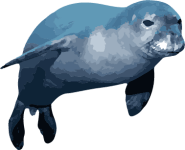
Sea Lion

Velvet Crab

Staghorn Coral
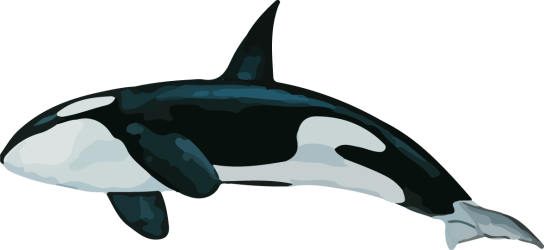
Killer Whale
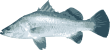
Barramundi
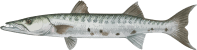
Great Barracuda
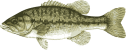
Spotted Bass
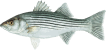
Striped Bass

Black Drum

Blue Fish
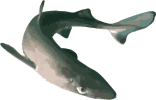
Spiny dogfish
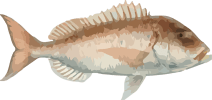
Dentex
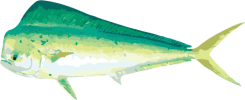
Mahi-mahi
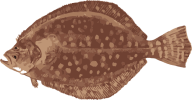
Flounder
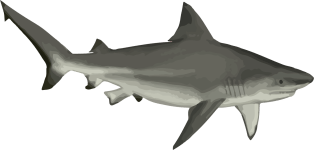
Bull Shark
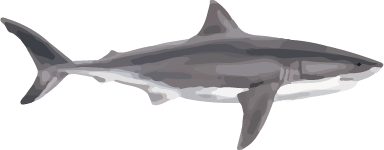
Great White Shark
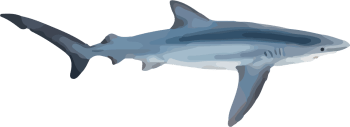
Blue Shark

Gummy Shark
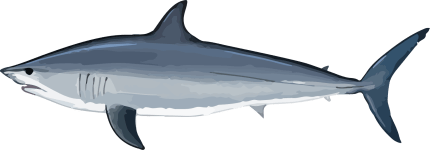
Mako Shark
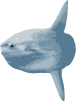
Sunfish

Human
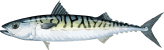
Atlantic Mackerel

Queen Snapper
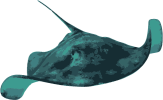
Pelagic Stingray

Deepest dive of a Narwhal

Frilled Shark

Viperfish
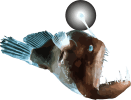
Anglerfish
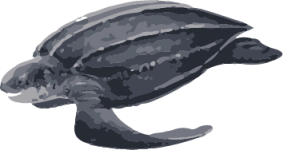
Leatherback Sea Turtle
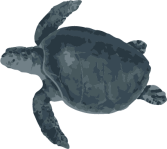
Olive Ridly Sea Turtle

Sea Pen
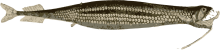
Dragonfish
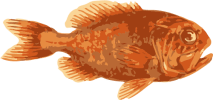
Orange Roughy
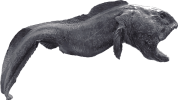
Wolf Eel
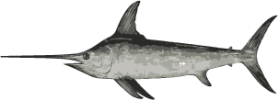
Swordfish

Chain Catshark
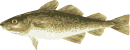
Atlantic Cod
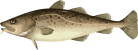
Pacific Cod
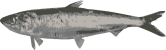
European pilchard
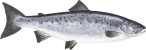
Atlantic Salmon
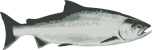
Chinook Salmon

Blue Tang

Clown Fish
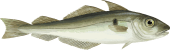
Haddock
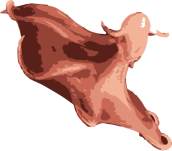
Vampire Squid
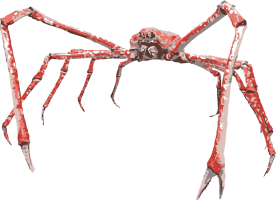
Japanese Spider Crab

Firefly Squid
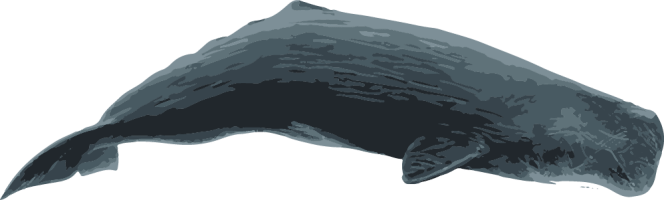
Sperm Whale Dive

Yeti Crab

Big Red Jellyfish
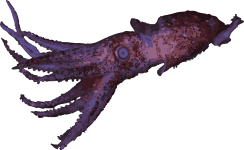
Jewel Squid

Cockatoo Squid

Phronima
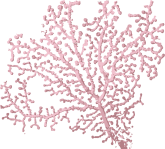
Bubblegum Coral

Giant Isopod
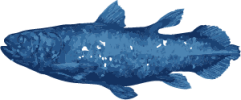
Coelacanth

Colossal Squid

Goblin Shark

Chimaeras

Black Swallower
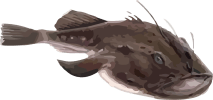
Monkfish
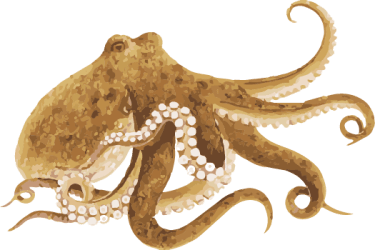
Giant Pacific Octopus

Sixgill Shark

Emperor Penguin Dive
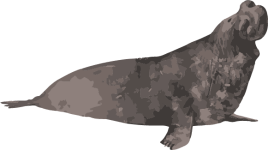
Elephant Seal Dive
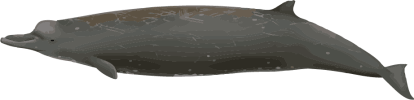
Baird's Beaked Whale

Leptoseris
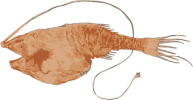
Gigantactis
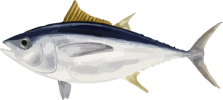
Bigeye Tuna

Bamboo Coral

Nautilus
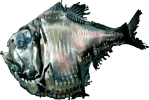
Hatchetfish

Giant Oarfish

Giant Tube Worm
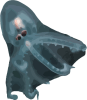
Telescope Octopus

Barreleye Fish
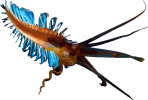
Squidworm

Sea Angel

Marrus orthocanna
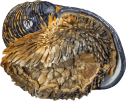
Scaly-foot Snail

Vigtorniella Worm

Terrible Claw Lobster

Venus Flytrap Sea Anemone
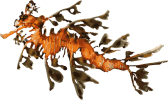
Leafy Sea Dragon

Headless Chicken Fish

Greenland Halibut

King Crab

Greenland Shark
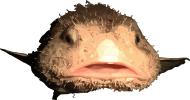
Blobfish

Zombie Worm

Polar Bear

Kelp

Thick-Billed Murre Dive

Barnacle
At 332 meters, this is the deepest any human has ever scuba dived. Set by Ahmed Gabr in 2014.
No sunlight is able to reach this deep.
Many deep-sea creatures cope by creating light themselves - also known as bioluminescence.
Narwhals dive to this depth up to 15 times a day in search for food.
The Japanese Spider Crab is the largest known crab with a maximum leg span of 3.8m.
Coelacanths were thought to be extinct until found alive in 1938.
Leatherback Sea Turtles are the oldest sea turtle species.
Giant Oarfish can grow up to 11m long.
Sixgill Sharks spend the day in deep waters and the night in shallow waters. They can be found all over the world.
Telescope Octopus are almost completely transparent and have unique protruding eyes.
Barreleye Fish have a transparent head that allows their eyes to collect more light.
Black Swallowers can swallow entire fish whole - even those vastly larger than themselves!
Vampire Squids eat marine snow - organic material that falls from shallower waters.
Headless Chicken Fish are sea cucumbers with wing-like fins that allow them to swim.
Colossal Squid are the largest known squid species. They can reach a length of 10 meters and weigh up to 700 kg.
The Orange Roughy can live up to 200 years. Deep sea life often have elongated life spans.
Meals are rare in the deep sea. Deep sea creatures have adapted to this - one Giant Isopod in captivity went five years without eating.
Many deep sea species use the color red as camouflage since it's the first color to leave the spectrum as you dive deeper.
Goblin Sharks are known as "living fossils" because they're the only living species of a lineage that has existed for 125 million years.
Is it a squid, or a worm? It’s a worm.
Sea Angels are majestic sea slugs that use wings to propel themselves.
The Scaly-Foot Snail gets its name from the iron plates on its foot and the iron shell it makes out of Iron Sulphide.
Anglerfish have a large bioluminescent lure used to attract prey in the darkness.
Giant Tube Worms get their nutrients from hydrothermal vents.
Hydrothermal vents are formed from seawater passing through extremely hot volcanic rocks. They release heavy metals that are toxic to most animals.
But even in those extreme conditions specialized life finds a way to survive.
Yeti Crabs live on hydrothermal vents.
The Midnight Zone
The Twilight Zone

Gulper Eel

Amphipoda
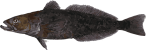
Patagonian Toothfish

Flabby Whalefish
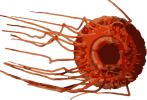
Atolla Jellyfish
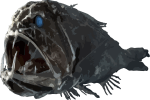
Fangtooth
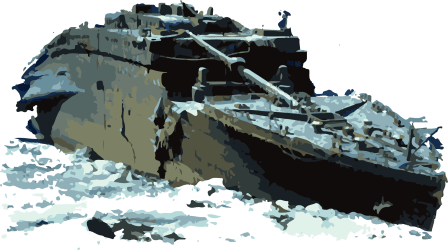
Titanic Wreckage

Caridea
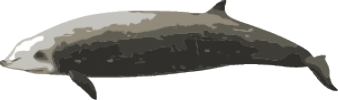
Cuvier's Beaked Whale Dive
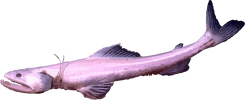
Lizardfish

Harp Sponge

Dumbo Octopus

Cosmic Jellyfish
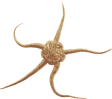
Brittle Star

Sea Pig
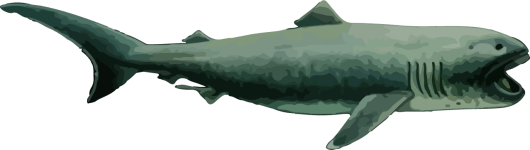
Megamouth Shark

Stoplight Loosejaw
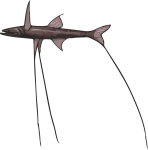
Tripod Fish
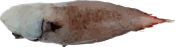
Faceless Fish

Cookiecutter Shark

Glass Sponge
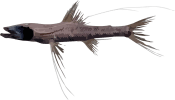
Abyssal Spiderfish
This is the average depth of the ocean.
But in some places it goes deeper.
Much deeper.
Cuvier's Beaked Whales are the deepest diving mammals.
On April 14th, 1912 the Titanic sank to its final resting place at a depth of 3,800 meters.
This is the deepest point of the Manila Trench in the South China Sea.
Patagonian Toothfish have antifreeze proteins in its tissues to prevent freezing in sub zero temperatures.
Megamouth sharks are one of the largest growing shark species with some reaching 7 meters long.
The temperature here is near freezing and very few animals can survive the extreme pressure.
This shark takes cookie-shaped chunks out of its prey.
The Abyssal Zone

Comb Jelly
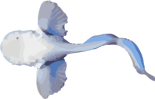
Hadal Snailfish

USS Johnston Shipwreck
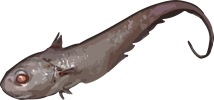
Grenadier

Cusk Eel

Chiton
You have scrolled the height of Mount Everest.
Comb Jellies have been around for 500 million years. Despite looking like jellyfish, they are not closely related.
This is the lowest point of the Puerto Rico Trench.
This is the deepest point of the Java Trench in the Indian Ocean.
The USS Johnston sank in WWII and is the deepest shipwreck ever found.
More people have been to the Moon than the Hadal Zone.
Most of the Hadal Zone takes place in deep sea trenches.
Deep sea trenches form by a process called "subduction" where the Earth's tectonic plates meet and push together.
The deep sea can be a lonely place.
Life here is sparse - the extreme conditions make survival difficult.
But still not impossible.
So little is known about life in these deep environments. Almost every expedition uncovers something new.
The Hadal Zone

Hadal Amphipod
Many probes and submarines have been lost trying to reach the deepest parts of the ocean.
On January 23rd, 1960, about 9 years before the moon landing, humans went where they never had before.
Two men, Jacques Piccard and Don Walsh, onboard the submarine Trieste slowly descended into the Mariana Trench.
Their goal was to reach The Challenger Deep - the deepest point in the ocean.
The submarine used a re-breather system that would later be used in spacecraft. There was barely enough space inside the pressure sphere for both of them.
The immense pressure of the deep sea means any mistake would mean certain death.
During the descent, one of the window panes cracked and shook the entire vessel.
Nevertheless, they continued.
Even at these unfathomable depths, Jacques and Don could still see life out the window. Life can survive unimaginable environments.
After 4 hours and 47 minutes of anxiety and claustrophobia...
They succeeded and became the first humans to reach the deepest point in the ocean.
The Challenger Deep
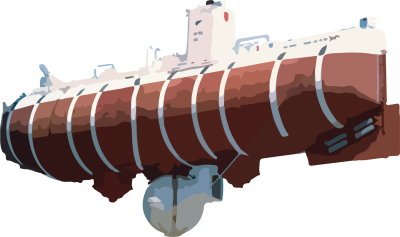
0 METERS DEEP