One thing I have been pondering a lot lately is social media algorithms and how they make a lot of people depressed right now.
Remember back in 2012 or so when Instagram was gaining traction? Back when all social media was built on a very simple principle: you follow a bunch of people you like, and you get one single chronological feed with everything they post. If you don’t like certain posts, just unfollow that user. Simple. Yet delightful.
Do you also remember that you pretty quickly came to the end of your feed? Where you had caught up with everything that was posted by the people you follow? Simple. Yet delightful.
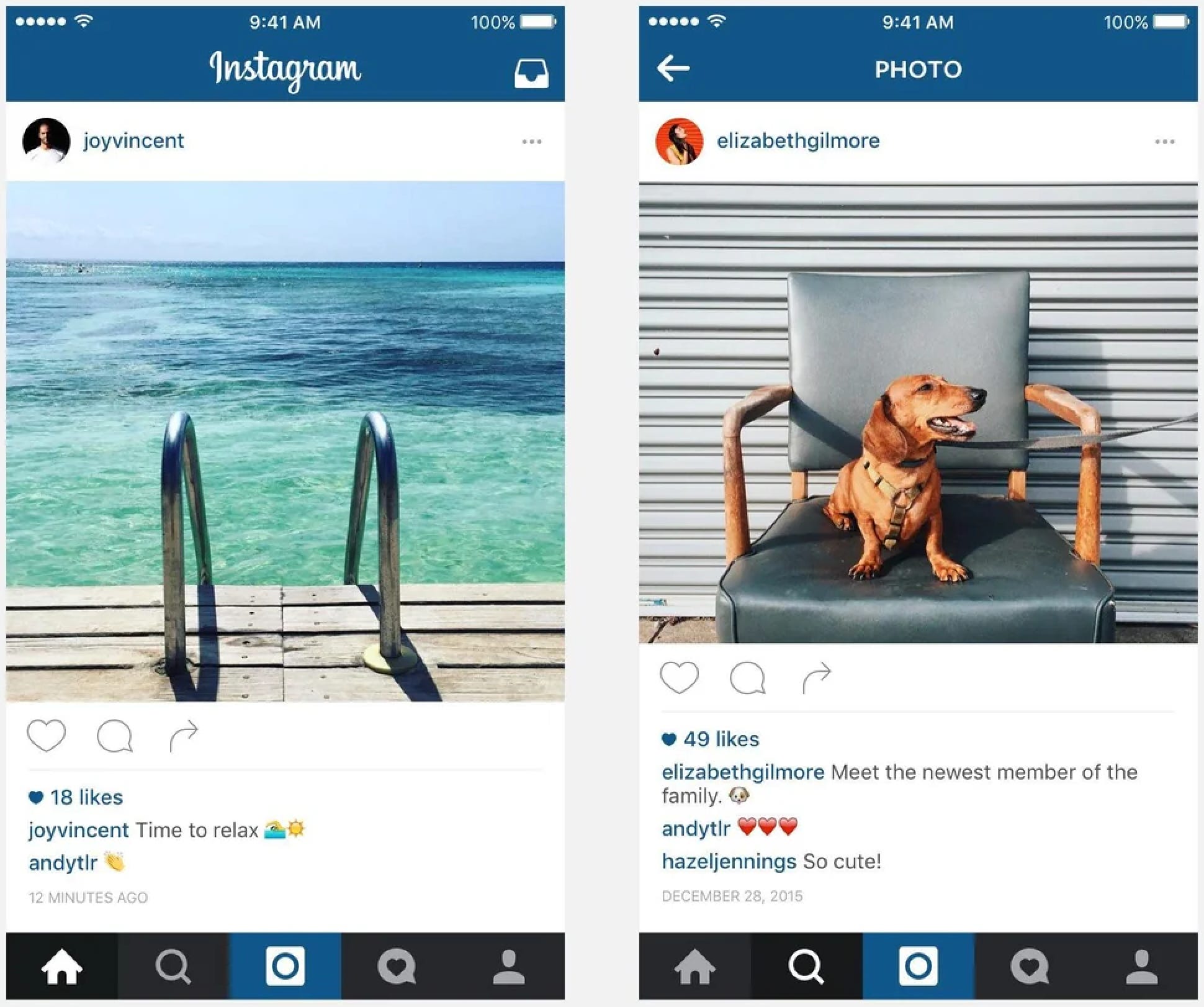
But it wasn’t optimal for making Instagram more money. How do you get more money out of existing users? The answer is to get them to spend more of their time each day in the app, by making it more addictive. A feed that ends after 5-10 minutes does not make sense anymore. An algorithm that feeds the user the most addictive pieces of content in existence makes a lot of sense though.
Fast forward to 2025, and all of the social media apps are incredibly addicting. That is what 10 years of optimising the algorithms have given us. And, I mean, that would have been fine by me – if it was actually fun and rewarding to scroll social media feeds. But I don’t feel like most of them are very fun or rewarding. Especially on apps such as x.com (which I have almost completely stopped using by now) and threads.net, I am often met with a bunch of ragebait and lots of brainrot content.
I think the problem is that it is very easy to measure what posts make users spend more time in the app, but it is a lot harder, if not impossible, to measure the feelings the user feels during and after interacting with the app. I don’t think that there is any malice involved here. If there was an easy way to measure user happiness, I think the companies would start optimising the algorithms for that as well.
But if I read something that makes me angry or provoked, I am very likely to stop my scrolling there, and maybe even make an angry comment. I am also more likely to return to the app to check if my angry comment got a response. And all of this makes me spend a lot more time and as a result I look at more ads. The algorithm quickly learns to show me stuff that makes me angry.

Likewise, if I am spoonfed brainrot videos of bottles crashing down stairs, I might find it relaxing to look at in the moment, and I might keep looking for a long time. But afterwards I will feel empty, bored and like someone stole my time.
With all this said, I am hopeful for the future. I think whoever cracks the “user happiness” problem will quickly become the largest social media platform. And it will quickly set a new standard for others to copy.
If you could pick between two drugs that are both equally addictive, but one of them is fun and the other makes you feel dreadful, I know which one I would pick. I think that with all the progress that is being made within AI, and with the pressure to improve the social media algorithms, we will get an actually good (as in: gives the user a pleasurable and joyful experience) social media app within a few years. I certainly hope so.
One social media platform that I still feel works well is Youtube. No other social media site lets you actually find content for yourself to the same extent. Youtube is one of few places that doesn’t spoon-feed you your content (except for Youtube shorts). No other social media site relies as little on ragebait and brainrot as Youtube. That makes me happy. And that makes me want to focus even more on making content for Youtube as well as spending more of my screen time there.
Since my last newsletter I have been working on a couple of upcoming lens reviews that you will see in the coming two weeks. I also made and published these two videos:
That’s it for this newsletter. If you want to support my work, and want to learn EVERYTHING I know about macro photography, I recommend checking out my PDF e-books. My Macro Photography Handbook is 126 pages with all the best knowledge from my 9 years of teaching macro photography on Youtube. The book uses simple language and you can read it in a couple of evenings to learn everything I think is worth knowing about macro photography.

The Macro Editing Handbook is more focused on editing photos to make them look as beautiful as possible: I walk you through how I took and edited 10 of my all time favourite macro photos.