Chris Somers, 34, is doing back-to-school shopping for his daughter, who is going into second grade. Things are not going well.
‘You don’t need a new lunchbox Gracie. I bought you the lizard one last year.’
‘But daddy! That was an axolotl. This one has a capybara on it!’
‘A what?’
‘All the kids have capybara stuff!’
Chris’s jaw clenches. His nostrils flare. Money is tight. He was laid off in June and that extra $18 is more important than he’d like to admit. His other child, a toddler, rattles the cart and tries to crawl out. Chris needs to make a decision.
‘Please daddy.’
Chris may think he is merely being hustled by an eight-year old. What he doesn’t realize is that he is the victim of a sophisticated campaign, one specifically designed to ensnare unsuspecting parents just like him. A campaign that began a year ago in a shadowy building far from this Kansas City Wal-Mart. A campaign directed by men and women whose yearly wardrobes costs more than his house, who travel in chauffered cars and laugh as they pull the strings of millions.
MapWriting has obtained exclusive information about this campaign. Despite the inherent danger, we have decided to bring it into the light for the first time.
Every year in Europe, the Pantone company hosts a gathering of the fashion elite to select the Color of the Year, along with a supporting color palette. If you have ever wondered why all the yoga mats are suddenly the same three colors, why all the stationary are also those colors, why the featured lipsticks and the wallpaper in that new coffee shop are also those colors, this is why.
At least Pantone’s color selection is public knowledge. But there is a separate meeting that takes place that same week. It has been called the most exclusive gathering in the world. It has no sign. It gets no coverage. It is so secret it was disavowed by everyone we reached out to for comment about this story. This is the meeting where the next ‘it’ animal is decided.
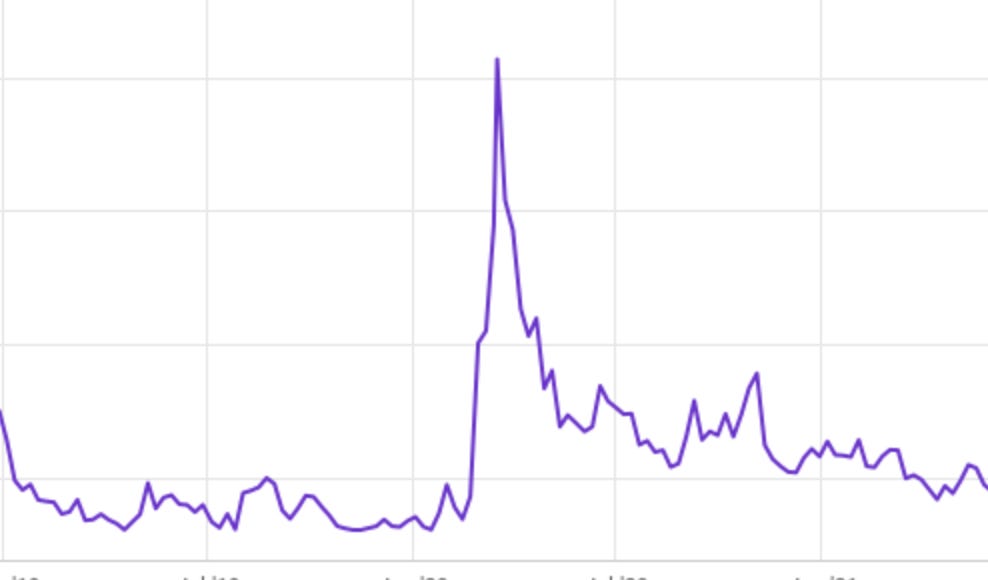
Remember how llamas were everywhere a few years ago? Then three-toed sloths? Then axolotls and now capybaras? They are not the result of a fast moving market where copycats bandwagon on their competitors’ hot selling items. These animals were chosen.
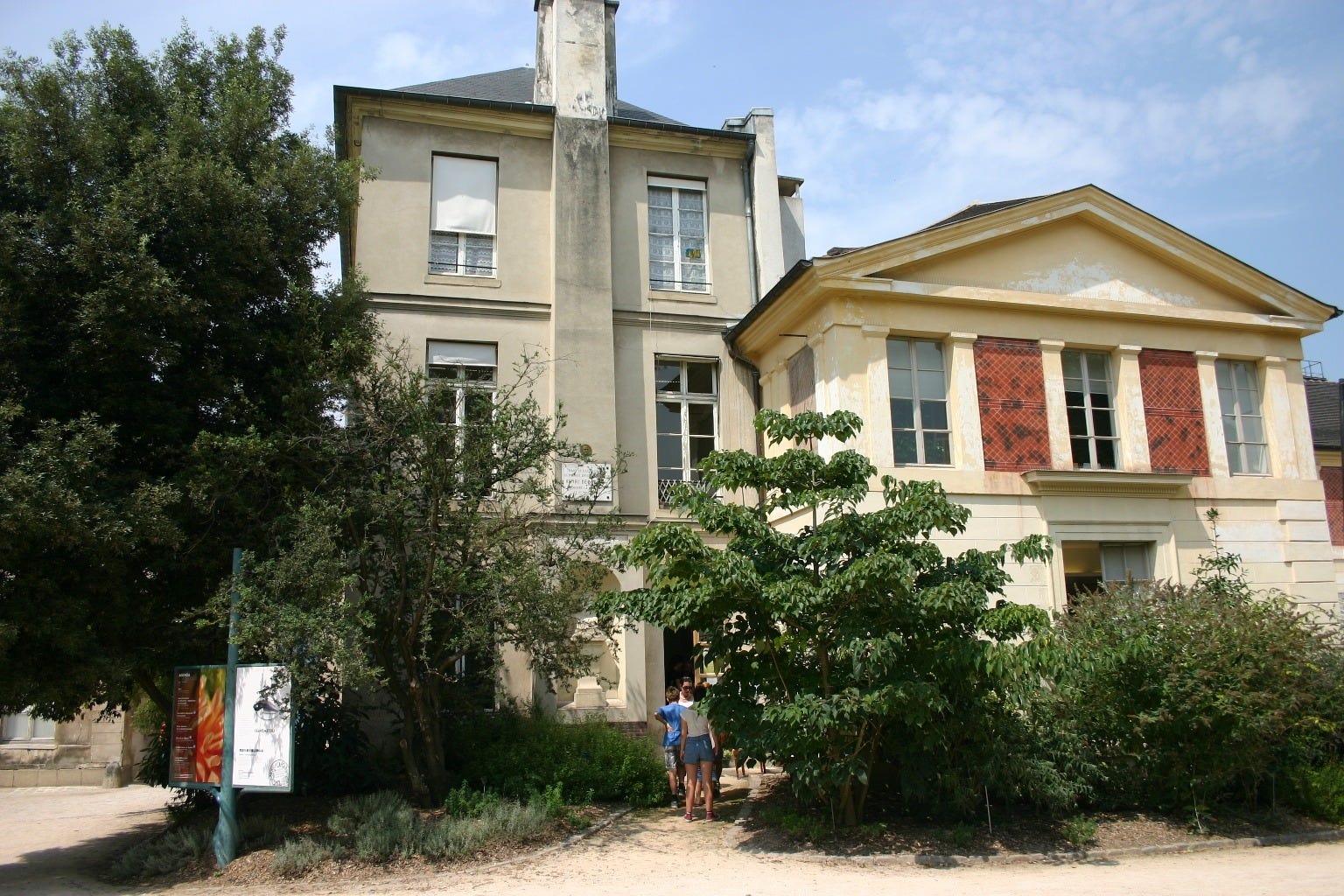
On the Thursday afternoon after Pantone’s color summit, a handful of luxury cars and limousines pull up to the former home of Georges Curvier in Paris.
Most of us would not recognize the occupants of these cars, but they are the true éminences grises behind the couture houses.

Members assemble in the elegantly preserved drawing room. The secretary of the gathering serves Ancien-regimé brandy, decanting it himself into cut crystal glasses, because no servants or staff are allowed inside the room. After sacrificing an orphan child, each member puts forth their choice of animal. Votes are written with feather pen onto small squares of linen paper.
The president of this little gathering is a venerable old sinner, a slight, angular figure with exquisite pantsuits, died hair and a smoker’s face. It is a face you might have seen but never really noticed. A face that appears over and over in the background of pictures in fashion magazines, black and white red-carpet photos, and perhaps even in Renaissance-era paintings.
She reads out the animal on each card and invites discussion. Not since the kangaroo of 1920 has the committee agreed on the first vote. Coalitions are formed and broken as members ally for or against a given animal. All suspect their fellows of motivated reasoning and double dealing, and rightly so: each has worked hard to outmaneuver the others before the meeting. Like the burnt sugar brûlée that barely contains the heart-clogging crème beneath, so the talk of this group of predators is urbane and smooth, belying the deadly serious undercurrent of the gathering.
Voting continues in rounds, narrowing down to a final animal. Except for the orphan, the process bears a striking resemblance to another European tradition: that of selecting a new Pope. We consulted several eminent scholars of fashion (all of whom wished to remain anonymous) and each agreed that the ‘it’ animal process likely inspired the papal selection — not the other way around.
A short but strict set of rules govern the candidacy of an animal:
It must be a currently living creature. Bonus if it is threatened and double bonus if it is endangered.
It must be cute and charismatic. This is usually why mammals win. Dress up a sturgeon all you want but it will never be selected.
It must be non-threatening. Herbivores and insectivores preferred, omnivores accepted. Dedicated predators not allowed unless they are exceptionally cute.
It must seem exotic to American school children, and must be totally unknown to American parents.
It cannot be the symbol of an existing movement or company.
It must never have served as an ‘it’ animal before.
The meeting ends after the final vote and the attendees disperse. Within hours, key tracts of the new animal’s habitat have been purchased (if they weren’t already): for protection if endangered, for destruction if not. Foundations to funnel donations are incorporated. Millions in stuffed animal fluff futures are bought and sold. Hired artists begin creating and copywriting key designs, deals with major retailers are signed, and the marketing machine pivots smoothly to the new animal.
When MapWriting was contacted earlier this year by a thin, dirt-smudged child dressed in rags who claimed to be one of the escaped orphans, we were skeptical. When he told his story we were intrigued. When he produced a sheaf of discarded ballot cards, we were convinced.
For the first time ever, we present the 2027 ‘it’ animal candidates that were never meant to be seen.
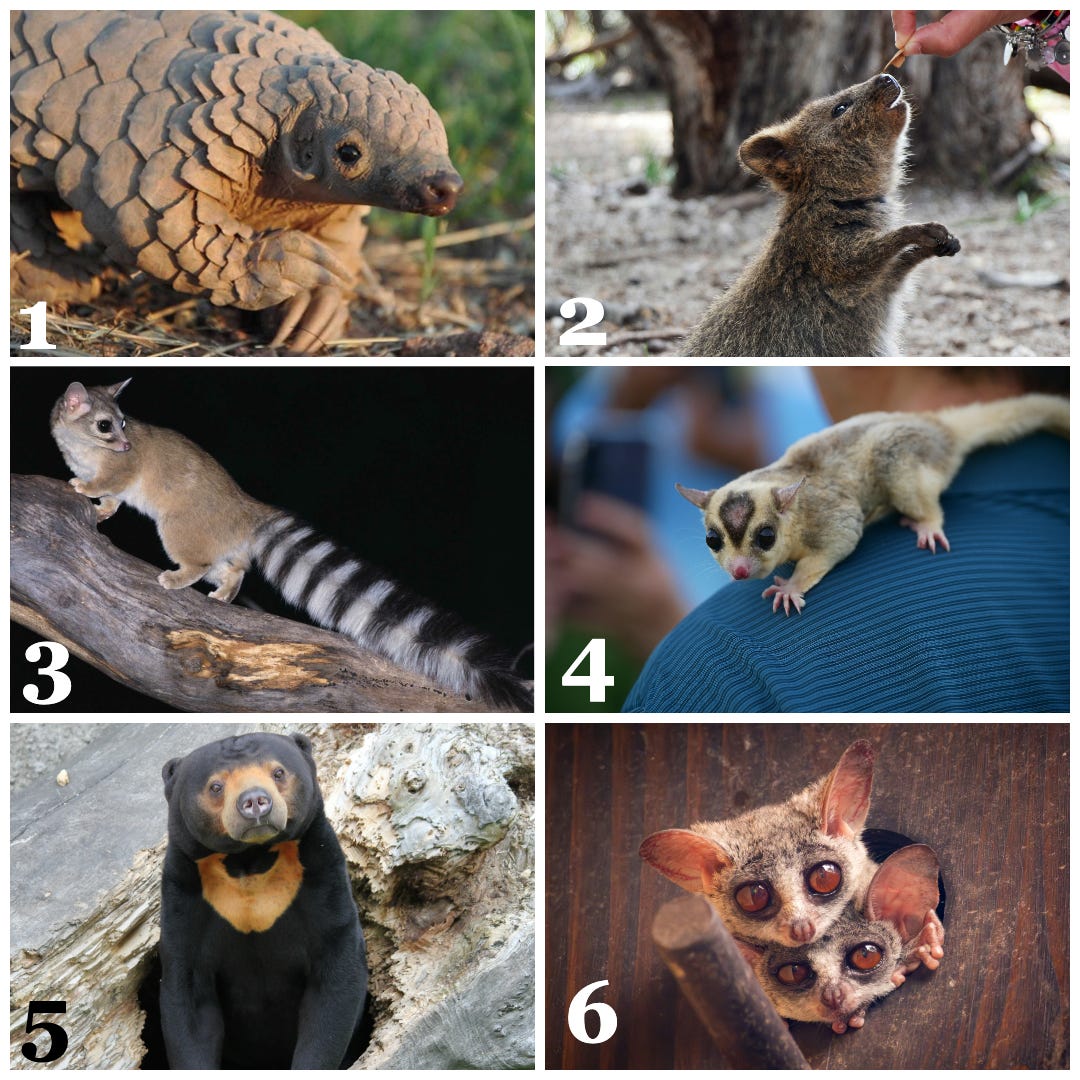
Our orphan escaped down an unattended dumbwaiter before the final vote was decided. Next year’s selected animal is still anyone’s guess, but at least we have the candidates. Who do you think it will be?
Back in the Wal-mart, Chris finally breaks down.
‘Ok fine, I’ll get you the lunchbox.’
‘Thank you daddy, thank you, thank you!’
A full 30% of the money he spends on the capybara lunchbox will eventually find its way into the hands of those few well-heeled foreigners on the other side of the ocean. What’s worse, when his toddler is ready for his own lunchbox, Chris may be unable to convince him to use this one with the capybara on it, enamored as he will be of a new ‘it’ animal. It is a conveyor belt of manufactured desire that gradually and inexorably drains American parents of their hard-earned money.
When asked how he feels about all this, Chris shrugs.
‘I remember what is was like being the only kid without the cool school gear. You know, 28% of species are either threatened or endangered by the same capitalist machine that makes these lunchboxes and gets my kid to want them. I guess my only hope is that they’ll soon run out of cute and interesting animals to use.’
A rueful smile lifts the corner of his dad-weary face.
‘But heck, at that point, maybe we won’t even need to make lunches anymore. I like to be positive. Even the apocalypse has a silver lining.’