
Listening...

What if their sounds became stories?
Take the plunge and discover a hidden world
Are you listening?
Each click is a conversation
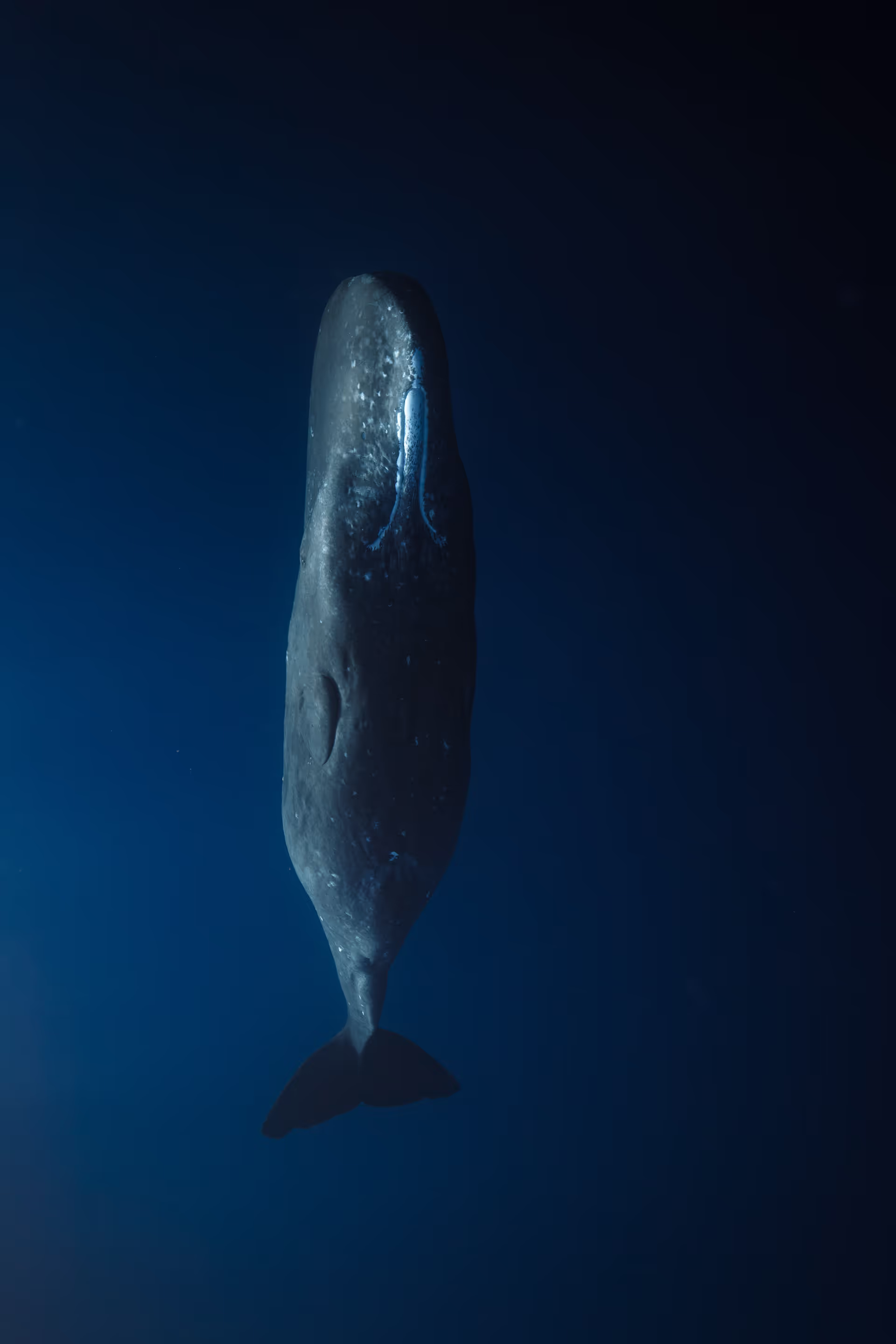
For generations, sperm whales have captured our curiosity through echoing clicks and codas.
But their voices have remained a mystery – until now.
Thanks to new technology, we’re tuning into the secret language of sperm whales and uncovering the original soundtrack of the sea.
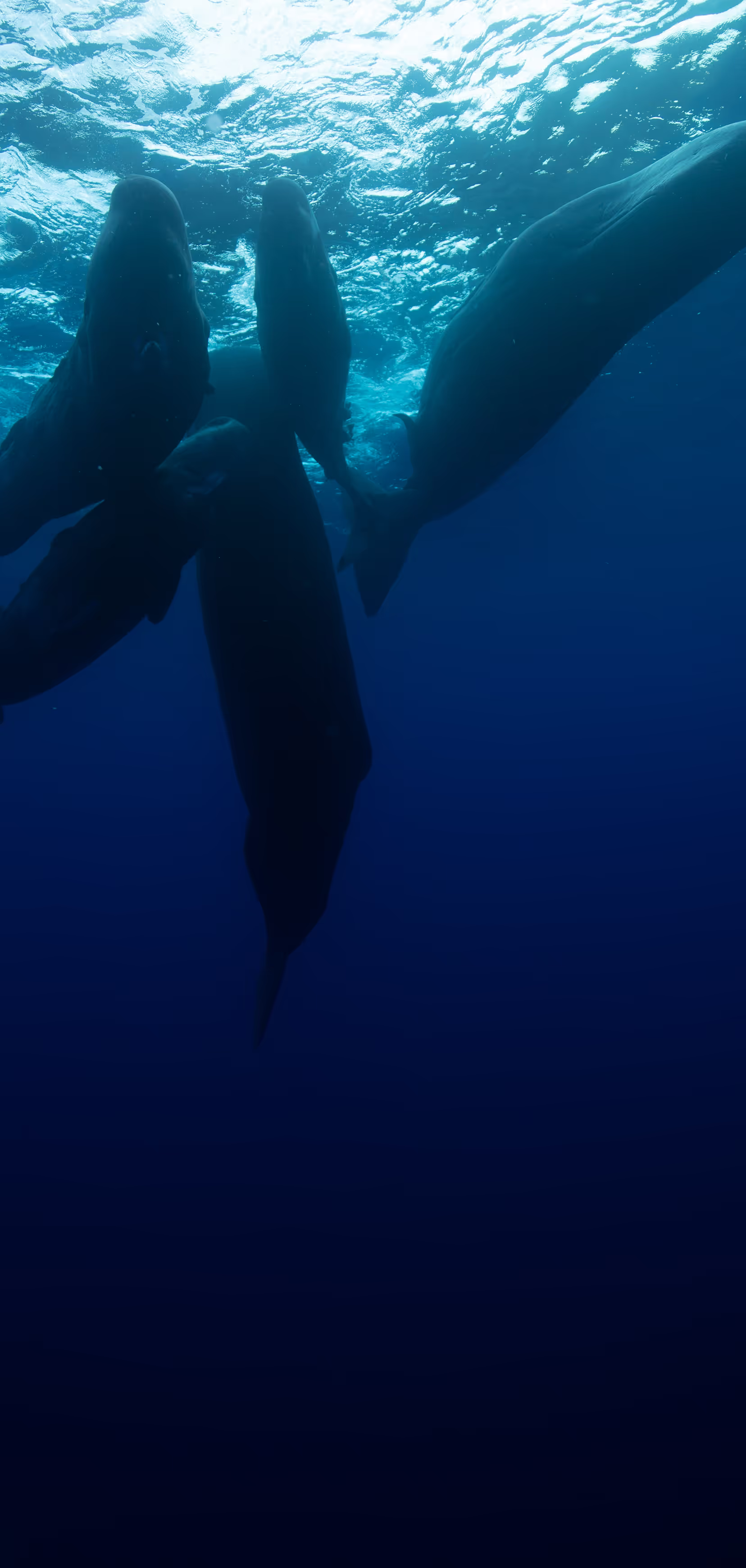
The Deep Archive
Dive into the depths of your imagination—into a future where we might understand whales.
1. Listen
Begin by listening to the whales. Explore our collection of whale recordings and emerging research into their communication. Let their sounds spark curiosity and a deeper sense of connection.
2. Reflect
Reflect on what we want to understand about whales and how they see our shared world. What can we learn by listening? What questions do their voices inspire?
3. Record
Add your message to The Deep Archive and join us in curiosity, wonder, and listening. These recordings are being collected in a creative effort to understand what we humans collectively want to learn from whales.
Your message will stay on land (not sent to the whales) and may be used in future storytelling projects by CETI and the National Geographic Society.
More about The Deep Archive:
An archive is a collection of records preserved because they may matter far beyond the moment in which they were created.
Whale songs travel across oceans carrying meaning we have only begun to imagine—stories, memories, cautionary tales, forms of knowledge akin to our own, or far beyond.
The Deep Archive captures a different kind of history: not what humanity knew about whales, but what it longed to understand.
It started with a song...
A playlist from the ocean sparked a global wave
Songs of the Humpback Whale helped end large scale whaling and proved that listening leads to change.
Return the call
Listen closely. Learn deeply. Act meaningfully.
The Dominica Sperm Whale Project and CETI present the 2026 Fluke Book. Designed to be printed and taken to sea, this book contains fluke identification pictures for the 20 most often encountered sperm whale families off the coast of Dominica.
read
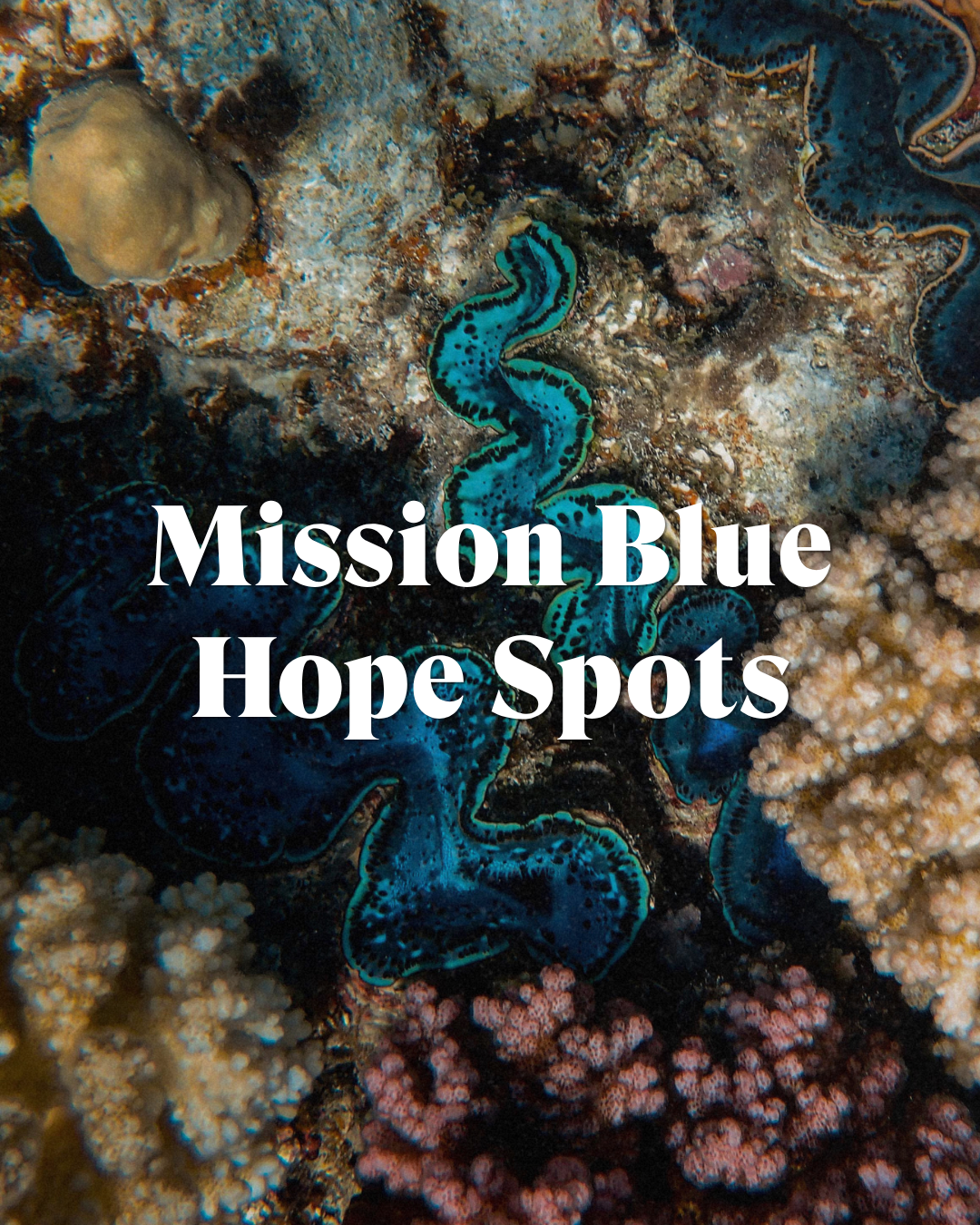
Mission Blue Hope Spots are critical places in the ocean—vital to biodiversity, resilience, and life on Earth—championed by local leaders and grounded in science.
discover
Watch the Wildlife Series: Decoding the Deep Sea with David Gruber, CEO and Founder of Project CETI and National Geographic Explorer, to learn how he aims to bridge the gap of understanding between humans and the mysterious organisms in the deep ocean!
watch

Check back for new actions and opportunities to help protect our oceans and their voices.
“I’ve often pondered what it would take to spark a new conservation movement… A movement that inspires a new generation, gives voice to the marginalized, and uses science to inspire awe...”
— The Late Dr. Roger Payne, Project CETI Advisor, Creator of Songs of the Humpback Whale
Decoding the deep
Project CETI is unlocking the language of whales and transforming deep-sea voices into global understanding
With machine learning and gentle robotics, we’re turning sound into meaning, and meaning into action.
Press play on a different world
Using a network of deep underwater hydrophones, gliders, and ultra-gentle nature-inspired custom whale tags, CETI has built an ‘underwater recording studio’ to listen more closely to whale voices than ever before.
Amanda Cotton
A Baby (Sperm Whale) is Born
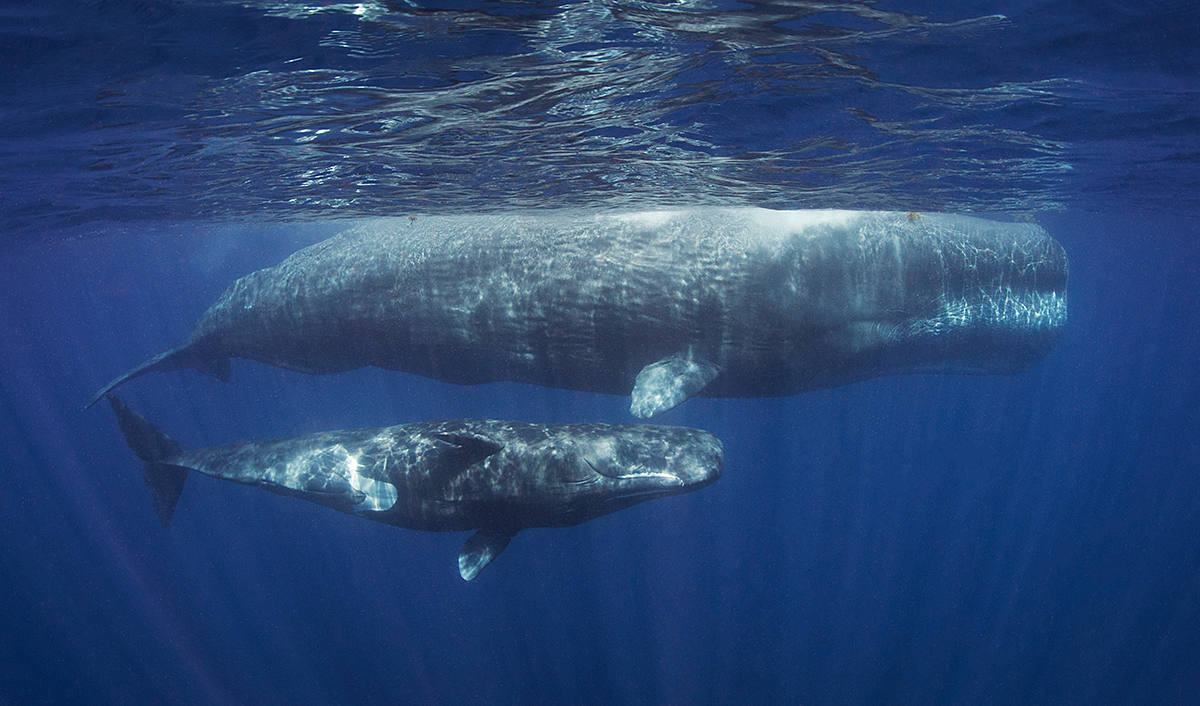
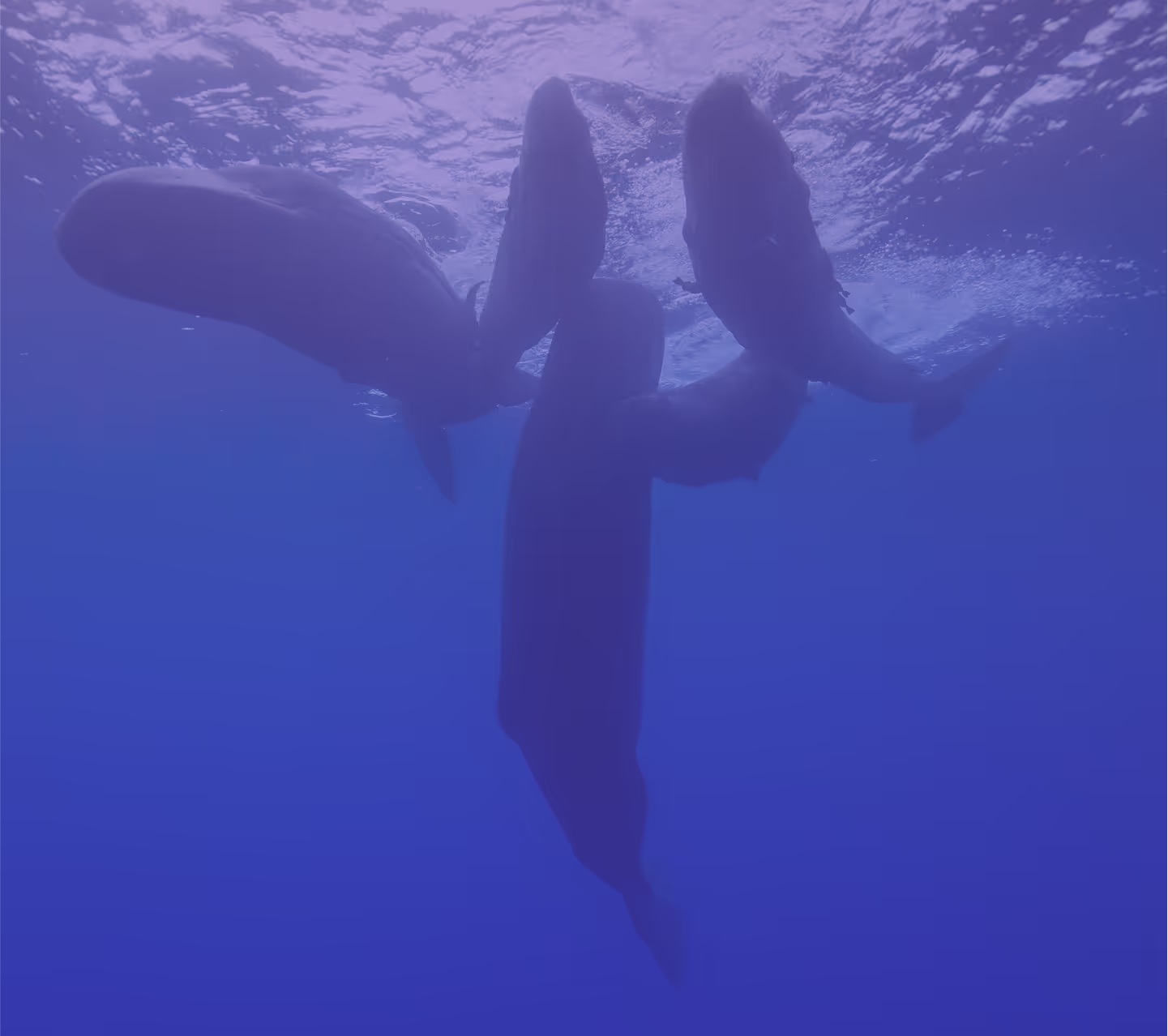
On July 8, 2023, the Project CETI team encountered 11 sperm whales (8 adults and 3 calves) from a well-studied unit off the coast of Dominica. When we first encountered the whales and began recording video and audio with our aerial drones and synchronized hydrophones, their behavior seemed different than usual. What we then witnessed was surprising – a sperm whale birth. Over six hours we documented the most extensive dataset of any cetacean birth ever recorded. The group of whales (who included both family and non-family) worked collaboratively to keep the newborn afloat for several hours, until its fluke unfolded and it could swim properly.
We observed notable changes in vocal patterns surrounding the birth, including during interactions with pilot whales that occurred shortly afterward. The only other time a sperm whale birth was even witnessed by scientists was in 1986, with a few other scattered observations made while hunting whales. The most frequent coda type during the birth (1+1+3, or Type 3) is thought to relate to the social identity of the Eastern Caribbean Clan, the group these whales belong to.
.avif)
Amanda Cotton
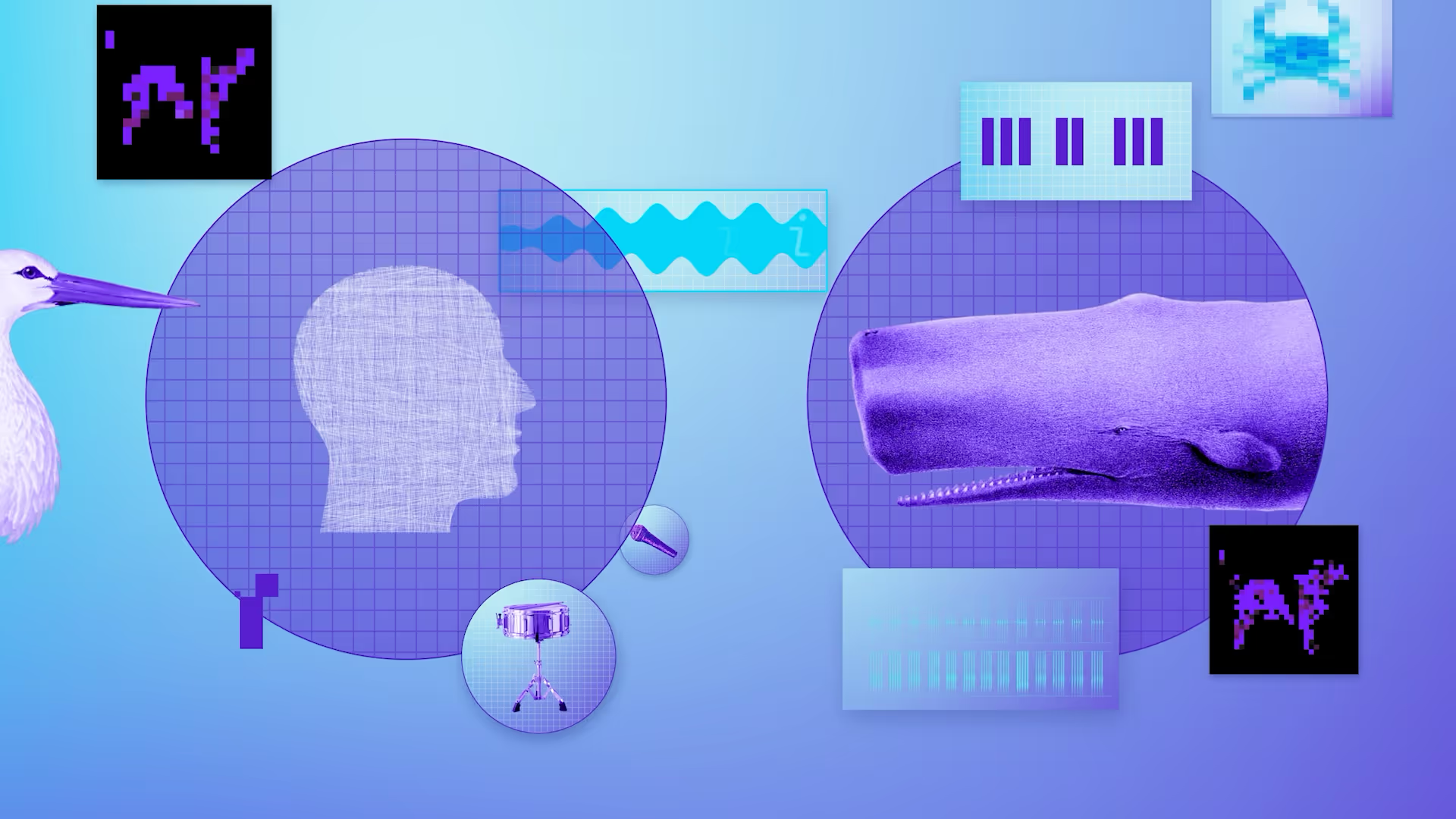
While sperm whale vocalizations may sound nothing like human speech—they produce clicks that emit from the top of their heads. Yet, when examining their spectral properties closely, CETI Linguistics Lead Professor Gašper Beguš found striking parallels between whale clicks and human vowels. Just as humans use mouths and vocal cords to shape sounds, whales use phonic lips and an air sac, which they manipulate in a similar way.
At first, their clicks seem entirely unlike our vowels. That’s because whale clicks are slow, while human vowels are fast. By removing the silences between clicks and speeding them up to match the tempo of human speech, clear patterns and a resemblance began to emerge and the patterns closely resemble our vowels.
CETI has already identified two such vowel-like sounds—corresponding to the human “a” and “i”—being used in whale communication. These patterns are so distinct and consistent that you can literally transcribe them.
Click here for coda and vowel visuals.
.png)
Kogia - Raja Iliya
Songs of the Humpback Whale
In 1970, Dr. Roger Payne released the album “Songs of the Humpback Whale,” which served as an anthem for the Save the Whales movement and became the bestselling environmental album in history. These whale songs were given to Roger a few years earlier by Frank Watlington, a Navy engineer. Roger carefully wrote out “Listening Instructions” that accompanied the album. In the fall of 2019, Roger visited Dr. David Gruber, CETI’s Founder and Lead in New York City and handed him a box of compact discs. Inside were recordings from Payne’s decades of oceanic exploration. Among them was a notable disc labeled “Humpback Tape 2, April 28, 1964 – Frank Watlington”.
Watlington, a U.S. Navy engineer stationed in Bermuda during the Cold War, was originally tasked with eavesdropping on Soviet submarines and monitoring dynamite blasts via hydrophones (underwater microphones). But in the early 1950s, his equipment began picking up something unexpected: unfamiliar, melodic sounds echoing through the ocean. Watlington soon realized he was hearing the vocalizations of humpback whales swimming nearby.
More than a decade later, in 1967, after the recordings were declassified, Watlington passed them on to a trusted friend—Roger Payne—who was also conducting marine research in the area.
With Songs of the Humpback Whale, mediation occurs on several levels: through the ocean itself, through Watlington’s Cold War-era hydrophone technology, and through the choices made in track editing. As anthropologist Stefan Helmreich notes, “To think transductively demands inquiry into the very histories and languages that organize conceptions of sensing—and is, therefore, an endeavor in dialogue with the anthropology of sensing more generally.”
So while the recordings may seem raw or “natural,” they are deeply embedded in human context. They are not just documents of nature—they are products of it, captured and shaped by human hands, culture, and history.
swim with us
Stay in the current with whale wisdom straight to your inbox.
Echoes through time
For centuries, we’ve looked to animals, hoping to understand their voices and their worlds. Today, we have the chance to be the generation that finally does.
CETI’s vision to reframe our connection to the natural world is part of a timeless journey rooted in listening.
~50,000,000 BCE
The First Known Whale
The first known "whales" ancestors are pakicetids, famously known from Pakicetus inachus, described from Pakistan in 1981. Pakicetus is a wolf-sized amphibious mammal that did not yet have any specialization for underwater hearing. Within 10 million years, cetaceans had completely adapted to life in the water.
13th century
Whale as an Ancestor or Teacher
Whales convey ancestral knowledge, often associated with oceanic memory and balance with nature. For the Māori, whales are considered sacred, with legends like Paikea, the ancestor who arrived riding a whale. Also in Māori mythology, whales were chiefly regarded as being derived from Tangaroa (the God of Oceans). They were seen as guardians during the long ocean voyages and there are tales of dolphins and whales carrying people to safety. They were often deemed to be tapu (sacred). In Pacific Northwest Tribes, Orcas are seen as powerful beings with spiritual importance and stories linking them to undersea societies.
1839
Communication Between Sperm Whales
In his book The Natural History of Sperm Whales, Thomas Beale writes: “All sperm whales, both large and small, have some method of communicating by signals to each other, by which they become apprised of the approach of danger, and this they do, although the distance may be very considerable between them, sometimes amounting to four, five, or even seven miles. The mode by which this is effected, remains a curious secret.”
1940
Shifting Perceptions of Whales
National Geographic Magazine releases the significant article “Whales, Giants of the Sea” by Remington Kellogg with illustrations by Else Bostelmann. This is one of the first times that whales were portrayed as intelligent, playful, sentient beings living in cultural communities and it had a very positive public response. These intricate and detailed paintings also show the different ways whales and humans live alongside one another within different geographies.
If we were to assume
“
If we were to assume these whales were ours to do with as we pleased, we would be as guilty as those who caused their extinction
– Spock, Star Trek IV: The Voyage Home
1960
Exploration of the Bottom of the Ocean
”The first humans to reach the bottom of the Mariana Trench, a region known as Challenger Deep, the deepest part of the ocean. Their dive provided valuable insights into the deep sea and inspired future explorations.
1977
Songs of Humpback Whales sent to Space in Voyager Golden Record
A Golden Record containing a curated collection of sounds and images representing Earth, including the sounds of humpback whales. This "message in a bottle" was intended for any extraterrestrial life that might encounter the spacecraft. The record was a collaborative effort, with key roles played by Carl Sagan and Ann Druyan.
Are you sure you speak whale?
“
Are you sure you speak whale?
– Dory, Finding Nemo
2020
Project CETI is Formed
CETI represents the most ambitious and technologically sophisticated effort ever made to understand the communications of another species, bringing together the world's leading experts in artificial intelligence, natural language processing, complex systems, marine biology, cryptography, linguistics, robotics, engineering, and underwater acoustics.
Some people talk to animals
“
Some people talk to animals. Not many listen though. That's the problem.
– A.A. Milne, Winnie-the-Pooh
Keep listening
Explore the science, meet the whales, and uncover the future of interspecies communication with the latest articles, research, and updates from Project CETI.
Careful Listening for Decoding the Deep
CETI presents WhAM, a major milestone in the scientific exploration of bioacoustics and interspecies communication.
“Is it possible that the intelligence of Cetaceans is channeled into the equivalent of epic poetry, history, and elaborate codes of social interaction?”
— Carl Sagan, The Cosmic Connection
All you’ve got to do is listen
Hold your breath and dive deeper with us. Listen to the Whales.
Every donation brings us closer to unlocking the key to saving our oceans.
change tomorrow
Shop sustainable, limited-edition collectables to support CETI’s research.
SHOP OUR POD PICKS