in the text below anything written by ai is in plain text where as my commentary is lowercase, italic, and in a block-quote, with blemishes not edited out.
a little while ago i read about this concept of “dark software factories” popularized (or maybe even invented?) by Dan Shapiro. the idea here is pretty simple. in a dark factory software is created but no human writes OR reads any code. everything is created by ai. which means its the engineer’s job is to build the system that builds the software.
recently (as in just now as i was writing this post) i realized that the assist sandcastle system is actually a dark factory. 99% of the users who build and deploy software for their companies using assist never look at a single line of code yet can go from idea to fully deployed application.
my agents and i have spent hundreds (probably thousands if you consider parallel agents) of hours constructing the primitives (databases, dependencies, tools etc) that makes the assist sandcastle system work.
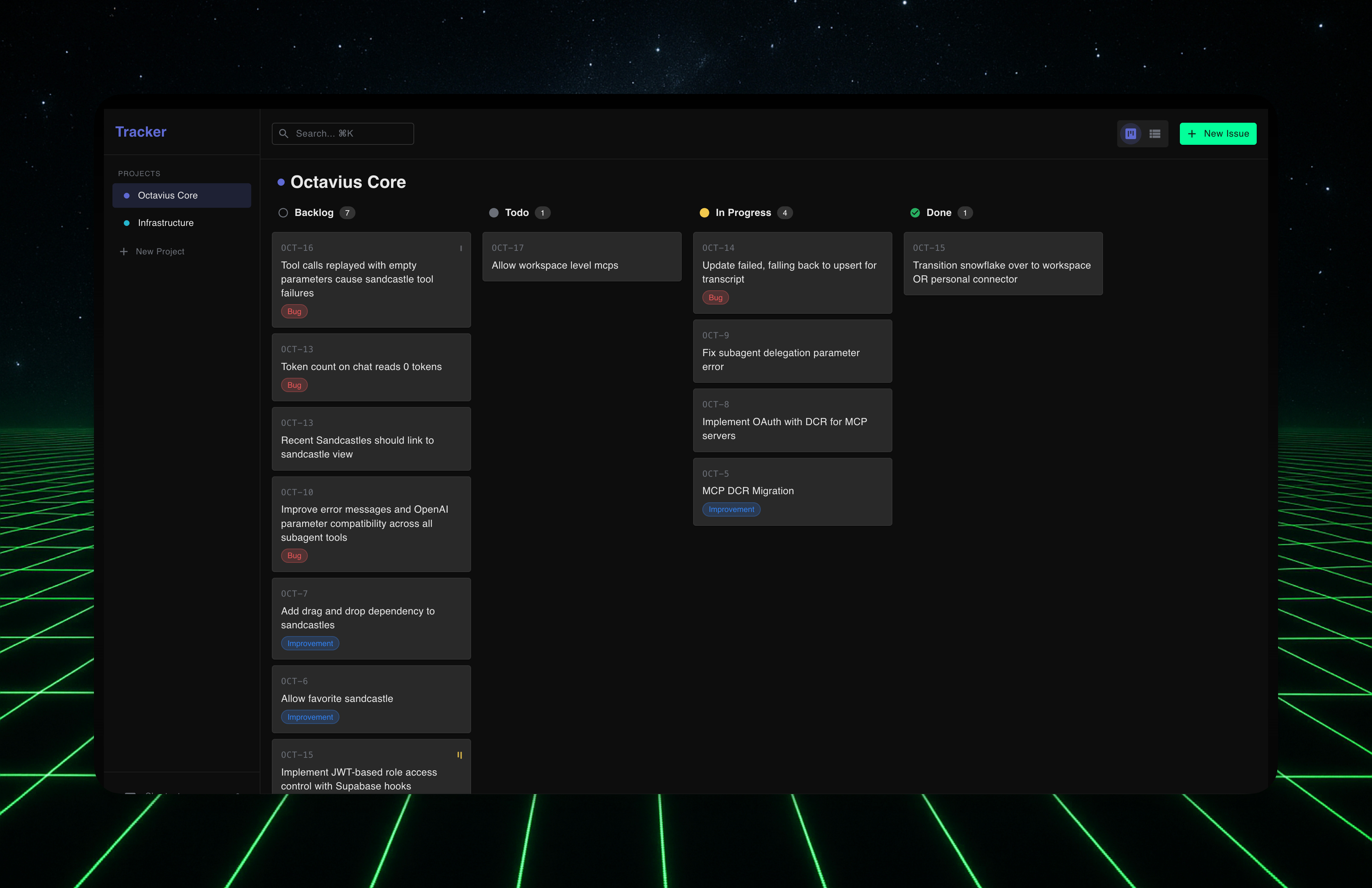
sandcastle that replicates functionality similar to a popular issue tracker
but so far my journey with assist has been a “do as i say not as i do” proposition. ai has contributed pretty much all of the code in the codebase. but although i have security audit agents, ops agents, documentation agents, and testing agents, i am still always the final reviewer. thus i am still the main bottleneck.
this last week i wanted to see if i could find a way to fire myself.
for a long time i’ve been wanting to replace the agent loop in assist. this part of the system makes the calls to the various language models and is responsible for executing code on behalf of the models. it is isolated so its the perfect kind of thing for a dark factory experiment.
i started by pointing codex with gpt-5.4/max reasoning at a blank project and started having the llm write a spec. then i realized that chatting with ai as it builds the app is doing the same old thing i normally do.
the key is to build the thing that builds the thing and go touch grass.
naively you could say that gpt-5.4 is “the thing that builds the thing”. but if i just told it to rebuild the loop at this stage i would be stuck testing it.
i need a broader approach.
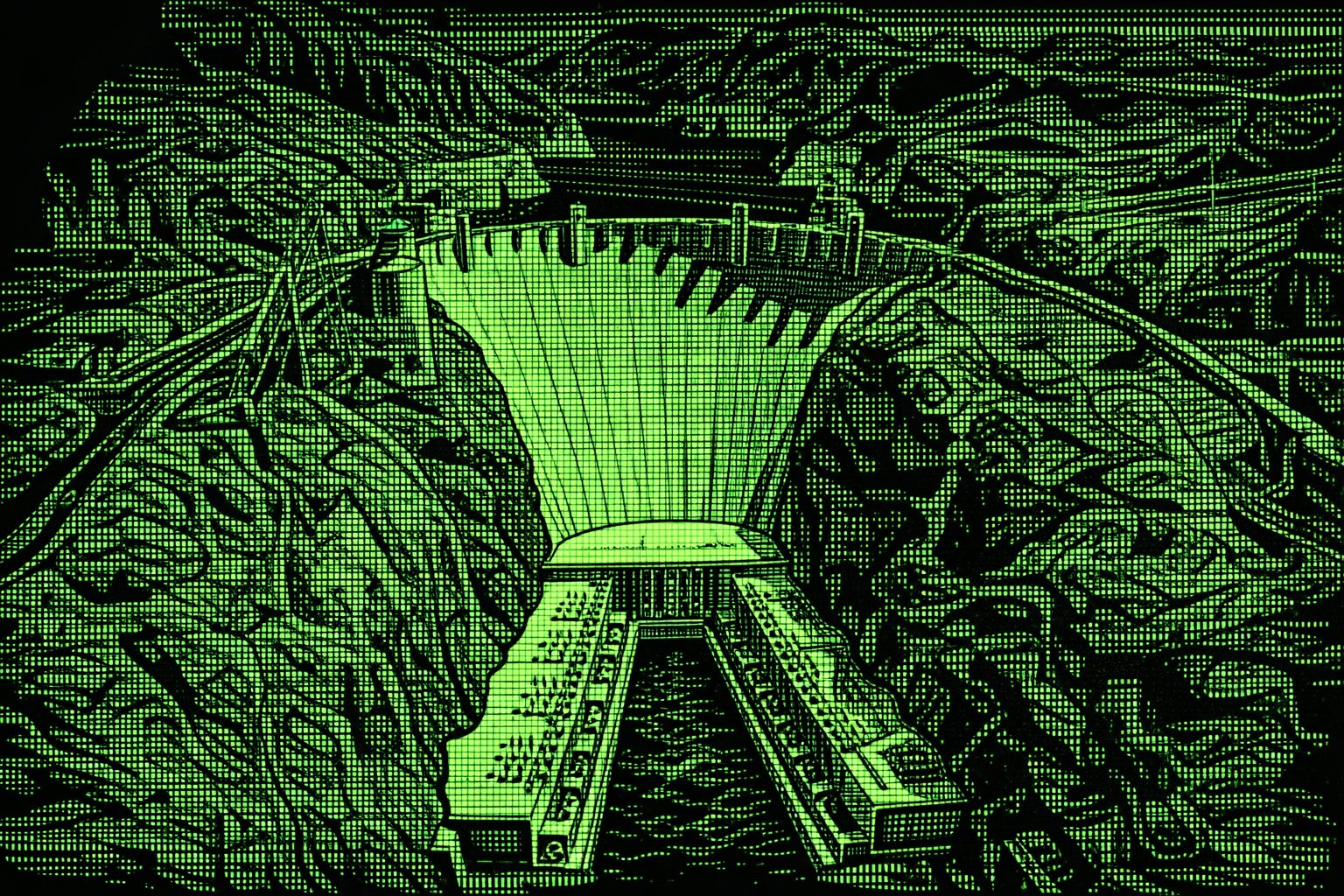
what we (all of humanity) collectively are starting to realize is that a ai sitting idle waiting to be prompted is like a river being held back by a dam. in the case of the dam the difference between some water flowing through a canyon and power for a city comes down to the system that you put in place.
when i talk to software engineer friends who are having an existential crisis these days i try to explain to them that the future of software is in building dams for ai. only a few believe or understand me, most think i’m crazy. maybe i need a new analogy…
back to the agent loop project. i put some thinking around what would be the best way to harness the power of gpt-5.4 and concluded that it would need a closed system to hammer out all of the errors and edge cases.
what i needed to have is gpt-5.4 generate the code for the agent loop and then run the loop on its own, look at the outputs and iterate on the code until it converged on what it thought was the right solution.
terrified about how many tokens this would take to run on both sides (i dont have vc money to burn), i fired up my nvidia dgx spark w/ gpt-oss (openai’s open source model) as the language model to run inside of the loop.
so the dam was set.
i setup a system where an agent is building an agent and improving the code for the agent autonomously.
this is kind of hard to think about so let me recap. gpt-5.4 (a model) inside of codex (a loop), is building another loop (assist-loop) that uses another model (gpt-oss).
the more time i work on ai systems, the more time i spend thinking through fractal (self similar) systems like this which is hard.
i told codex (in yolo mode) to get started with a prompt. something like “build a world class, battle hardened agent loop service with a openai compatible model at endpoint {url}, this should sit in a docker container and be communicated with over gRPC”
i left and let the models play off of each other and build. a few hours later i came back to a finished loop that is usable and waiting for deployment. now i just need to resist the urge to take a look at the code.
maybe next time ill have it make a binary and delete the source.
everyone is sleeping on the secondary and tertiary picks and shovels that are benefiting from ai tailwinds right now. tailscale is the easy button implementation of the wireguard vpn. its not an ai product BUT it allows for people who are running ai models or harnesses on local machines to access that machine from anywhere in the world.
another example: the amount of money we spend on ci/cd build servers has increased an order of magnitude. more ai agents = pull request = more automated builds and deployments of the platform.
people are overly focused on building ai developer tools right now but really the place to be building (and investing) is in this secondary and tertiary picks and shovels.
A team of engineers used OpenAI's Codex to ship an entire product from an empty repo—every line of code, tests, CI, docs, and tooling written by agents. After 5 months: ~1 million lines of code, ~1,500 merged PRs, hundreds of internal users. Humans wrote zero code— they just specified intent.
this is a banger out of openai. its almost as if building systems around these models is the future…
Salesforce rebuilt its entire platform for agents, exposing every capability -- data, workflows, business logic, governance controls -- so agents like Claude Code, Cursor, and Codex can operate it without ever opening a browser.
this is big news for a big company! but if salesforce is just an api call then are they just a thin wrapper over a database. if they are a wrapper then why cant i just have an agent design and execute against any db?
Anthropic launched Claude Design, bringing agentic capabilities directly into design workflows and expanding Claude’s surface area well beyond code and text.
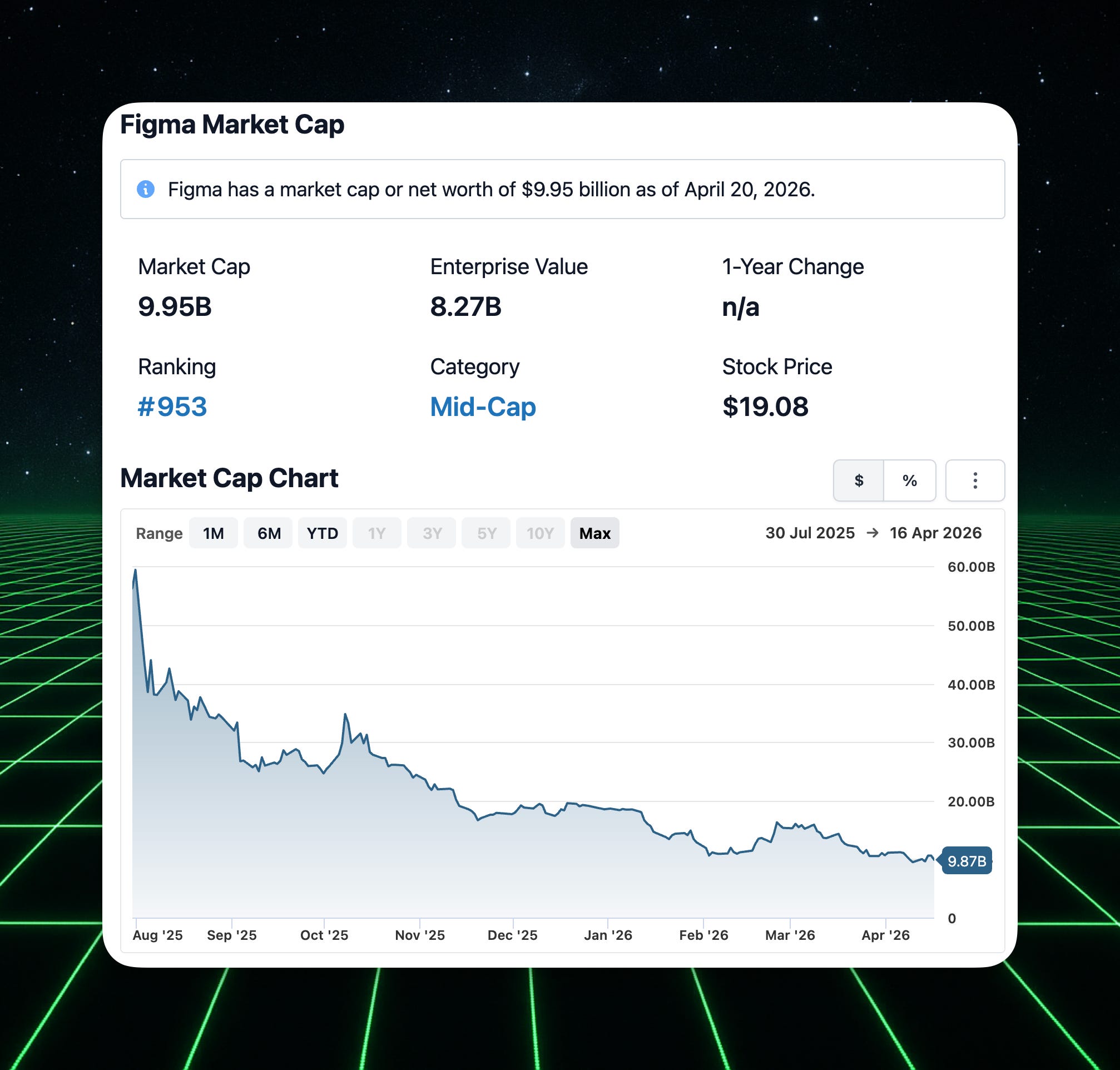
i’ll never forget the time when i told a vc “vertical saas is going to zero” and they looked at me like i’m crazy. turns out that this is happening faster than i thought.
Uber burned through its entire 2026 +$3b AI budget in months after Claude Code usage exploded past internal projections — CTO says they're "back to the drawing board" on cost controls.
i’ve seen this kind of thing at a smaller scale. clients typically are surprised when their opex increases as ai is applied to the org. this is a framing issue. growth will take time to show up (growth was always lagging) and cost savings will only be realized once trust in the systems is established.
Public confidence in AI is declining sharply, with a majority expecting AI to do more harm than good -- and that skepticism is blocking real infrastructure: $156B in data center projects stalled in 2025, and Maine just passed the first statewide data center ban.
skill issue. people just need to see ai appled to their lives in a positive way. if people don’t have the skills to make this happen we as technologists need to help them.
The top 20% of companies are capturing three-quarters of AI’s economic value through reinvention and new revenue -- while the majority remain stuck in pilot mode.
turns out the power also playing out in ai. i thought this was a possibility but tokens are a commodity so im still trying to think about why. is it purely just brand? anyone have any ideas?
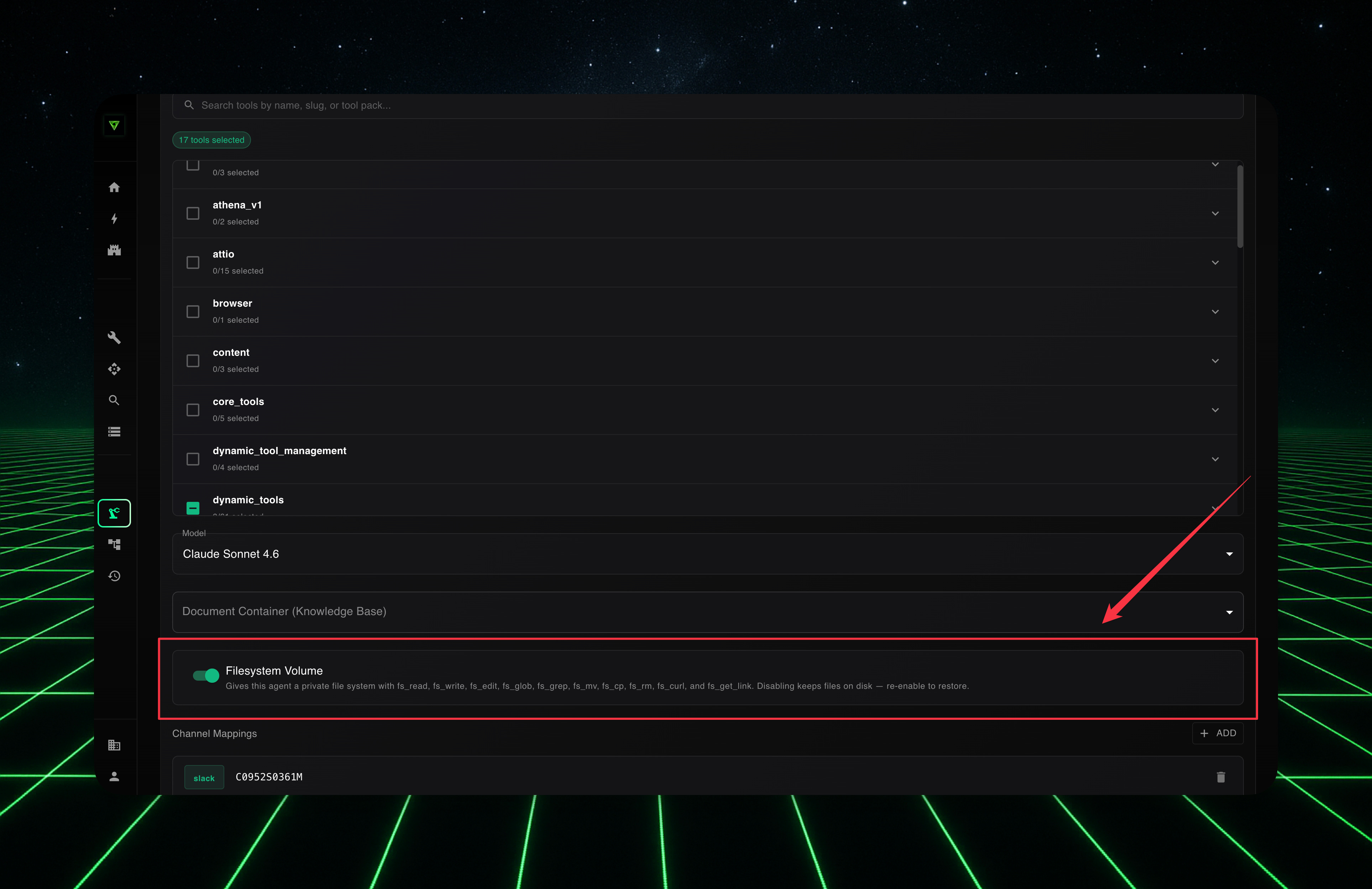
Assist’s Agent Filesystem gives your AI agents a private, persistent place to save files, notes, and drafts that survive across chats with full permission controls tied to agent access.
realizing that the the filesystem can help agents be more effective was a big unlock. seems obvious but being able to create, edit, delete files in its own folders gives agents a memory which makes them more effective. we shipped this for public consumption last week. hope you all like it.