Here’s a tale of how nature triumphs in the end.
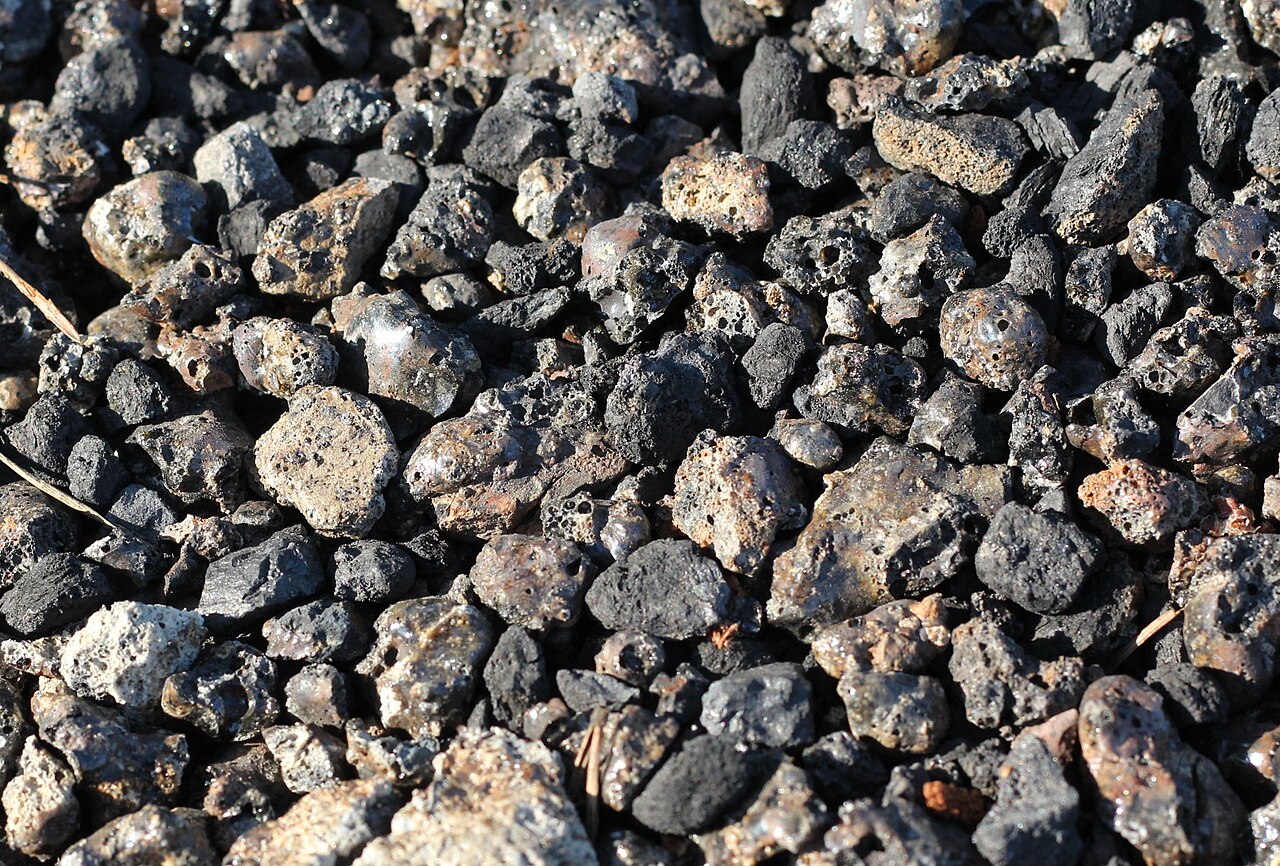
Steel mills dumped molten slag in parts of Chicago and nearby areas. The slag hardened in layers up to 5 meters deep. These places became barren wastelands. Other industries dumped hot ash and cinders there.
But eventually the steel mills closed.
The deep layers of hard, toxic material were not friendly to plants. Cottonwoods are usually 30 meters tall or more. In the slag fields, stunted cottonwoods grow to just 2 meters.
But rare species that could handle these conditions began to thrive. The lakeside daisy, a federally threatened species lost to Illinois for decades, turned out to grow taller on slag than on topsoil! The capitate spike-rush, last recorded in Illinois in 1894 and considered locally extinct, was rediscovered growing on slag.
And more! Native prairie grasses like little bluestem. Native milkweeds. Even tiny white orchids called sphinx ladies’ tresses:

A team of women ecologists began studying these unusual landscapes. They call themselves the Slag Queens.
Ecologist Alison Anastasio visited a former US Steel South Works site
in Chicago. She expected to just find “crap plants”: common invasive weeds. To her surprise she spotted little bluestem and three species of native milkweed. She already knew she didn’t want a career as an academic scientist. But she came up with the idea of forming a group to study this ecosystem: “a dream team of people I wanted to work with”.
She knew Laura Merwin from the University of Chicago, and later she met Lauren Umek, a project manager for the Chicago Park District. She invited them to brunch to pitch her idea to research plants growing on slag. Not for any obvious career goal. Just out of sheer curiosity.
Merwin and Umek were excited to join her project—which she called a
“reverse side hustle,” since it involved a lot of work, but didn’t make any money: it actually costs money.
And thus the Slag Queens were born.
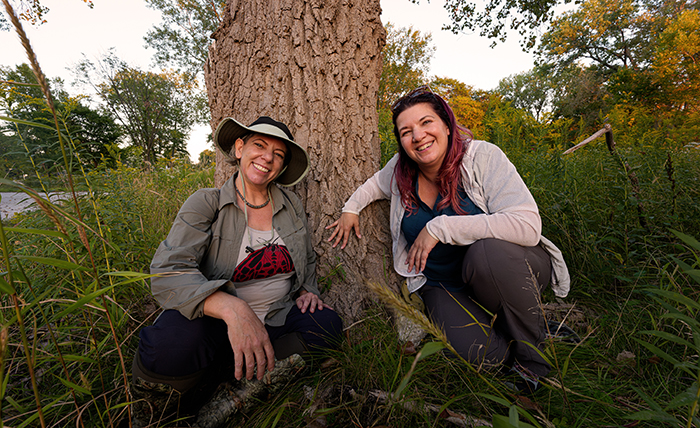 Alison Anastasio (left) and Lauren Umek (right) along with Laura Merwin (not pictured), formed the Slag Queens in 2018. Photograph by Jason Smith.
Their first paper, Urban post-industrial landscapes have unrealized ecological potential, was published in Restoration Ecology in 2022. It argues that slag fields don’t need to be fixed. They have ecological value in and of themselves. And land managers should forget whatever ecosystem was there before. Instead, they should look to more exotic ecosystems as a guide, like the dolomite prairies of Illinois, where magnesium-rich rock near the surface makes it hard for ordinary plants to thrive. Slag too is rich in magnesium.
The Slag Queens are continuing their revolutionary work even now! For more, start here:
• Carrie Gous, The beauty of slag, UChicago Magazine, Winter 2026.
Some of what I just wrote is a paraphrase of this article.
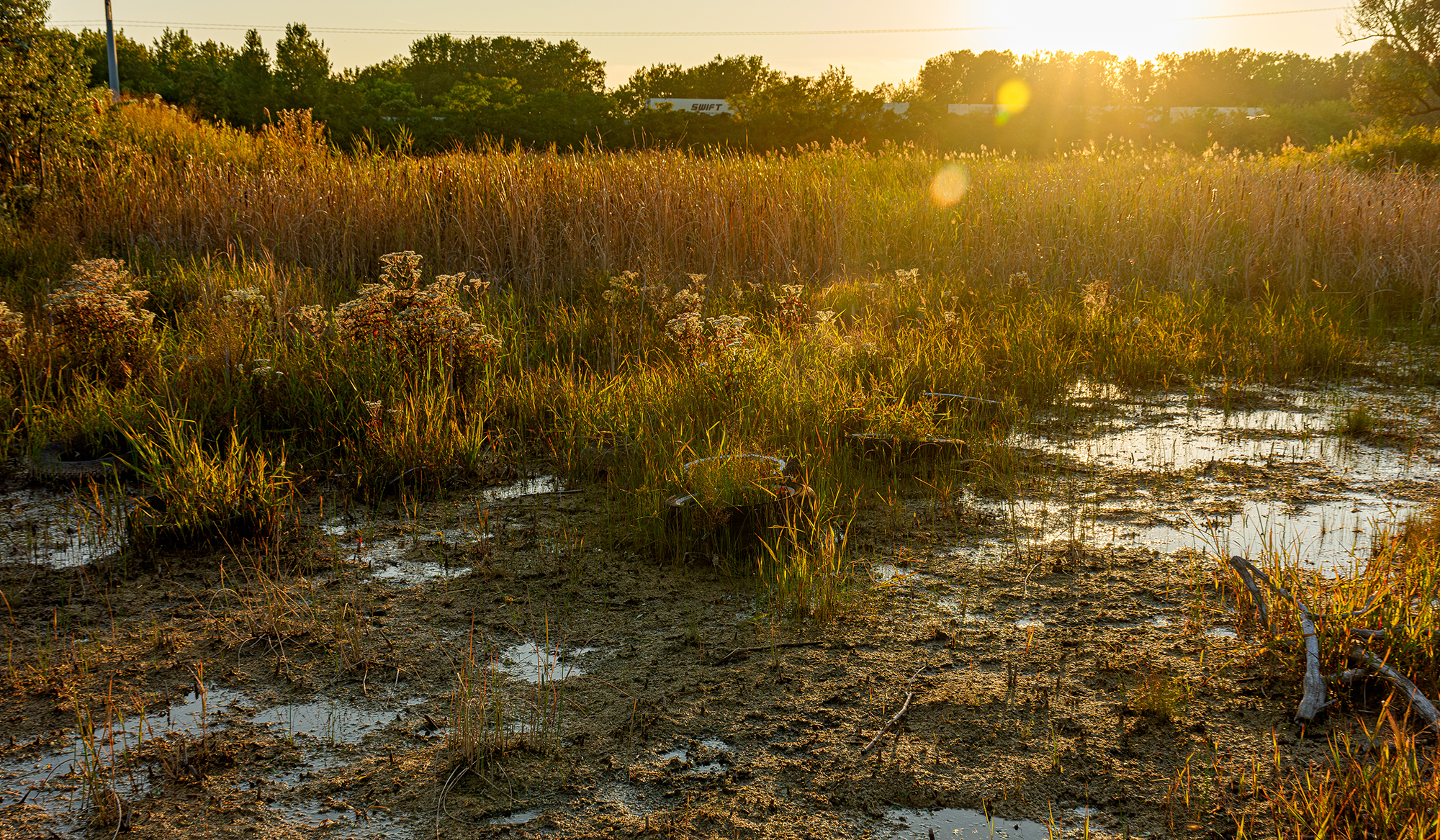
The Marian R. Byrnes Natural Area, in Chicago. Photograph by Jason Smith.
This entry was posted on Tuesday, February 3rd, 2026 at 4:44 am and is filed under biodiversity, biology. You can follow any responses to this entry through the RSS 2.0 feed. You can leave a response, or trackback from your own site.