Alright. What the fuck is going on with DistroKid?
A friend of mine posted a video yesterday that was as dystopian as it was terrifying.
If you have ever cared about culture’s relationship with creeping automation of everyday life, you need to understand what’s happening in that video.
He’s a fully independent artist who uses a platform called DistroKid to distribute his music, something that he has in common with over 30% of artists in 2026.
If you’ve never put out music, here’s some context.
Independent artists aren’t able to upload songs to streaming platforms without a distributor. To get songs onto platforms like Spotify, they pay an annual fee to a platform like DistroKid, who will then deliver the music to the platform and collect royalties on their behalf. Feels like a great service, right? Well, not exactly.
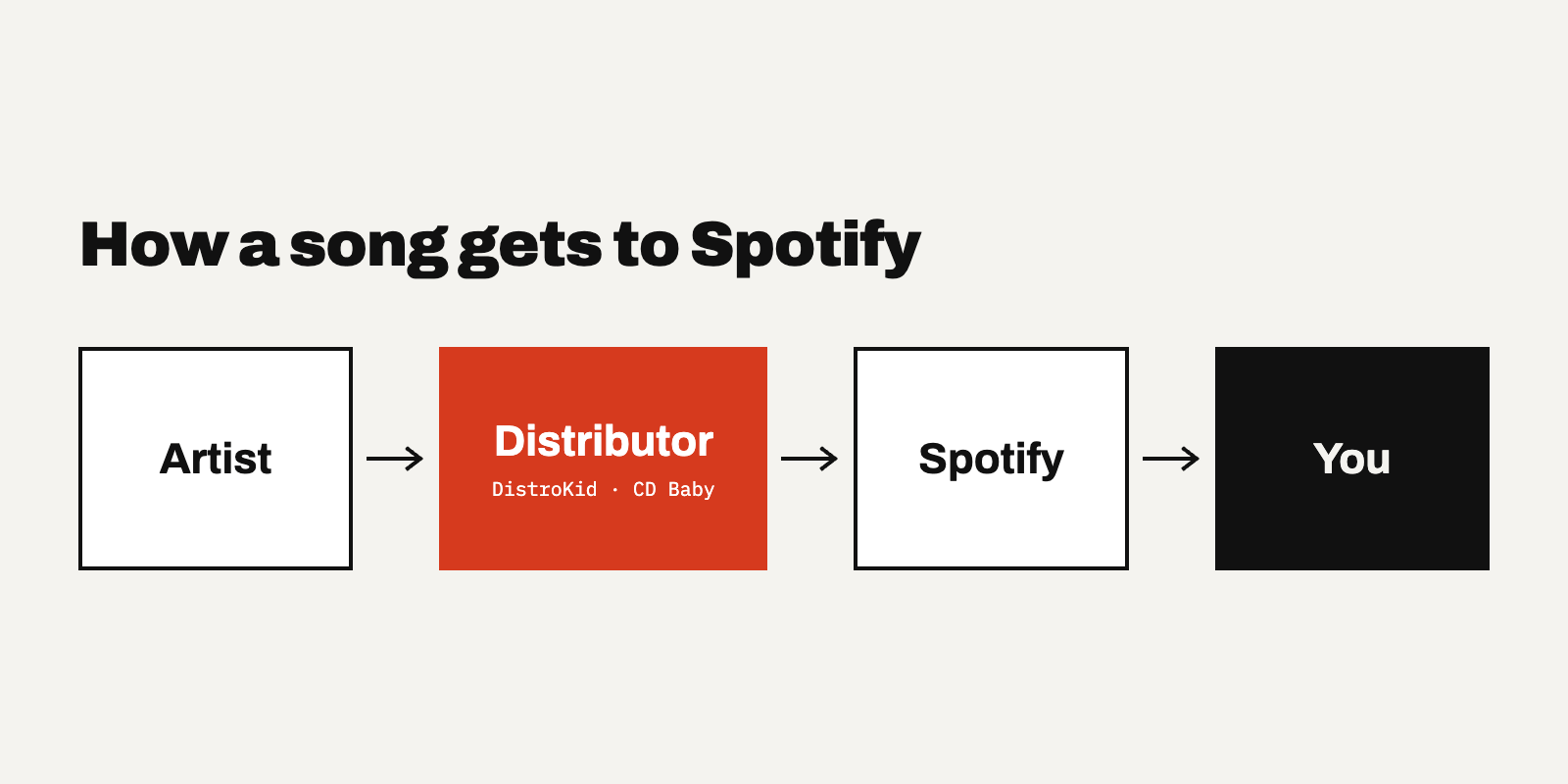
This makes distribution platforms the gatekeeper.
If the distribution platform decides they want to pull your music off of these platforms, they have the power to do so with a couple of clicks. Poof. Your music disappears on Apple Music, Spotify, TIDAL, Qobuz, you name it. Just like that.
Yesterday, Josh Sahunta woke up to a notification that his 2023 album MellowDrama had been taken down because it was flagged for AI use and copyright infringement.
The most absurd part of the story is that the album was released in 2023, before AI song generators went mainstream. He wrote, recorded, mixed, and mastered all the tracks with no use of AI, yet it was flagged and taken down because DistroKid is in the middle of a spiral while being held at gunpoint by the biggest music company on the planet.
The brutal thing is that when he tried to clear his name and prove that he, a human, made this music, he hit a brick wall. There’s no appeal form or customer service line to dispute the claim. He was fully SOL.
Now Josh, along with hundreds of other artists, is sitting in Spotify jail with no trial and no release date. This means his upcoming releases are frozen and his life’s work got wiped by a computer script that can’t tell the difference between a human playing guitar and a robot generating white noise.
Independent artists around the world are being held hostage by the same platforms that promised to democratize the music industry.
Anyone who’s paid attention to the music industry over the last decade knew that AI slop was flooding streaming services. We knew that music with no real artists behind it had been sitting in Spotify’s pipes for years.
Deezer reported that over 100,000 songs are uploaded to streaming platforms every single day, with AI slop and “ghost artists” accounting for about half of that.
Everybody knew it! Hell, Spotify was caught (very publicly) paying production companies to make ambient and cafe jazz tracks under fake artist names so they could pay fewer royalties to real artists. I wrote about it months ago in ‘The Spotify Experiment That Changed My Mind.’
So the obvious question is, why does the industry all of a sudden care?
The short answer is that slop only becomes a problem when it becomes someone’s liability.
For as long as Spotify has existed, ghost artists have been generating revenue for everyone involved. The scammers were farming streams and getting paid while the distributors were collecting subscription fees and providing the pipes. Everyone was laughing on their way to the bank to cash their cheques.
It was working beautifully for everyone except real human artists.
And then, on September 15th, 2026, shit hit the fan. Universal Music Group (the biggest music company on the planet) filed a federal lawsuit against DistroKid for providing the pipes of AI-slop to the masses.
They pointed to an industrial-scale abuse of the system, citing single accounts that were uploading thousands of tracks a year. Because, let’s be real here, what kind of human can pump out a thousand tracks in a calendar year?
But what made them care? Why the panic on September 15th, and why is DistroKid in a downward spiral mass deleting songs off of streaming platforms?
Well, the trigger behind all of this comes from two places. DistroKid sold itself as a home for real human artists while letting AI slop pour through its pipes, and it allowed knockoffs of UMG’s recordings to flow through its platform. AI music platforms were scraping music from the entire internet and training themselves on music without permission.
And since UMG owns about one third of the recorded music that exists in the world, you can see why they started to give a shit. When corporate copyrights start to get threatened by the slop and they lose their share of the market, they’re left with no choice but to protect themselves by pointing the finger at the pipes that put them there.

In the case, UMG is demanding damages of $150,000 per song.
So when a company is faced with a multi-hundred-million-dollar lawsuit, they aren’t left with much of a choice. So they smashed the panic button, deployed automated scanners that detect and purge suspected AI tracks immediately in an attempt to cover their own ass.
Which brings us back to Josh and all of the independent artists being wiped from existence in this desperate attempt to backpedal out of the mess that’s been created.
The economics are simple, and it’s something called the math of asymmetric liability.
A subscription to DistroKid costs about $25 per year.
That’s the price that human artists pay to get their music out to the world. When the automated scanners delete an innocent human artist’s album, the platform risks losing $25 per customer.
On the other side, if the automated scanners miss a single song that infringes on Universal’s copyright, they’re risking $150,000 in damages to pay back to UMG.
So when the financial penalty for leaving a fake song on streaming is about 6,000x that of the revenue earned from a human customer, the system is engineered to delete first and ask questions later.
You would think that AI detection algorithms are pretty good at telling whether music is AI or not, so why are we hearing about hundreds of artists getting screwed over by this phenomenon?
Deezer’s AI detection software is considered the industry benchmark, and claims that it has about a 99.8% accuracy rate. Pretty good, right?
Well, DistroKid puts music on streaming platforms for about 4 million artists around the world. It’s estimated that they facilitate anywhere from 30-40% of all new music released. That means that DistroKid has put over 60 million songs on Spotify.
So what’s 0.2% of sixty million tracks?

That’s 120,000 songs that were potentially made by humans, no longer allowed to exist on streaming platforms.
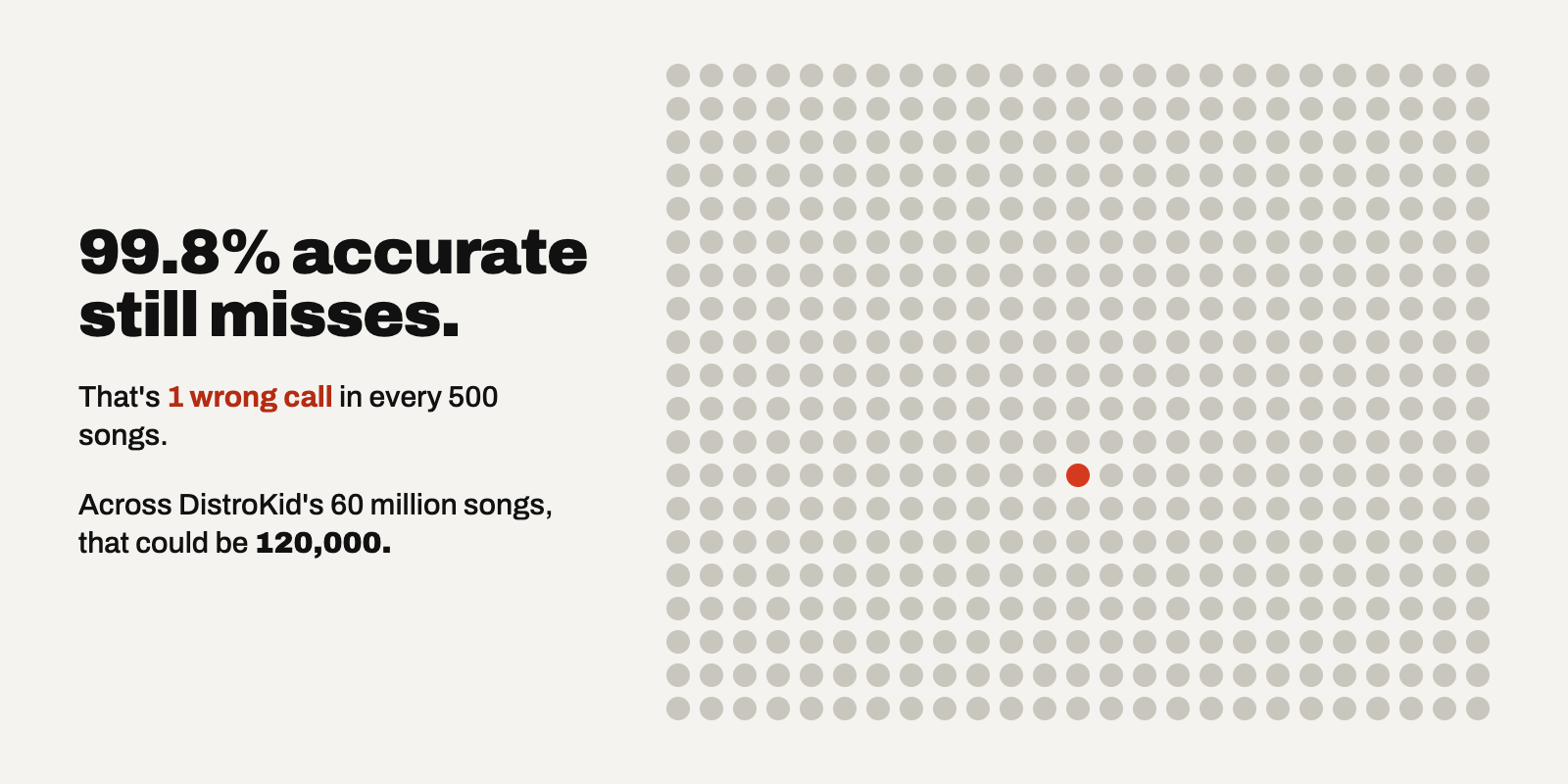
120,000 songs that were paying rent for struggling musicians, destroyed by a system that refuses to pick up the phone when they’re called out for their error margins.
I wish there were a happy ending to this story, but honestly nobody comes out of it looking good.
I’ve been in the business long enough to remember when DistroKid felt like a cheat code for independent culture. You paid a measly twenty bucks and you were on the same shelves as your heroes. That was pretty sexy until they removed all the gates and let the human-less pond scum flood in through the front door.
It’s important to understand that earlier this year, they sold a majority stake to CVC Capital, meaning that the same company that claimed it was democratizing music now answers to corporate risk departments that frankly don’t care about art or culture. They’re prioritizing corporate risk over fairness to artists. And you can’t blame them because, after all, that’s showbiz, baby.
And I keep coming back to a skin-crawling philosophical question that I hate to ask but can’t seem to kick as the music industry becomes more and more like the wild west:
Were the old gatekeepers a good thing after all?
To be clear, I don’t want the old music industry back.
The 360 deals and the cigar-chomping label heads can stay in the past. But these same label heads performed a very, very important function for society. And that was that they were personally responsible for deciding what entered the cultural ecosystem of what is cool.
But human judgement has been entirely replaced by the possibility of infinite scale. And now we’re using algorithms that can’t even differentiate whether a song was made by Josh Sahunta or a machine from a text prompt to clean up the flood.
So take your pick. Human gatekeepers or pieces of software that are wiping human music off because they’re only 99.8% accurate. I’ll take the humans.
There is a pretty easy fix to all this. A few months ago I proposed an identity verification process that would be mandatory for anyone who uploads music to distribution platforms and the rails already exist.
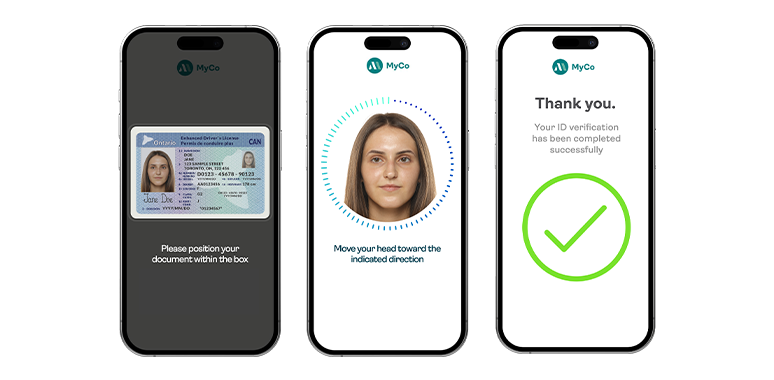
We have to upload government ID to open a bank account or rent a car, so why shouldn’t we have to verify that we are, in fact, human to publish a song onto a global streaming platform?
It’s astonishingly simple. If you can’t prove you’re a human, you can’t upload your music. This would get rid of 99% of slop and streaming fraud overnight.
But instead, we’re left with the conclusion that artists are guilty until proven human.
Artists are being punished because DistroKid is cleaning up the slop it let in. And the only way to do it at scale is by an algorithm that won’t tell them why they were flagged in the first place.
Three simple solutions that I’m begging DistroKid to steal:
Legacy catalog tracks must be reviewed by humans before being taken down.
Artists must be granted a mandatory notice and appeal window with human customer support.
Wrongly removed music must be restored with stream counts and royalties left intact.
All cheap to execute and not radical or complicated.
Go ahead, DistroKid. Your move. Everyone is watching.
Has DistroKid pulled your music? Tell me here by commenting or replying to this email. I want to hear more.