Social media promised to build a more interconnected, informed world. But now the harms the platforms are causing are exceeding the promise of greater improved conversation and global connectedness, and American democracy is at stake.
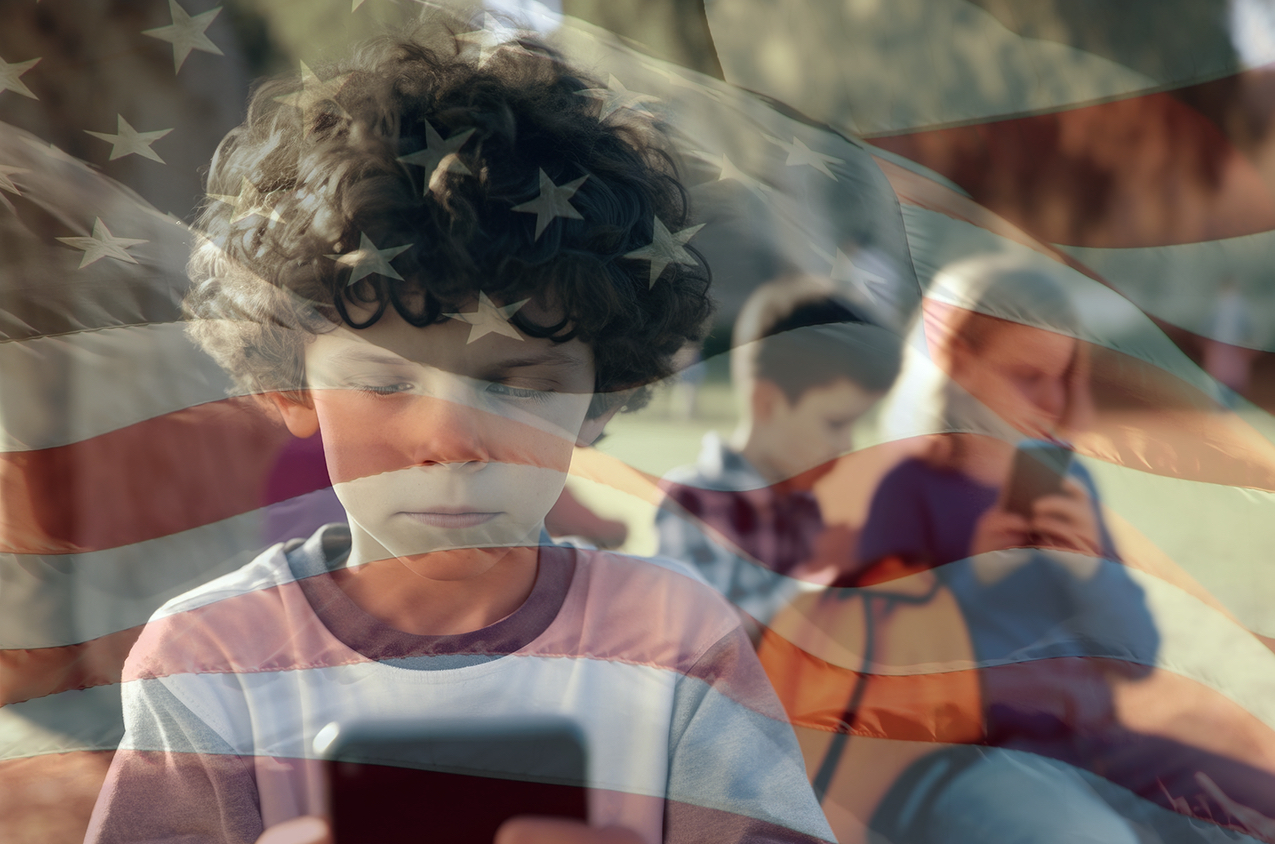
These harms are widespread: degraded mental health, especially for our children, growing political polarization, fragile democracies disrupted by propaganda, conspiracy theories going mainstream, and increased distrust of foundational institutions. How is this happening? The simple answer is that the Big Tech companies are operating with no serious accountability or oversight, and they are putting profits above the societal harms to our kids, for our communities, and to U.S. national security.
In the same way that tobacco companies designed purposefully addictive products, marketed those products aggressively to teens and adults, and suppressed research about their product, today’s social media companies are obscuring the truth and preventing change.
We need to adopt significant bipartisan solutions, and that’s exactly what the Council for Responsible Social Media is all about. The Council brings together a multi-sectoral group of leaders who are focused on finding solutions to the technological harms to our kids, communities, and national security. The Council brings together Republicans and Democrats, policymakers and members of the media, impacted communities and key stakeholders to elevate a bipartisan conversation and advance impactful, achievable solutions.
Strategies and Tools
As a unique and unified voice, the Council will change the national conversation around social media reform so it is focused on meaningful, achievable and bipartisan solutions. Here’s how we’ll do it:
Advocate for key policies both at the federal and state level.
Publicly pressure social media platforms to make meaningful platform and internal governance changes.
Hold bipartisan public hearings — both in-person and virtual — that are open to the press and highlight testimony from parents, pediatricians, child psychologists, national security leaders and tech experts who can shed light on the impact of decisions being made inside the platforms.
Serve as a resource for the media, providing bipartisan insights, information, and quotes. The Council will point reporters and producers to academics, advocates, other stakeholders who also have bipartisan or nonpartisan credibility.
Develop and strategically distribute powerful written and video content about the harms caused by social media.
Council Co-chairs
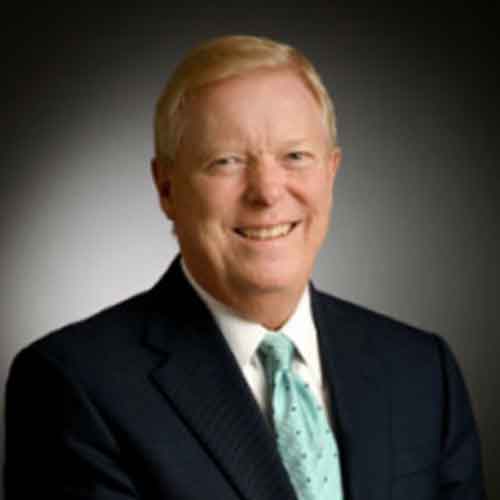
Dick Gephardt
Fmr. Congressman (D-MO) and Majority Leader
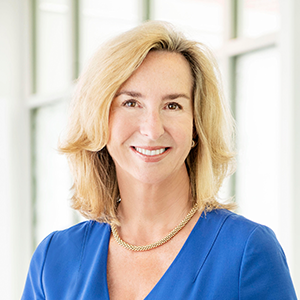
Kerry Healey
Fmr. Lieutenant Governor (R) of Massachusetts
Former Members of Congress
Cheri Bustos Fmr. U.S. Congresswoman (D-IL)
Steve Israel Fmr. U.S. Congressman (D-NY), Director of the Institute of Politics and Global Affairs at Cornell University
Claire McCaskill Fmr. U.S. Congresswoman (D-MO)
Reid Ribble Fmr. U.S. Congressman (R-WI)
Denver Riggleman Fmr. U.S. Congressman (R-VA) and Senior Technical Advisor to the U.S House Select Committee on the January 6 Attack on the U.S. Capitol
Chris Shays Fmr. U.S. Congressman (R-CT)
Public Sector Experts
John Bridgeland Co-chair and CEO of More Perfect and fmr. Director of the White House Domestic Policy Council
Susan Coppedge Fmr. U.S. Ambassador-at-Large for the Office to Monitor and Combat Trafficking in Persons and Executive Director of the Georgia Legal Services Program
Linda Douglass Fmr. Head of Global Comms, Bloomberg Media; Senior Vice President at Atlantic Media, and Communications Director in the White House’s Office of Health Reform
Dan Glickman Fmr. Secretary of Agriculture and Congressman (D-KS)
Nathaniel Lubin Fmr. Director of the Office of Digital Strategy at the White House
Tommy Thompson Fmr. Governor of Wisconsin (R), Secretary of Health and Human Services
Tom Wheeler Fmr. Chair of the Federal Communications Commission
National Security Experts
R.P. Eddy CEO of Ergo and fmr. Director of the White House National Security Council
Laura Edelson Assistant Professor at Northeastern University, Co-director of Cybersecurity for Democracy
Porter Goss Fmr. Director of the CIA and Congressman (R-FL)
Chuck Hagel Fmr. Secretary of Defense and U.S. Senator (R-NE)
Herb Lin Senior Research Scholar at the Center for International Security and Cooperation at Stanford University
Bill Owens Fmr. Vice Chairman of the Joint Chiefs of Staff and U.S. Navy Admiral
Farah Pandith Fmr. Member of the Homeland Security Advisory Council, State Department Special Representative to Muslim Communities, and Director for Middle East Regional Initiatives for the National Security Council
Leon Panetta Fmr. Secretary of Defense, Director of the CIA, White House Chief of Staff, and Congressman (D-CA)
Anjana Rajan Fmr. Chief Technology Officer of Polaris
Michael Rogers Fmr. Director of the NSA and U.S. Navy Admiral
Nicole Tisdale Fmr. Director for the National Security Council
Information Integrity Experts
Imran Ahmed Founder and CEO of the Center for Countering Digital Hate
Nora Benavidez Senior Counsel and Director, Digital Justice and Civil Rights at Free Press
Joel Bervell TikTok disinformation specialist, member of White House Healthcare Leaders in Social Media Roundtable
Roberta Braga Founder and Executive Director of the Digital Democracy Institute of the Americas
Jiore Craig Head of Digital Integrity at the Institute for Strategic Dialogue
Renée DiResta Associate Research Professor for the McCourt School of Public Policy’s Tech & Public Policy program and Massive Data Institute
Isabelle Frances-Wright Head of Technology and Society at Institute for Strategic Dialogue
Craig Forman Fmr. CEO and President of McClatchy, Executive Chairman of the Center for News, Technology & Innovation
Tristan Harris Co-founder and Executive Director of the Center for Humane Technology
Frances Haugen Facebook whistleblower and tech expert; Founder of Beyond the Screen
Sasha Havlicek Co-founder and CEO of the Institute for Strategic Dialogue
Daniel Kelley Associate Director of the Anti-Defamation League's Center for Technology and Society
Tim Love Former Vice Chairman of Omnicom Group
Vivian Schiller Executive Director of Aspen Digital, fmr. President and CEO of NPR, Global Chair of News at Twitter, and General Manager of NYTimes.com
Maria Ressa Recipient of the Nobel Peace Prize, Founder and CEO of Rappler
Craig Spencer Associate Professor of the Practice of Health Services, Policy, and Practice at Brown University
Jason Thacker Chair of Research in Technology Ethics at the Southern Baptist Convention’s Ethics and Religious Liberty Commission
Tech Accountability Experts
Danielle Allen Professor at Harvard University and Director of the Democracy Renovation Lab
Kristin Bride Social media reform advocate
Caitriona Fitzgerald Deputy Director at the Electronic Privacy Information Center (EPIC)
Mary Anne Franks Professor of Intellectual Property, Technology, and Civil Rights Law at the GW Law School; President and Legislative & Tech Policy Director of the Cyber Civil Rights Initiative
Nancy Gibbs Fmr. Editor of TIME and Director of the Harvard Shorenstein Center on Media, Politics, and Public Policy
Josh Golin Executive Director of Fairplay
Jonathan Haidt Professor of Ethical Leadership at New York University Stern School of Business, social psychologist, and best-selling author
Ravi Iyer Managing Director at the Neely Center for Ethical Leadership and Decision Making
Emma Lembke Founder and CEO of LOGOFF and Co-chair of Design It For Us
Mary Mazzio Documentary filmmaker
Sean McGarvey President of North America's Building Trades Unions
Manu Meel CEO of BridgeUSA
Trisha Prabhu Founder and CEO of ReThink
Zamaan Qureshi Co-founder of Design It For Us
Olivier Sylvain Professor of Law at Fordham University; Senior Policy Research Fellow at Columbia University's Knight First Amendment Institute
Danny Weiss Chief Advocacy Officer at Common Sense Media
Layla Zaidane President and CEO of Future Caucus
Why Issue One?
For a decade, Issue One has been a leading voice in the effort to build a democracy that works for everyone. We have defended our elections against disinformation and disruption, advanced a modern and effective legislative branch, and built broad coalitions to strengthen democracy in the face of rising polarization. In each of these efforts, we have found ourselves pushing back against the destructive influence of social media on our democracy. We have approached this work from a crosspartisan discipline, uniting Republicans, Democrats, and independents in the movement to fix our broken political system — often through high-level bodies of leaders like the ReFormers Caucus, the National Council on Election Integrity, and the Faces of Democracy campaign. Now, Issue One is applying its experience and strengths to bring attention, energy, and bipartisan problem-solving to the challenges posed by social media.