I love books that give me a new perspective on the world. Books that don’t just describe a reality, but that explain the mechanics behind it.
And the best thing about these books: they don’t just add up, they multiply. Each contributes another puzzle piece to a deeper understanding of the systems and behaviors that shape our world.
Here are ten books that do this incredibly well:
-
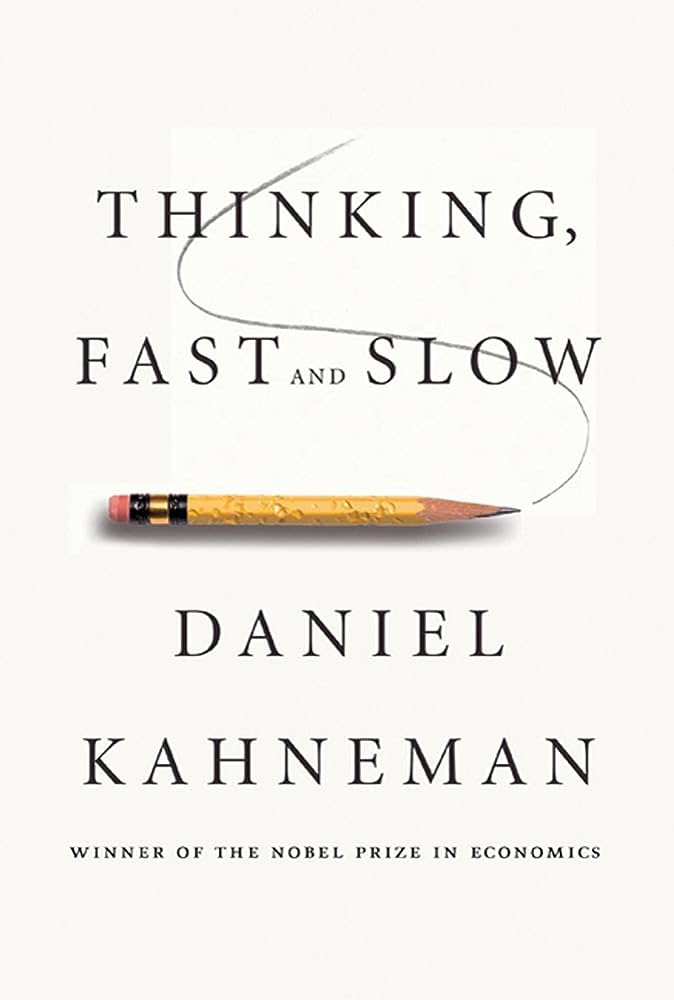
Thinking, Fast and Slow
by Daniel Kahnemann
This is probably the most quoted book of our decade. It’s a book about cognitive biases - which sounds dry as hell, but is, in fact, quite the opposite. It lists, in a condensed and informative fashion, all the ways our own thinking misleads us - whether it's our proclivity for recent events, our inability to grasp large numbers, the fact that we only learn from successful people and never hear from the ones that failed and much more. If you want to start anywhere, start here.
-
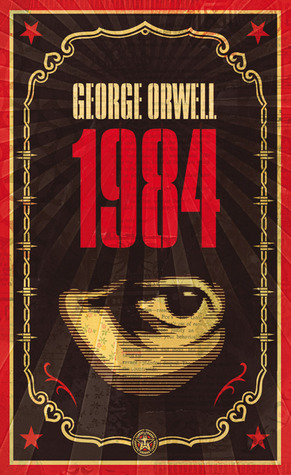
1984
by George Orwell
It’s a manual on how to run a totalitarian dictatorship, masked as a novel. It was highly relevant in the 20th centuries and it looks like it's becoming worryingly relevant again today. It also tends to be the first book that gets banned by authoritarian regimes - which should be its biggest endorsement.
-
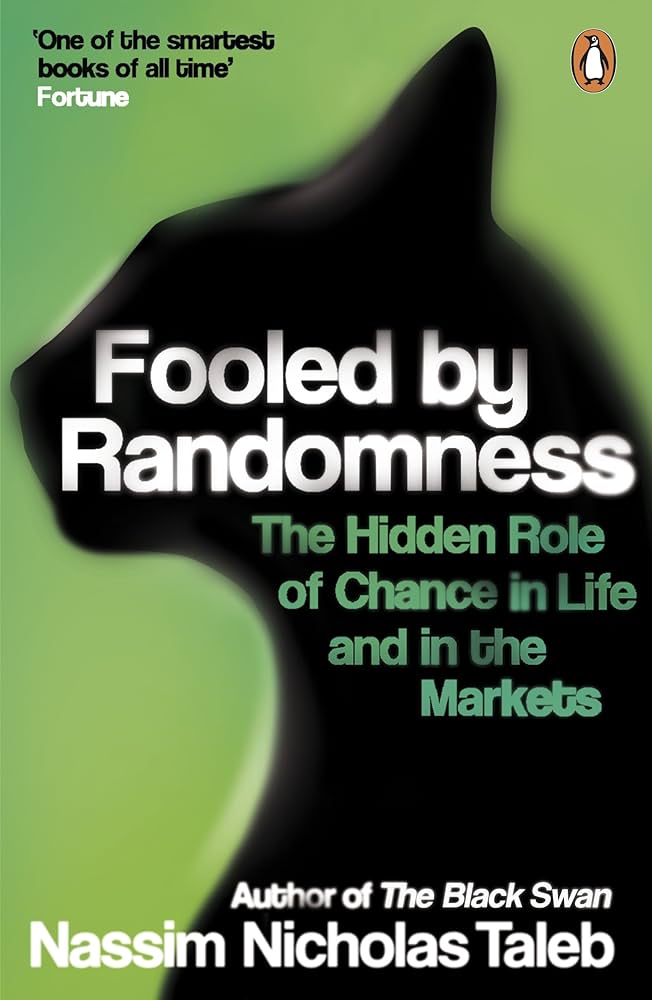
Fooled by Randomness
by Nassim Nicholas Taleb
This is a book about uncertainty and unpredictability - which are the cornerstones of the world we live in. It provides guidance on how to set yourself up for success in a world where simply no one knows what’s gonna happen next - regardless of them claiming otherwise.
-
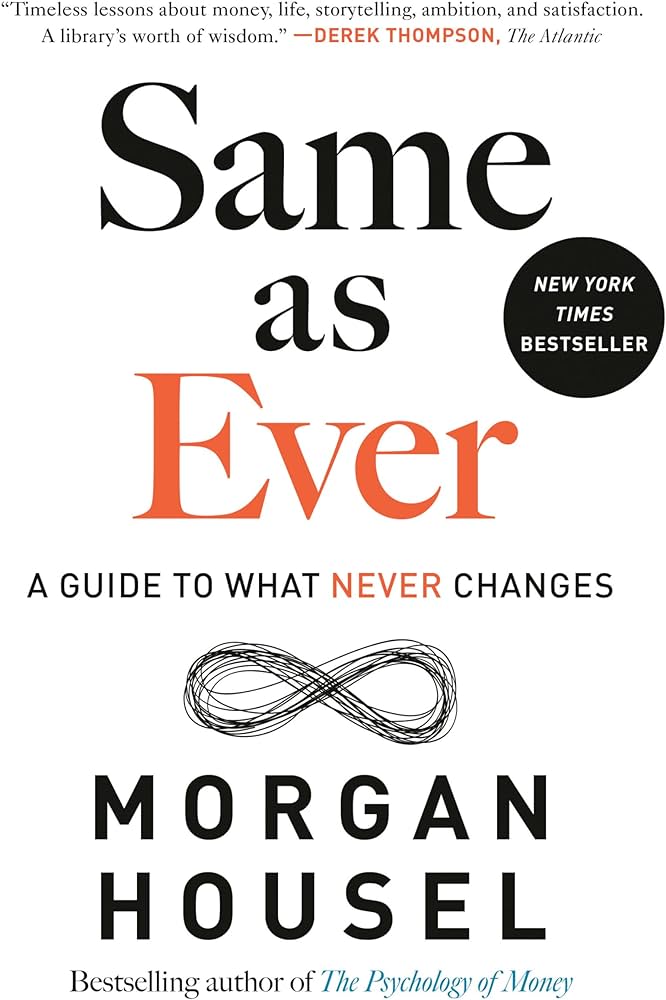
Same as Ever
by Morgan Housel
This is the newest entry on this list, having been published in November 2023. It asks a simple question: In a world of constant, accelerating change, what are the rules and behaviors that stay constant throughout time? It gives 22 answers, ranging from people craving certainty where there is none to the power of stories over facts.
-
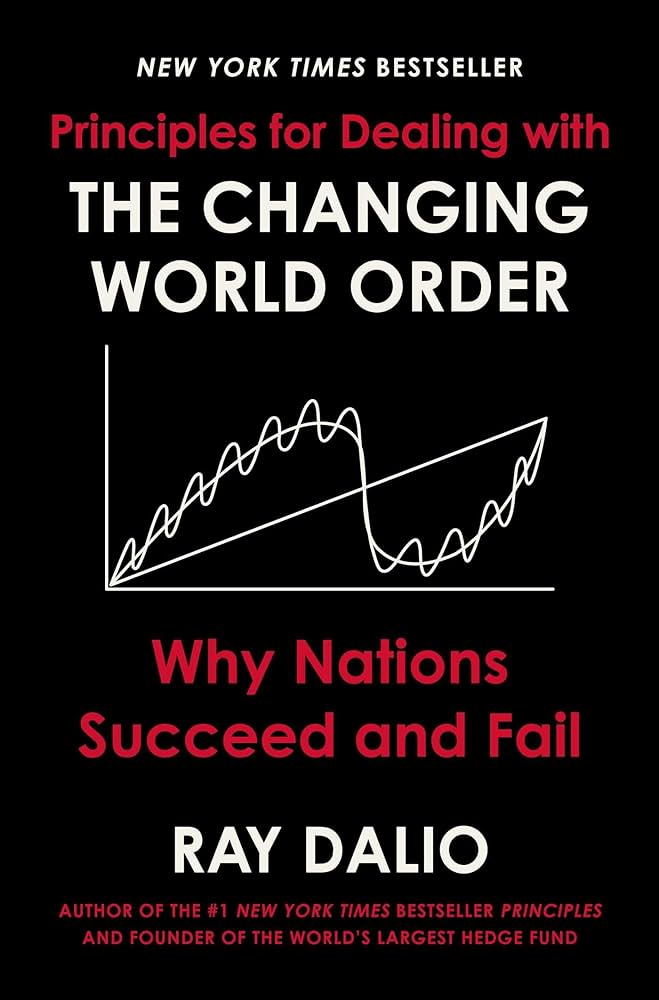
Principles for Dealing with the Changing World Order
by Ray Dalio
This is a book about the life cycles of empires. Given that we might very well be at the end of the lifecycle of the US/Western empire, this is an extremely relevant read for this moment in time.
-
Why Nations Fail
by Daron Acemoglu and James A. Robinson
This book deals with the nature of countries and their governments - and how healthy economies and societies can destroy themselves. It describes phenomena that happen all over the world and have happened all throughout history. At this moment in time, being able to see if your country is about to hit a downslope is invaluable.
-
7 Powers
by Hamilton Helmer
The seven powers are the mechanisms that allow companies to become and stay market leaders. This includes things like having a cornered resource, leveraging economies of scale or possessing an undefeatable brand. Any company from Apple to Zoom is based on one or multiple of these powers.
-
Sapiens
by Yuval Noah Harari
A book about Anthropology and why humans became the way they are - told as an engaging and insightful story. If you are a professional anthropologist you will complain about Harari’s lack of new research - if you are anyone else, you’ll appreciate the evolutionary perspective he offers on how modern society came to be.
-
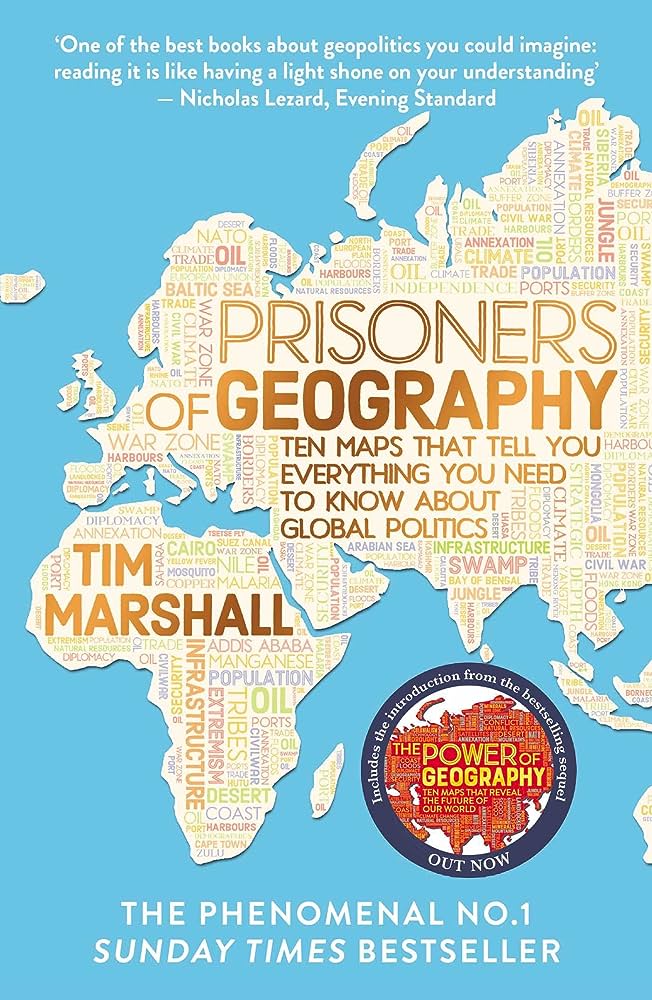
Prisoners of Geography
by Tim Marshall
Between remote work, Zoom meetings and shared Google Docs, it’s easy to forget that there are actual mountains and planes, oceans and rivers, pipelines and shipping routes between us and others. But these still have a huge impact on our lives. Tim Marshall does a great job at explaining their importance in this book.
-
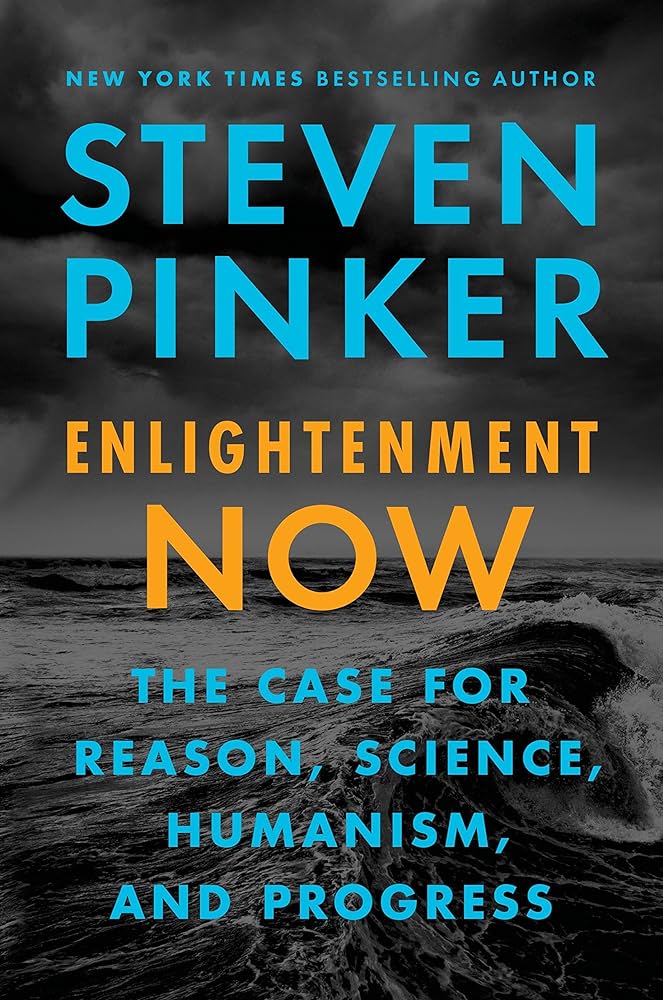
Enlightenment Now
by Steven Pinker
Isn’t the world just becoming worse every year? Well, not really - quite the opposite in fact. In this book, Steven Pinker provides a fact based view on how things have improved continuously over the centuries, how they still continue to get better - and why we don’t feel like they are.
-
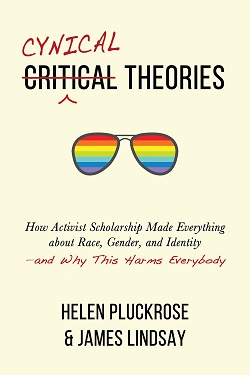
Cynical Theories
by Helen Pluckrose and James Lindsay
I’m deeply interested in the cultural movement that some would refer to as “wokeism” - not because I want to join any culture war, but because I consider it the fastest growing ideology of our time. Unfortunately, most books written about it are from strong proponents of either side. Cynical Theories is the best book I found so far when it comes to explaining the phenomenon, it’s origins and mechanisms. Unfortunately, it’s written very densely and in a somewhat academic style, making it a bit of a challenging read.
-
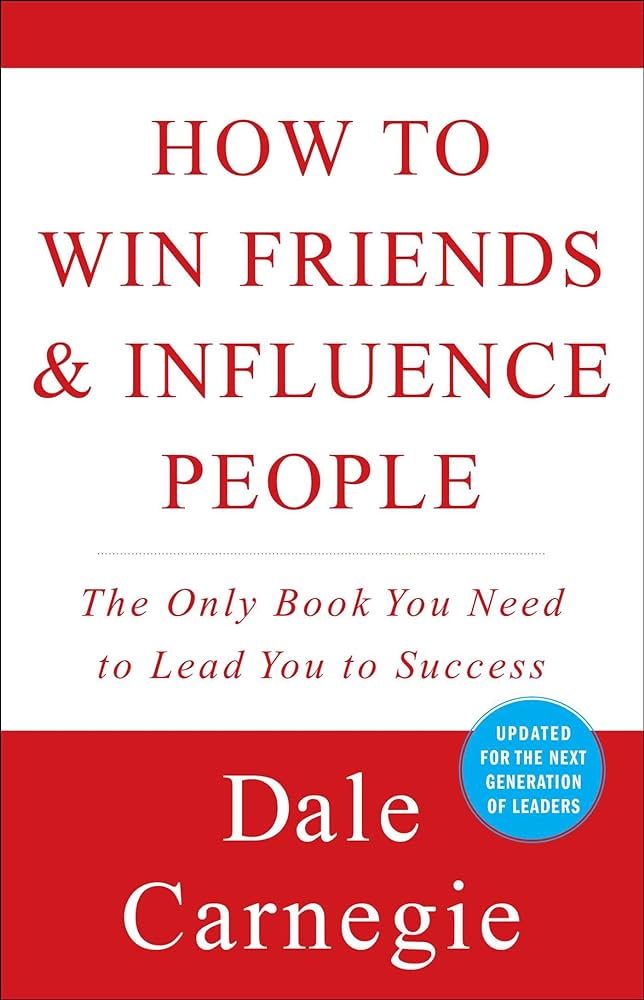
How to win Friends and Influence People
by Dale Carnegie
Still the best book on how to cultivate successful human relationships.
-
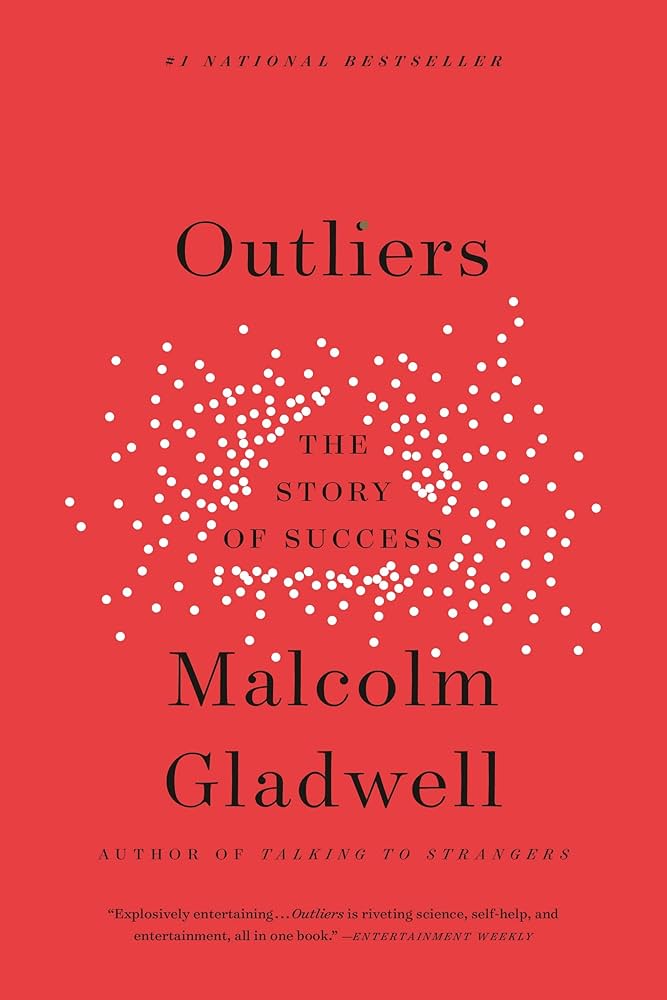
Outliers
by Malcolm Gladwell
Have you ever watched Formula 1 and thought “Hey, I can drive a car - I could probably be an F1 driver”? Well - did you start driving Go-Carts at three years old and have done very little else since? No? …well, then Malcolm Gladwell has some bad news for you. Outliers traces the story of the people at the very top of their disciplines and gives you an understanding of what it takes to succeed at that level.
-
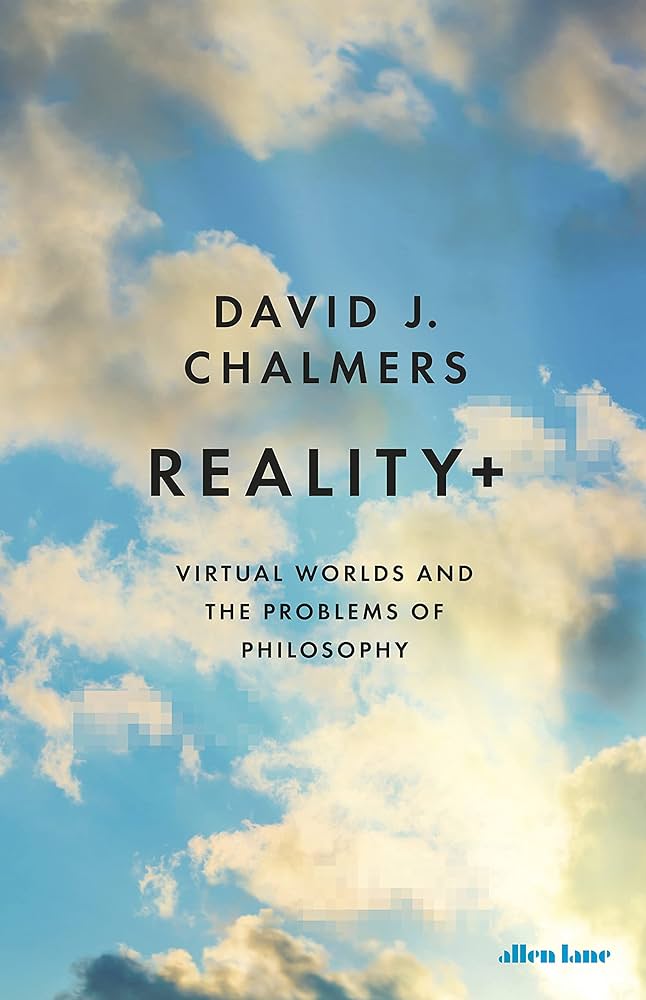
Reality+
by Malcolm Gladwell
Are we in a simulation? Well, probably. David Chalmers book Reality+ helps you to think through that assumption.
-
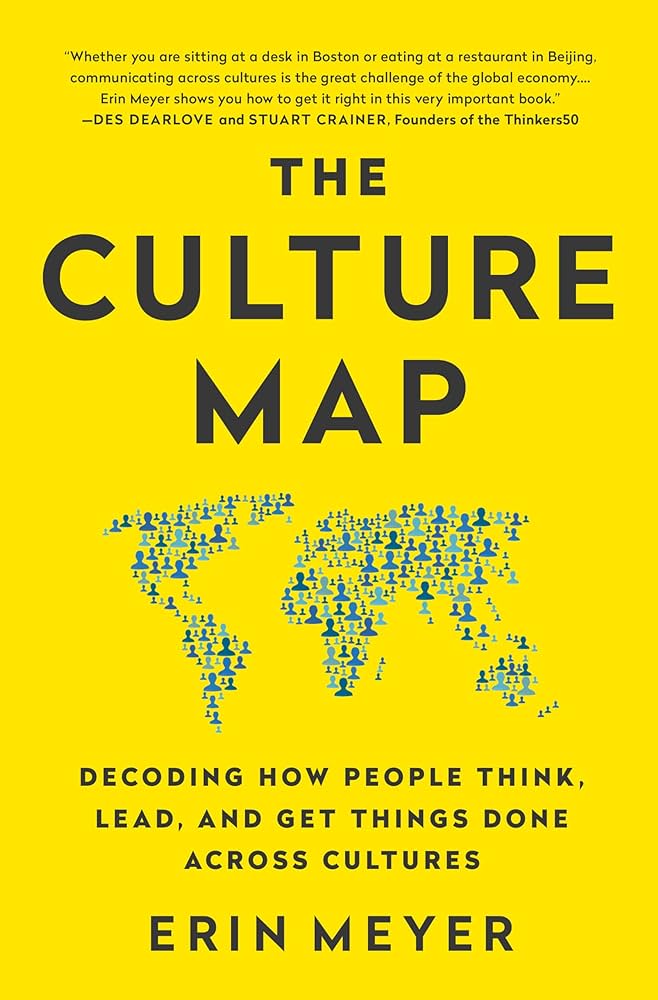
The Culture Map
by Erin Meyer
This book explains how to work with - and in fact prosper in - culturally diverse environments. This is not a book about victimhood or oppressorship, nor is it a book about cultural relativism, but a respectful, hands on guide on how to manage people and teams from different cultural backgrounds.
-
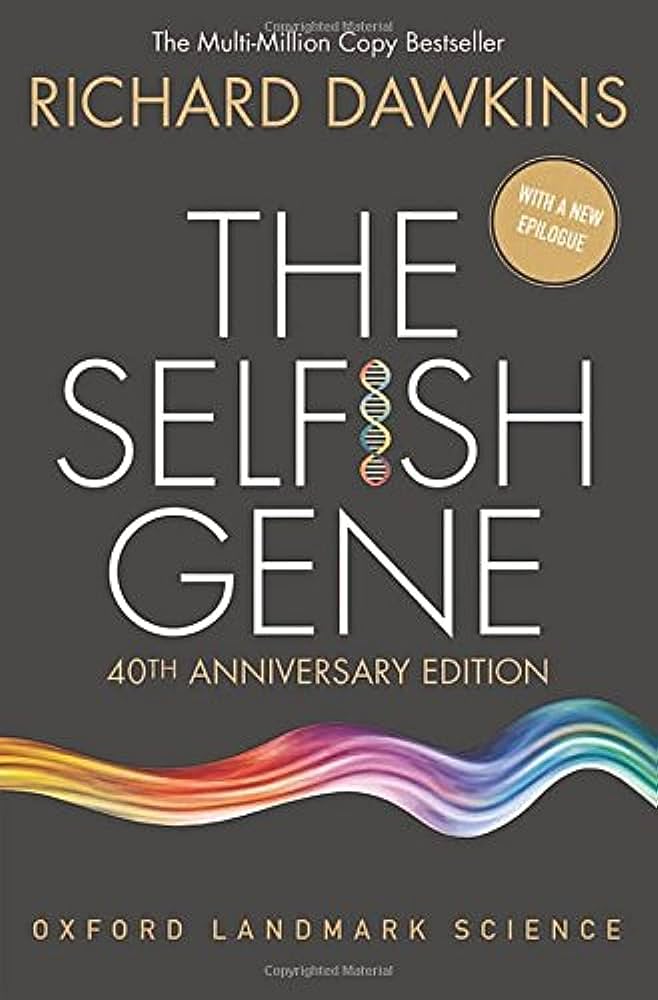
The Selfish Gene
by Richard Dawkins
A book about genetics and social darwinism - and about a fundamental mechanism of evolutionary self-interest. This book has been attacked by both Christians and Social Utopists which is an achievement in its own right, but it simply presents a truth that many seem to feel profoundly uncomfortable with.
These aren’t books about the world in general, but about smaller aspects of it that I can recommend: