You’ve seen these right?:
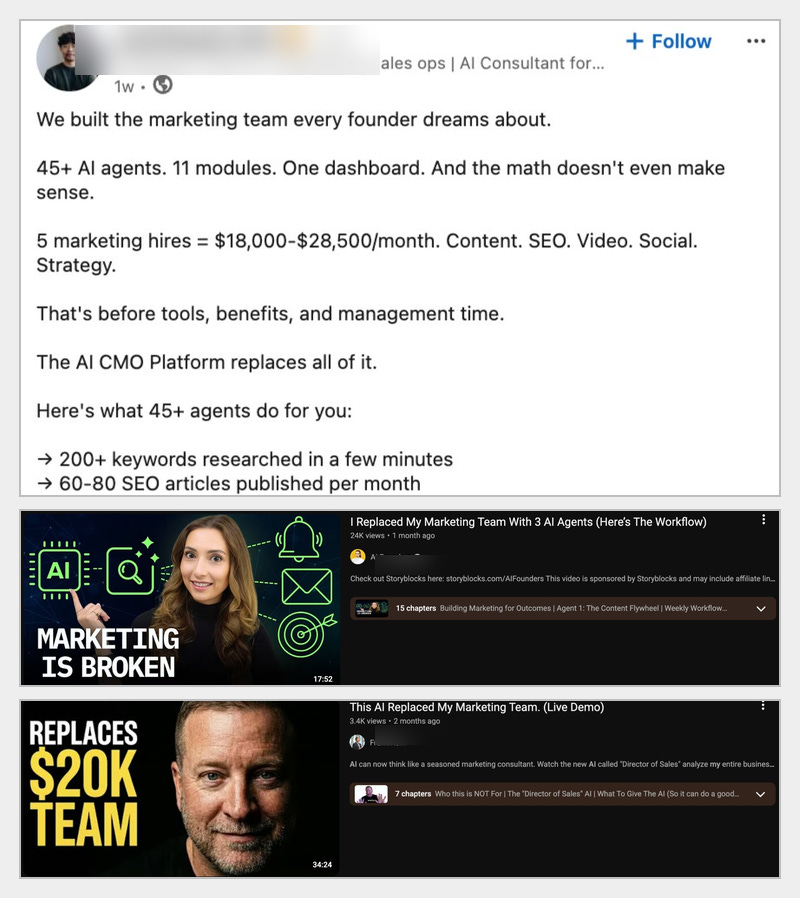
These used to make me feel like I was behind, but it turns out there’s a huge gap between these types of posts and what actual growth teams are building. Most of the “I replaced my marketing team with agents” content is engagement bait or small hacks. The people I know who are building useful things aren’t posting about replacing anyone, they’re just solving real problems and sharing their tools with their team.
Every time I talk to someone building something real for GTM, it sparks new ideas, so I asked three of my growth friends that I deeply respect: Alex Rapp (Clerk), Matt Minor (Directus), and Sarah Bedell (Railway) to share what they’ve been building (and I threw one of my tools in too). The problem, the build, the wow moment, and how you can try it yourself.
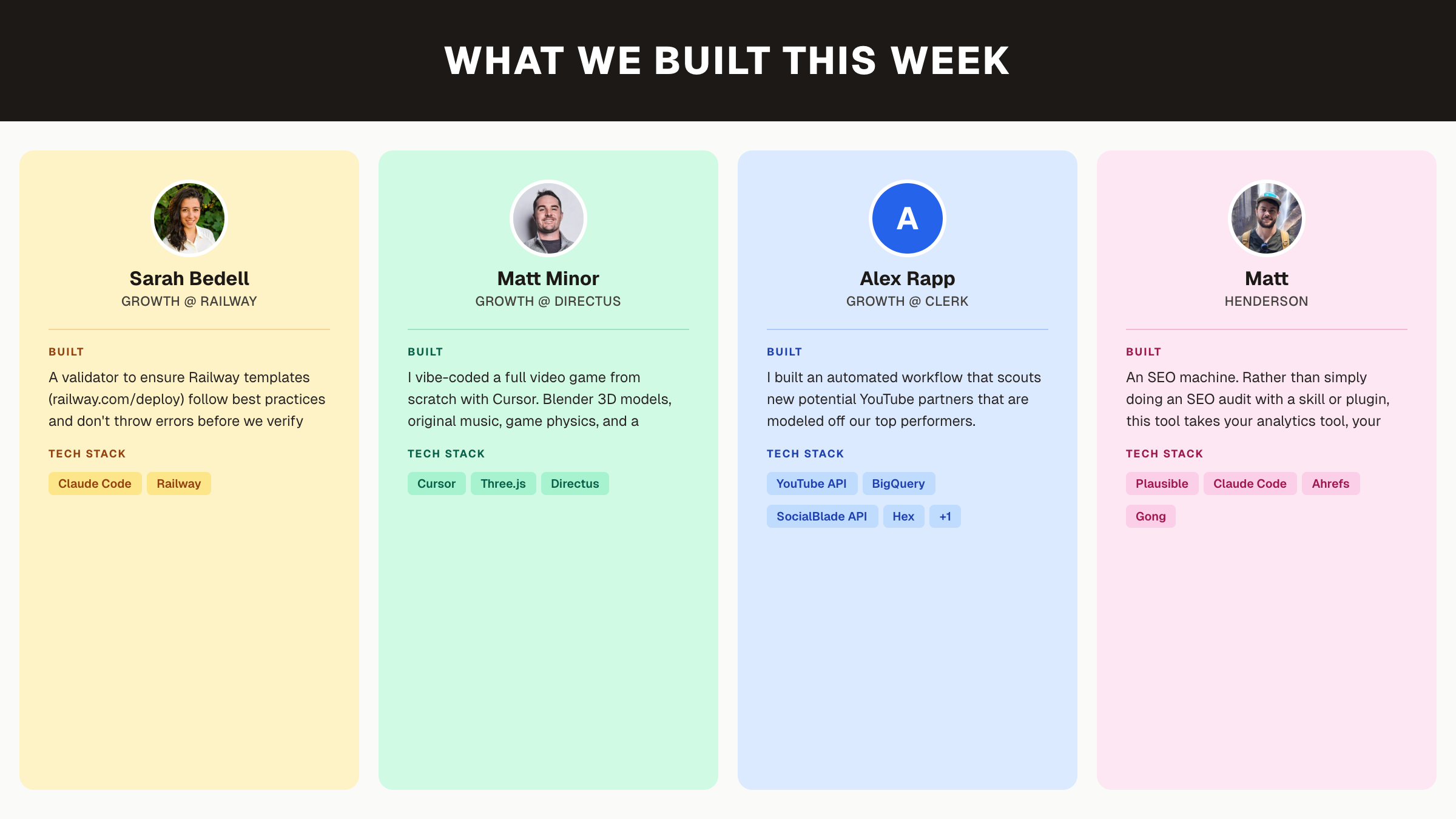
Growth @ Clerk · @_dapp
The Problem: Scouting new potential partners on YouTube was a process that consumed 10+ hours of our team each week. It involved conducting manual queries for multiple keywords to find partners and then triaging their signal via both YouTube and SocialBlade, a tool that tracks creator growth trends across multiple social platforms.
The Wow Moment: The first ‘wow’ moment was right out of the gate. The daily refreshed feed generated ~100 net-new prospective partners for us to explore. The scoring criteria I built in to assess a) growth potential, b) how similar the channel was to our existing top performing partners, and c) a priority score made it easy for us to suss out who was good, who we should monitor, and who is not ideal for our objectives. Cursor helped write the majority of the underlying SQL & Python queries, tapping directly into our existing YouTube partner performance database, ensuring that the scoring system was fluid & would not recommend partners we’re already engaged with - including new ones we cherry pick from the scouting list.
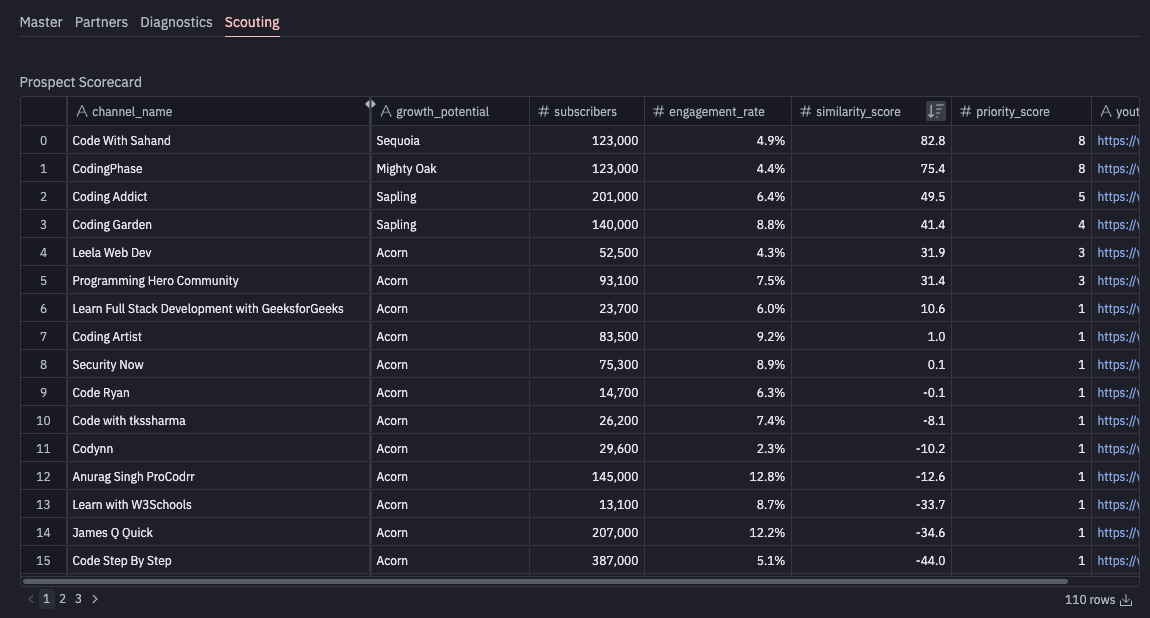
Tech Stack: YouTube API, BigQuery, SocialBlade API, Hex, Cursor
Build Time: A few hours
Try It Yourself The queries themselves are proprietary since they hook into our marketing database, but the approach is quite simple.
In all honesty, you could build something similar with just the SocialBlade API, which is low cost. The great thing about SocialBlade is that their API covers YouTube, TikTok, Twitch, Facebook, and Instagram, so you can easily scout cross-platform as well.
If you have an existing dataset of partners on a specific platform, this gives you your baseline and a foundation to build your own scoring model. Think about what’s most important to you in a partner. For us, we wanted partner-product fit, high engagement, and sustained growth signals to drive scouting for new partners.
Pro Tip: “If you’re exploring any sort of vibe coding, whether it’s for workflow automation, skills, or an app/website, start with a plan. Stay out of your terminal, stay out of Claude/Cursor/Copilot/etc. and draft your plan first. That includes database names & columns, design themes, sitemap, just to name a few. But most importantly, what your problem statement is, your objective, and your desired end state. The upfront work pays dividends. The agent that you’re using will have an easier time bringing your vision to life.”
Coming next: I have a couple things in the mix. Right now, I’m working on building a skills library for the Clerk Marketing team to use internally that includes automated reporting check-ins, monthly cross-channel summaries, SEO audits, growth experiment ideation, and more.
Separately, performance reporting in itself is arduous. I’m also working on an automated workflow that takes our campaign data from BigQuery and pushes it to our Experiment tracker in Notion so we can easily assess the performance of an experiment mid-flight and at the conclusion of the measurement period. No more manual querying or dashboard pulls.

The Problem: Honestly, it didn’t solve a traditional problem. It was a growth marketing play. Pieter Levels was running a vibe code jam last year, basically a contest for people to vibe code games and get judged.
I wasn’t chasing the prizes, but it seemed like a solid free opportunity to get Directus in front of a bunch of devs. We were also about to cross 30,000 GitHub stars, so the game doubled as a thank-you to our community that went beyond just a social post.
We didn’t win (totally rigged btw), but it taught me a LOT about vibe coding early on. First time I ever used MCPs, which opened an entirely new world for me.
The Wow Moment: Two things. First, I took a screenshot of the game mid-build and gave it to ChatGPT with a prompt I’d seen someone use: “Pretend you’re a VFX artist with 15+ years of experience. Improve this scene.” The graphics got noticeably better overnight just from that one move.
Second, using the Blender MCP to prompt a 3D model, pull it into Blender, and then clean it up by taking screenshots and sharing them back. That workflow of prompting, generating, and refining 3D assets was the biggest unlock of the whole project.
Tech Stack: Cursor, Three.js, Directus
Build Time: A week

Try It Yourself Download Cursor or Claude Code (or whatever harness you prefer) and just start prompting.
My starting point was an idea from an old Sonic mini game where you run through a half-pipe collecting coins. I told Cursor I wanted to build that with three.js and it gave me something basic to work with on the first shot.
From there it was just sequential prompting, learning something new, and trying things every day for five days straight.
Pro Tip: “Just go get started, right now. As soon as you finish reading this, start with three.js. You can one-shot something pretty solid if you just say ‘I want to build an X type of game with three.js’ and it’ll create basic models for you. Then just start asking questions. ‘How do I implement 3D models?’ ‘How do I add music?’ ‘I want the reflections on this model to bounce off the star.’ Treat it like a conversation and keep pulling the thread.”
Coming next: Right now I’m deep in planning Leap Week, a launch event we haven’t done in a while. Using Claude Code for a lot of the operational heavy lifting (social/email copy, planning, session coordination) with partners like Railway, Firecrawl, and Clay.
The other ongoing project is a social advocacy scoreboard built on Directus. Every time someone on our team posts on LinkedIn, it logs to Directus automatically. I keep a running tab and award the top three posters of the month with rare swag. Vibe coded the whole thing (happy to share how I did that in a future feature!)
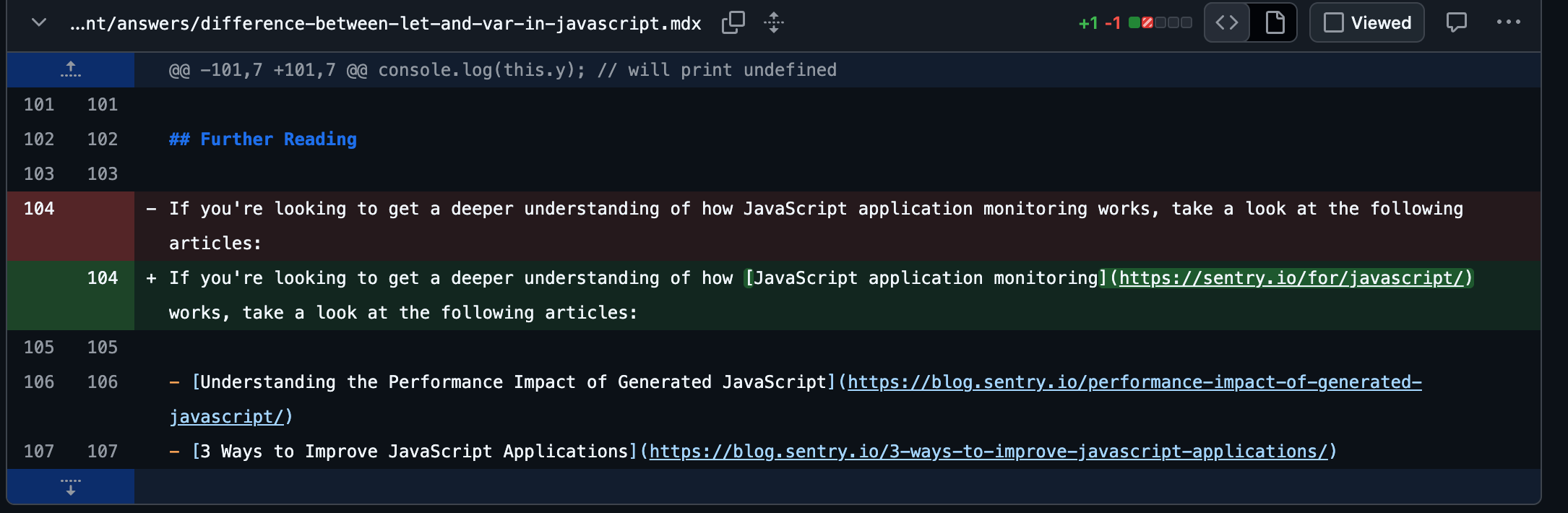
The Problem: It does what used to take an SEO practitioner a week, in 10 minutes. It is tedious manually updating page by page, link by link to drive to your pillar pages, but this tool is able to scan your top pages, find areas to add links and schema, and actually open the Pull Request for you, assuming your site is in code.
The Wow Moment: After I set it up, it updated 18 links in one PR. (caveat, we have most of our site in github and out of our CMS which makes this all work)
Tech Stack: Plausible, Claude Code, Ahrefs, Gong
Try It Yourself Head over to the linked repo, copy it, and input your own keys from Ahrefs (or semrush), your analytics tool. You’ll need a general idea of your target terms/topics, and core pages you care about. Otherwise it won’t work. Customer transcripts can help you figure out what topics to cover if you don’t have them yet. Pick at least 5 pillar pages and 10 core terms that map to those. Open Claude Code, and point it at your web repo and ask it to run the tool.
Pro Tip: “Don’t be afraid of the terminal. It’s not as intimidating as it looks. Consider testing Warp or Claude in your terminal and just ask it to do what you want in natural language.”
Coming next: Natural language chat with our ad platforms for easier analysis.
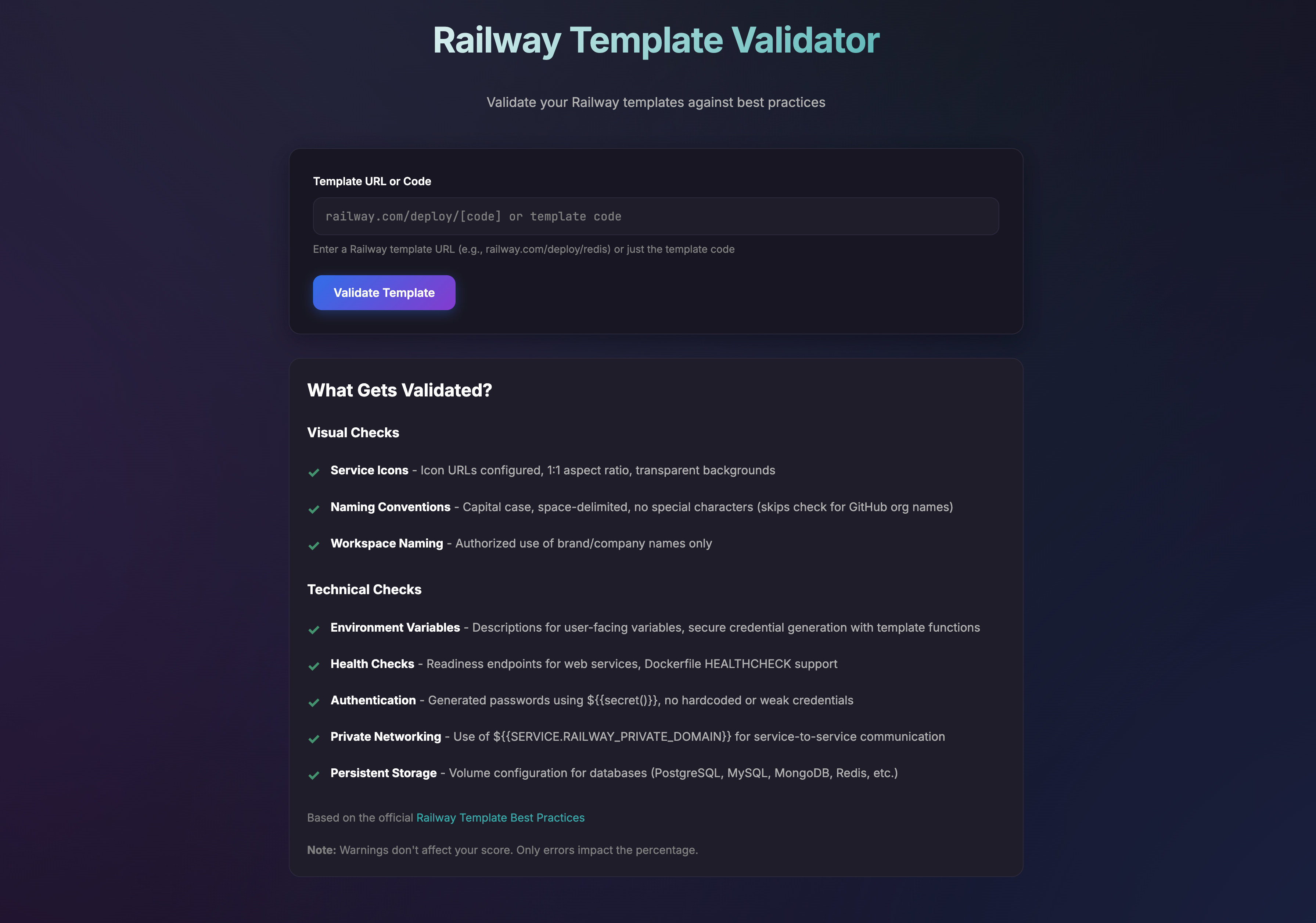
The Problem: For people creating templates on Railway’s marketplace, they would have better success with their template adoption if they pass basic criteria. Oftentimes, reading a doc and manually checking code takes some attention to detail that is ripe for natural human error.
Instead, I vibe-coded a tool that uses the Railway Agent Skill to test a template for best practices, as listed out in our docs. The tool was built purely with Claude Code and deployed in Railway (via Claude Code). It was backtested with several known-good and known-bad quality templates to ensure accuracy.
Note: it’s currently for internal use only, but could be productized down the road.
The Wow Moment: Really there were 2 moments.
First, after one-shotting the implementation, when I inputted 3 good and 3 bad quality templates, it got all 6 right. These were obvious examples so it shouldn’t be too surprising, but it was quite good at taking explicit documentation and coding it into a tool.
Second, I didn’t even have to leave my Claude desktop app to ship this. I didn’t interact with a terminal, nor did I interact with a code editor, nor did I really do anything in Railway itself (where the project is deployed). I (of course) had an account and was authenticated, but short of that, Claude gave me the live link once it was deployed, and automatically deployed edits I made after feedback. The idea-to-live-site loop has never been smaller.
Tech Stack: Claude Code, Railway
Build Time: A few hours
Try It Yourself Repo found here: https://github.com/sarahkb125/template-best-practices
Deploy any Github repo to Railway using an agent skill: railway.com/agents
Pro Tip: “You can vibe code from a desktop app without even opening a terminal.”
If something here sparked an idea, go try it. The repos and links are right there. And if you’re building something interesting yourself, I’d love to see it. Drop a comment below. Also go follow:
Matt Minor → Linkedin
Sarah Bedell → Linkedin, Subscribe to her amazing substack