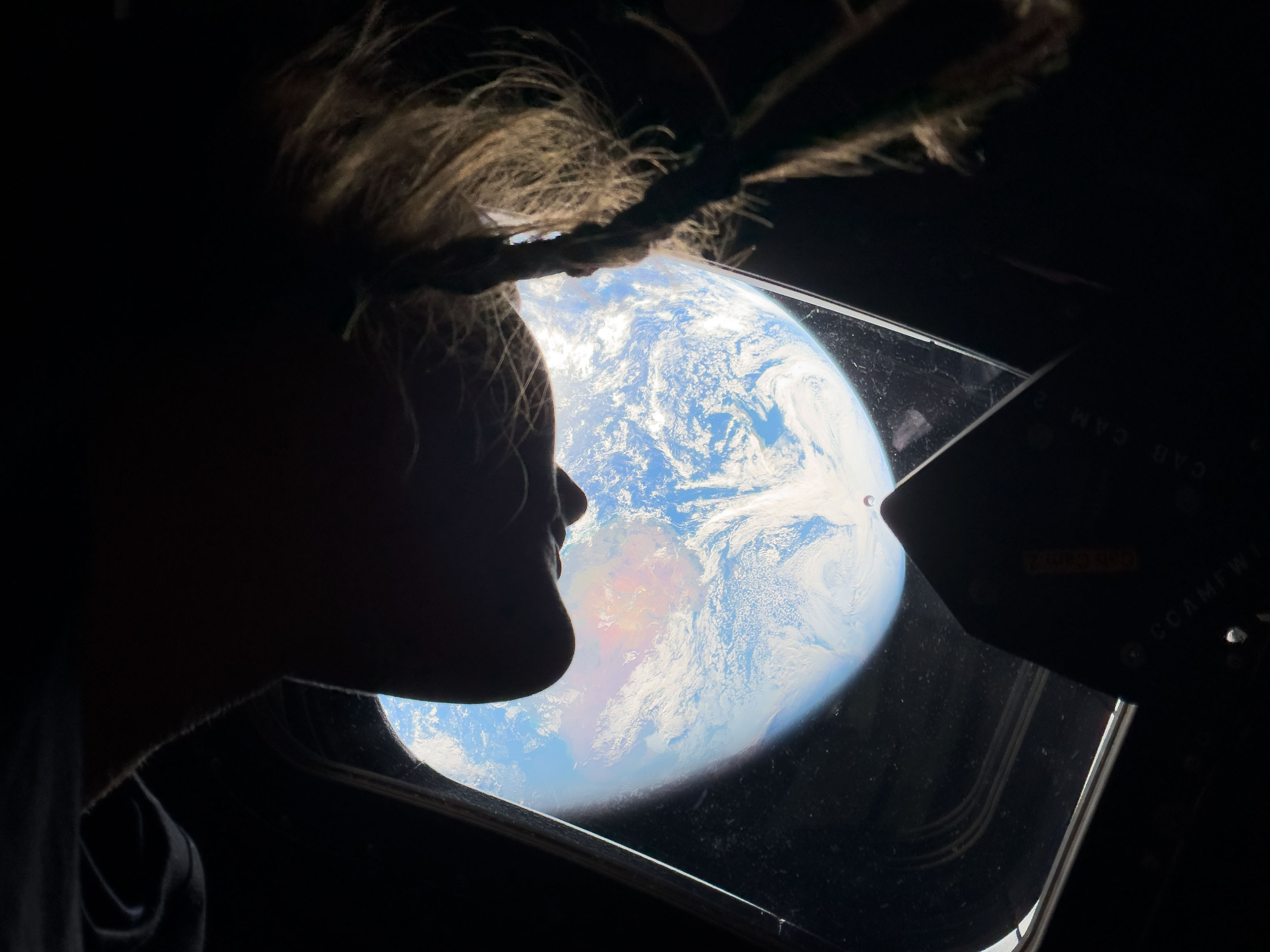
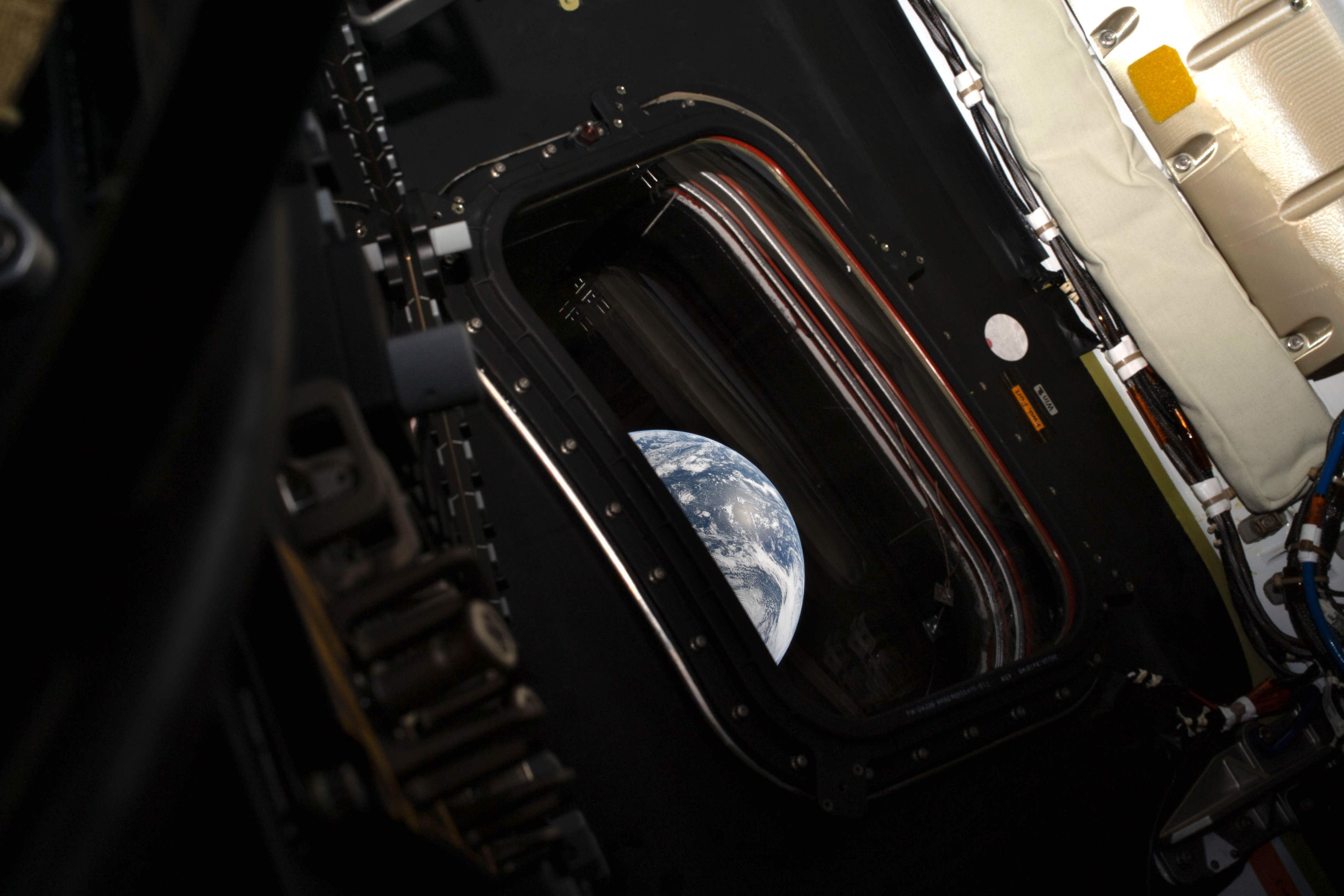
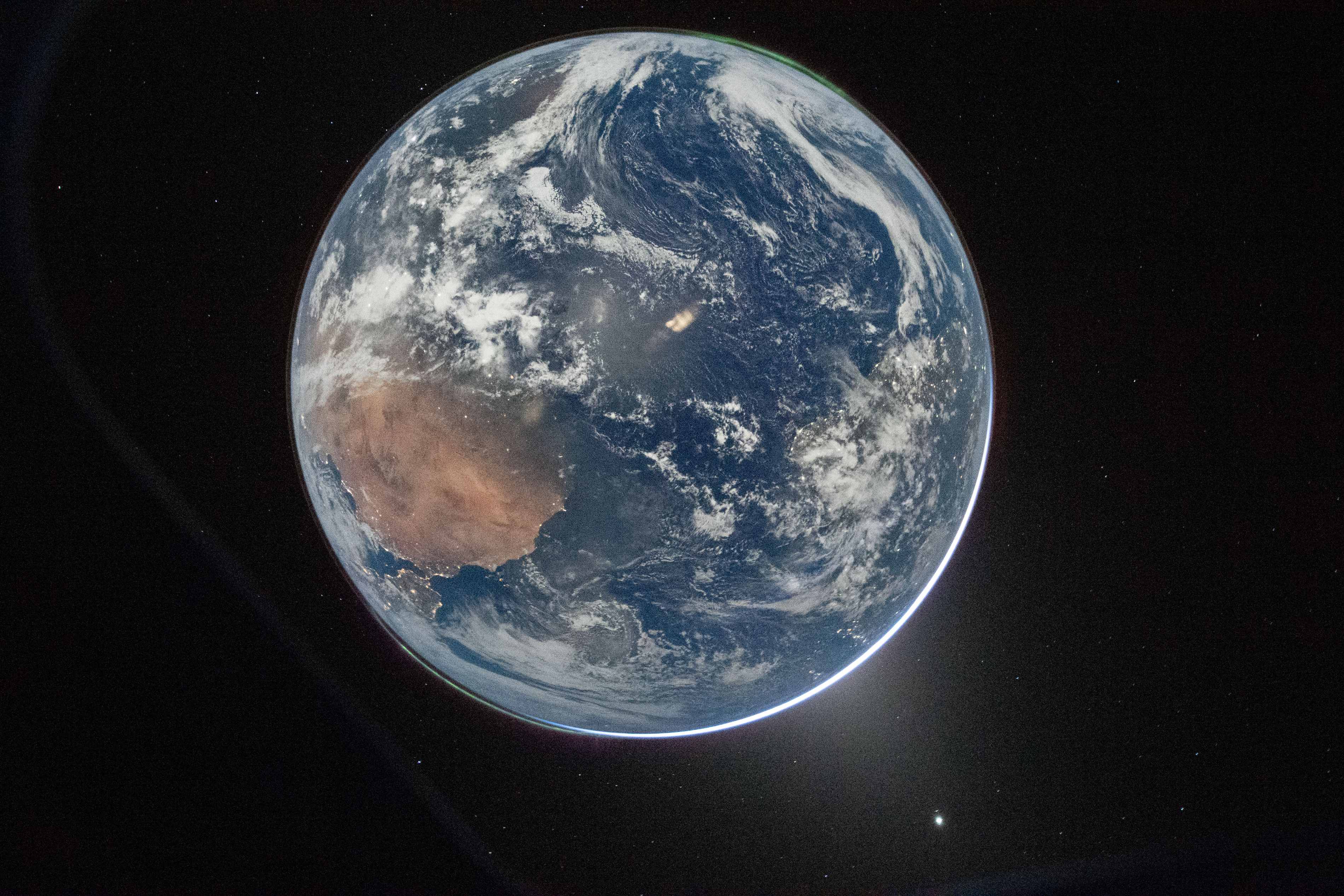
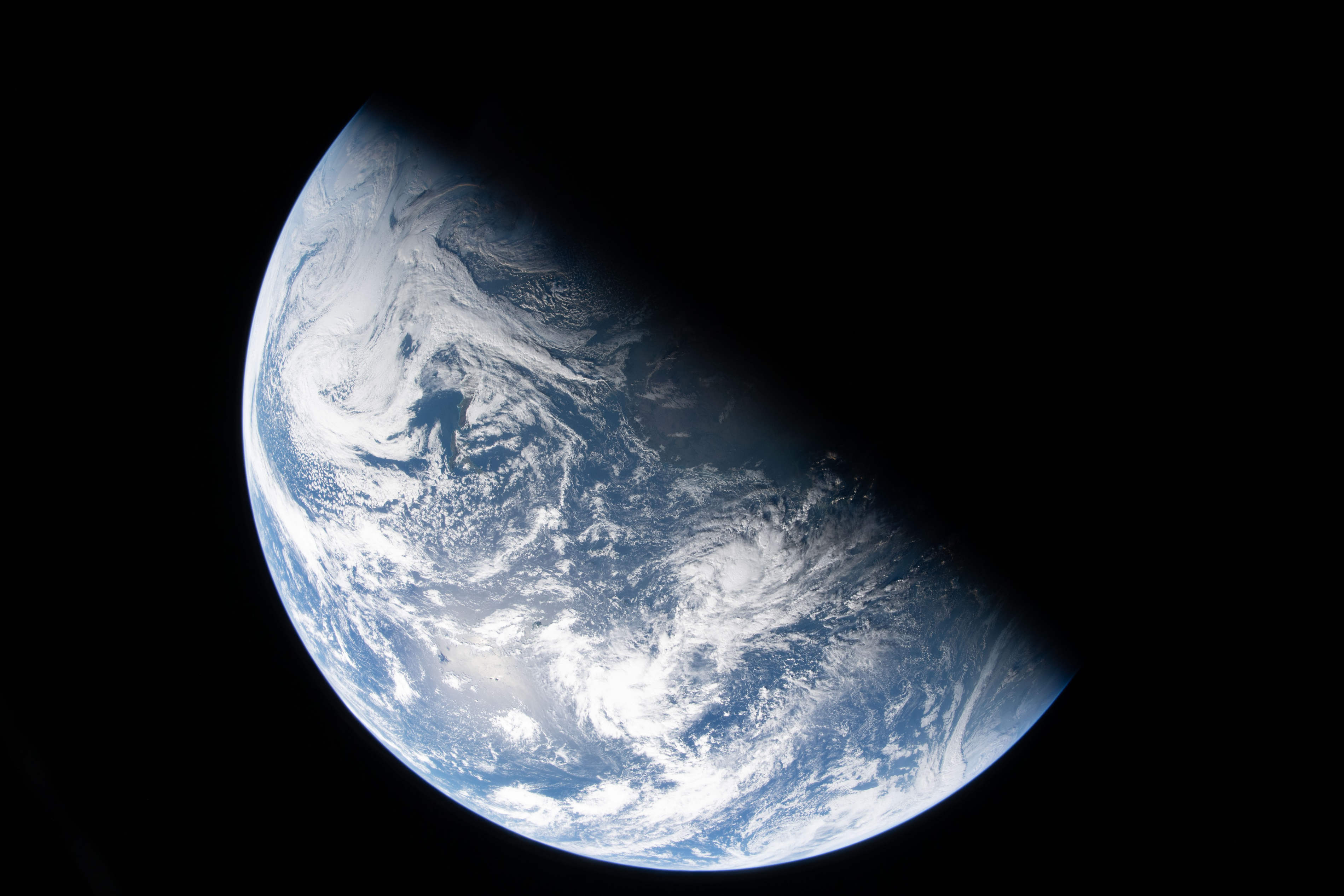
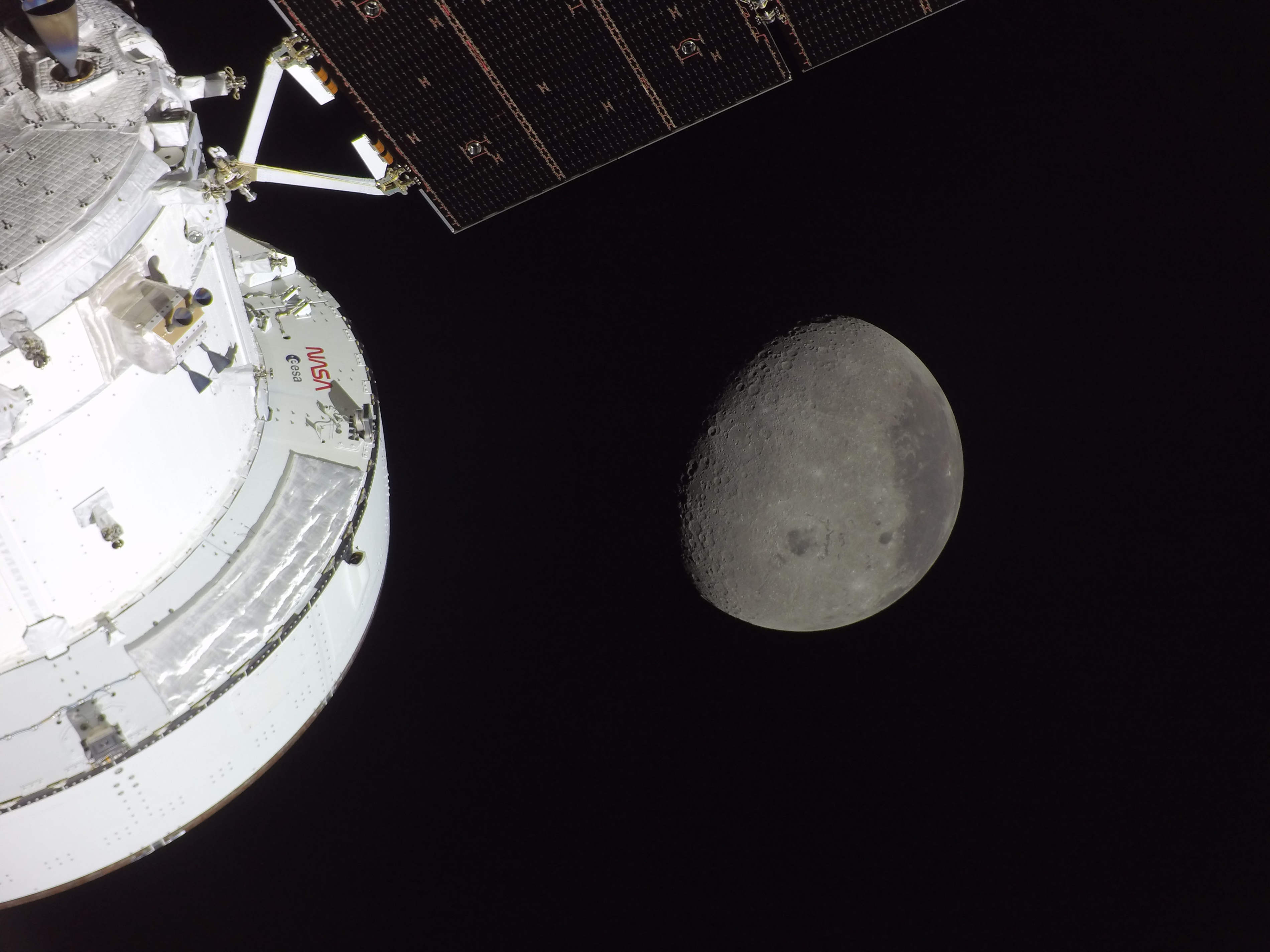
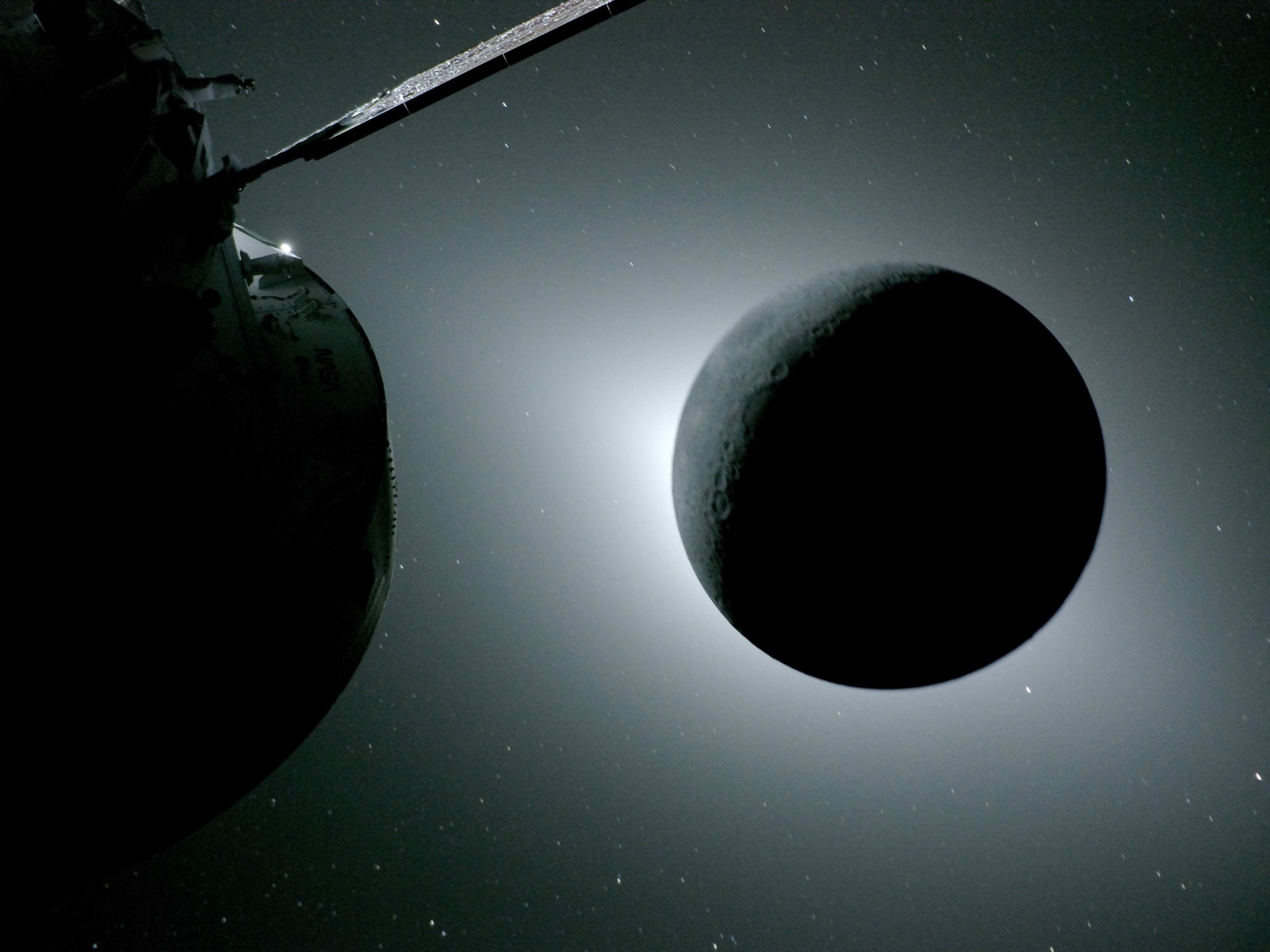
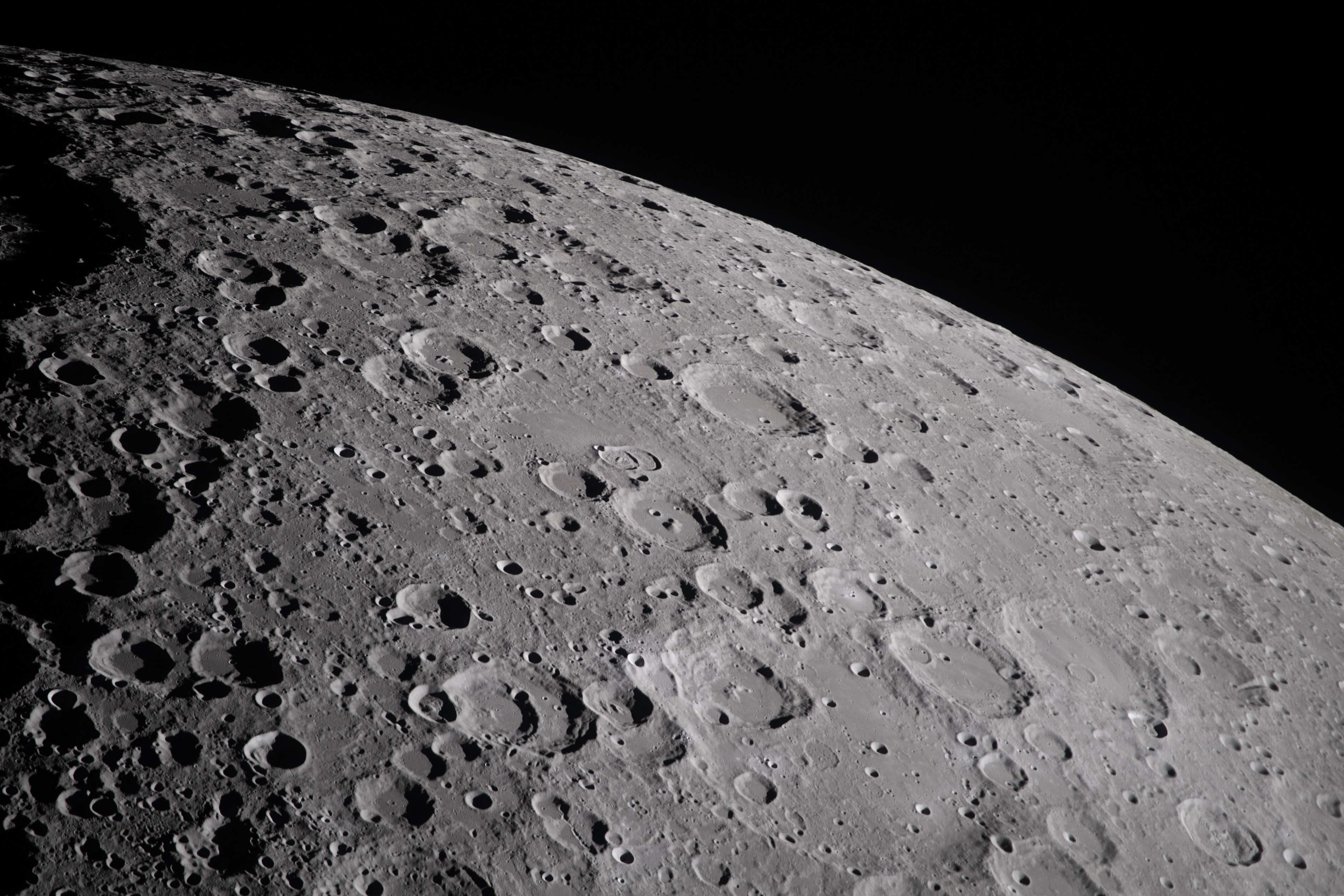
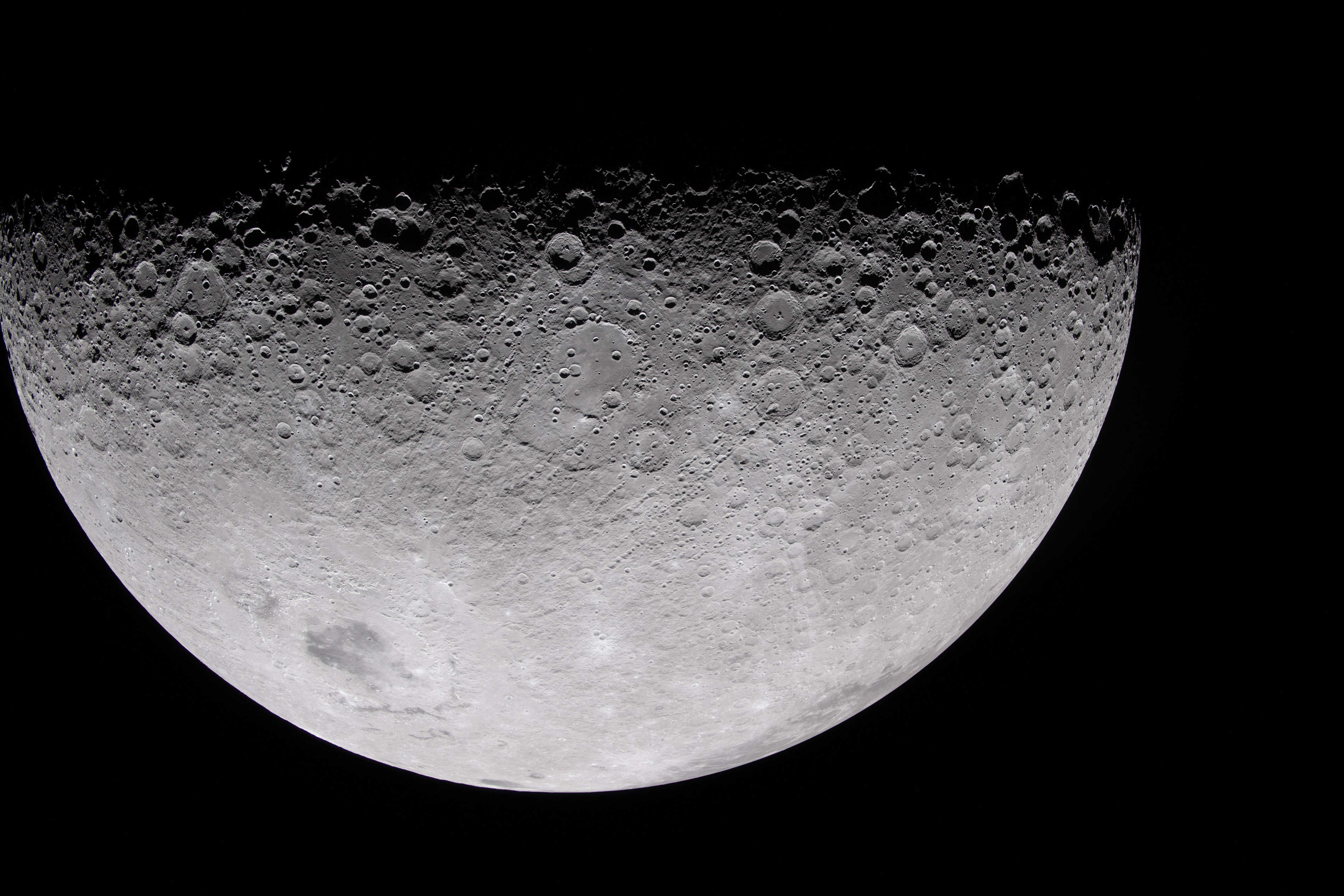
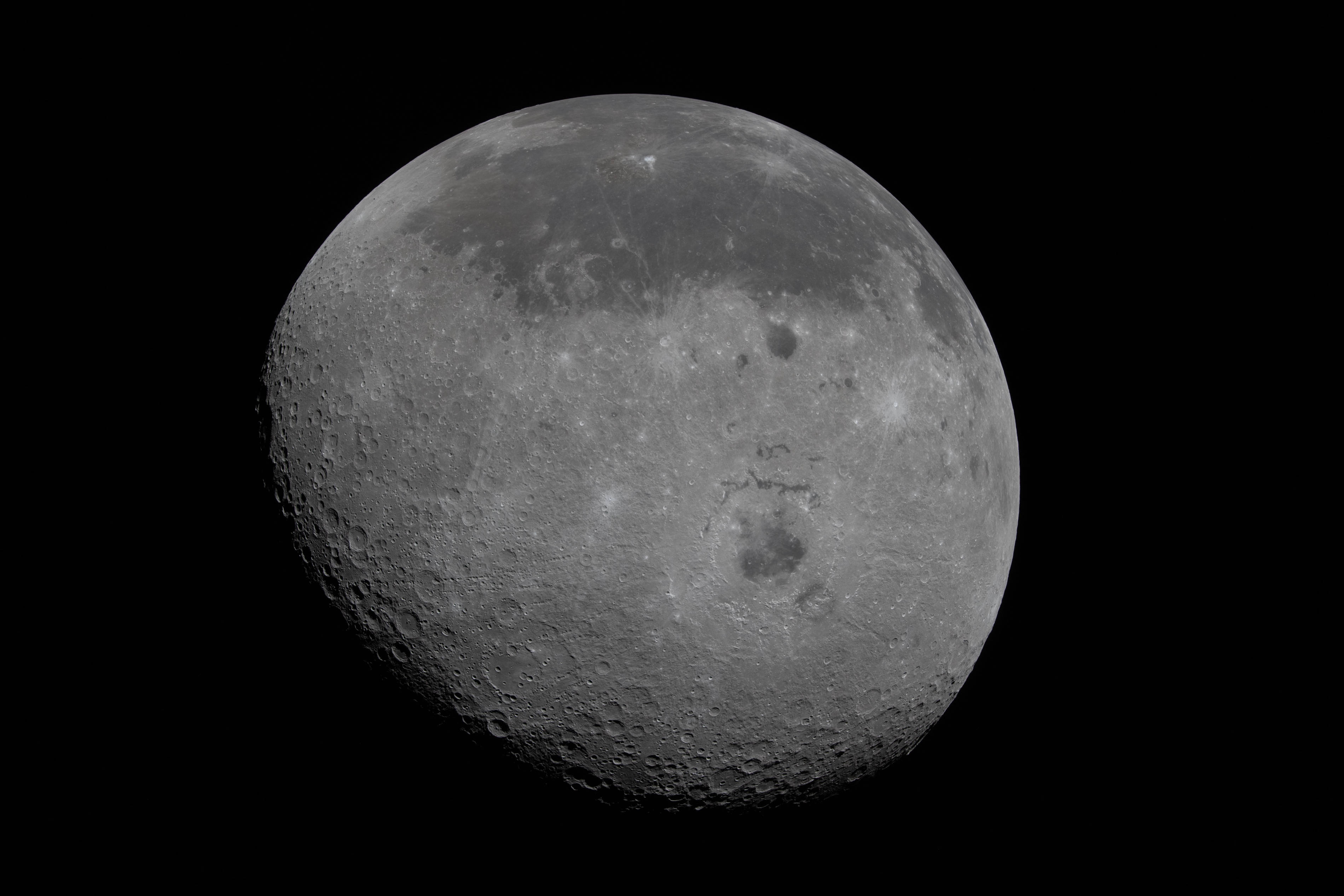
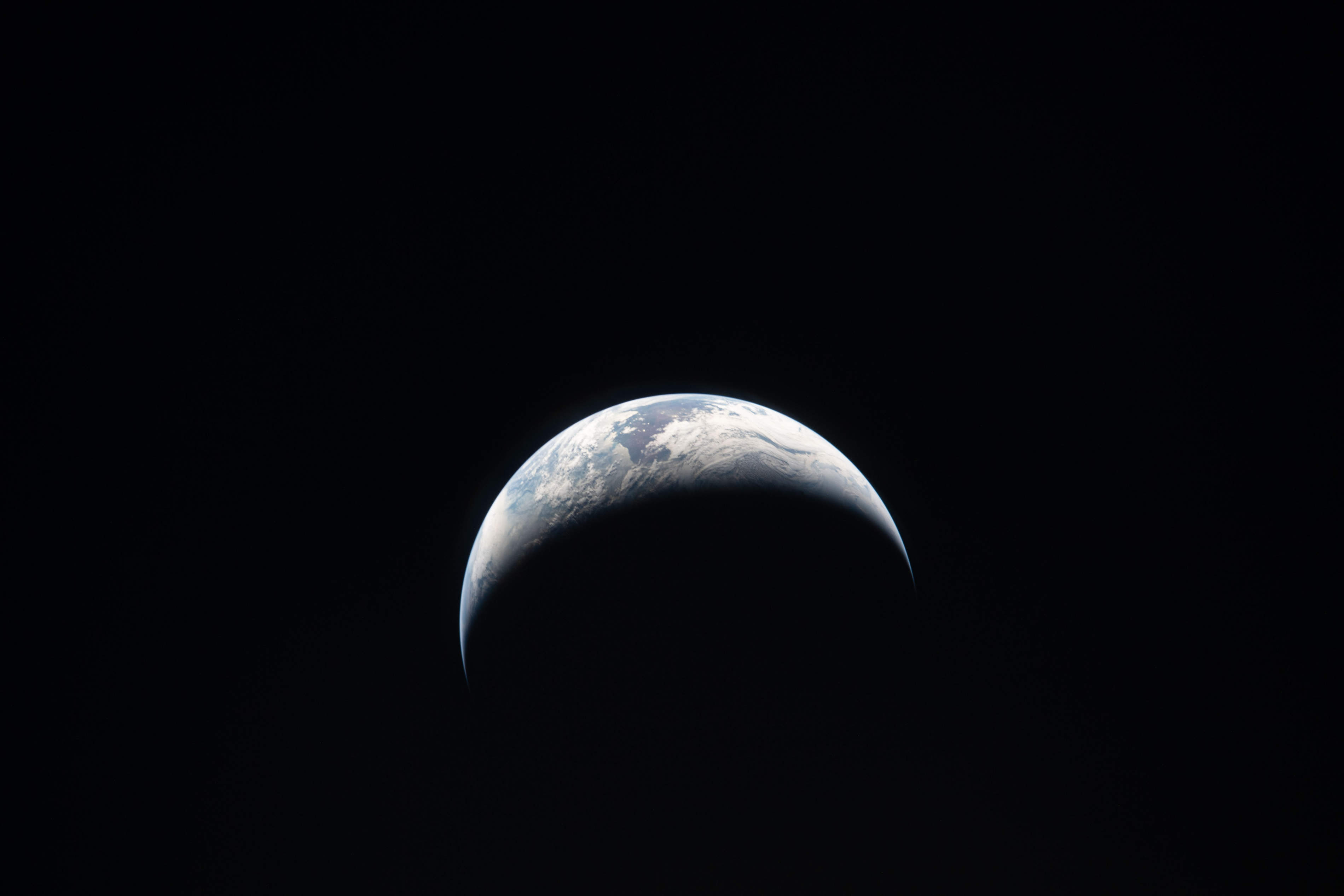
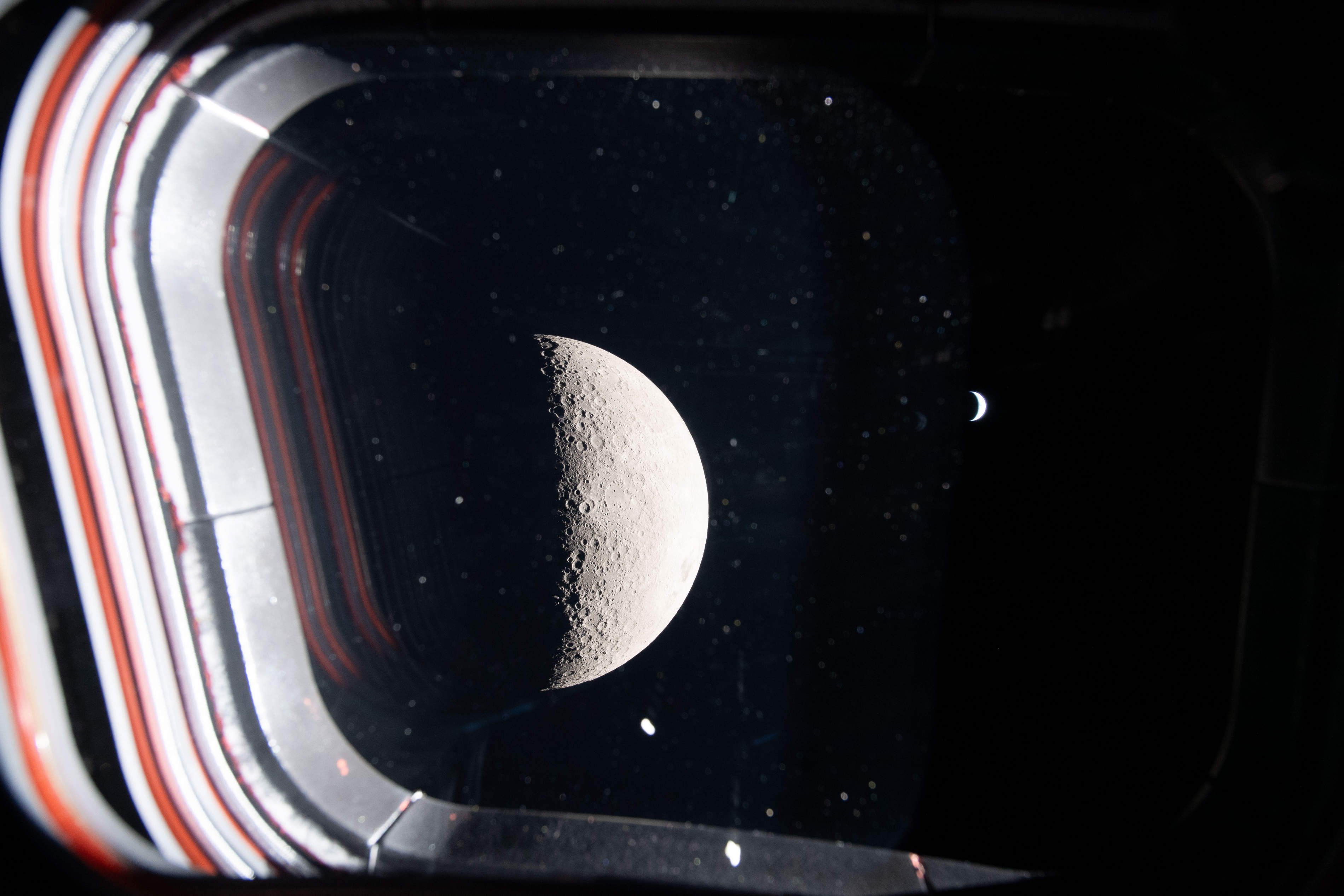
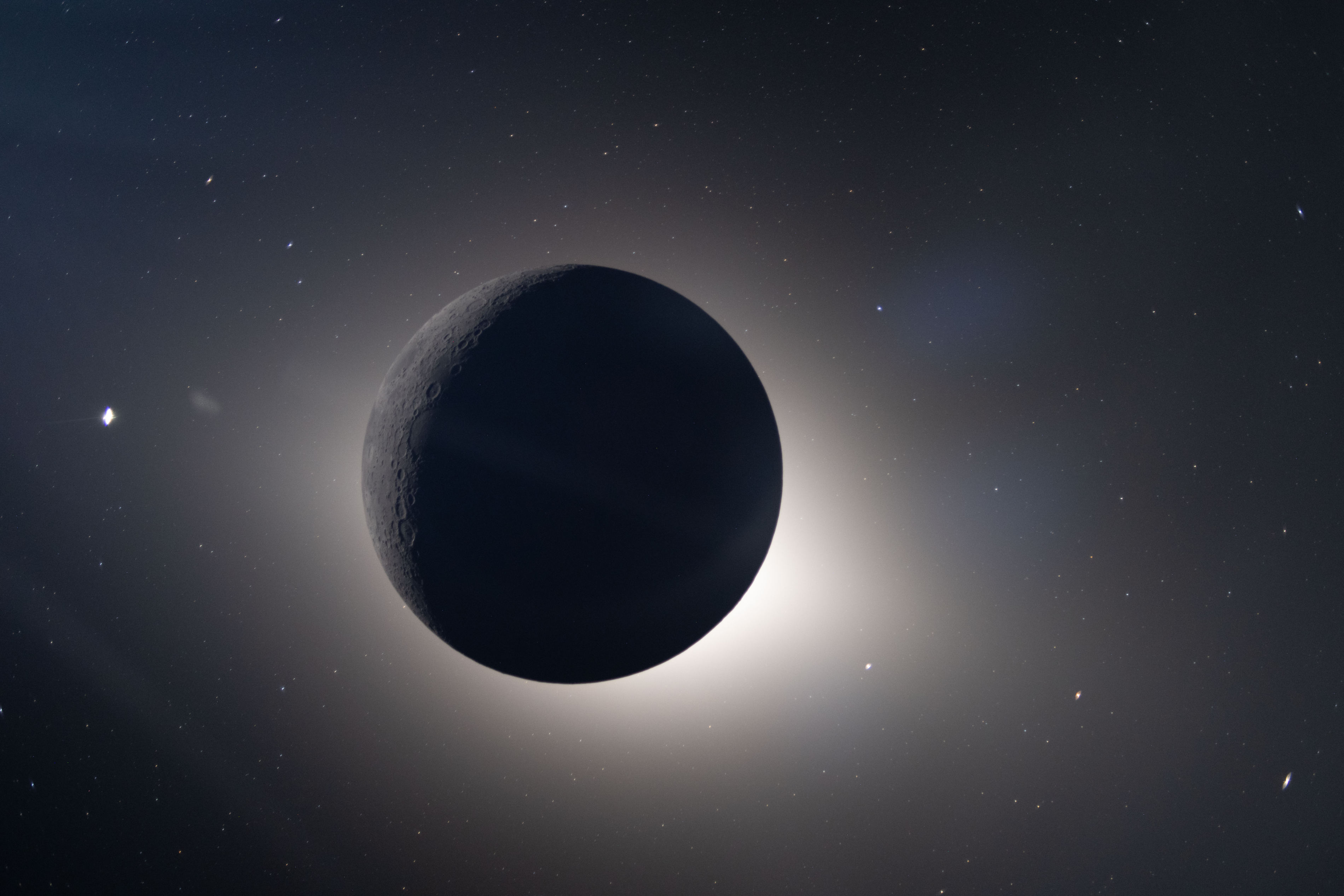
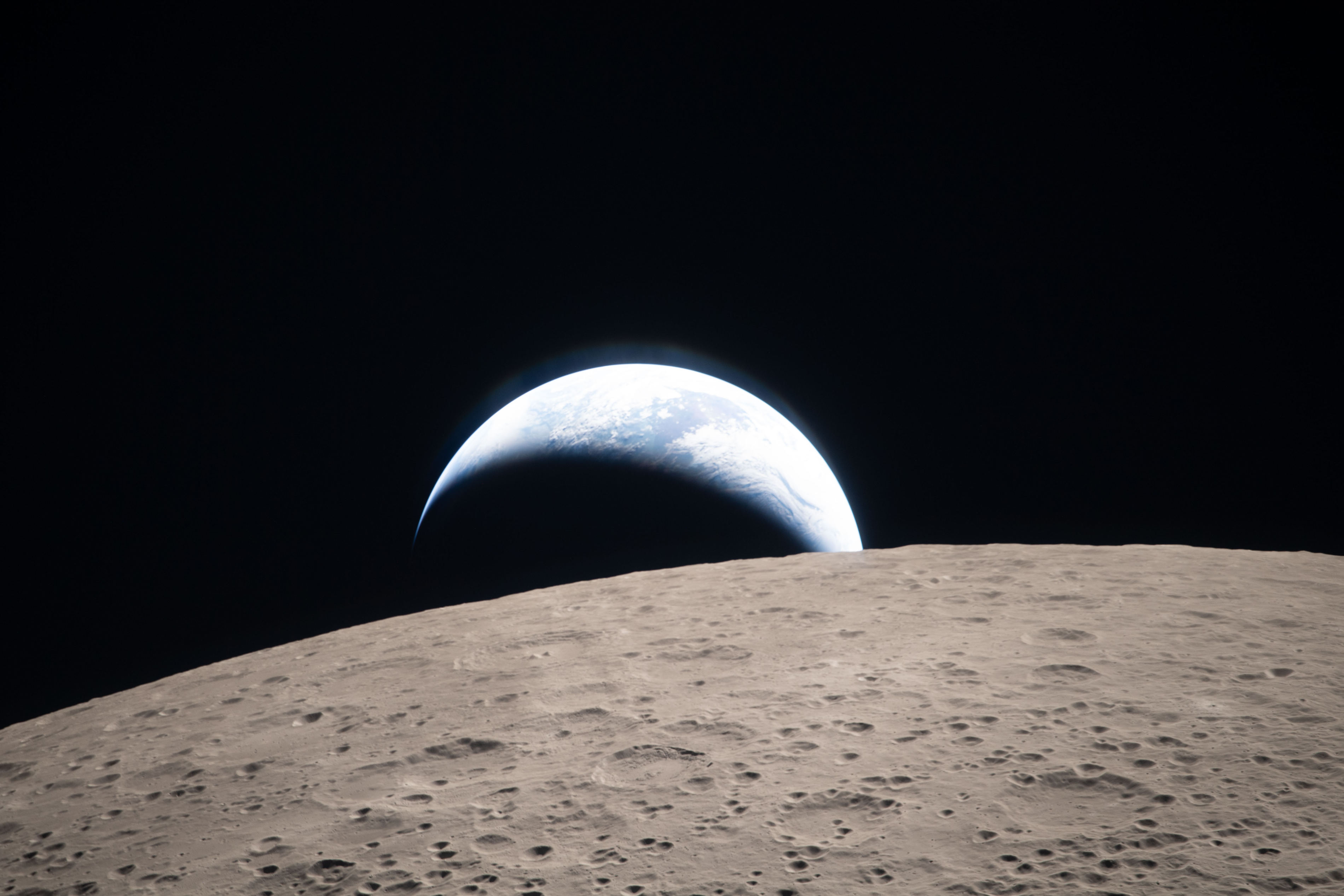
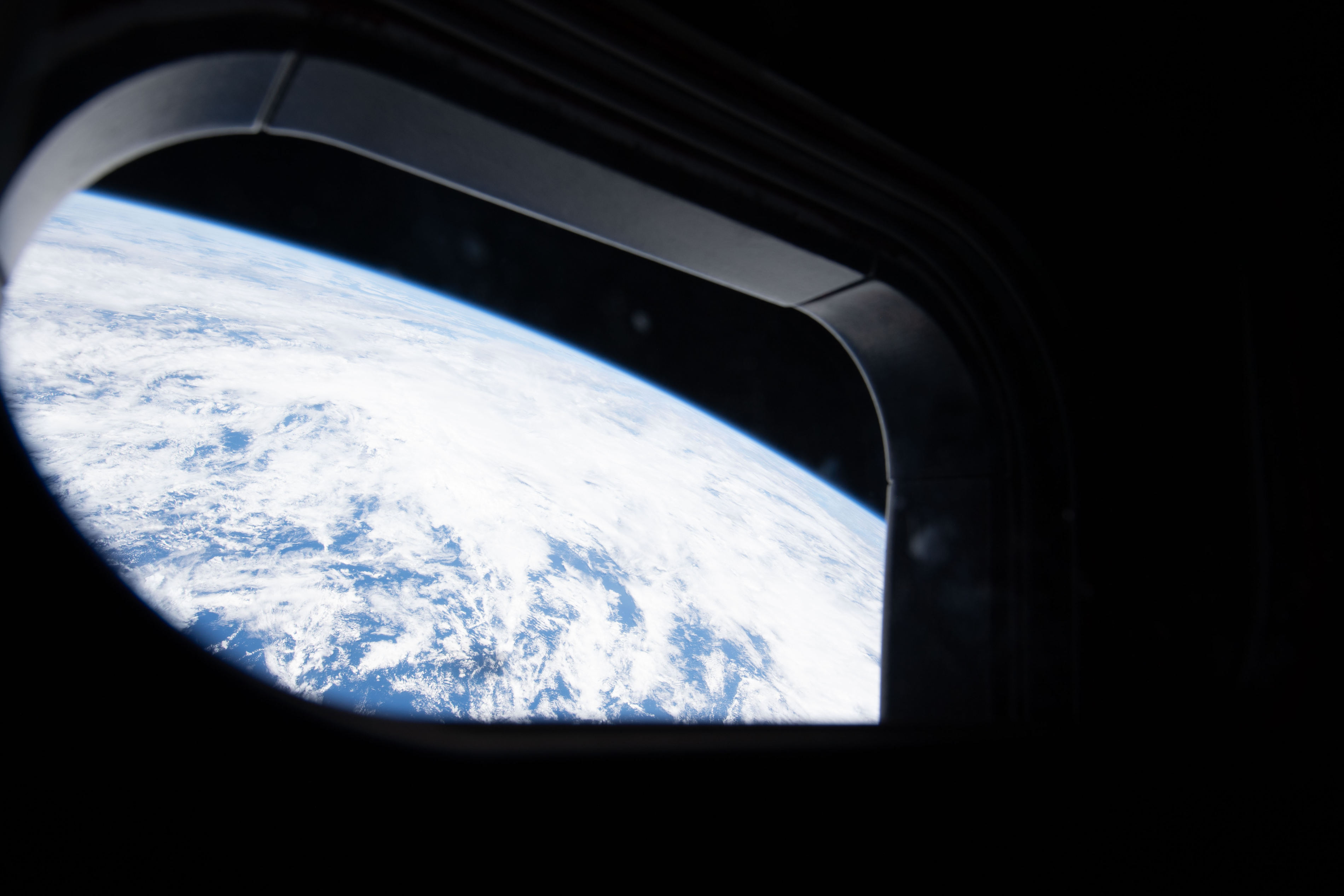
Deep space photography presents one of the most extreme dynamic range challenges imaginable. Without atmosphere to scatter sunlight, the lunar surface blazes under direct solar radiation while everything outside the beam drops to absolute black. NASA cameras capture a fraction of this extreme contrast; the rest is lost to sensor limits, compressed into flat shadows and blown-out highlights.
These are the first photographs taken by human hands from lunar distance since Apollo 17 departed the Moon in December 1972. For over fifty years, this vantage point existed only in robotic imagery — never again witnessed through a human viewfinder until the Artemis II crew made the journey in 2026.
Where the Apollo crews shot on Hasselblad film with a handful of frames per roll, the Artemis II crew carried modern digital cameras capable of capturing far greater detail and tonal range. The photographs they brought back are not only some of the rarest in human spaceflight history — they are also the highest fidelity images ever taken of Earth and the Moon from this distance.
HDRJPG would be able to convert from original, high dynamic range RAW photos into images that can be embedded in a website keeping the real HDR effect, but unfortunately the files provided by NASA are regular JPG images downsampled to standard dynamic range.
Because the original HDR data is not available, we manually mapped the original NASA JPGs to HDR and exported them to EXR format. HDRJPG then comes into play, converting the EXR file into a set of formats that can be embedded in your browser preserving the HDR effect.
Finally, HDRJPG's browser embedding solution makes it possible for the resulting HDR images to be displayed in any modern browser. As long as you have an HDR-capable display, you'll see images that display a notably richer contrast, hopefully capturing a bit more of the awe Artemis astronauts got when staring at the Moon and the Earth on their voyage.