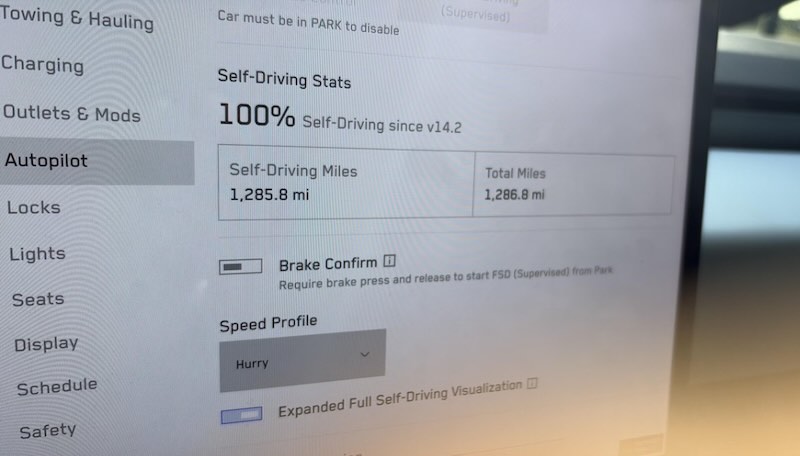
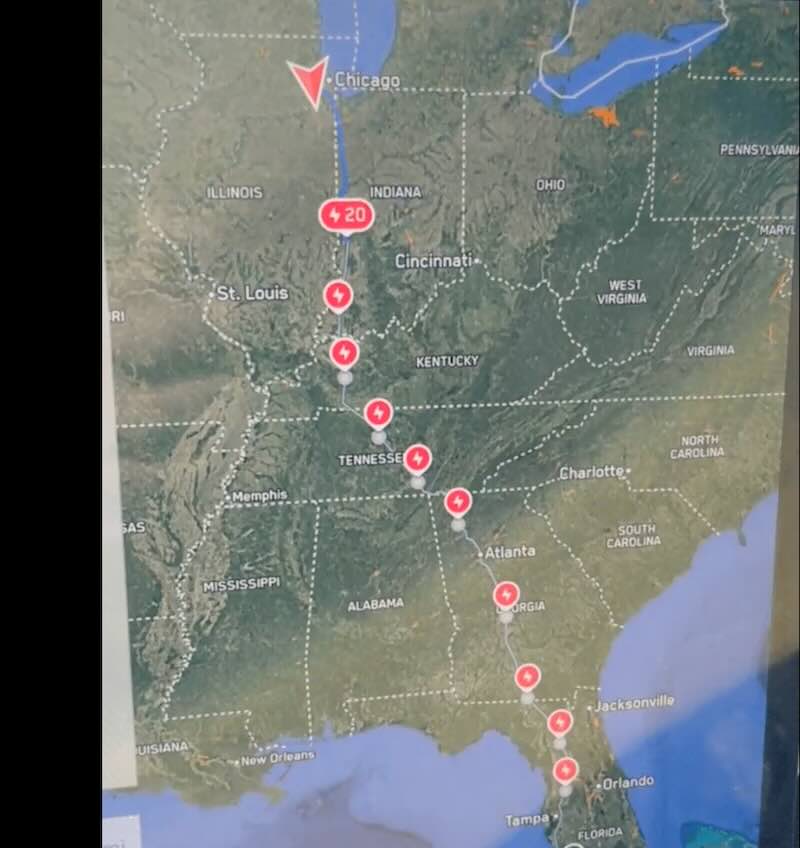
A Tesla Cybertruck recently completed a 1,200-mile journey from Chicago to Cape Canaveral without driver intervention. Vehicle navigated highways, traffic patterns, and road conditions autonomously while the driver remained hands-free throughout the entire trip. Achievement represents a significant milestone in autonomous vehicle technology, yet public discourse remains surprisingly muted.
Tesla owners collectively logged 14.1 million miles daily using FSD (Supervised) during Q3 2025, marking an unprecedented adoption rate. The company released FSD V14 in Q4, extending free 30-day access to approximately 1.5 million North American Tesla owners. Figures demonstrate substantial real-world testing and deployment at scale.
However, the journey from promise to reality took considerably longer than initially projected. In October 2016, Elon predicted Tesla vehicles would achieve coast-to-coast autonomous capability by late 2017. Nearly a decade passed before this vision materialized in practical applications.
The Cybertruck’s Chicago-to-Cape Canaveral run showcases current autonomous technology capabilities. 1,200-mile route required navigation through diverse driving environments—urban areas, interstate highways, and varying weather conditions, without manual control intervention.
Despite this demonstration, mainstream attention remains limited. Achievement raises questions about why autonomous driving milestones generate less excitement than anticipated. Perhaps the extended development timeline diminished initial enthusiasm, or regulatory concerns overshadow technical progress.
Q4 2025 metrics will likely show continued FSD adoption growth, particularly given the expanded free trial program. 1.5 million users gaining temporary access represent potential long-term subscribers if performance meets expectations.
Tesla’s approach deploying supervised autonomous systems while collecting vast quantities of real-world data, differs from competitors pursuing fully autonomous operations in limited geographic areas. Strategy prioritizes gradual capability expansion over immediate perfection.
The Cybertruck’s cross-country trip proves that autonomous driving technology has progressed from theoretical to operational. Whether this translates into widespread adoption depends on continued reliability demonstrations and regulatory framework development. For now, it seems the future of self-driving isn’t coming, it’s already been driven.
Related Post
Tesla Embeds Hidden “Unsupervised” FSD Geofence in Bay Area, Only be Good News
Tesla AI5 Chip Targets 250W Power Consumption, Production Delayed Until 2027
Former Tesla AI Director Andrej Karpathy Calls HW4 Model X “Amazing” – FSD Makes Quantum Leap