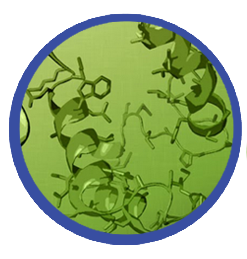

1808: Coronavirus Binder Design: Round 2
Closed since over 6 years ago
Intermediate Overall DesignSummary
- Created
- March 05, 2020
- Expires
- Max points
- 100
Design a binder against coronavirus! This is a followup to Puzzle 1805b, which challenged players to design an antiviral protein that could bind to the 2019 coronavirus and disrupt viral infection. This puzzle has some small improvements, and allows players to continue working on antiviral designs. See the Foldit blog for a quick look results from Puzzle 1805b, with some tips for making a successful protein binder! Players may load in solutions that were saved in the previous puzzle.
In late 2019, a new highly-infections virus emerged out of Wuhan, China. This virus belongs to the coronavirus family, and is similar to the virus that caused the SARS epidemic in 2002. Coronaviruses display a "spike" protein on their surface, which binds tightly to a receptor protein found on the surface of human cells. Once the coronavirus spike binds to the human receptor, the virus can infect the human cell and replicate. In recent weeks, researchers have determined the structure of the 2019 coronavirus spike protein and how it binds to human receptors. If we can design a protein that binds to this coronavirus spike protein, it could be used to block the interaction with human cells and halt infection!
In this puzzle, players are presented with the binding site of the coronavirus spike protein. The backbone and most of the sidechains are completely frozen, except for flexible sidechains at the binding site, where the spike protein normally interacts with the human receptor protein. Players can design a new protein that binds to these sidechains, blocking interactions with the human receptor. In order to bind the coronavirus target, designs will need to make lots of hydrophobic contacts and H-bonds with the flexible sidechains at the binding site. But designs will also need to have lots of secondary structure (helices or sheets) and a large core, so that they fold up correctly! See the puzzle comments for Objective details.