“Philosophy begins in wonder.”
– Aristotle
Ergo is a nonprofit that publishes long-form philosophical lectures online, without ads or paywalls. We film brilliant thinkers known for the depth and clarity of their teaching.
Our Courses
New to philosophy? Start here.
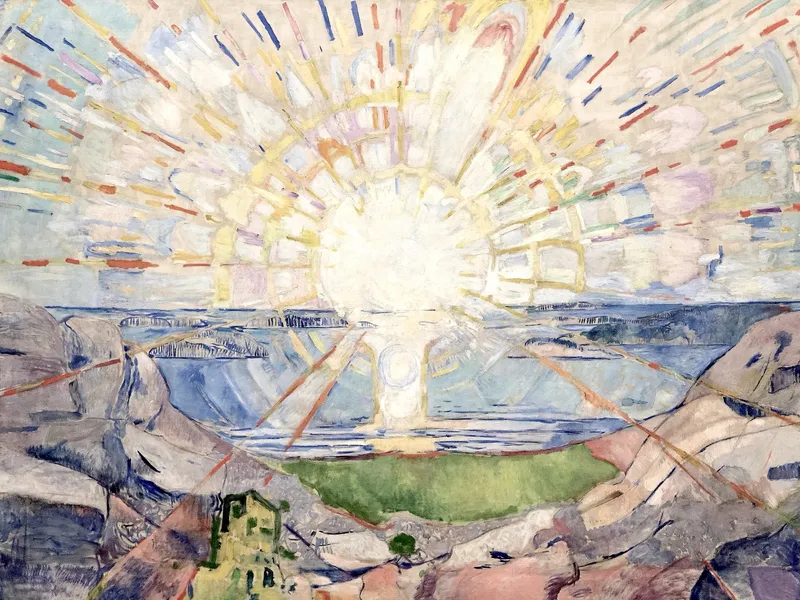
From Descartes to Nietzsche:The birth of science and the death of god
Watch Videos
LEE BRAVER leads a tour through Descartes, Hume, Kant, and Nietzsche, showing how each attempt to secure certainty gave way to deeper skepticism about truth itself.
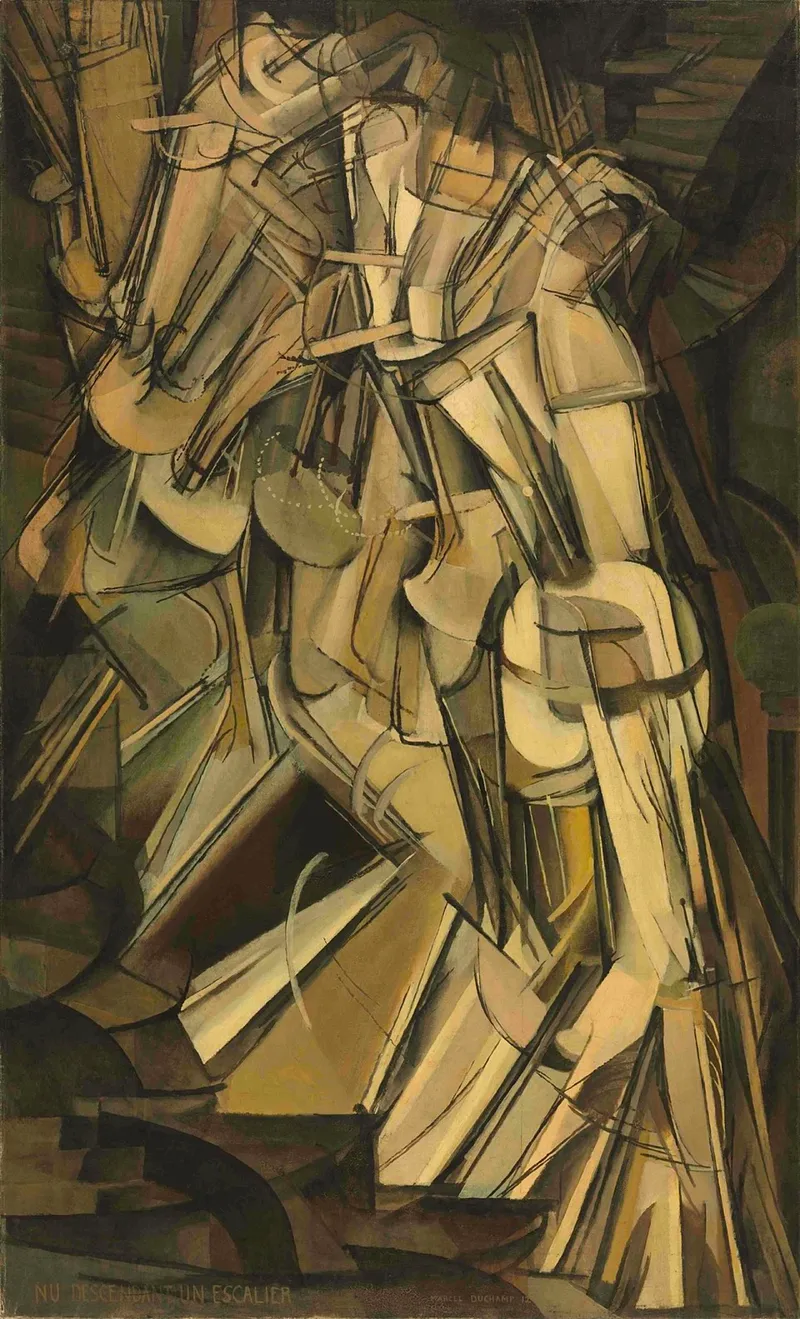
Quantum Mechanics and the Crisis of Scientific Realism
Watch Videos
DAVID ALBERT opens with strange experiments on electrons, builds up to the measurement problem, and ends on attempts to solve the deepest question posed by quantum mechanics: can science describe reality at all?
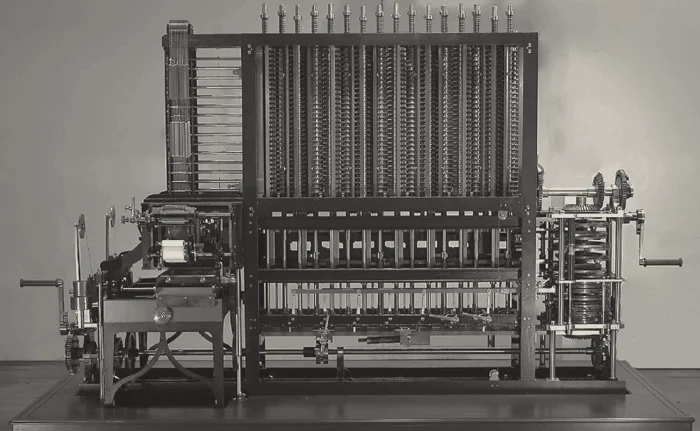
Computation as a Universal and Fundamental Concept
Watch Videos
TIM ROUGHGARDEN treats computation as a law of nature, tracing its arc from Turing's proof that some problems are unsolvable to the P versus NP question at the heart of modern computer science.

Lectures on Infinity
Watch Videos
JOEL DAVID HAMKINS guides viewers through the great paradoxes and discoveries about infinity, from Zeno's ancient puzzles to Cantor's revolutionary proof that some infinities are larger than others.
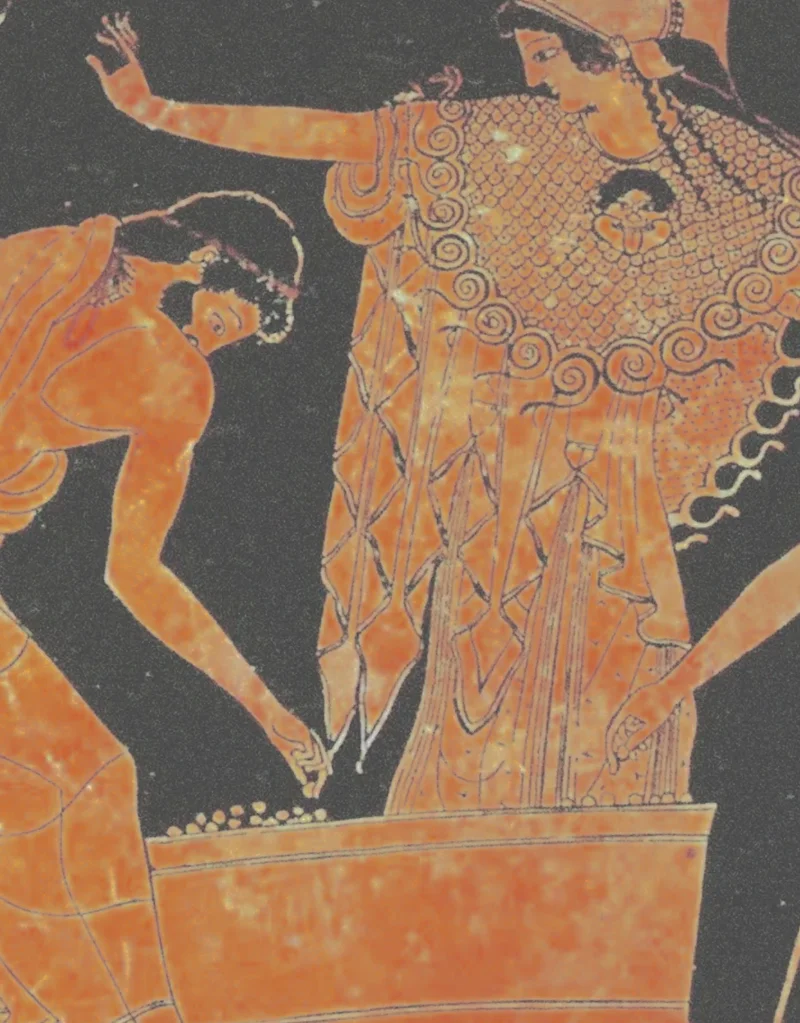
Plato’s Theaetetus:An inquiry into knowledge
Watch Videos
RICHARD POLT guides listeners through Plato's Theaetetus in this introductory seminar, asking whether knowledge is perception and why radical relativism fails.
NOA LAHAV AYALON traces Spinoza's philosophy from its metaphysical foundations to his vision of love and human flourishing.
LEE BRAVER walks through the great ethical theories of Western philosophy, from Socrates' founding questions to Mill, Kant, Aristotle, and Sartre's radical challenge.
KEN GEMES traces the consequential shift from moral to biological conceptions of evil, examining degeneration theory across science, literature, and philosophy from Darwin to Nietzsche and Freud.
IRAD KIMHI investigates language and technology through logic and philosophy, rethinking what it is to think, mean, and compute in light of Wittgenstein, Turing, and Heidegger.

REED WINEGAR surveys Kant's revolutionary philosophy, from the limits of human knowledge to morality, freedom, and religion.
KATALIN BALOG lays out dialectical monism weighing the deepest arguments about mind, brain, and the nature of reality.
ELI FRIEDLANDER examines Walter Benjamin’s philosophy of modernity, memory, and art, tracing how technology and history reshape perception, culture, and collective experience.
MARYA SCHECHTMAN asks what makes you the same person throughout your life, introducing the major theories of personal identity and arguing that our identities are best understood as narratives.
JEAN GRONDIN provides an introduction to the developmental stages in metaphysical thinking. Authors include Parmenides, Plato, Aristotle, Plotinus, Augustine, Descartes, Kant, Heidegger, and Levinas.
THOMAS SHEEHAN provides an introduction to Heidegger's entire project from Being and Time to his final period (1962-76). Aimed at those who find Heidegger difficult or even impossible to understand.
JUSTIN SMITH-RUIU examines the great eighteenth-century debate over reason, freedom, religion, and human nature through the works of Spinoza, Leibniz, Voltaire, Rousseau, Herder, and others.
AMIE L. THOMASSON reconceives metaphysics as conceptual engineering, understanding how language functions to shed new light on old problems about properties, numbers, morality, and truth.