Startup Faces Scrutiny Over Sulfur Dioxide Balloons
EPA investigates controversial startup for unauthorized sulfur dioxide releases in climate cooling scheme.
The U.S. Environmental Protection Agency (EPA) has issued a formal information request to a controversial startup known as Make Sunsets, which has launched over 120 sulfur dioxides (SO₂)-filled balloons into the atmosphere as part of a private geoengineering effort intended to cool the planet and generate climate “cooling” credits for sale.
The EPA’s Office of Air and Radiation (OAR) submitted the demand under Section 114 of the Clean Air Act (CAA), which authorizes the agency to obtain detailed information from entities about their emissions and operations. The request requires a response within 30 days.
“The idea that individuals, supported by venture capitalists, are putting criteria air pollutants into the air to sell ‘cooling’ credits shows how climate extremism has overtaken common sense,” said EPA Administrator Lee Zeldin in a statement Monday. “Based on Make Sunsets’ responses to our information request, we will look into all our authorities to ensure that we continue maintaining clean air for all Americans.”
Although the agency first flagged the issue in 2023 during the previous administration, no formal action was taken at that time. EPA officials are now expressing concern about the company’s lack of transparency, including questions surrounding the origin of the sulfur dioxide, the balloon launch sites, and whether the company has communicated with any state, local, or federal air regulators.
Make Sunsets, which is already banned in Mexico, publicly states its goal is to “scale significantly” and claims to have conducted at least 124 balloon launches. Its operations aim to mimic the cooling effects of volcanic eruptions by dispersing SO₂ into the stratosphere, a controversial climate intervention strategy that many scientists warn could have unintended environmental consequences.
Sulfur dioxide has been regulated by the EPA since 1971 as part of the National Ambient Air Quality Standards (NAAQS) program. Short-term exposure to SO₂ is known to impact the human respiratory system, particularly in individuals with asthma or other pulmonary conditions. Additionally, SO₂ contributes to acid rain and the formation of fine particulate matter, which can impair visibility and damage ecosystems.
The EPA says it is evaluating all legal options and may pursue further regulatory or enforcement action depending on the company's responses.
For now, federal officials say the public deserves answers about private-sector climate interventions that may compromise both public health and environmental protections.
Featured
-
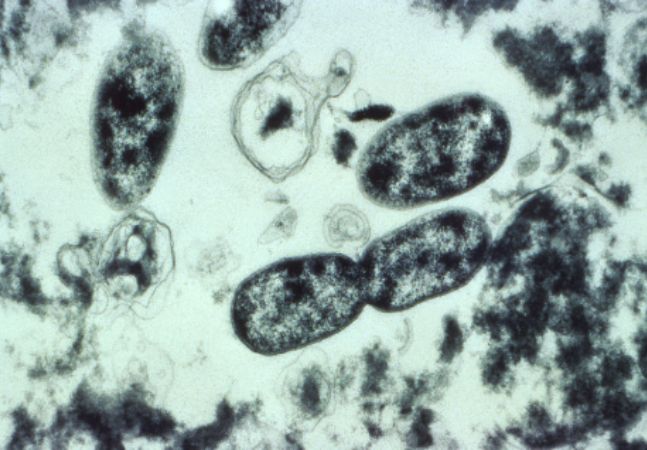
CDC Updates Vessel Sanitation Standards to Combat Legionella
New regulations require cruise ships at U.S. ports to implement stricter water monitoring and pathogen control protocols.
-
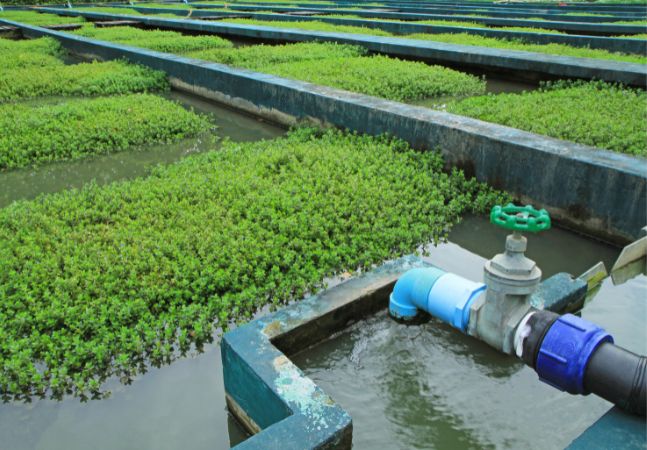
New York Approves $250 Million for Water Infrastructure Upgrades
State board approves financing and grants to replace lead service lines, treat contaminants, and modernize aging sewer systems across New York.
-
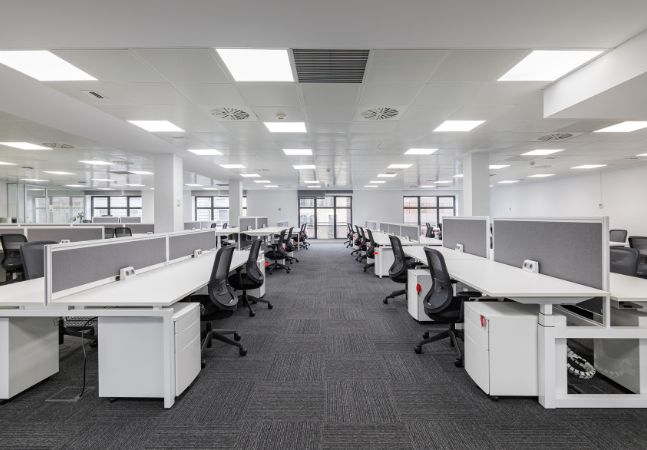
The Environmental Cost of Empty Offices
As hybrid work leaves desks empty, businesses must rethink the "environmental afterlife" of their office space to prevent a waste crisis.
-
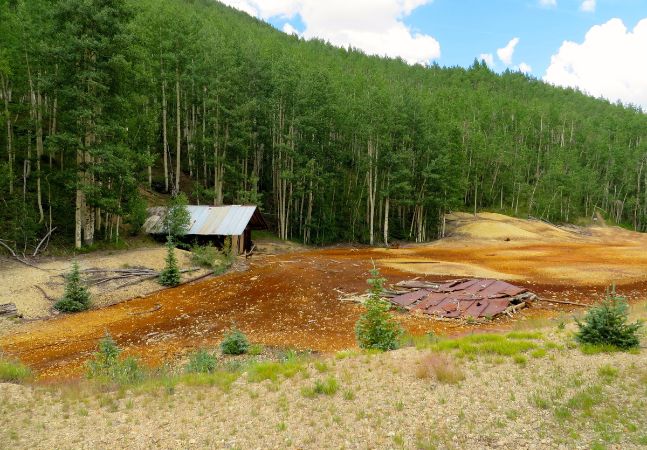
How Highwall Stabilization Prevents Acid Mine Drainage
Learn how engineers use geotechnical reinforcement and chemical sealing to block acid mine drainage at the source and protect global water supplies.
Email Address*Country*Select primary job title/function*
Please type the letters/numbers you see above.