What dit you want to become? And your parents, what did they dream for you? Doctor, lawyer, engineer. The jobs that will get you a steady income, a house and a good partner. Right?
October 2025, after some twenty years or what of hard work, good fun and a lot of hours within a hospital building, I got it. My supervisor and I sat before I computer screen. He clicked and there it was. The ultimate level of the medicine computer game, at least, for now. I was a surgeon. But anyone in the business will tell you, becoming a surgeon is only like getting your driving license. The real shit is about to kick off.
Doctor or data
At 17, I moved from a very decent, polite, disciplined environment (including a school in a former monastery with nuns and all that) near Antwerp, Belgium, to the thriving city of Amsterdam, The Netherlands. I wanted to study artificial intelligence but my mom, as a truly independent woman and a former judge (you don’t want to get into an argument with here) advised me to do something that would always bring money to the table. If only she could have known.
The best thing about Europe and especially The Netherlands is that high quality education is still very affordable and accessible. Studying medicine does not mean that you end up with tons of dept that force you to keep on going. This freedom allowed me to maintain a fairly healthy open mind towards the system. Fairly. Because once you are in the health care system, you are immersed. Before you know it, you are explaining the system rather than questioning it with your patient sitting in front of you, wondering who is the weird one.
It’s like lego
The first years were quite boring (memorising things about cells, anatomic structures and diseases others have discovered is far less interesting than being a doctor in the field). However, I still firmly believe this basis is essential to become a creative thinker within medicine later on. It is like Lego: if you tell kids to make the car on the image, they will make that. If you just give them the blocks, they will surprise you.
The body is amazing
The following years, I learned to love medicine in its quirkiest forms. The body is and endless source of amazing things happening. Wounds heal, tumors grow, neurons shoot electricity resulting in people walking, running, winning Olympic medals. I know everybody loves Grey’s Anatomy and all that but I would love to see more series that are less about our love affairs (which are noway as juicy as the ones on TV) and more about the crazy, adventurous and totally mind blowing things going on in our body.
The wedding planner
But than, after a few years of wandering in the medical system, overwhelmed by the amount of knowledge but still in aw for what it’s about, you experience a hard fall. Your first job. You become a little radar in the enormous industry called ‘health care’.
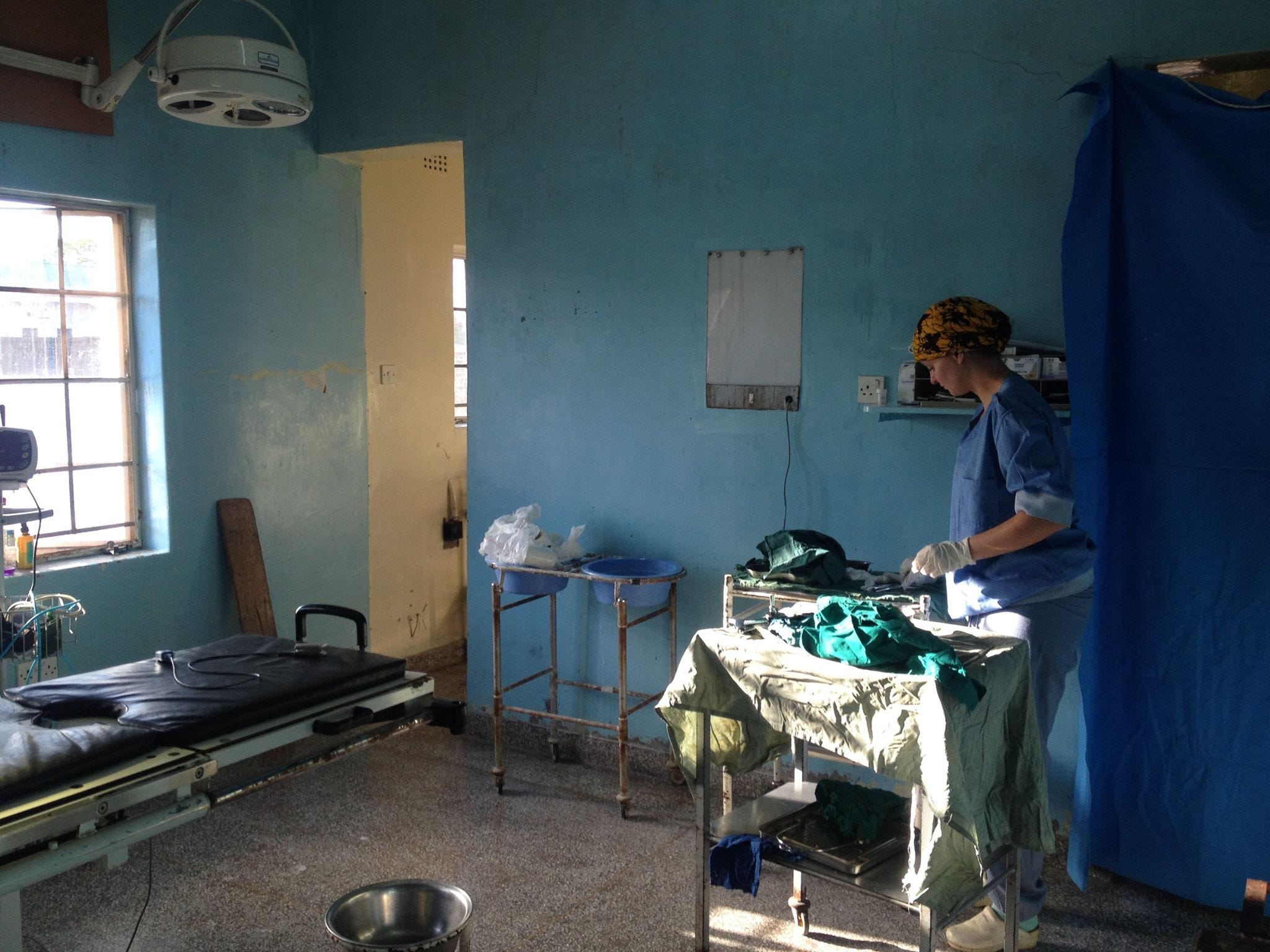
During the past twenty years, I worked in several hospitals in The Netherlands but also in Zambia, Nepal, Curaçao and Bolivia. The change of scenery was deeply insightful. Health matters to all of us, no matter where you live or who you are. The question is, does your health matter to the leaders of your country? And do health care workers matter to the leaders of your country?
As a doctor, and especially as a young inexperienced doctor, you are the wedding planner. The first time you get the responsibility to take care for other human beings (which, unless you are a rare sociopath, you can only take very seriously), it is a privilege but also a bit scary. From the moment a patient sets foot in your emergency department and your name is put on their chart, their health feels like your responsibility. And you end up thinking about how you get all the clicks right rather than taking the time to listen. Just like a wedding planner, the flowers risk to become more important than true love.
And so we end up as being car mechanics, wedding planners, diaries and complain departments. Anywhere in the world, young doctors are resilient, special and, often underpaid and a bit self destructive. But very important to the system.
It’s not the hands
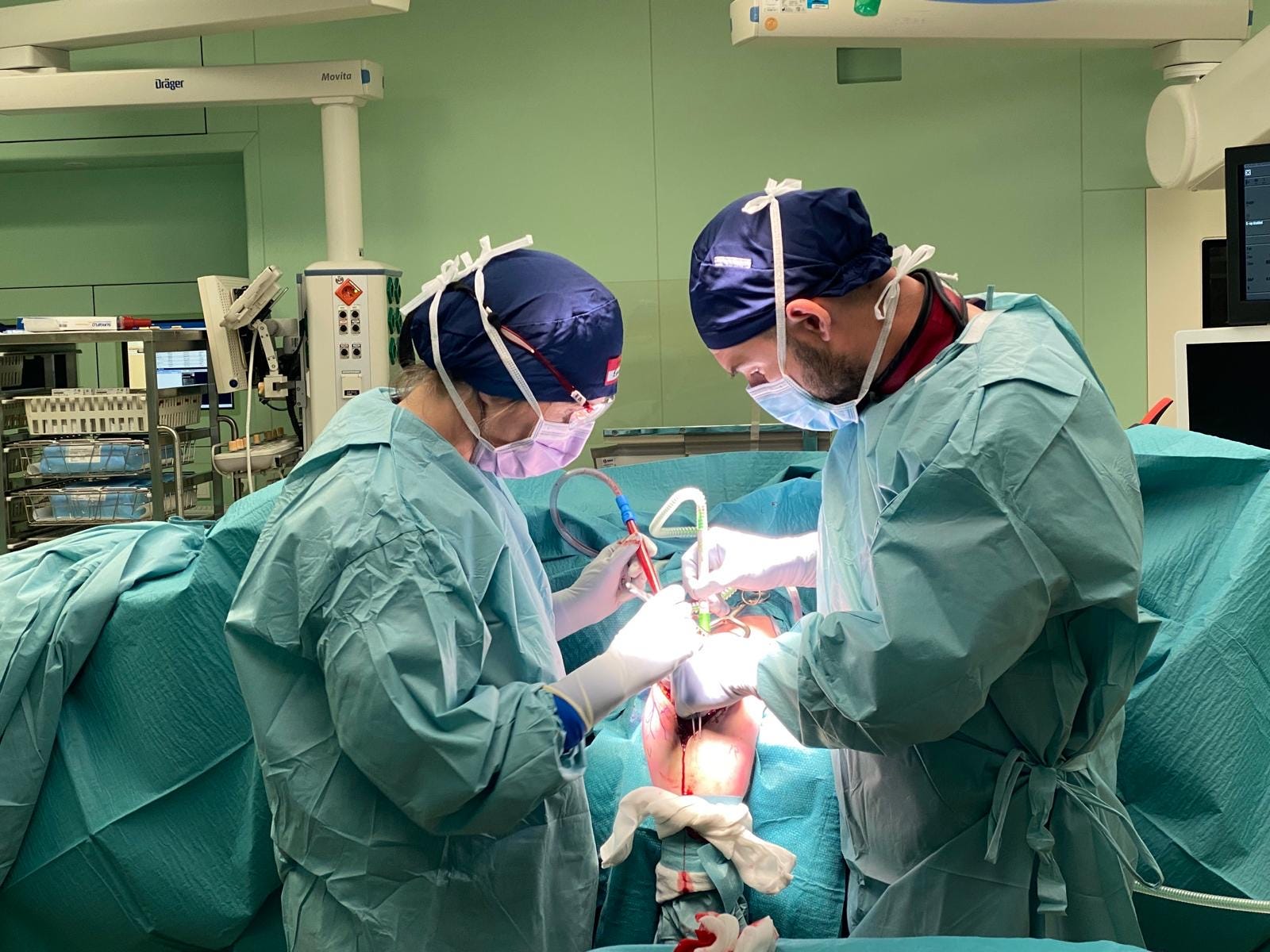
Long story short, I ended up choosing surgery. Not so much because of the hands, but because of the brains. In times of chaos, doubt and distraction, it seemed great to become skilled at a job that seeks structure, decisiveness and focus. And for sure, it tought me that.
Any operation, no matter how small, requires structure, decisiveness and focus. And it comes in all sort of ways. There is no ‘true’ surgeon, the one man or woman with the golden hands and the cold head. It requires hours and hours of practising, no matter what the influencers say.
I loved it and I hated it. I loved the true privilege of meeting a patient and traveling along with them for a brief, but important part of their lives. The trust they give you, the stories they tell you, the emotions they show. And, off course, the blunt fact that you could literally fix something. Take out an inflamed appendix, restore the anatomy of a broken bone, stop the bleed. That is truly satisfying, no questions asked.
Where is the air
I also hated it. The more mentors I encountered, young and old, the more I saw that the system was becoming increasingly more suffocating, making it increasingly more difficult for them to just to their job. So called efficiency introduced more digital ‘solutions’ that in fact put more responsibilities on doctors while cutting supporting personnel; so called quality introduced ongoing audits, administrative tasks and endless meetings that had gone far from the true purpose of being a doctor; so called emancipation of the patient introduced transparency for patients to look into their medical records even before we had the chance to talk to them; a recipe for problems.
Moving forward, I read the amazing books of Atul Gawande and Siddhartha Mukherjee who combined their work as a surgeon and a doctor with writing. I started writing for a national Dutch newspaper about health care and found the conversations that stirred, insightful but also sometimes disappointing.
I felt that even though on a daily base I had no questions about the importance of health care as a pillar in our society, on the outside we were forgetting that. I felt that as a doctor, and especially as a surgeon, it is time to get out of the hospital and act, on behalf of our patients. And I feel that this requires more than doing that in my spare time. It requires the ability to address your own system and if you have a growing interest and position in the system, than it will become a conflict of interest.
The coming decades will be defining in what we, as human beings, value. What we care about. How we care about others, even if we don’t know their names and even if we can’t pronounce them. I hope to contribute to that and if you feel the same, let’s talk.