A few years before they closed, Space10 made a short film called Creativity in the Age of AI. It runs through the history of creative tools and asks what AI changes about the act of making. I keep coming back to this film these days. So let’s explore the studio behind it and explain how they pushed the boundaries of creativity in the age of AI.
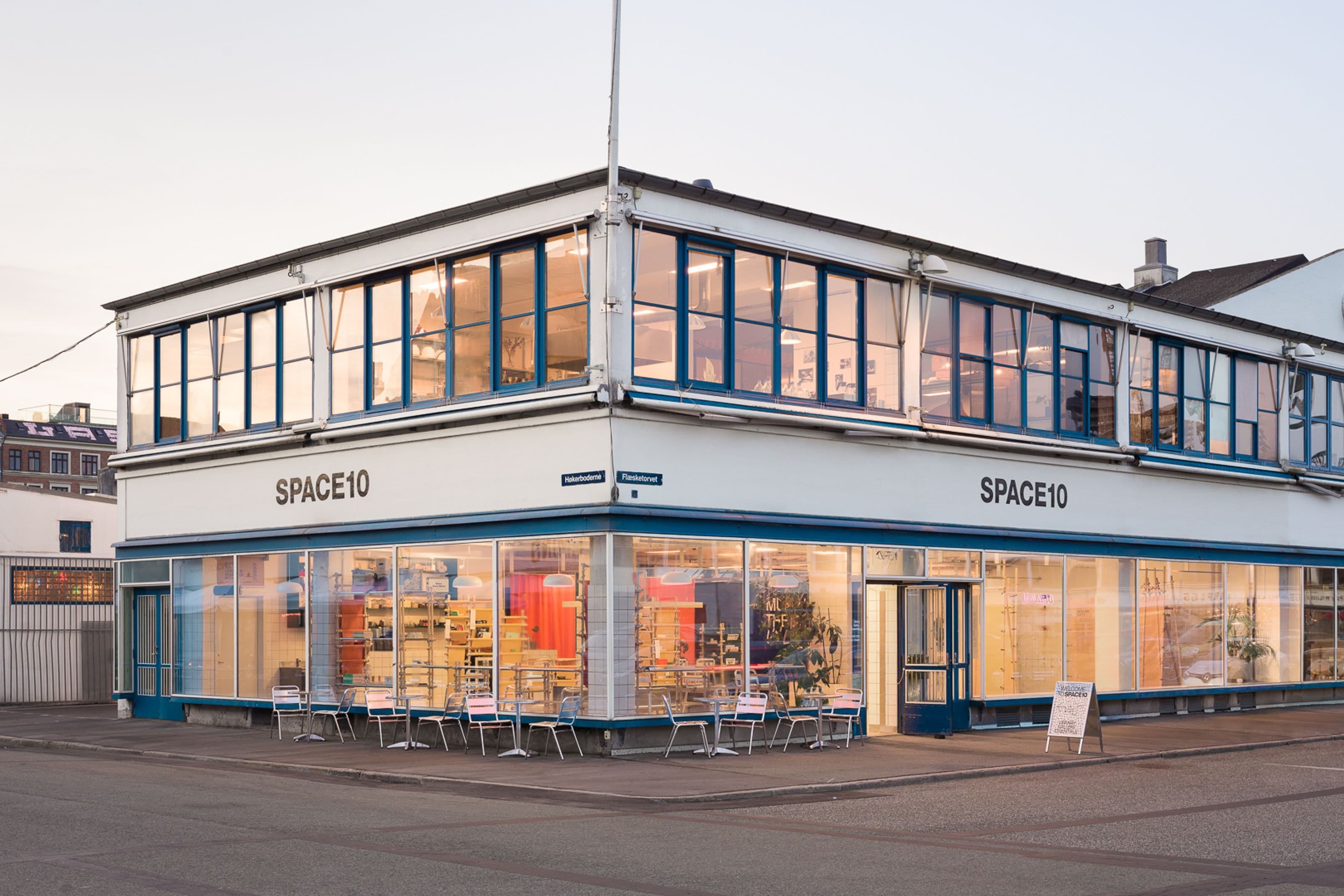
Space10 was IKEA’s research and design lab in Copenhagen. It started in 2014, out of a project between IKEA and a Danish design collective called ArtRebels who had designed a furniture line for the retailer. When then-CEO Torbjörn Lööf called them in for a follow-up, they could have proposed another product line. But they proposed something else, as rebels do.
Instead of just creating a better future for IKEA, our starting point was asking how IKEA could help create a better future for the world,” Simon Caspersen told Fast Company in 2015. “Let’s get rid of the whole client-agency model, have IKEA pay the basic fees and costs of running a space, and then devote ourselves to looking 10 or 20 years down the pipeline.
That arrangement is what made the work possible. A small team with a long horizon, free of campaigns and quarterly deliverables, working on questions that took years to answer.
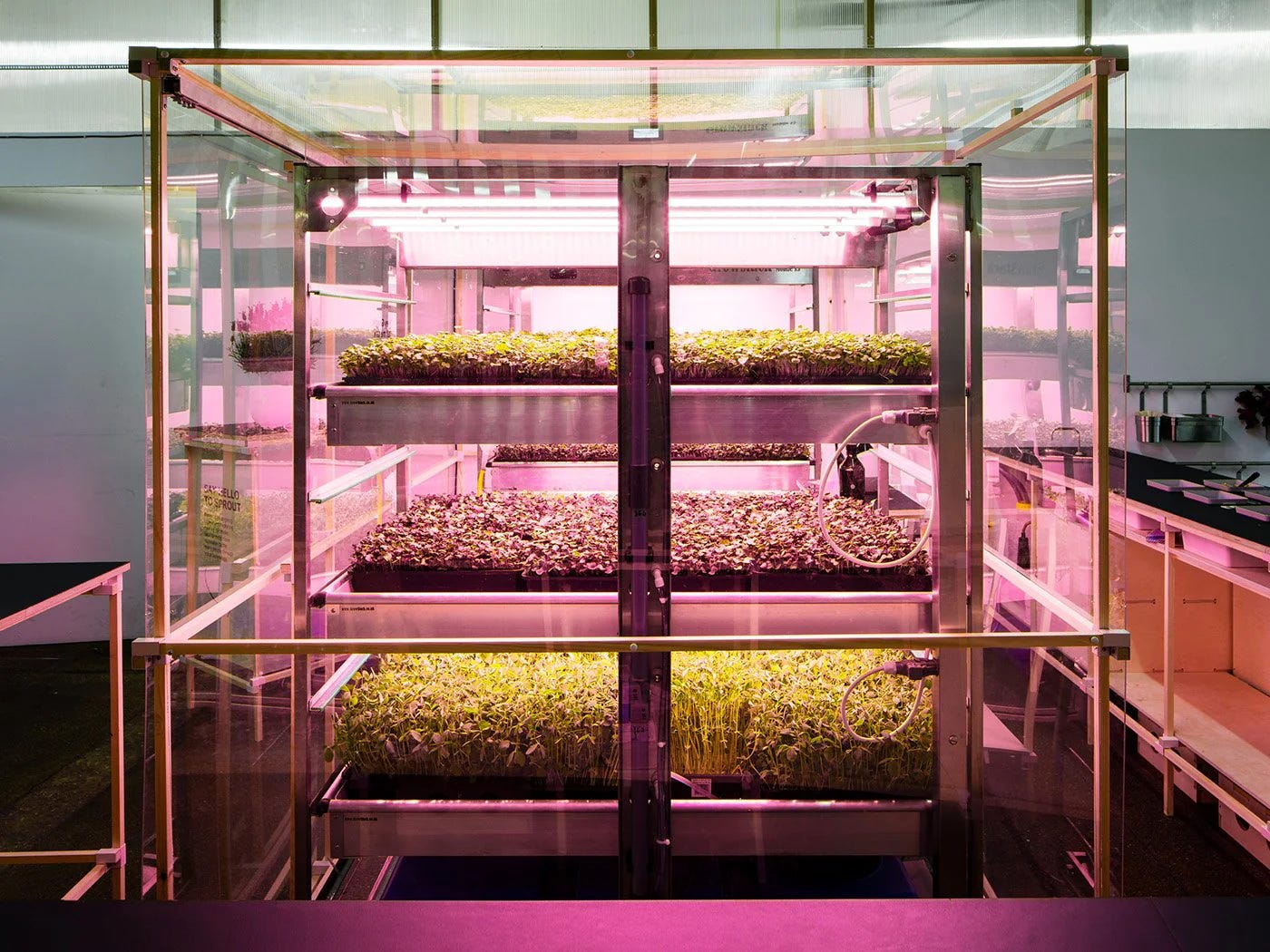
So they took strange ones. What if hotdogs had no meat. What if homes shipped flat and assembled in a day. What if a village block was the unit of urban design instead of the apartment. The output looked like prototypes and films and exhibitions. The real product was a way of thinking about the future that didn’t sound like a press release.
I was envy of it. I still am to be honest. As a solo designer, you read about a place like that and you want to be in the room with curious people working on real stuff, tinkering at the highest level.
Sadly they closed shop in 2023. But the highlights are still up. Go get lost in them. They are very inspiring projects.
Most teams now use AI to ship faster. Space10 used it to think further. They used AI to shorten the distance between an idea and a prototype they could look at and discuss about. The argument is still human. The making is partly machine. An emerging type of collaboration.
DOC put the question well in their piece on the studio:
When we consider the utility of AI in creativity as a feature that helps us create meaning instead of consuming content, it provides a means for us to frame how we build tools that act as collaborative partners in creative work and stimulate our creative action.
So, when building creative tools with this in mind, what should the actual interaction design between humans and AI look like?
That’s the part most product teams skip. The question we should be asking is what the interaction looks like when a person and a model are working on the same thing at the same time. Space10 treated that as a design problem.
The result is a studio that used AI to go deeper into questions about food, shelter, cities, and loneliness. They handed over some of the iteration and kept the question.
We’ve been here before. People were hostile to the camera. They were hostile to the automobile, to recorded music, to the personal computer. Painters thought photography would end painting. It ended a particular kind of portrait commission and freed painting to do something else.
The fears around AI with those. Some of it is about jobs. Some is about craft. Some is about consent. Artists’ work became training data without their permission. Styles that took twenty years to develop are a prompt away. That’s a property question we still haven’t answered.
The rest of the resistance follows the usual shape. A new tool changes who gets to make things, and the speed it brings starts to feel like the point. I wrote about this in Efficiency over Craftsmanship: the more design optimizes for output, the more the work drifts toward the average. AI is the strongest accelerant we’ve had. The risk is the same as before.
The value of most essays we write over a lifetime sits in the effort of writing them. The thinking happens in the friction.
If we hand the friction to a model, we get the essay and lose the thinking. If we hand the iteration to a model and keep the question, we get more thinking, faster.
Space10’s film is an argument for the second one. Made by a team that built that way for nine years before it closed. Worth watching, and worth borrowing from.
— Thanks for reading. Always good to hear what you think. Comments open.
The film
Creativity in the Age of AI, Space10, directed by Joss Fong and Áron Filkey: youtube.com/watch?v=y7g-nRooZr8
Space10
Studio: space10.com
Highlights of nine years of work: space10.com/highlights
Inside Ikea’s Innovation Lab for the Future of Home Design, Fast Company, 2015: fastcompany.com/3053873
Selected Space10 projects worth a look
Products of Place: Localised Design with AI - How can AI assist designers to make more sustainable products using abundant local materials?
Tomorrow’s Meatball: Visualising the future of food, including the dogless hotdog.
Future Food Today: a Space10 cookbook of recipes built around alternative ingredients.
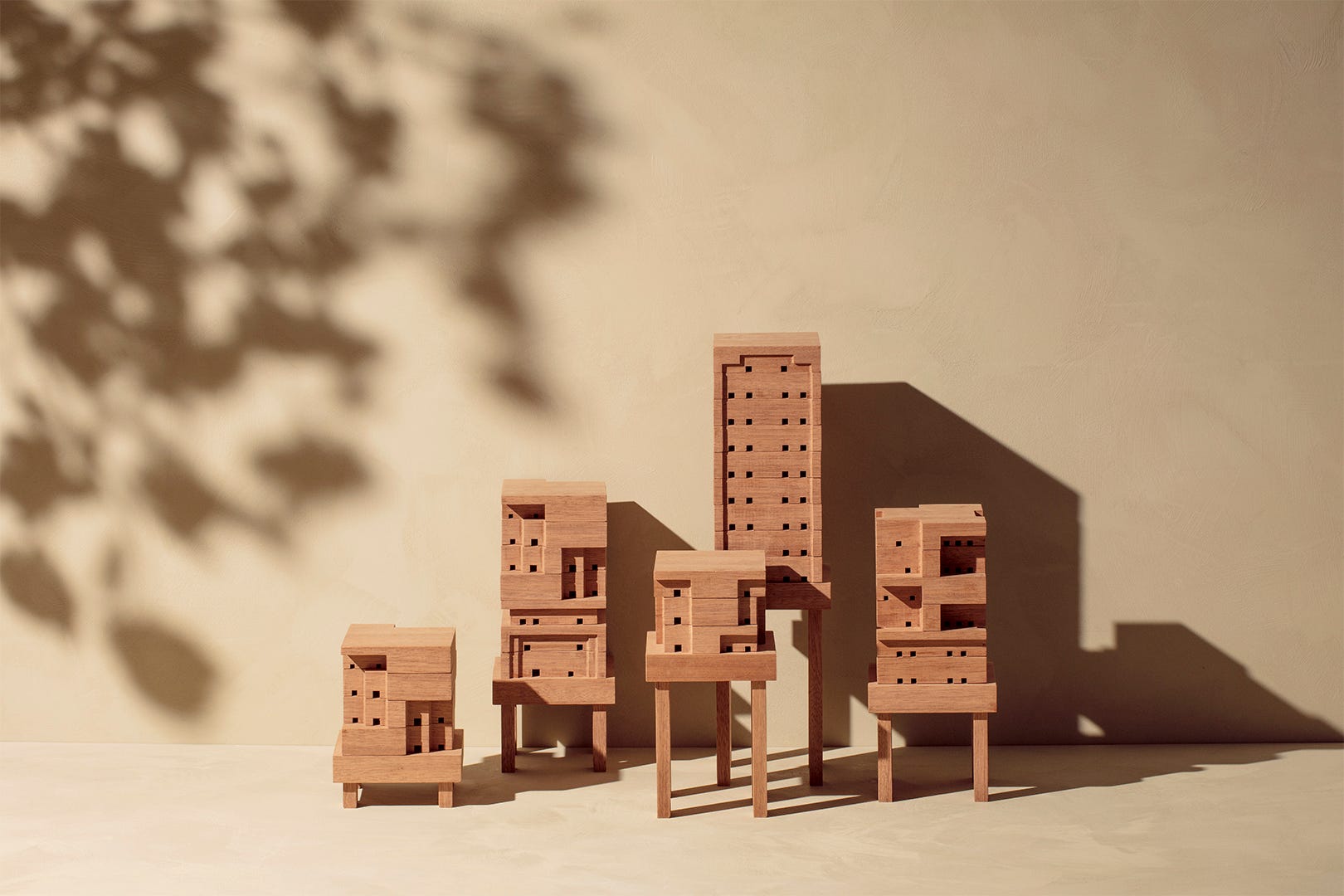
The Urban Village Project: a proposal for shared, modular living at the block scale, with EFFEKT Architects.
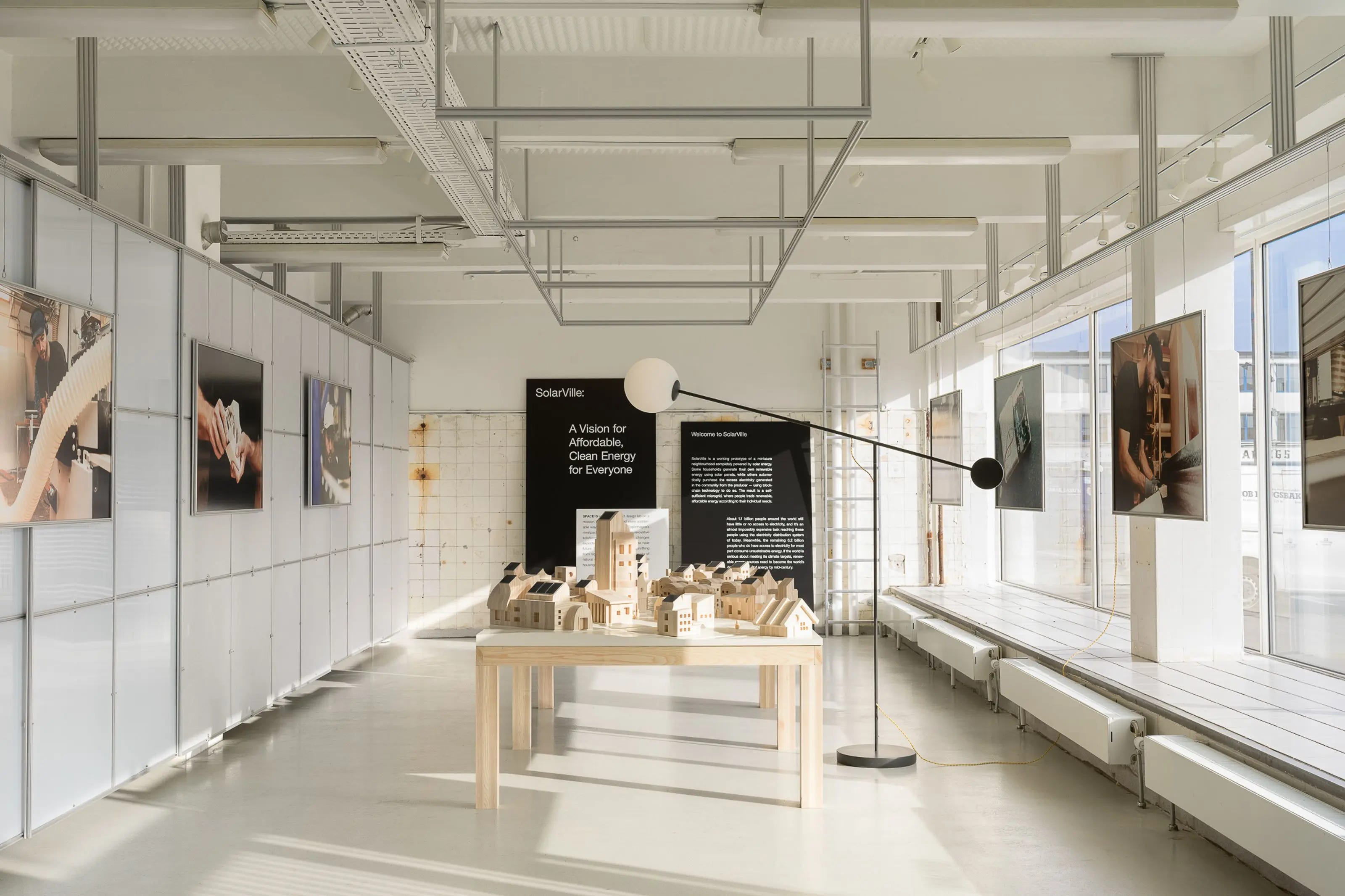
SolarVille: a miniature neighborhood prototype running on solar microgrids and peer-to-peer energy trading.
Everyday Experiments: short films exploring how spatial computing and AI could reshape the home.
Bee Home: open-source, downloadable beehive designs.
Spaces on Wheels: a study of what driverless cars could become once they’re more than transport.
People
Joss Fong, video journalist on science and tech, formerly of Vox, now co-founder of Howtown: joss-fong.com
Áron Filkey, art director and visual artist working across photo, motion, and set design: aronfilkey.com
Simon Caspersen, co-founder of Space10 and ArtRebels.
Torbjörn Lööf, then-CEO of IKEA when Space10 was founded.
ArtRebels, the Danish design collective behind Space10’s original concept: artrebels.com
Further reading
Collected Consciousness, DOC: doc.cc/articles/consciousness
Efficiency over Craftsmanship, UX Collective: uxdesign.cc/efficiency-over-craftsmanship