










Lectures
Tu/Thu 10:30-11:50am
CIT 477
Spring 2026
Humanity's technological progress is defined in part by the development of tools for thought (TfT) which augment our cognitive capabilities: mnemonics, writing, diagrams, calculators, notation, and more. Computers have powered a TfT revolution, as seen through software such as data visualizations, search engines, digital maps, computational notebooks, and generative AI. This course provides the foundations for understanding the TfT of today to help you build the TfT of tomorrow.
We will explore computational TfT from several perspectives:
- Psychology: How can theories of cognition inform the design of TfT? We will focus principally on theories of memory, perception, problem solving, and learning.
- History: What can we learn from the near and distant past of TfT? We will examine TfT ranging from oral tradition to medieval codices to the origins of the modern internet.
- Engineering: What are the design trade-offs involved in building TfT? How can we build TfTs that are easy to archive, scale, share, and customize?
Lectures
01/22
- Vannevar Bush. "As We May Think" (1945)
- Douglas Engelbart. "Mother of All Demos" (1968)
- Alan Kay. "Dynabook: The Complete Story" (1996)
- Apple Knowledge Navigator (1987)
- Bret Victor. Computational Public Space (2024)
all cited works
- Douglas Engelbart. "Augmenting Human Intellect" (1962)
- Microsoft: Productivity Future Vision (2011)
01/27
- John Anderson. Cognitive Psychology (2020). Chs 6-7
- Walter Ong. Orality and Literacy (1982)
- David Rubin. Memory in Oral Traditions (1997)
all cited works
- George Sperling. "Successive approximations to a model for short term memory" (1967)
- Glenberg. Smith. and Green. "Type I rehearsal: Maintenance and more" (1977)
- Ericsson. Chase. and Faloon. "Acquisition of a Memory Skill" (1980)
- Chase and Simon. "Perception in Chess" (1973)
- McKeithen et al. "Knowledge Organization and Skill Differences in Computer Programmers" (1981)
- Pirolli and Anderson. "The Role of Practice in Fact Retrieval" (1985)
- Jullian Blackburn. The Acquisition of Skill (1936)
- Harry Bahrick. "Semantic memory content in permastore: Fifty years of memory for Spanish learned in school" (1984)
- Pavlik and Anderson. "Practice and Forgetting Effects on Vocabulary Memory" (2005)
- Roger Shepard. "Recognition memory for words, sentences, and pictures" (1967)
- Godden and Baddeley. "Context-Dependent Memory in Two Natural Environments: On Land and Underwater" (1975)
- Saufley, Otaka, and Bavaresco. "Context effects: Classroom tests and context independence" (1985)
- Eric Havelock. Preface to Plato. (1963)
- Eric Havelock. The Greek Concept of Justice. (1978)
- Francis Yates. The Art of Memory. (1966)
01/29
- Gwern Branwen. "Spaced Repetition for Efficient Learning"
- Matuschak and Nielsen. "How can we develop transformative tools for thought?" (2019)
all cited works
- Roediger and Karpicke. "Test-Enhanced Learning: Taking Memory Tests Improves Long-Term Retention" (2006)
- Landauer and Bjork. "Optimum Rehearsal Patterns and Name Learning" (1978)
- Kang et al. "Retrieval practice over the long term: Should spacing be expanding or equal-interval?" (2014)
- Sebastian Leitner. So lernt man Lernen. (1972)
- Gilbert et al. "A Cohort Study Assessing the Impact of Anki as a Spaced Repetition Tool on Academic Performance in Medical School" (2023)
- Ganjavi et al. "ChatGPT and large language models (LLMs) awareness and use" (2024)
- Michael Nielsen. "Augmenting Long-term Memory" (2018)
- Github user Expertium. "Note Types to Avoid Pattern Matching"
- Matuschak and Nielsen. "Quantum computing for the very curious" (2019)
- Andy Matuschak. "How Might We Learn?" (2024)
- Piotr Wozniak. Optimization of learning. (1990)
02/03
Reading I
Technology of the Written Word
- Steven Fischer. A History of Writing (2020)
- Rayner et al. Psychology of Reading (2012)
- John Anderson. Cognitive Psychology (2020), Ch 13
all cited works
- Kuhn et al. "Aligning Theory and Assessment of Reading Fluency: Automaticity, Prosody, and Definitions of Fluency" (2011)
- Hasbrouck and Tindal. "Oral Reading Fluency Norms: A Valuable Assessment Tool for Reading Teachers" (2011)
- Aaronson and Scarborough. "Performance theories for sentence coding: Some quantitative evidence" (1976)
- Singer. "Discourse inference processes" (1994)
- Zimny. Recognition Memory for Sentences From Discourse (1987)
02/05
- Sellen and Harper. The Myth of the Paperless Office (2003)
- Tashman and Edwards. "LiquidText: A Flexible, Multitouch Environment to Support Active Reading" (2011)
- Bret Victor. "Explorable Explanations" (2011)
- Lo et al. "The Semantic Reader Project" (2024)
all cited works
- Wallace et al. "Towards Individuated Reading Experiences: Different Fonts Increase Reading Speed for Different Individuals" (2022)
- Daniel Doyon. "Does Bionic Reading actually work? We timed over 2,000 readers and the results might surprise you" (2022)
- Joshua Snell. "No, Bionic Reading does not work" (2024)
- Koornneef and Kraal. "Does BeeLine Reader’s gradient-coloured font improve the readability of digital texts for beginning readers?" (2022)
- Kuster et al. "Dyslexie font does not benefit reading in children with or without dyslexia" (2017)
- Wery and Diliberto. "The effect of a specialized dyslexia font, OpenDyslexic, on reading rate and accuracy" (2016)
- Head et al. "Augmenting Scientific Papers with Just-in-Time, Position-Sensitive Definitions of Terms and Symbols" (2021)
- Ström, Åström, and Akenine-Möller. Immersive Linear Algebra (2020)
- Bartosz Ciechanowski. "Mechanical Watch" (2022)
- Bret Victor. "Ten Brighter Ideas? An Explorable Explanation" (2010)
- Distill Editorial Team. "Distill Hiatus" (2021)
- Romat et al. "SpaceInk: Making Space for In-Context Annotations" (2019)
- Liu et al. "DocVision: A Seamless, Cross-Device Immersive Active Reading Framework for Digital Academic Literature" (2025)
02/10
- Ann Blair. Too Much to Know: Managing Scholarly Information before the Modern Age (2010)
- Elizabeth Eisenstein. The Printing Revolution in Early Modern Europe (2013)
- Judith Flanders. A Place for Everything: The Curious History of Alphabetical Order (2021)
- Ted Nelson. "Getting It Out of Our System" (1967)
all cited works
- Buringh and Luiten Van Zanden. "Charting the “Rise of the West”: Manuscripts and Printed Books in Europe, A Long-Term Perspective from the Sixth through Eighteenth Centuries" (2009)
- Dennis Duncan. Index, A History of the (2022)
- Markus Krajewski. Paper Machines: About Cards & Catalogs, 1548-1929 (2011)
- Daniel Headrick. When Information Came of Age: Technologies of Knowledge in the Age of Reason and Revolution, 1700-1850 (2000)
- Charles Cutter. Rules for a Dictionary Catalogue (1904)
- Melvil Dewey. A Classification and Subject Index for Cataloguing and Arranging the Books and Pamphlets of a Library (1876)
- Thomas Malone. "How Do People Organize Their Desks? Implications for the Design of Office Information Systems" (1983)
- Niklas Luhmann-Archiv
02/12
- Tim Berners-Lee. "Information Management: A Proposal" (1989)
- Steven DeRose. "What do we still lack? Or: Prolegomena to any future hypertext system" (2014)
all cited works
- Jake Teton-Landis. "Exploring Notion's Data Model: A Block-Based Architecture" (2021)
- Bevendorff et al. "Is Google Getting Worse? A Longitudinal Investigation of SEO Spam in Search Engines" (2024)
- Lewandowski et al. "The influence of search engine optimization on Google's results: A multi-dimensional approach for detecting SEO" (2021)
- Zittrain et al. "Perma: Scoping and Addressing the Problem of Link and Reference Rot in Legal Citations" (2014)
- "How I Prep D&D With Obsidian"
- "Literature Review with Zettelkasten & Tinderbox"
- "Organizing docs & wikis for large teams"
- "How to build a dashboard in Coda"
02/19
- Colin Ware. Information Visualization: Perception for Design (2020)
- Tamara Munzner. Visualization Analysis & Design (2014)
all cited works
- Ruth Rosenholtz. “Capabilities and Limitations of Peripheral Vision” (2016)
- S. S. Stevens. Psychophysics: Introduction to Its Perceptual, Neural, and Social Prospects (1975)
- Heer and Bostock. “Crowdsourcing graphical perception: using mechanical turk to assess visualization design” (2010)
- Treisman and Gelade. “A feature-integration theory of attention” (1980)
- Ruth Rosenholtz. “Visual Attention in Crisis” (2025)
02/24
- Leland Wilkinson. The Grammar of Graphics (2001)
- Satyanarayan et al. "Vega-Lite: A Grammar of Interactive Graphics" (2016)
all cited works
- datasauRus
- J. C. R. Licklider. "Man-Computer Symbiosis" (1960)
- Edmond Halley. An Historical Account of the Trade Winds (1686)
- Petrus Apianus. Cosmographia (1546)
- William Playfair. The Commercial and Political Atlas (1787)
- Charles Minard. Des tableaux graphiques et des cartes figuratives (1861)
- John Snow. On the Mode of Communication of Cholera (1855)
- Bhatia et al. “How Much Snow Will Fall Where You Live?” New York Times (2/21/2026)
- Josh Katz. “Milan-Cortina Olympics: Who Leads the Medal Count?” New York Times (2/21/2026)
- Bostock et al. "D3: Data-Driven Documents" (2011)
- Ye et al. "Penrose: from mathematical notation to beautiful diagrams" (2020)
- Pollock et al. "Bluefish: Composing diagrams with declarative relations" (2024)
02/26
- Edward Tufte. The Visual Display of Quantitative Information (1983)
- Jock Mackinlay. “Automating the design of graphical presentations of relational information” (1986)
03/03
- Scott McCloud. Understanding Comics (1993)
- Larkin and Simon. "Why a Diagram is (Sometimes) Worth Ten Thousand Words" (1987)
all cited works
- Nicole Yankelovich, Norm Meyrowitz, and Andy van Dam. “Reading and Writing the Electronic Book” (1985)
- Byrne et al. “Evaluating animations as student aids in learning computer algorithms” (1999)
- Robert Finkel. “History of the Arrow” (2015)
- Roberts et al. “Preference versus performance: Investigating the dissociation between objective measures and subjective ratings of usability for schematic metro maps and intuitive theories of design” (2016)
- Tversky et al. “Visualizing thought: Mapping category and continuum” (2011)
03/05
- Eds. Richard Mayer and Logan Fiorella. The Cambridge Handbook of Multimedia Learning (2021)
- Edward Tufte. The Cognitive Style of PowerPoint (2003)
- Tversky et al. "Animation: can it facilitate?" (2002)
all cited works
- Schmidt et al. “When more isn’t better: evidence for an instructional equivalence hypothesis in multimedia design” (2025)
- Garner and Alley. “How the Design of Presentation Slides Affects Audience Comprehension: A Case for the Assertion–Evidence Approach” (2013)
- Kayvon Fatahalian. "Tips for Giving Clear Talks" (2023)
03/10
- Seymour Papert. Mindstorms: Children, Computers, and Powerful Ideas (1980) [rebuttal]
- Justin Reich. Failure to Disrupt: Why Technology Alone Can't Transform Education (2020)
all cited works
- Horace Mann. “Twelfth Annual Report to the Secretary of the Massachusetts State Board of Education” (1848)
- A Nation At Risk: The Imperative for Educational Reform (1983)
- Martin Weller. 25 Years of Ed Tech (2020)
- Larry Cuban. Oversold and Underused: Computers in the Classroom (2003)
- Bill Ferriter. "Why I Hate Interactive Whiteboards" (2010)
- Christensen et al. Disrupting Class: How Disruptive Innovation Will Change the Way the World Learns (2008)
- Salman Khan. "Let's use video to reinvent education" (2011)
- Tamar Lewin. "After Setbacks, Online Courses Are Rethought" (2013)
- Eames et al. “Computer-assisted learning in the real world: How Khan Academy influences student math learning” (2026)
- Luis von Ahn. "How to make learning as addictive as social media" (2023)
03/12
Guest lecture: Shriram Krishnamurthi
03/17
- Gottlob Frege. Begriffsschrift, a formula language, modeled upon that of arithmetic, for pure thought (1879)
- Florian Cajori. A History of Mathematical Notations (1928)
- Zhang and Norman. "A Representational Analysis of Numeration Systems" (1995)
all cited works
- "Al-Khwarizmi and quadratic equations" (2006)
- Anna Heyward. "How to Write a Dance" (2015)
- C. F. Abdy Williams. The Story of Notation (1903)
- Terry Tao. on mathematical notation (2020)
03/31
- Bonnie Nardi. A Small Matter of Programming (1995)
- Bartram, Correll, and Tory. "Untidy Data: The Unreasonable Effectiveness of Tables" (2022)
all cited works
- Bill Casselman. "The Babylonian tablet Plimpton 322" (2003)
- Hendry and Green. "Creating, Comprehending and Explaining Spreadsheets" (1994)
- Chalhoub and Sarkar. “Understanding and Improving the User Experience of Structuring Data in Spreadsheets” (2022)
- Kassoff and Genesereth. “PrediCalc: a logical spreadsheet management system” (2005)
- Chang and Myers. “Using and Exploring Hierarchical Data in Spreadsheets” (2016)
- McCutchen et al. “Object Spreadsheets: A New Computational Model for End-User Development of Data-Centric Web Applications” (2016)
- Warth, Litt, and Bryant. Ambsheets: Spreadsheets for exploring scenarios (2025)
04/02
- Donald Knuth. “Literate Programming” (1984)
- Fernando Perez. “The IPython notebook: a historical retrospective” (2012)
- Lau et al. "The Design Space of Computational Notebooks" (2020)
all cited works
- Fernando Perez. “"Literate computing" and computational reproducibility: IPython in the age of data-driven journalism” (2013)
- James Somers. "The Scientific Paper is Obsolete" (2018)
- Rule, Tabard, and Hollan. "Exploration and Explanation in Computational Notebooks" (2018)
- Samuel and Mietchen. "Computational reproducibility of Jupyter notebooks from biomedical publications Open Access" (2024)
- Sato and Nakamaru. “Multiverse Notebook: Shifting Data Scientists to Time Travelers” (2024)
- Li et al. "Kishu: Time-Traveling for Computational Notebooks" (2024)
04/07
- Nancy Pennington. “Stimulus structures and mental representations in expert comprehension of computer programs” (1987)
- Edsger Dijkstra. “Go To Statement Considered Harmful” (1968)
- Steve Reiss. “The Paradox of Software Visualization” (2005)
all cited works
- Barik et al. “Do Developers Read Compiler Error Messages?” (2017)
- Stefik and Siebert. “An Empirical Investigation into Programming Language Syntax” (2013)
- Bragdon et al. "Code bubbles: a working set-based interface for code understanding and maintenance" (2010)
04/09
Programming III
(continued)
04/14
AI I
The Lay of the Land
- Phan et al. "Humanity's Last Exam" (2025)
- Lindsey et al. “On the Biology of a Large Language Model” (2025)
- Patwardhan et al. "GDPval: Evaluating AI Model Performance on Real-World Economically Valuable Tasks" (2025)
- Ranganathan and Ye. “AI Doesn’t Reduce Work—It Intensifies It” (2026)
all cited works
- Levesque et al. "The Winograd Schema Challenge" (2012)
- Warstadt et al. "Neural Network Acceptability Judgments" (2018)
- Steinhardt et al. "Measuring Massive Multitask Language Understanding" (2020)
- Rein et al. "GPQA: A Graduate-Level Google-Proof Q&A Benchmark" (2023)
- Kantamneni and Tegmark. “Language Models Use Trigonometry to Do Addition” (2025)
- Yue et al. "MMMU: A Massive Multi-discipline Multimodal Understanding and Reasoning Benchmark for Expert AGI" (2023)
- Muennighoff et al. "MTEB: Massive Text Embedding Benchmark" (2022)
- Merrill et al. "Terminal-Bench: Benchmarking Agents on Hard, Realistic Tasks in Command Line Interfaces" (2026)
- Jimenez et al. "SWE-bench: Can Language Models Resolve Real-World GitHub Issues?" (2023)
- Xie et al. "OSWorld: Benchmarking Multimodal Agents for Open-Ended Tasks in Real Computer Environments" (2024)
- Wei et al. "BrowseComp: A Simple Yet Challenging Benchmark for Browsing Agents" (2025)
- Kwa et al. "Measuring AI Ability to Complete Long Software Tasks" (2025)
- Fok et al. “Scim: Intelligent Skimming Support for Scientific Papers” (2023)
- Gunturu et al. “Augmented Physics: Creating Interactive and Embedded Physics Simulations from Static Textbook Diagrams” (2024)
- August et al. “Paper Plain: Making Medical Research Papers Approachable to Healthcare Consumers with Natural Language Processing” (2023)
- Kestin et al. “AI tutoring outperforms in-class active learning: an RCT introducing a novel research-based design in an authentic educational setting” (2025)
04/16
Guest lecture: Serena Booth and Lily Tsai
04/21
- Schut et al. “Bridging the human–AI knowledge gap through concept discovery and transfer in AlphaZero” (2025)
- Roberts et al. “Reverse engineering what makes a symbol memorable” (2026)
- Cao et al. "Generative and Malleable User Interfaces with Generative and Evolving Task-Driven Data Model" (2025)
all cited works
- Mikolov et al. “Linguistic Regularities in Continuous Space Word Representations” (2013)
- Philip Tchernavskij. Designing and Programming Malleable Software (2019)
- Vaithilingam et al. "DynaVis: Dynamically Synthesized UI Widgets for Visualization Editing" (2024)
- Kaputa et al. "SimStep: Human-in-the-Loop Authoring of Interactive Educational Simulations Through Task-Level Abstractions" (2026)
04/23
AI III
In-Class Discussions
- Klowden and Tao. "Mathematical methods and human thought in the age of AI" (2026)
- Shen and Tamkin. "How AI Impacts Skill Formation" (2026)
- Litt et al. "Malleable software: Restoring user agency in a world of locked-down apps" (2025)
- Edd Gent. “AI coding is now everywhere. But not everyone is convinced.” (2025)
- Chang et al. “The Prompt Artists” (2023)
- Joseph Weizenbaum. “Artificial Intelligence” in Computer Power and Human Reason (1976)
05/05
Project presentations
Assignments
Assignment
Out Date
Due Date
Final Project
Calendar
Staff

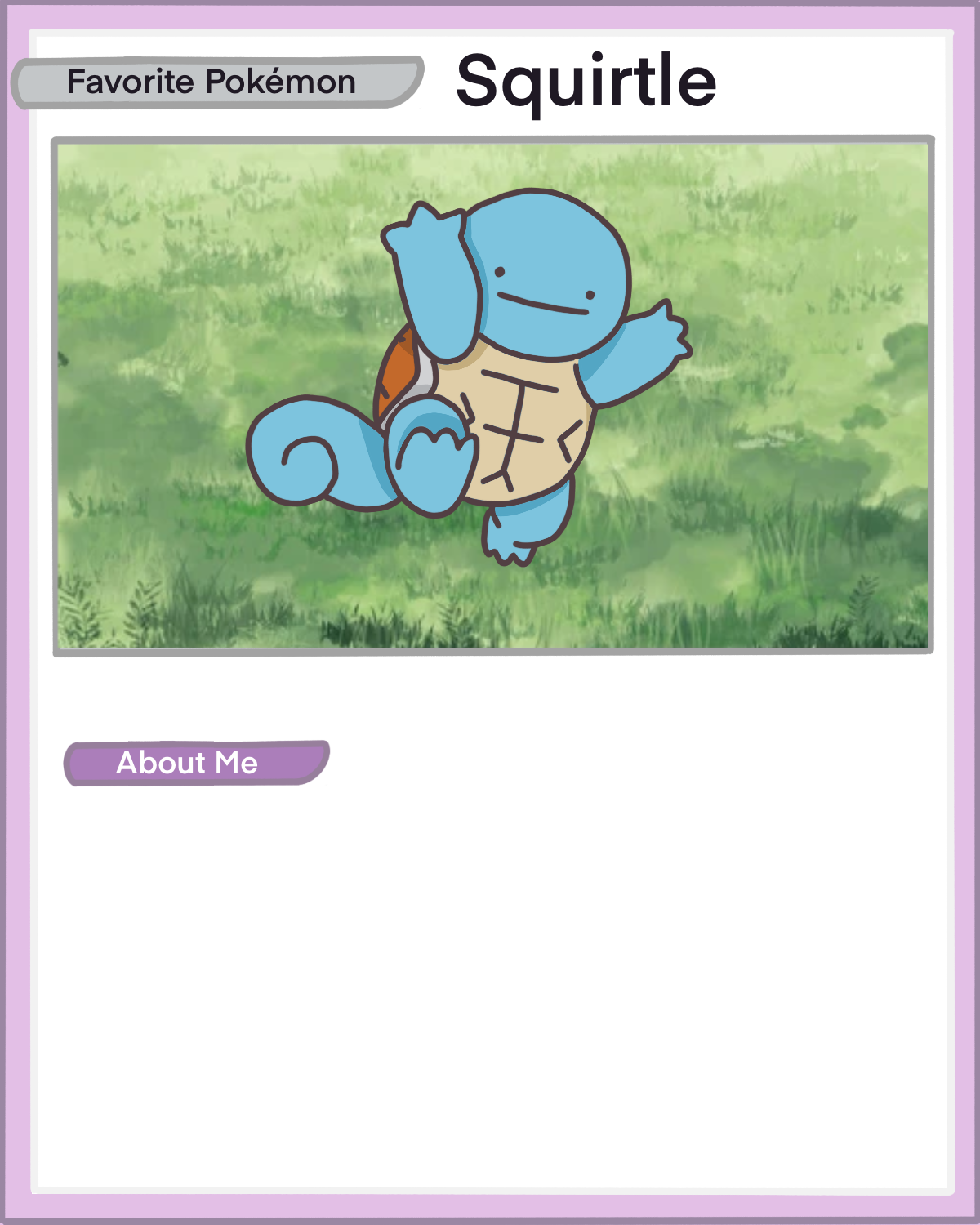
Thinker and tinkerer of tools for thought, programming language researcher, singing and tennis enthusiast.
Will Crichton
Hours: Tuesday 1-2pm, CIT 333

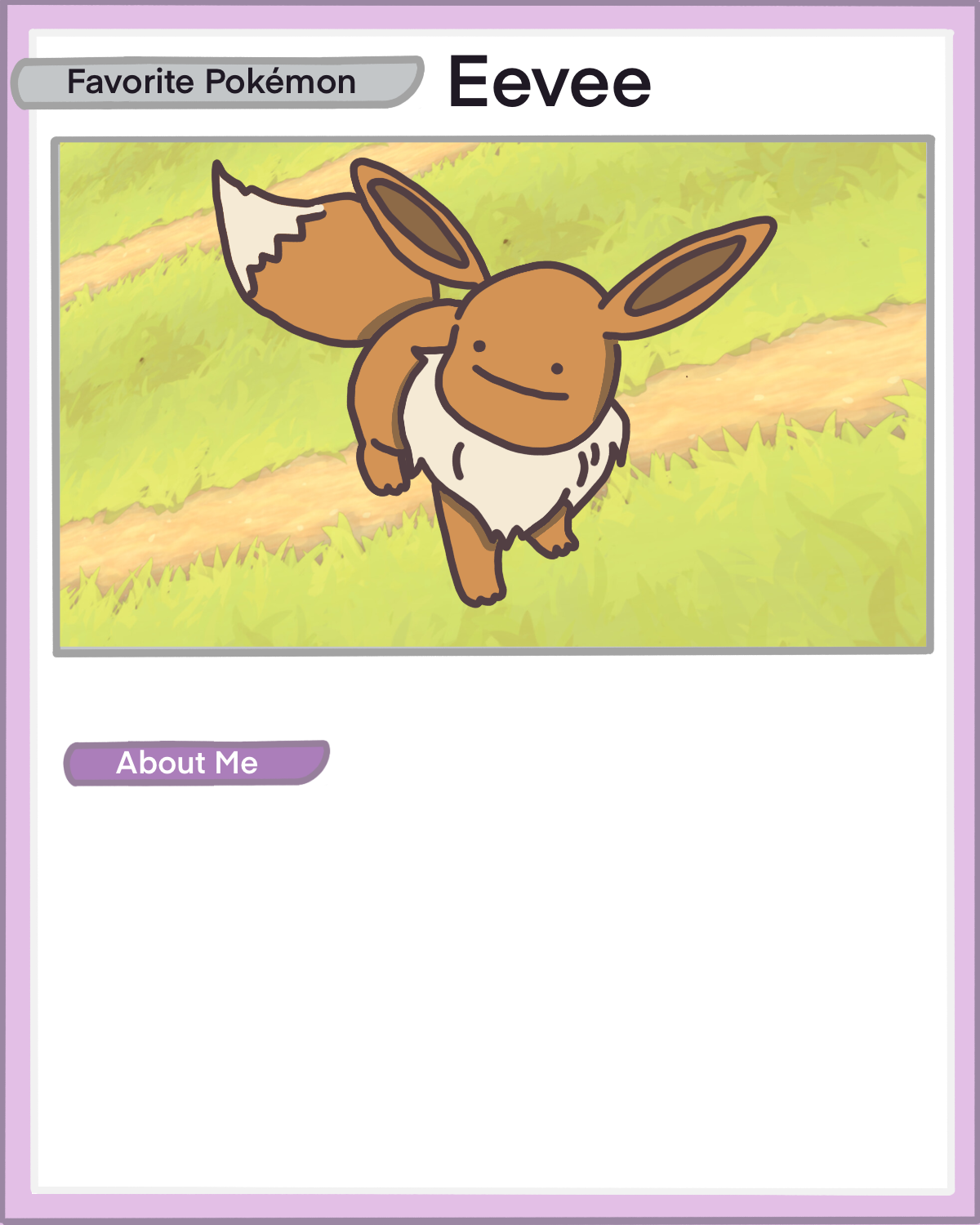
Studying CS + Cog Sci, and otherwise probably crafting, running, or making experimental coffees at home!
Eleanor Park (HTA)
Hours: Wednesday 4:30-6 pm, CIT 102

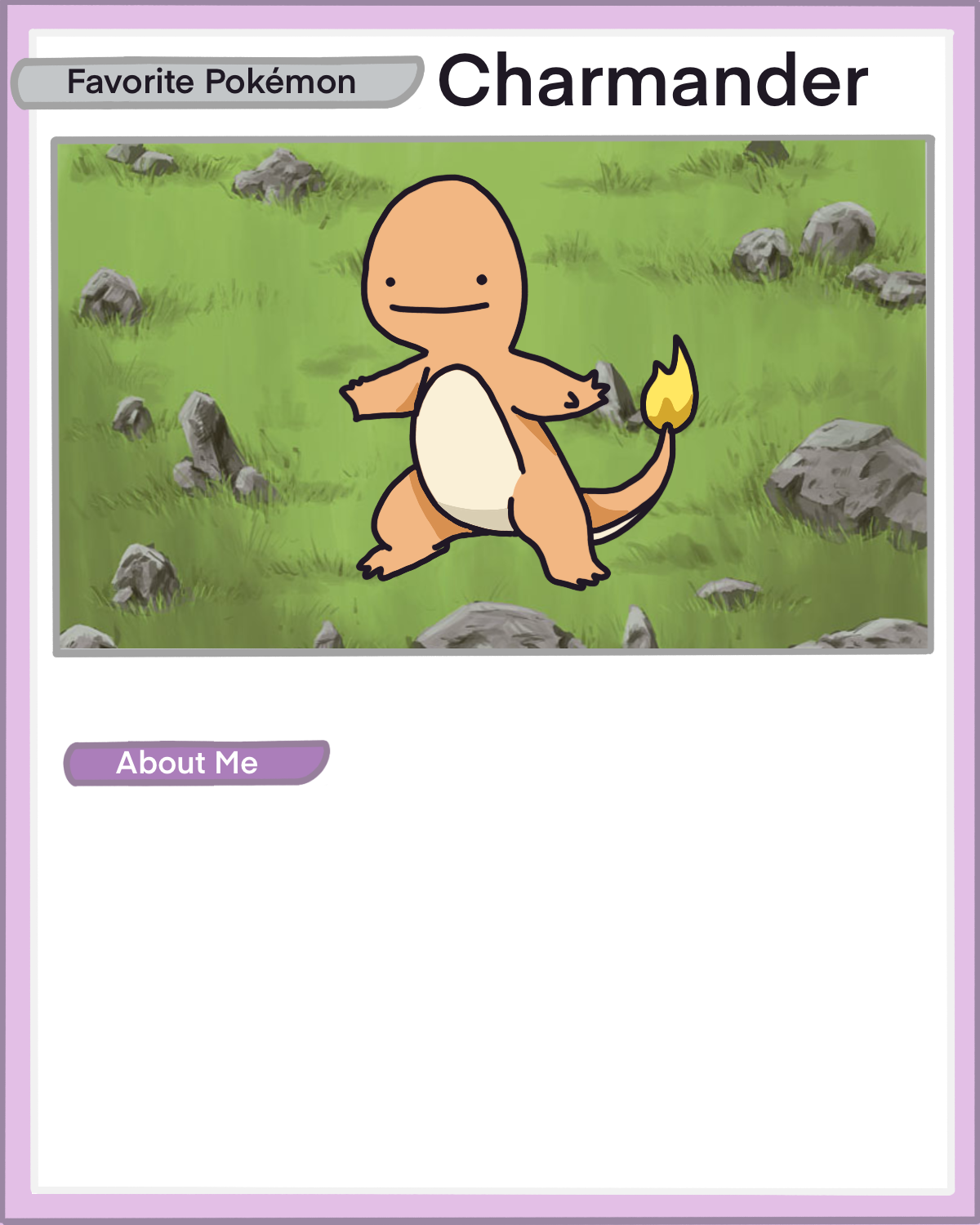
Enjoy mixing random things in my banana bread and getting to know you all!
Charlene Chen (UTA)
Hours: Tuesday 3-4 pm, CIT 102

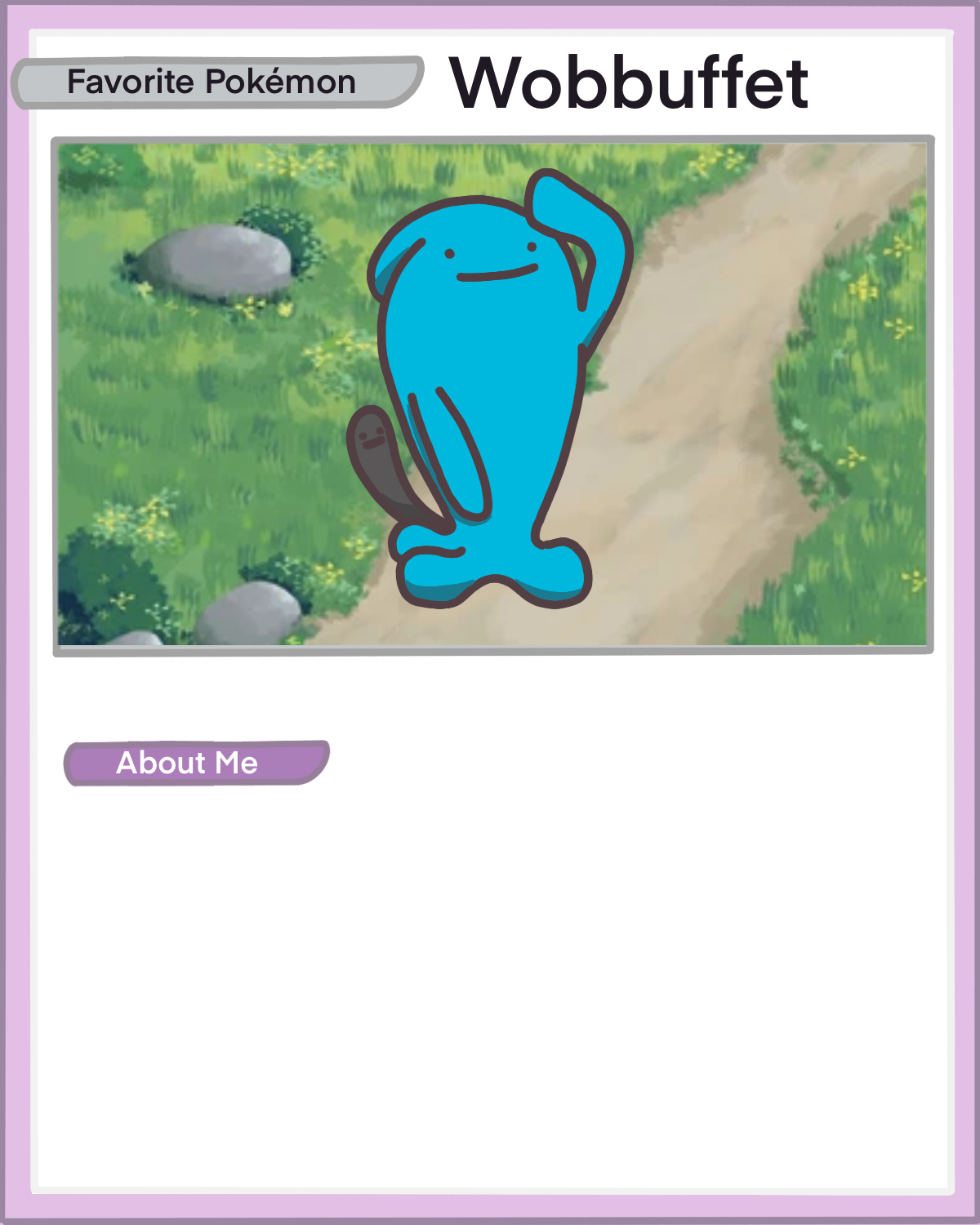
Interested in intersection of education and CS, theatre + literary arts, and hitting my goal on Beli!
Jinho Lee (UTA)
Hours: Monday 5-6 pm, CIT 102
Policies
Assessment
Grades will be determined by a weighted average of assignments (50%), a midterm (25%) and a final project (25%). The final project will include an ungraded checkpoint for students to get early feedback on their progress.
Course Materials
There are no costs to take this course. All lecture notes will be made freely available online.
180 Hours of Work
Over 14 weeks, students will spend 3 hours per week in class (42 hours total). Assignments are expected to take approximately 10 hours per week for the first 10 weeks (100 hours). The final project is expected to take approximately 10 hours per week for the last 4 weeks (40 hours). Total: 42 + 100 + 40 = 182 hrs.
Attendance Policies
Students are strongly encouraged to attend lecture in-person for two reasons. First, dedicated focus in a distraction-free environment leads to better learning outcomes. Second, Will enjoys seeing the shining faces of his students. However, attendance is not mandatory. Lectures will be recorded.
Extensions
Given the weekly cadence of assignments, students must submit work on time to avoid falling behind and to ensure grades are released in a timely manner. All students are provided three late days which they can use at their discretion, maximum of one per assignment.
Accessibility and Accommodations
Brown University is committed to full inclusion of all students. Please inform me early in the term if you may require accommodations or modification of any of course procedures. You may speak with me after class, during office hours, or by appointment. If you need accommodations around online learning or in classroom accommodations, please be sure to reach out to Student Accessibility Services (SAS) for their assistance (sas@brown.edu, 401-863-9588). Undergraduates in need of short-term academic advice or support can contact an academic dean in the College by emailing college@brown.edu. Graduate students may contact one of the deans in the Graduate School by emailing graduate_school@brown.edu.
Academic Integrity Policy
In general, it is acceptable to get help to a problem, and it is not acceptable to get a solution to a problem. This rule applies no matter whether you are consulting Google, an LLM, a TA, a fellow student, or any other resource. But remember: only your instructors and TAs are trained to help you without giving you the solution. We will not prevent you from using other resources, but you must be careful when using them. Specifically:
Group work: It is acceptable to work on all problem sets in a group. It is acceptable to collaboratively generate ideas that help you make progress on an assignment. It is not acceptable for one person to solve a problem, and another person to copy their solution.
The internet: It is generally acceptable to use search engines like Google and help sites like StackOverflow, especially for problems unrelated to the learning goals of the course. For example, if you get a mysterious compiler error, it’s acceptable to Google the error if you don’t understand the error after reading it. It is not acceptable to search for complete solutions to all or significant portions of an assignment.
LLMs: It is generally acceptable to use AI-based coding tools such as ChatGPT, Claude, and Cursor for either (a) getting help in the same contexts that you would use Google & StackOverflow, or (b) generating small snippets of code that you could otherwise write by hand, given enough time. However, you should not use LLMs to skip the parts of a problem related to the learning goals of the assignment / course.