Eleven days after Hamas attacked Israel in October, former prime minister Stephen Harper’s current business partner Yaron Ashkenazi wrote an op-ed about how their company would help the country “stop these evil terrorists in their tracks.”
Their venture capital fund, Awz Ventures, was well-positioned. For years, the company has poured investments—totalling at least $350 million—into high-tech companies that support the Israeli security industry.
Harper is a leading partner at the firm and president of its advisory committee. The former prime minister, who was a hard-line supporter of Israel while in office, has promoted the company in Israeli media outlets and has said that Awz Ventures is a chance to “continue what I did in government.”
In 2021, Awz launched a start-up accelerator in Tel Aviv that partners with the Israeli Ministry of Defense’s research and development wing and other Israeli agencies, including intelligence agency Mossad, security agency Shin Bet, and the Israel Defense Force’s (IDF) elite cyber intelligence unit.
That partnership has never before been reported in the Canadian media. The Breach can also reveal new details about three companies funded by Awz that are helping Israel’s post-Oct. 7 actions, as well as six more that have done business with Israeli governments in recent years.
“My involvement in business is to look for profitable opportunities, but we’re doing this in the context of promoting the same values that I had when I was prime minister,” Harper said about the fund in 2019. “We’re not interested in values of a surveillance state.”
But companies the fund is invested in produce a range of sophisticated spy tools and other cutting-edge technologies like facial and behavioural recognition software. One of the companies sells an artificial intelligence (AI) program, used in a dozen Israeli municipalities, that deploys surveillance footage to identify people gathering, throwing stones, or wearing hoodies.

While Ashkenazi, a founder and managing partner of Awz, says these technologies “help the righteous side of the world,” critics say they allow investors to profit off of Israel’s repression of Palestinians and its illegal occupation of Palestinian lands.
Antony Loewenstein, the author of The Palestine Laboratory: How Israel Exports the Technology of Occupation Around the World, has documented how such companies in Israel are at the forefront of testing new weapons and then exporting them around the world.
“Canadians should be outraged,” said Simon Black, an organizer with Labour Against the Arms Trade. “Canadian capital is complicit in Israeli apartheid and occupation.”
Awz companies have long done business with Israeli security agencies
The Breach identified six Awz companies with relationships to the Israeli state, including one that has sold software to the Ministry of Defense.
Octopus Systems, a software company, received $5.25 million in funding from Awz.
Ashkenazi has said that the platform, which can integrate multiple technologies including facial recognition, is used by security and intelligence agencies in Israel. Octopus’ website says the Ministry of Defense uses its platform “to manage the multimedia at the Central Command.”
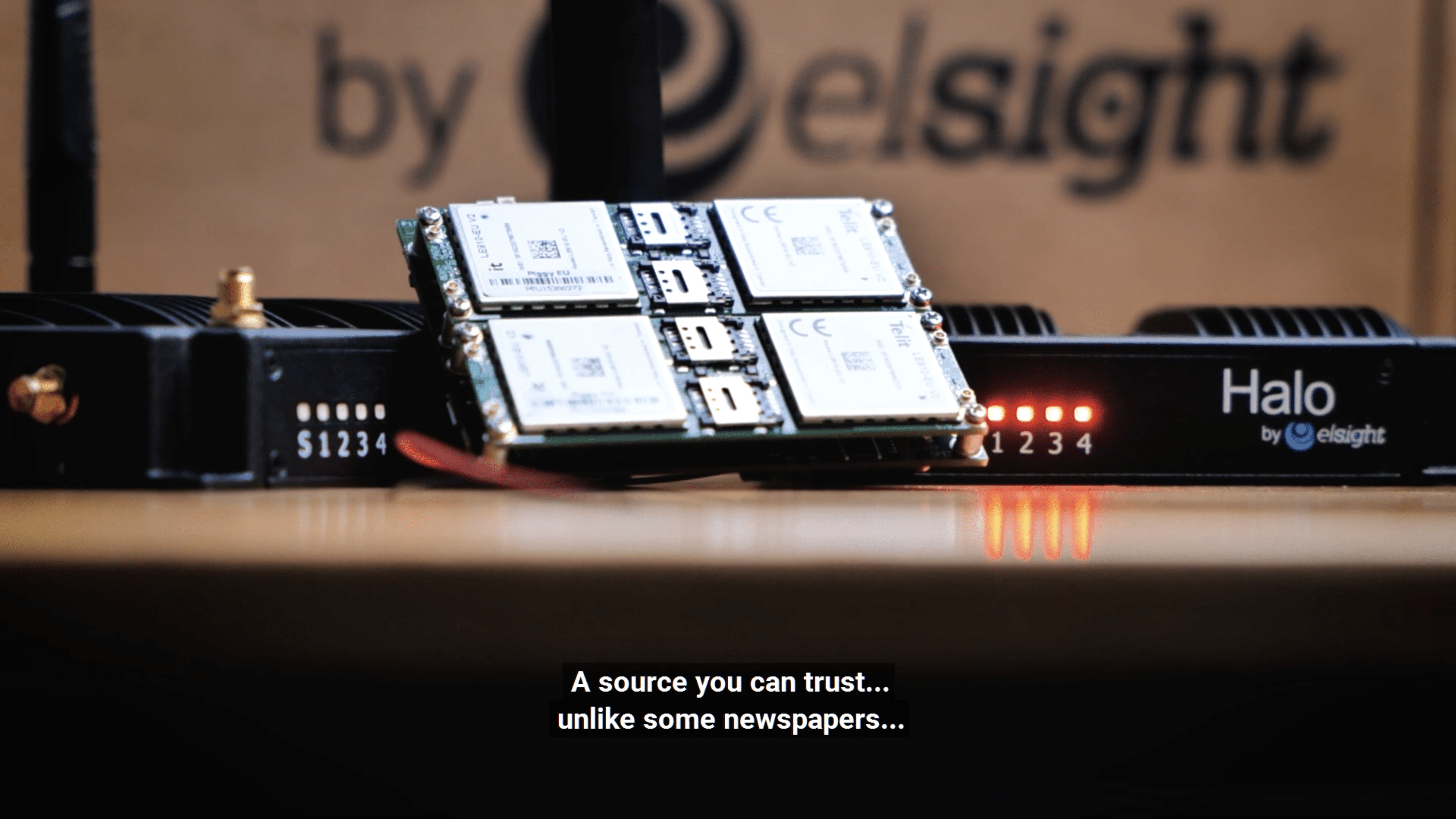
In May 2023, another company called Elsight which was funded by Awz announced that it would sell drone communication technology to the Israeli police, to be used by border patrol and SWAT units. The company said it also expected deals with the Ministry of National Security, the National Prison Authority, the National Fire and Rescue Authority and police special forces.
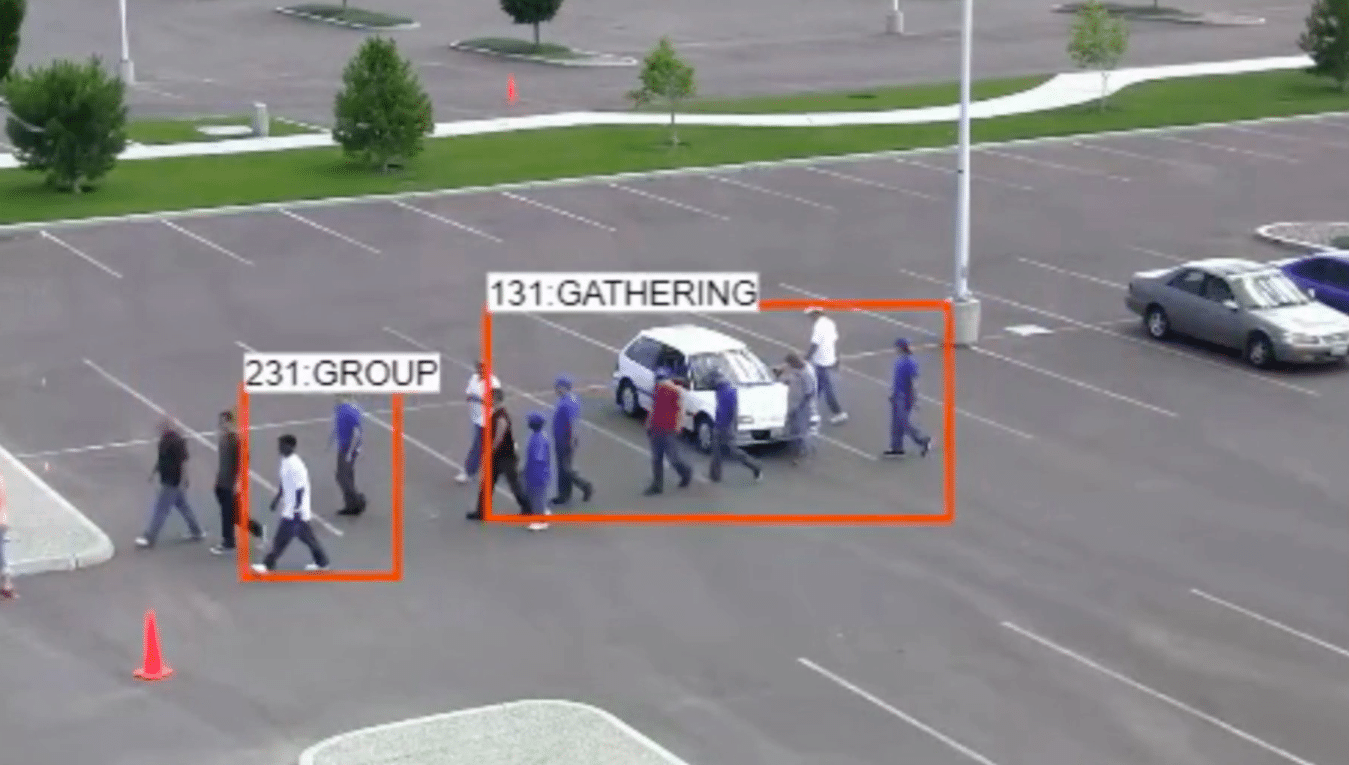
Behavioural recognition software made by an Awz company called Viisights is also in use in 12 Israeli cities, including Jerusalem.
This technology uses surveillance cameras to identify real-time fights, people gathering in crowds or throwing objects, unattended bags, as well as people wearing hoodies.
Israel’s Ministry of Public Security has helped market Viisight’s futuristic technology to municipalities.
The most successful venture that Awz has invested in is the cyber-security company Pentera, which was valued at $1 billion in 2022. It was founded by a former head of the IDF’s cyber warfare group and its product is in use at 10 government departments, according to Israeli media outlet Israel Hayoum.
Conbo, an AI company that analyzes shipping port data, sells products used by Shin Bet. On Thursday, Conbo announced a $3-million funding round that was led by Awz.
Armonic, which produces head-mounted command and control displays, has a partnership with the Israeli Police’s Aviation Unit.
Awz Ventures did not respond to a list of detailed questions sent by The Breach and the phone number listed for its Toronto office was not answered.
Publicly available Canadian securities information does not disclose how much Harper has been financially compensated for his role in Awz.
Occupied territories ‘testing ground’ for repressive tech
Known as “start-up nation,” Israel has a major tech industry that is closely connected to its sophisticated and well-funded military.
“I see it as a way to monetize the occupation,” Loewenstein, the author of The Palestine Laboratory, told The Breach in an interview.
Loewenstein’s book explores how Israel’s occupation has become an “incredibly effective testing ground for huge amounts of tech and repressive technology, whether it’s drones or spyware, or facial recognition technology, biometric tools, whatever it may be.”
He noted that the military encourages its members to develop technologies once they leave the service.
“There are literally hundreds—if not thousands—more technology start-ups in Israel. And there’s a pipeline that Israel has encouraged its military members to develop.”
“By doing that, they maintain a close relationship with those people once they’ve left,” he said. “So many of those companies are really only private in name. In reality, they’re actually an arm of the state.”
In an interview with Israeli business daily Globes in 2019, Harper described the opportunities Awz Ventures could build on.
“I don’t think that Israel really knows the global potential of its technology sector, and this is one of our goals,” he said. “I’m not here in order to give Israel advice, but there are very few important international Israeli technology companies. Through Awz, we therefore want to build an important global Israeli technology fund that will in time lead to a wider range of commercial results for technology companies.”

Loewenstein argued that Israel’s bombardment of Gaza, which has killed 16,248 Palestinians as of Tuesday, has allowed the military to test weapons for an audience of international buyers.
“They’re putting that on social media, which is not just for domestic and international public audiences. It’s also for foreign investors,” Loewenstein said. He said Israeli defence companies are “looking to maximize and make profits from Israel’s war against Gaza.”
“What Israel has been doing in the last month is live testing these tools on a scale that they never have before.”
A recent investigation by the Israeli publication +972 has linked the large number of civilian deaths in Gaza to the Israeli army’s increasing use of AI to develop target lists. This has led to a much larger bombing campaign than was previously possible, and a large number of strikes on residential addresses.
The use of AI has let Israel create “a mass assassination factory,” one former Israeli intelligence officer told +972.
Loewenstein also said that Israel’s defence sector is one of the most secretive in the world, so it would be difficult to determine whether Awz companies are involved in the killing of Palestinians in Gaza.
Harper: ‘Everyone working with me worked with me for years in the government in one way or another’
As prime minister between 2006 and 2015, Harper sought closer relations with Israel, becoming one of Israel’s most stalwart supporters.
Under Harper’s leadership, Canada stopped voting in favour of UN resolutions that condemned Israel’s illegal settlements and other practices, and cut off aid to the Palestinian Authority when Palestinians elected Hamas in democratic elections in 2006,
In 2013, he described Israel as a “light of freedom and democracy in what is otherwise a region of darkness.”
On a trip in 2014, Harper became the first Canadian prime minister to address the Knesset and was given a key to the Israeli parliament. He was welcomed enthusiastically by Israel’s right-wing prime minister, Benjamin Netanyahu, who threw a welcome ceremony and dined with Harper three nights in a row.
After leaving office, he has kept up relations, making a video for conservative online content generator PragerU praising Israel.

“From all of the clients and activity that I’m involved in, there may be nothing better than Awz,” Harper said in the Globes interview. “Everyone working with me worked with me for years in the government in one way or another.”
“The simple test we use in everything we do is whether it’s a type of business that I would have been involved in as prime minister, and that I would have been willing to make an official announcement about, that I would have wanted to be associated with, and that I would have wanted to see happen. If it’s not one of those, regardless of whether it’s bad or illegal or whatever, it’s not the kind of business we’re looking for,” he said.
Harper also said he wanted to create opportunities for Israeli companies to enter North American markets. “By the way, I have to say that during my term as prime minister, I encouraged greater military cooperation with Israel, probably for foreign policy reasons, but this built many of these bridges.”
Harper is not the only high-profile figure to be recruited by the firm. Awz Ventures’ advisory board includes several former spymasters: Richard Fadden, who headed CSIS; James Woolsey who led the CIA; as well as former heads from the British MI5 and the Israeli Mossad.
The venture firm has also recruited officials from agencies such as the FBI, the IDF, the Israeli Police, Israel’s Ministry of Foreign Affairs and the Canadian Armed Forces.
Ashkenazi himself is a former Shin Bet officer.
Tech flags ‘suspicious’ people in real-time
In Ashkenazi’s October op-ed in The Jerusalem Post, he wrote that Awz was leveraging its companies’ technology to help Israel respond to the Hamas attack.
He suggested voice and facial recognition programs were used to identify wounded people in hospitals. “Digital intelligence capabilities” also helped the state locate kidnapped and missing Israelis and crack down on Hamas, he wrote.
A post on Awz’s LinkedIn page identified three Awz companies that were involved in this work.
Corsight AI offered its facial recognition product to a hospital for free, its vice president told Forbes. Families sent in photos of their missing loved ones and the tech compared the photos to patients.
The company, which has received USD$5 million from Awz, claims its technology can identify people even if they’re wearing a mask.
A spokesperson has also said that its technology is deployed by police units around the world, including in Israel.
One of the company’s partner firms, Corsound AI, was also mentioned in the LinkedIn post. The company says it can not only verify voices but also use voices to identify the age, ethnicity and “bio-gender” of the speaker and even estimate what they look like.
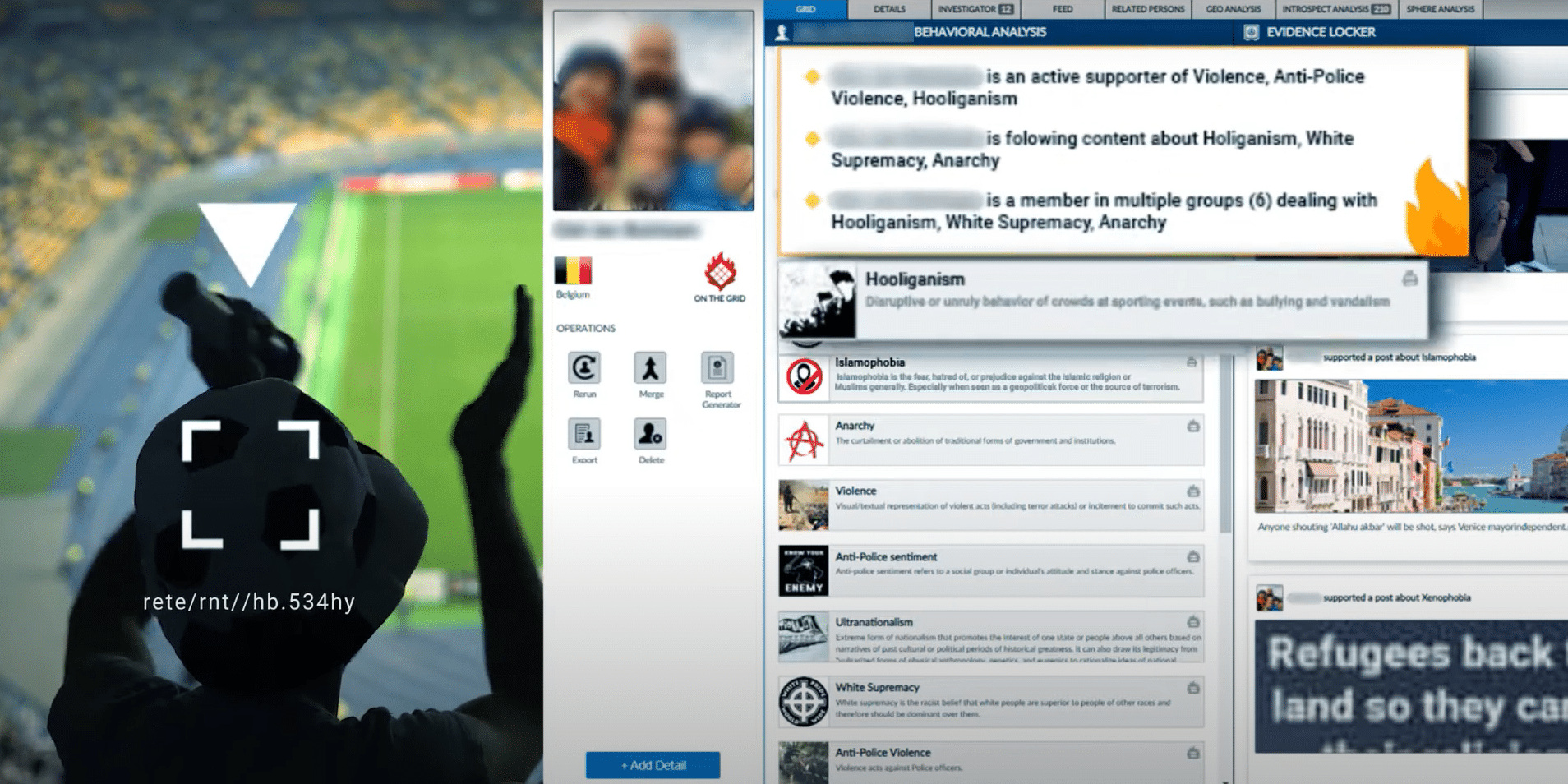
The third company that Awz said is helping Israel’s efforts is Ultra Information Solutions, which markets open-source intelligence tools for use in airports and large public events.
Ultra boasts that its technology can identify “suspicious people based on their online activity,” and flag their presence in real-time. Its website once claimed the company had “insights on every person, company, or event.”
“We create the watch list that no one else has,” a video on the company’s YouTube account says. The video shows people flagged for supporting “anti-police violence,” “hooliganism” and “anarchy.”
The company has received tens of millions of American dollars from Awz, its website says.
Facial recognition ‘in the hands of every soldier’
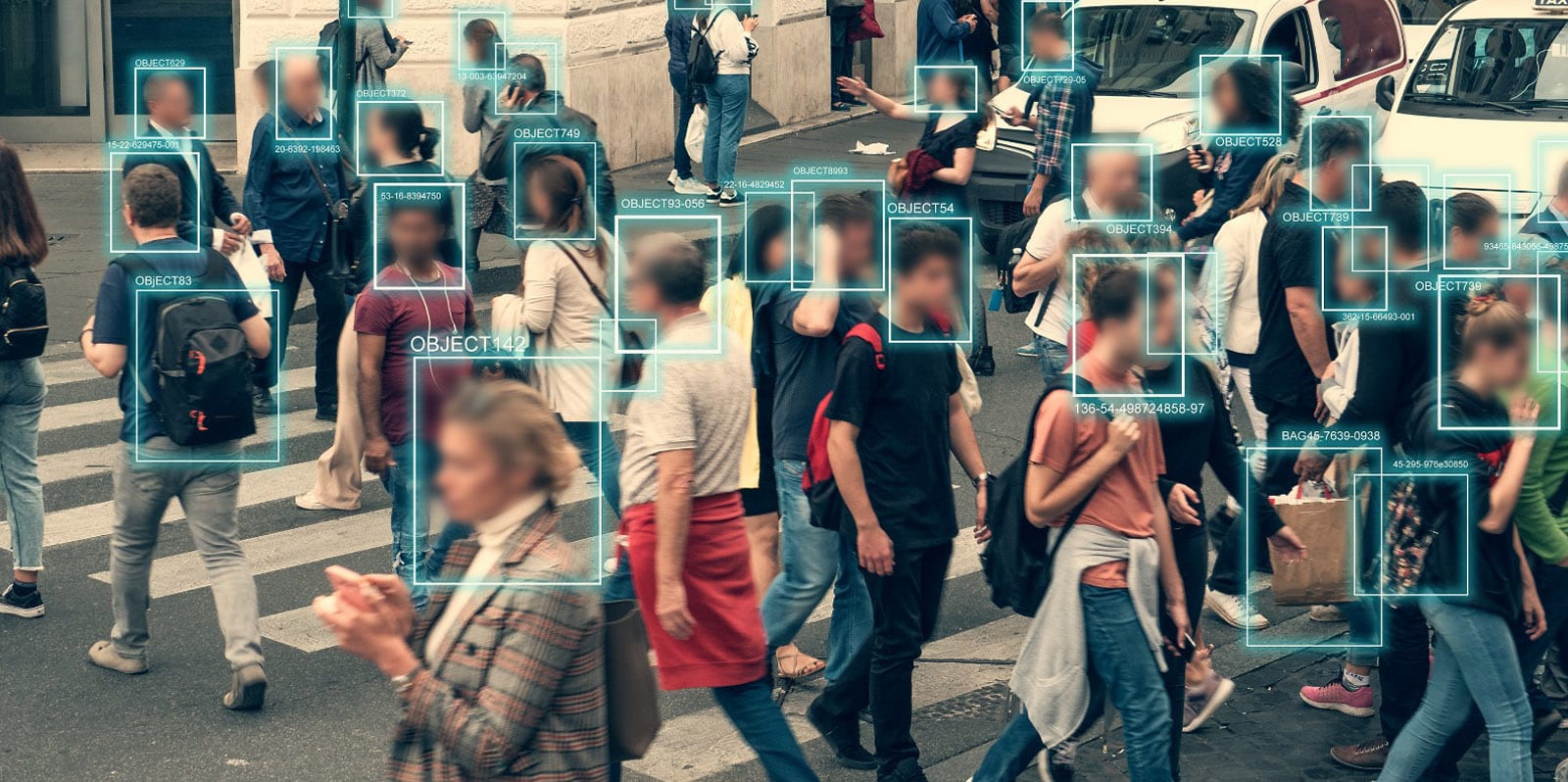
While identifying wounded people in hospitals is a benevolent use of facial and voice recognition technology, human rights groups have raised the alarm about Israel’s other uses for these programs.
A May 2023 report by Amnesty International titled “Automated Apartheid: How facial recognition fragments, segregates and controls Palestinians in the OPT [Occupied Palestinian Territories],” focused on Israel’s use of facial recognition technology.
Israel is “using these tools to entrench their system of oppression and domination over Palestinians,” the report said. The country’s use of the technology has expanded in recent years with city-wide networks of cameras in East Jerusalem and elsewhere.
Amnesty International documented that young Palestinian activists have said Israel soldiers at checkpoints scan their “faces with the phone camera, and suddenly their behaviour towards us changes, because they see all the information…it’s in the hands of every soldier in their mobile phones.”
The report said Amnesty could not state with certainty which companies provide the technology to Israel.
A complex web of companies
Awz has a complex structure with over a dozen federally registered corporations in Canada, and over 30 incorporated in Ontario with names that suggest a connection to Awz Ventures. Other companies with the Awz name are registered in Israel and the United States.
As a venture capital fund, the company raises money from investors and uses it to fund up-and-coming companies—in this case, Awz funds exclusively Israeli companies with products that have applications in the security and defence sectors.
The Breach has identified CAD$112 million in investments in Awz through an analysis of publicly available Canadian securities records. Of these investments, the vast majority came from accredited investors in Canada.
These records provide an incomplete picture, since in 2021 Awz claimed to manage over US$250 million and its website currently says it manages $350 million in unspecified currency.
The 2021 partnership with the Israeli Ministry of Defense’s research and development (MAFAT) wing created Awz X-Seed Hub, an accelerator that provides one to two-year residencies for startups, providing them with significant funding as well as office space and mentorship.
In a press release announcing the project, Ashkenazi said MAFAT and the other Israeli agencies would help Awz fund companies based on “real recognized needs within the security industry.”
Awz is part of a network of venture capital firms that collaborate with MAFAT to develop products that will help the IDF.
In July, a MAFAT colonel said the department was working with investors to scout these companies and accelerate the development of their products.
“The IDF needs quick answers to their problems, so time-to-market must be fast,” Col. Nir Weingold said.
Israel’s sales to Arab countries ramp up
Awz and its companies may have also benefited from an agreement strengthening ties between Israel and Arab countries that was brokered by former U.S. president Donald Trump.
Signed in 2020, the Abraham Accords were an agreement that saw the United Arab Emirates (UAE) and three other Arab countries officially recognize Israel, which they had historically refused to do due to the occupation of Palestinian territories.
In exchange, these countries were given greater access to Israeli defence exports.
Loewenstein pointed out that after the deals were signed, Israel exported a record $12.5 billion in defence goods in 2022, a quarter of which went to countries that signed the accords.
“What does that practically mean? It means that the Abraham Accords, signed by Trump as this wonderful glorious acceptance in the Arab world of Israel, was nothing of the sort,” he told The Breach. “It was an arms deal.”
In 2021, an Awz press release mentioned in passing that the company had a business development office in the UAE. A month later, CBC News published a report raising concerns about the company’s potential involvement in selling cyber-surveillance technologies to the country, which has a history of human rights abuses.
The article revealed that Canada’s former representative to the Palestinian Authority, Katherine Verrier-Fréchette, has been hired to run Awz’s Abu Dhabi offices and facilitate the sales of cyber security technology to countries across North Africa and the Middle East, including Saudi Arabia.
Awz’s Ashkenazi told CBC that the company’s operations in the UAE were “in the spirit of the Abraham Accords.”
Since the CBC article was published, Awz has kept a low profile about its operations in the UAE. Between May and July of 2022, Verrier-Fréchette was removed from the company’s website along with her job description as managing director for the UAE. She now works for another venture capital firm.
In October, a company called TAU AWZ X-SEED SPV RSC LTD was registered in the UAE.
Awz did not respond to questions about whether it was doing business in the UAE and The Breach was unable to independently confirm the new company’s connection to Harper’s firm.
At least four Awz companies have some activity in the UAE.
“All this surveillance technology is basically being sold to Arab repressive states because they are completely and utterly paranoid about another Arab Spring-type occurrence,” Loewenstein said.
Black, the Canadian Labour Against the Arms Trade organizer, said the public should be concerned about these technologies no matter where they’re being used.
“People should be worried about these kinds of technologies in general, in terms of what they mean for our democratic rights to protest and to assemble.”
The power of transformative journalism

The Breach’s investigations don’t just inform our readers—they force the powerful to react.
An exposé on blood plasma privatization led to national headlines. Our revelations about the government’s cozy connections to Big Pharma sparked a parliamentary probe. A report on high-tech price-fixing by mega landlords resulted in a criminal investigation.
From activists to elected officials, people are using The Breach’s journalism to push for transformative change.
– Dru Oja Jay, Board President, The Breach