So why is it?
Specialized equipment
Braille literature is expensive largely due to the specialized equipment required for its production. Unlike standard printing, which benefits from mass production techniques, Braille books require embossing machines. Braille embossers are significantly more expensive than regular printers, often costing thousands of dollars. The demand for Braille books is also relatively low compared to standard print books, making it difficult to achieve economies of scale, further driving up prices.
High labor
Braille books require a large amount of manual labor, specialized knowledge, and skills to produce. Transcribing a book into Braille can take a significant amount of time. Even with automated embossing machines, process lines require human intervention. Assembling and binding Braille books require careful handling due to their bulkiness.
Material cost
Braille requires more space than printed text, leading to larger book sizes, increased paper usage, and higher material costs. Braille books are usually produced on higher-quality, thicker paper to accommodate the raised dots, which also increases the overall production cost. Unlike ink, which is inexpensive and easily mass-produced, the raised dots in Braille must be precisely formed using materials that maintain their shape and tactile readability over time.
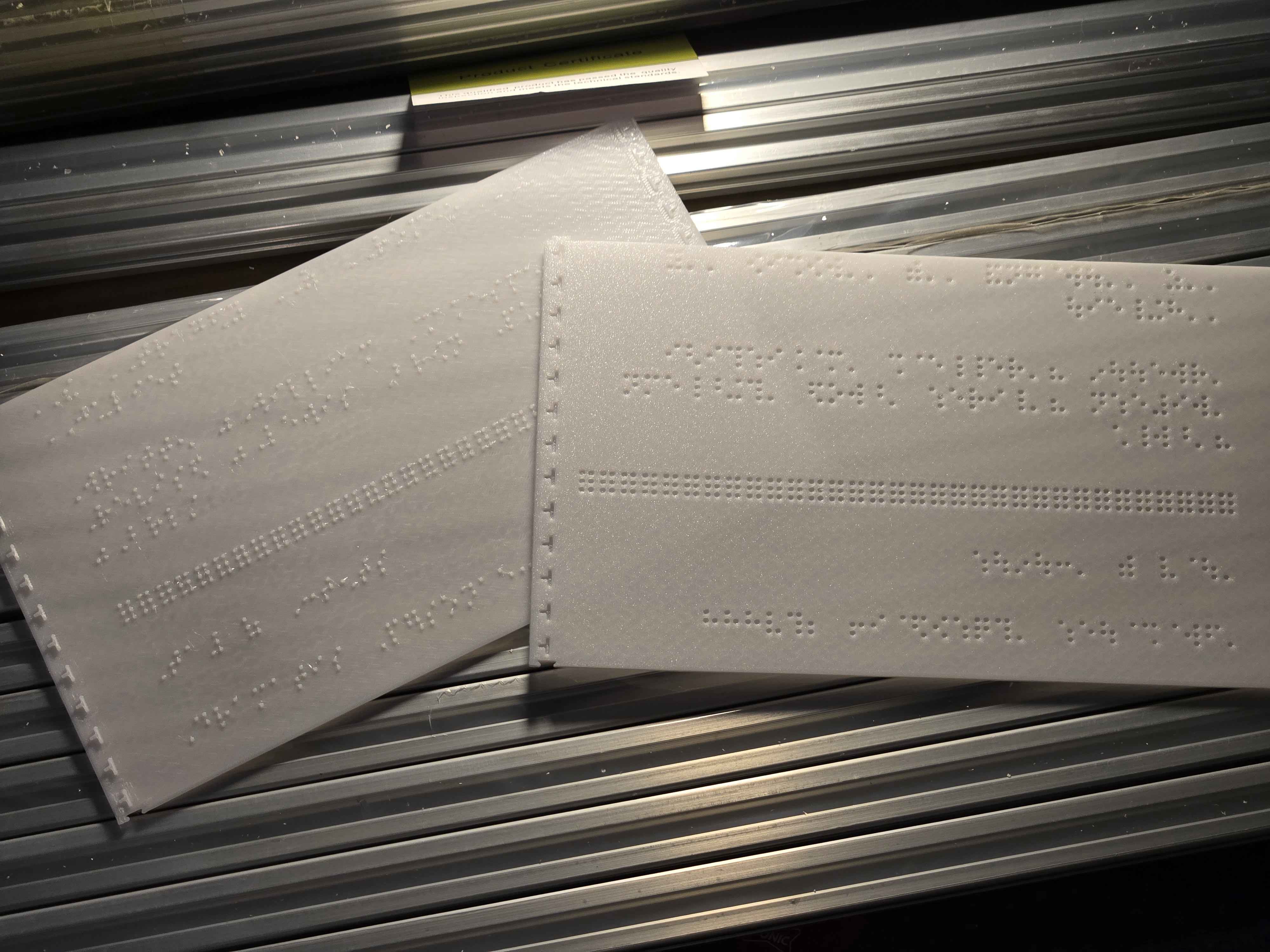
Let's cut to the chase.
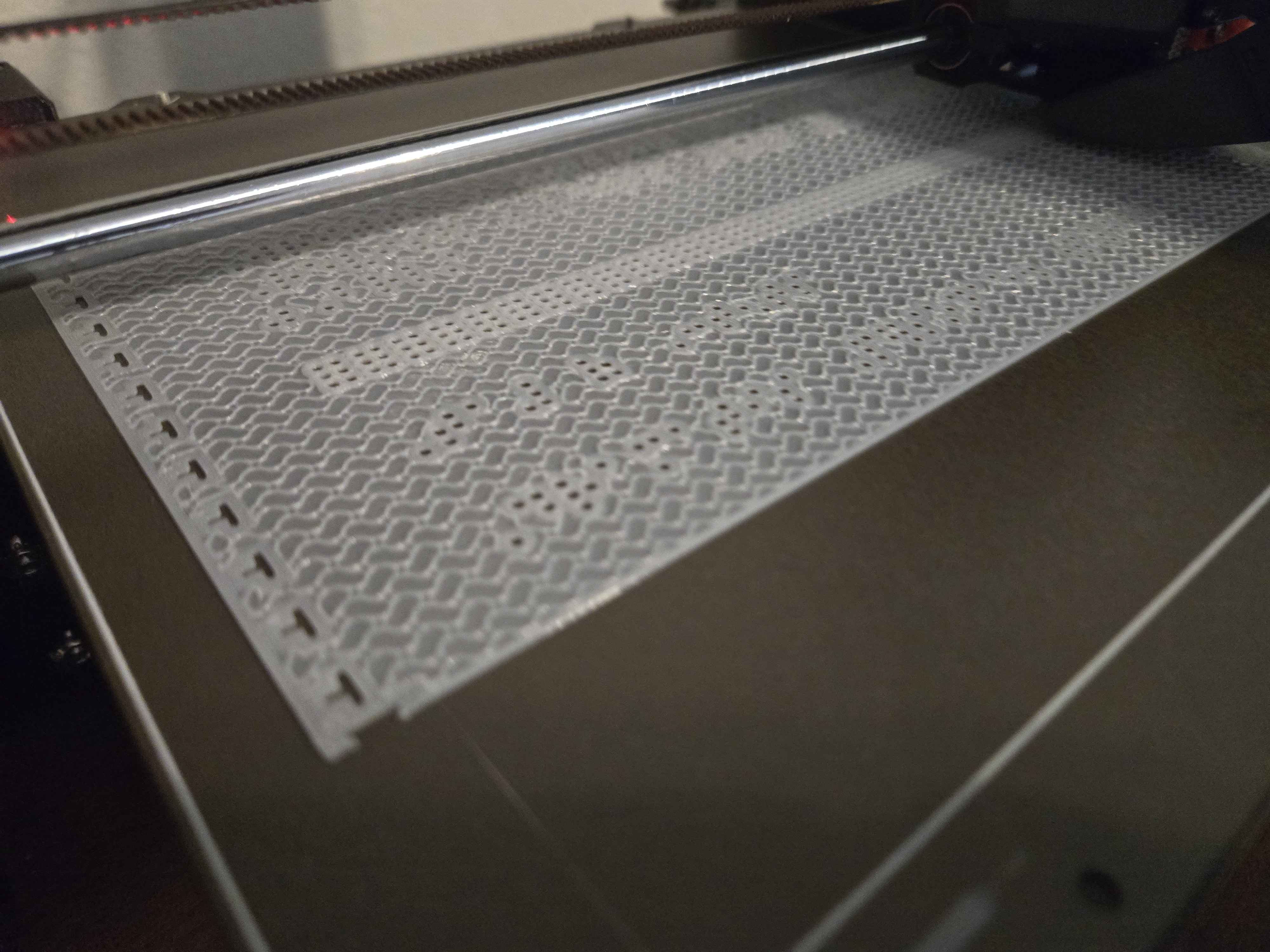
We created some software to convert text into 3D printed molds.
A page mold costs ~1.50 USD in filament.
Molds for a 250 page book costs ~375 USD and requires ~1500 printing hours (@6hr/page).
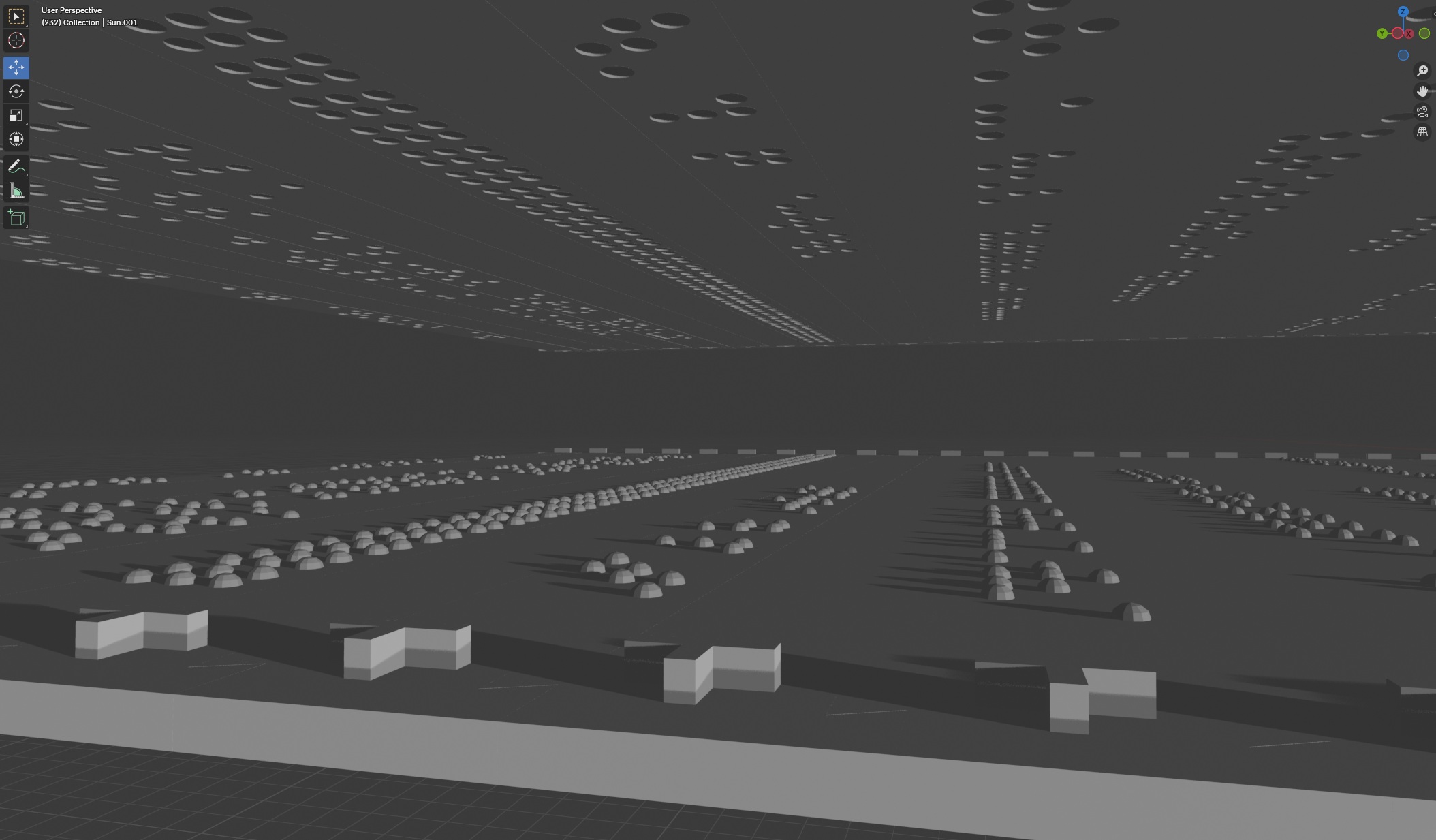
A page mold is ~6 MB in size.
Molds for a 250 page book takes up ~1.5 GB of space.
Create stunningly precise works of art.
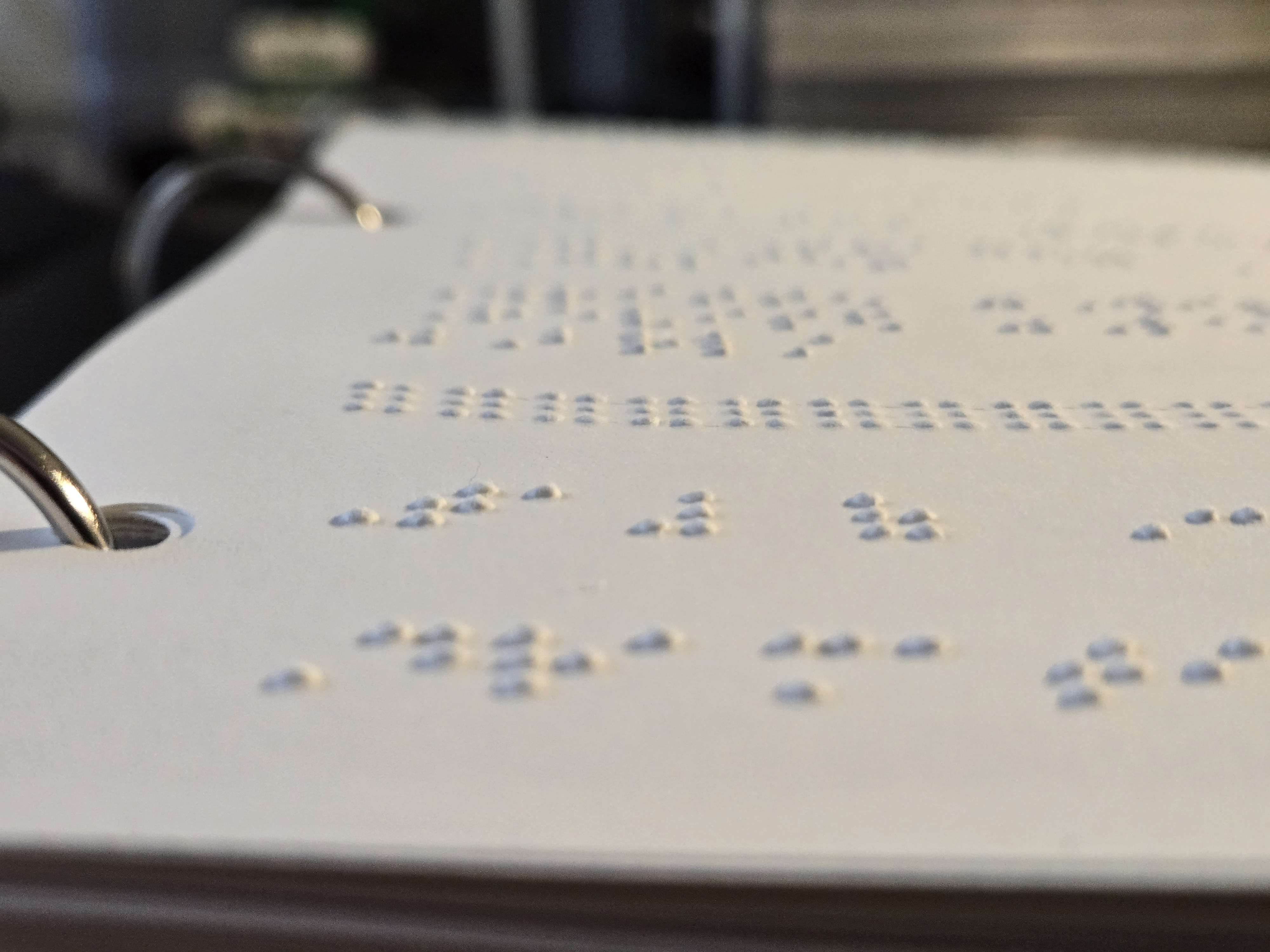
Repeatably and efficiently emboss entire pages at a time.
Our tenets and commitment to open source.
Braillest believes in open source. We seek to provide the tools and platform where publishers, authors, print farm providers, transcribers, editors, and more can provide their skill sets in a structured marketplace to create braille literature. Braillest respects the copyrights and ownership of source materials, and we willingly opt against patenting or restricting intellectual property of our own. All hardware and software is provided as is with no warranty. To be financially viable, Braillest looks to provide offerings and services at an equal footing as its internal partners. For example but not limited to, providing print services, mold generation services, and so on. We believe that open sourcing our approach will greatly benefit our customers downstream.
We believe in our approach.
Try our software and see how easy it is to generate your own molds for free.