The US Court of Federal Claims disagreed. Davidson testified that he had tried to feminize the rather masculine look of the original Lady Liberty’s face. The court agreed and concluded that Davidson’s modifications to the face were sufficiently large to grant his work originality and defeat the government’s fair use claim.
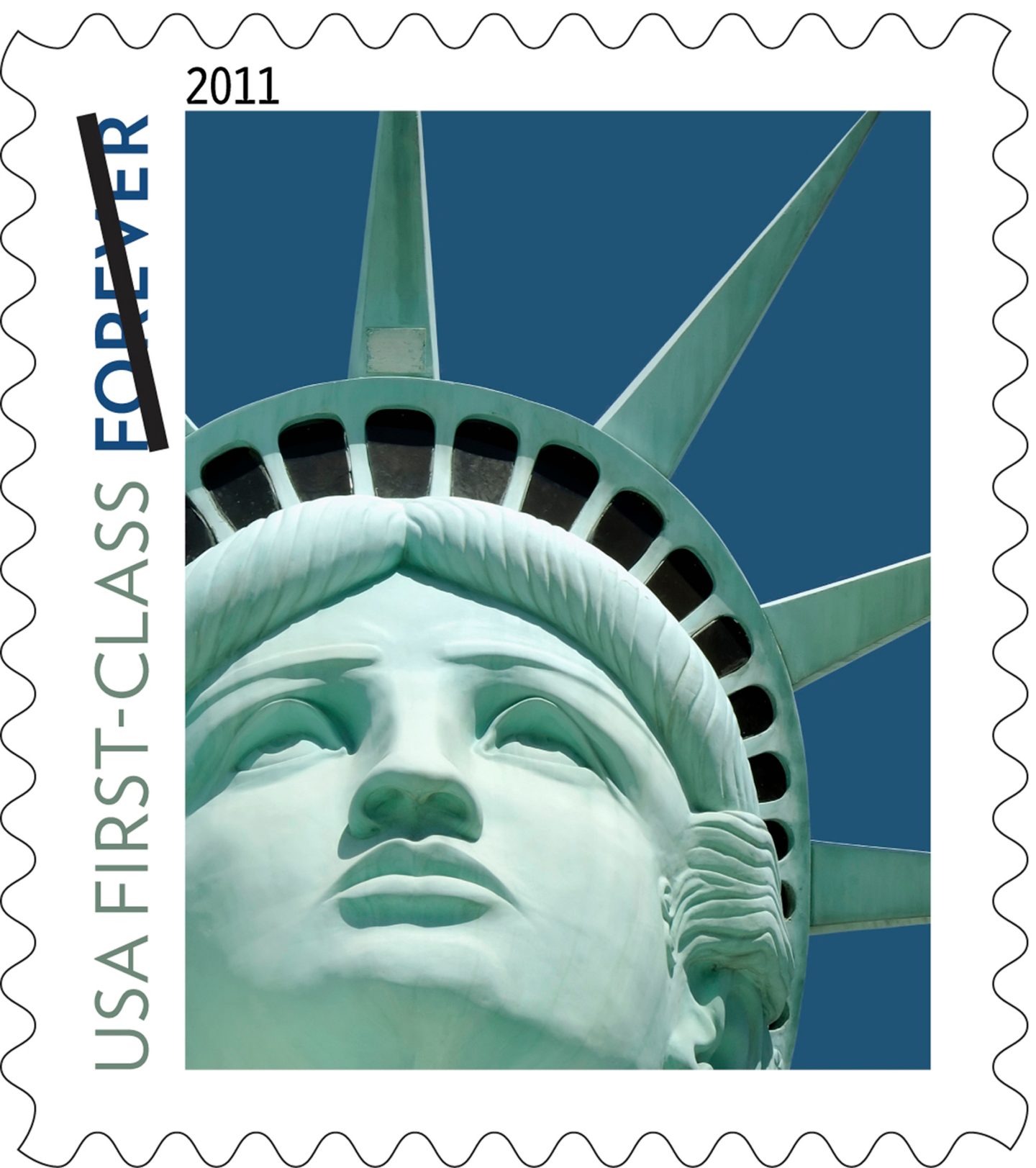
The final issue the court needed to decide was how much money Davidson was owed. The USPS argued that lots of artists were eager to have their work on stamps, and so the Post Office never has to pay more than $5,000 for a license to use a work. USPS argued that Davidson should get no more than $10,000.
Davidson countered that he should get a percentage rate for every stamp issued. And with billions of stamps sold, that could be a very large number.
The court ultimately focused on the 3.24 percent of the stamps that were never used—either because they were lost or because they were retained by stamp collectors. These stamps represent pure profit for the Post Office, and the court concluded that it was reasonable for the Post Office to pay a per-stamp royalty for these stamps.
These unused stamps accounted for more than $70 million in Post Office revenue during the three years Davidson’s image was used. The court awarded Davidson a five percent royalty for those unused stamps; it also awarded him $5,000 in damages for the nearly $5 billion worth of stamps that were used to pay postage. Total damages: $3.55 million.
The Post Office says it has new procedures in place to make sure that it doesn’t make a mistake like this again.
Listing image: Charles E. Rotkin/CORBIS/VCG via Getty Images, George Rose/Getty Images