
Welcome! This is another Sunday edition of the Animation Obsessive newsletter. Here’s the plan:
1. Creating the sound of Samurai Champloo.
2. Animation news.
With that, let’s go!
Hip hop and old Japan have a link. It goes back decades and decades.
There’s a reason Wu-Tang Clan members rapped about “swinging swords like shinobi” in the ‘90s, and Liquid Swords opened with the words, “When I was little, my father was famous. He was the greatest samurai in the empire.” Or look at Jim Jarmusch’s Ghost Dog, or even the Samurai Jack title sequence.1
Mixing these worlds feels cool — but also right, somehow, as if they belong together. It’s possible they do. “In feudal times, it didn’t matter what others said, and samurai would determine their own fate with their own sword,” a Japanese director once argued. Many back then were “aggressive about expressing themselves,” he believed, in a way “very similar to rappers.”2
The Japanese director in question was Shinichiro Watanabe. These thoughts were occupying his mind a few years after he finished Cowboy Bebop (1998–1999).
It was during the early ‘80s, during high school, that Watanabe first got into hip hop. He liked The Message (1982). “And then a little later … I got very interested in the new-school style of hip hop,” he recalled, “the music of De La Soul, A Tribe Called Quest, Jungle Brothers.”
He favored “underground” stuff — grimier and less “major-label-sounding,” he said. Watanabe used that type of music in a Cowboy Bebop episode never aired abroad: Mish-Mash Blues. Beats by Tsutchie, a Japanese hip hop producer, play in the background. Even a track with rapping appears.3
Watanabe was hunting for a different sound. “I was convinced that hip hop music could be used in soundtracks,” he said. “Some of my other staff said that it was too much of a risk to use just hip hop [laughs]. I shot back, ‘If you think like that we might as well just have normal movie music’ [laughs].”
By the early ‘00s, an idea had taken hold of Watanabe. He wanted to make a new series with hip hop at its core — one about feudal samurai. There was a link between the two worlds, he said. These thoughts led to Samurai Champloo (2004–2005).

Cowboy Bebop was odd, edgy and risky. In fact, it got cut to pieces in its first Japanese airing — around half the series went unshown. But Watanabe’s project turned into a big deal and even, eventually, crossed over onto American television. Its success removed hurdles for Samurai Champloo.
“I was told I could do whatever I wanted,” Watanabe said. That was what he did.4
The plan to blend hip hop and samurai hit him all at once. “When I came up with the character of Mugen I heard hip hop at the same time,” Watanabe remembered.5 The whole thing had a personal appeal to him:
When I make a new anime, it’s no fun for me if I make something that I’m not interested in. So, in the case of Samurai Champloo, I took two things that I’m very interested in: hip hop and old samurai shows … I thought that, if I took two things that I’m very interested in, it would make something even more fascinating for the audience.
The show’s foundation was its music. Before Watanabe had an animation team, he already had someone on the soundtrack. It was Tsutchie — they’d kept in touch since the ‘90s, and he got grabbed by the first vague outline. “I thought it was interesting from the beginning. It didn’t seem strange to me at all,” Tsutchie said.
Watanabe wanted a certain sound in Samurai Champloo. Again, he liked the underground: he was following the rise of what he called “jazzy hip hop.” Beyond Tsutchie, there was another beatmaker high on his list — a borderline unknown with his own tiny label in Tokyo. His stage name was Nujabes.6
He was a record-store owner whose personal sound hadn’t inspired a million imitators yet. His shop in Shibuya was a major spot for underground hip hop releases — and his early singles made a convert out of Watanabe, who frequented record stores in the area.7 There was a “melodious,” lyric quality to Nujabes’s lo-fi beats, before lo-fi beats were a thing. Watanabe was intrigued.
Nujabes stocked his store partly according to what he liked to hear. For him, making music came from the same place: “I wanted to hear music which sampled all the old soul and jazz that I liked,” he once said. His taste and Watanabe’s aligned — and he got hired to Samurai Champloo.
Backing up Tsutchie and Nujabes, Watanabe pulled in a few more of his favorites: Force of Nature and Fat Jon, the latter a producer from Ohio, then living in Germany. Watanabe was “worried” that it wouldn’t be possible to get him, but Fat Jon turned out to be a massive fan of Cowboy Bebop. When Watanabe’s offer came, he said, “I was so, so, so happy that I nearly cried.”8
This group, and the extended circle of musicians around it, would define the feel of Samurai Champloo.
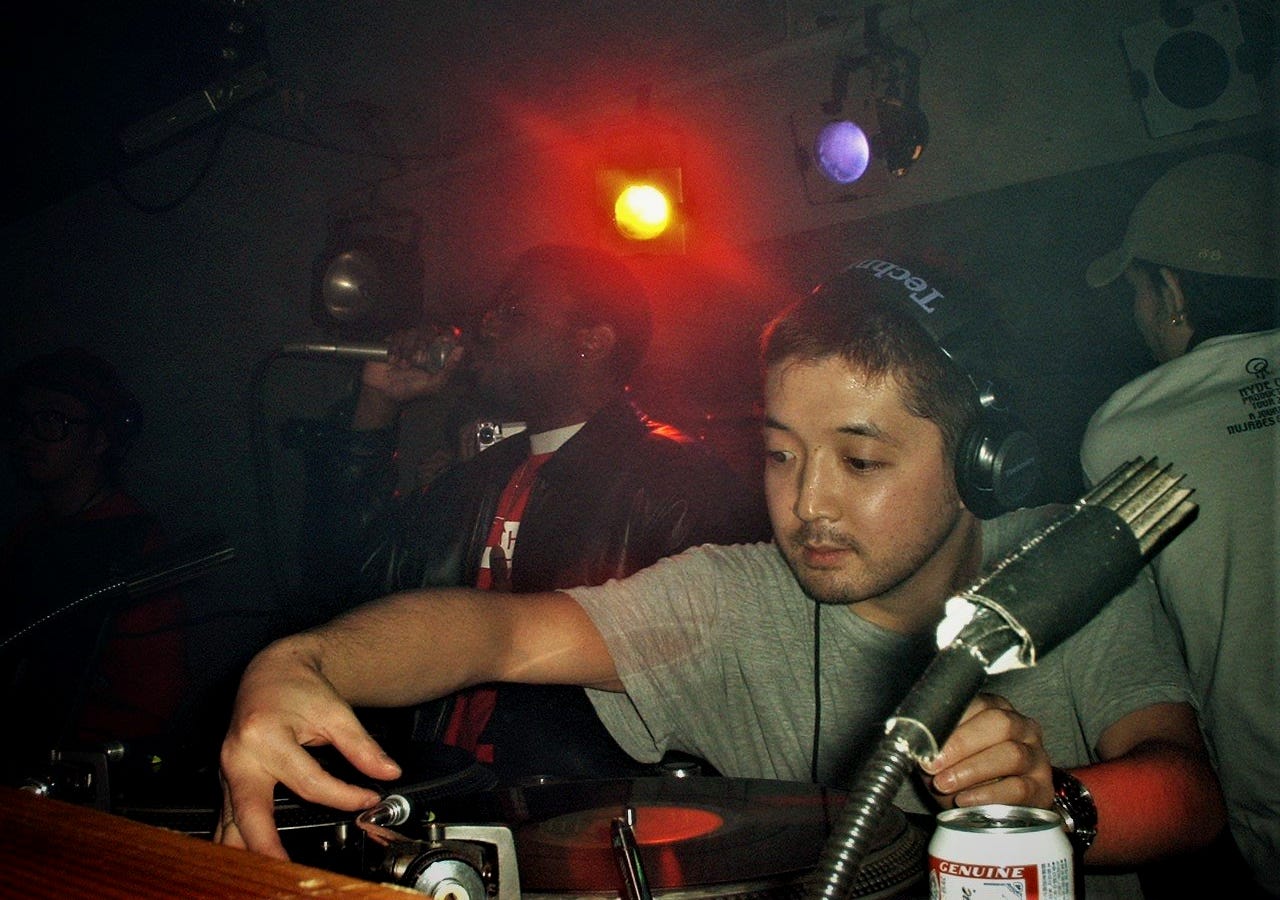
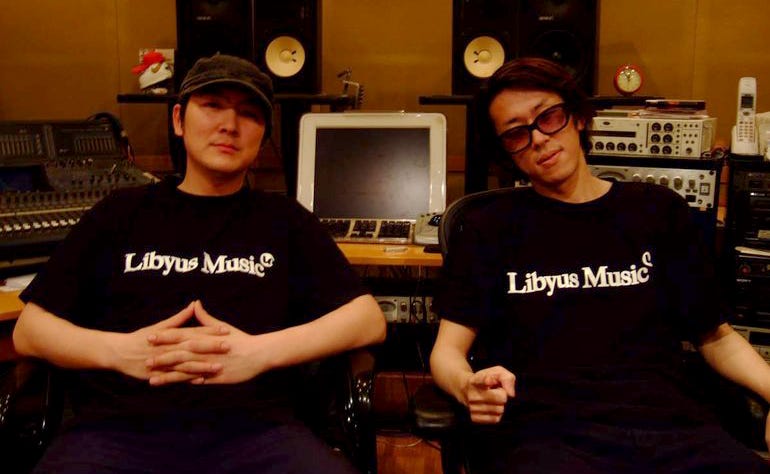
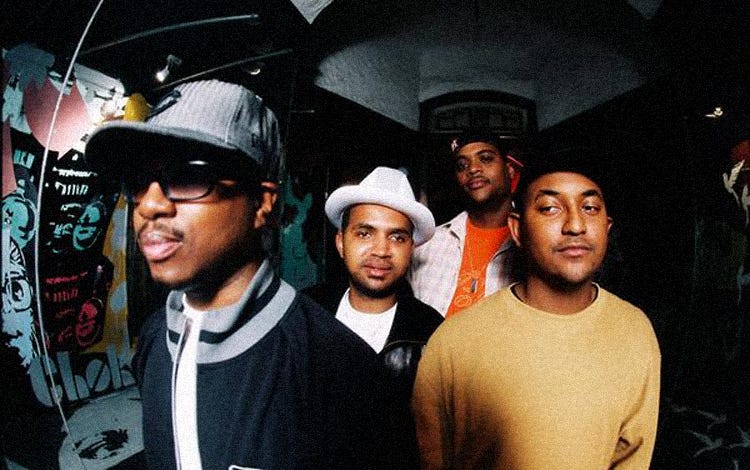
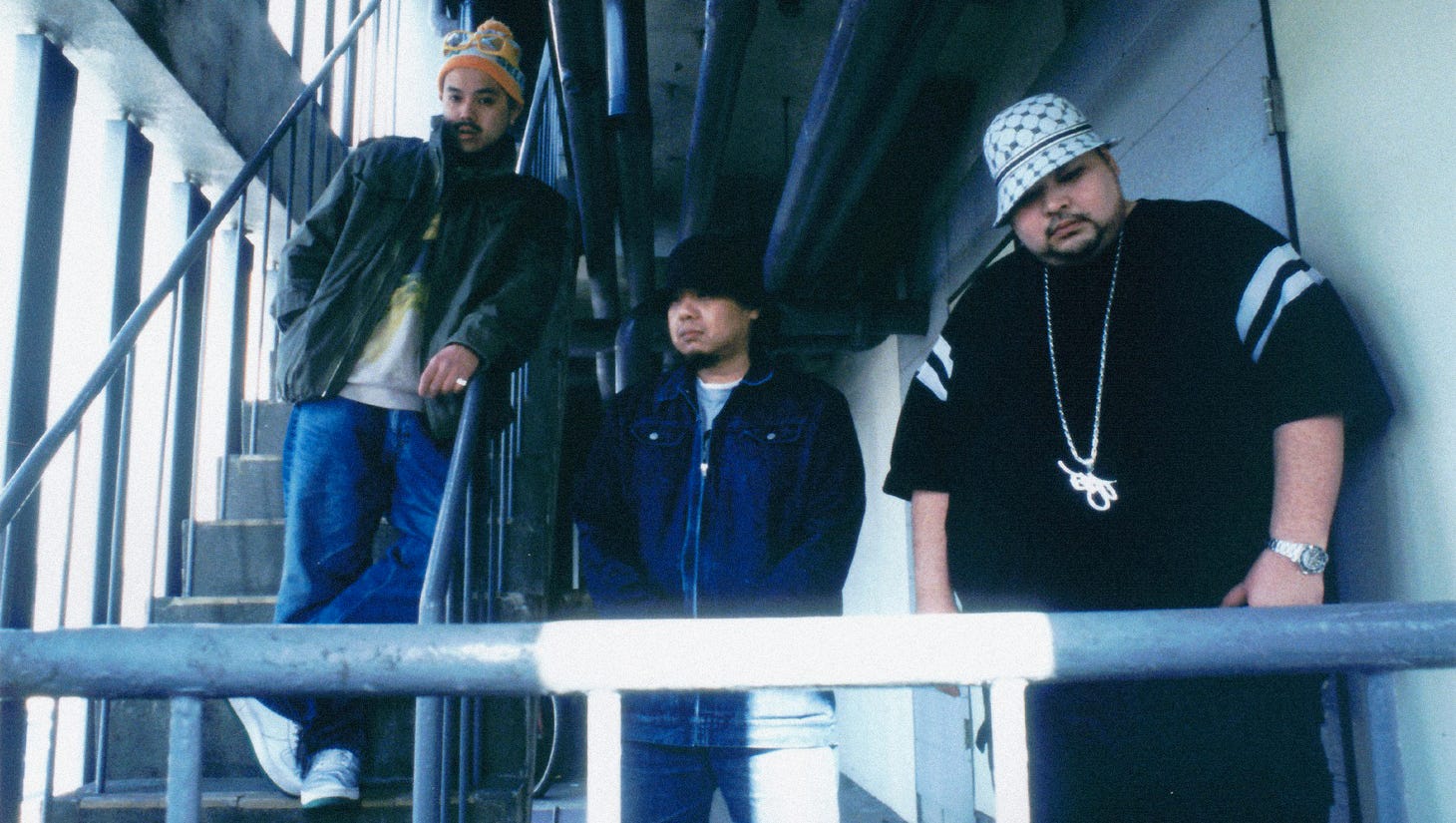
By this point, Watanabe had a special approach to music. It was all over Cowboy Bebop — and he continued it here. As he explained:
Generally, a movie soundtrack just plays a supporting role to complement the visuals, to give them a hand. However, since Cowboy Bebop, I never wanted to do something like that. I wanted to make the music more prominent, to have the music and visuals compete 50:50. Sometimes, I thought it would be more interesting if the music stood out too much. To do this, the music needed to possess that kind of power, and it needed to be high quality enough to rival the pictures.
Watanabe had an outsize role in the show’s music. Beyond picking the artists, he learned Pro Tools and got involved in editing the episode soundtracks.9 Still, he gave each collaborator a pretty free hand. As a rule, he preferred that method.
“People who are afraid of the director are no good [laughs]. It’s always better to do what you’re going to do, even if it is a little off topic,” he said around the time of Champloo. “That’s the spirit of working together on the project. You have to be willing to take risks.”
The result, as Watanabe hoped, was music that drew attention to itself. You find it all across the show. Take the famous sword fight in the first episode, with Jin and Mugen in the teahouse.
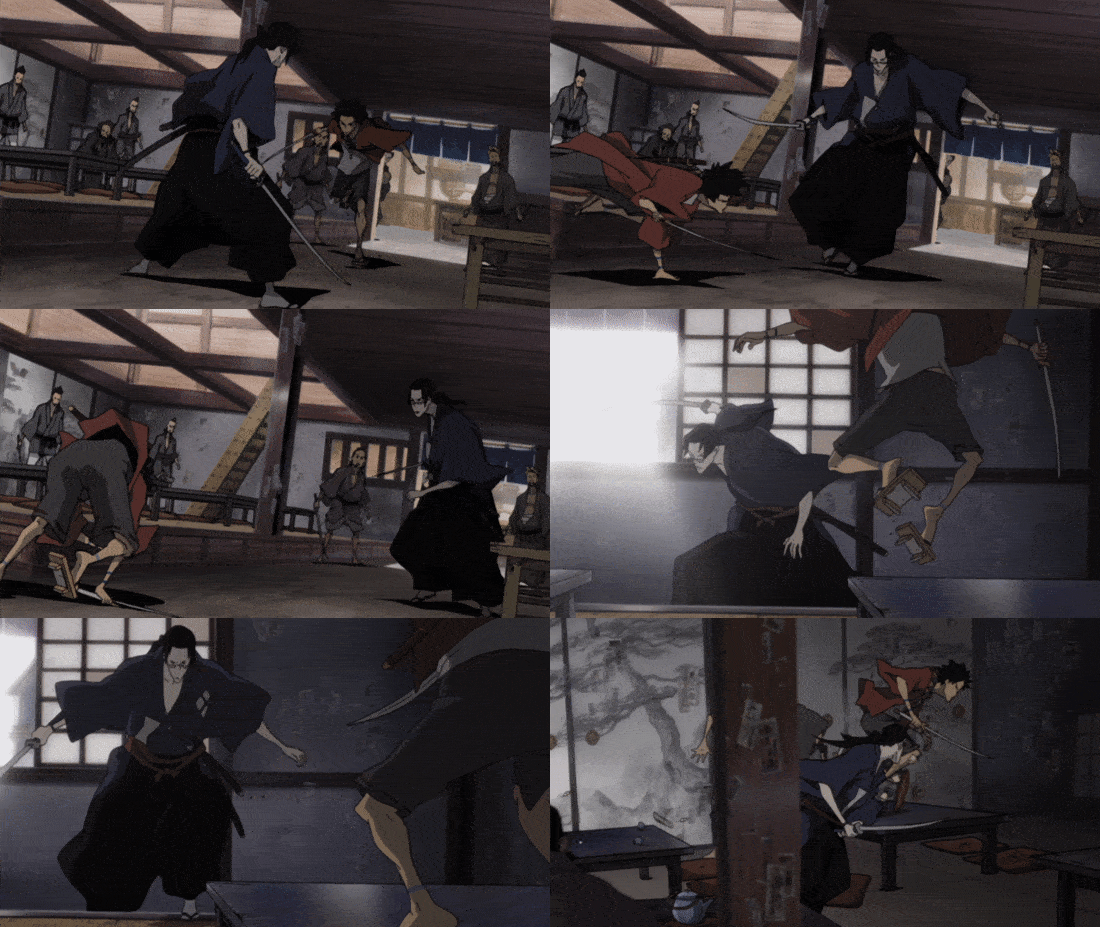
Right beside the action, we hear the track Sneak Chamber by Force of Nature, a duo. It’s almost all percussion — a skittering breakbeat. The speed keeps up with the quick, sharp animation, as the two fighters slash at each other and Mugen kicks and spins like a breakdancer.
That said, not much lands directly on beat. There’s a loose swing to the music’s sync with the images — the two parts stand out individually. It creates a weaving effect that’s hard not to feel. After all, Force of Nature’s track is mixed almost as loud as the sword swipes.
Going into Samurai Champloo, Force of Nature had the Ghost Dog soundtrack partly in mind. But Watanabe gave the two very little direction — he trusted them. So, they did a range of things. Sneak Chamber is light and upbeat, and its frenzied drumming made KZA (one half of the duo) realize, “Percussion instruments really suit sword fighting!”10
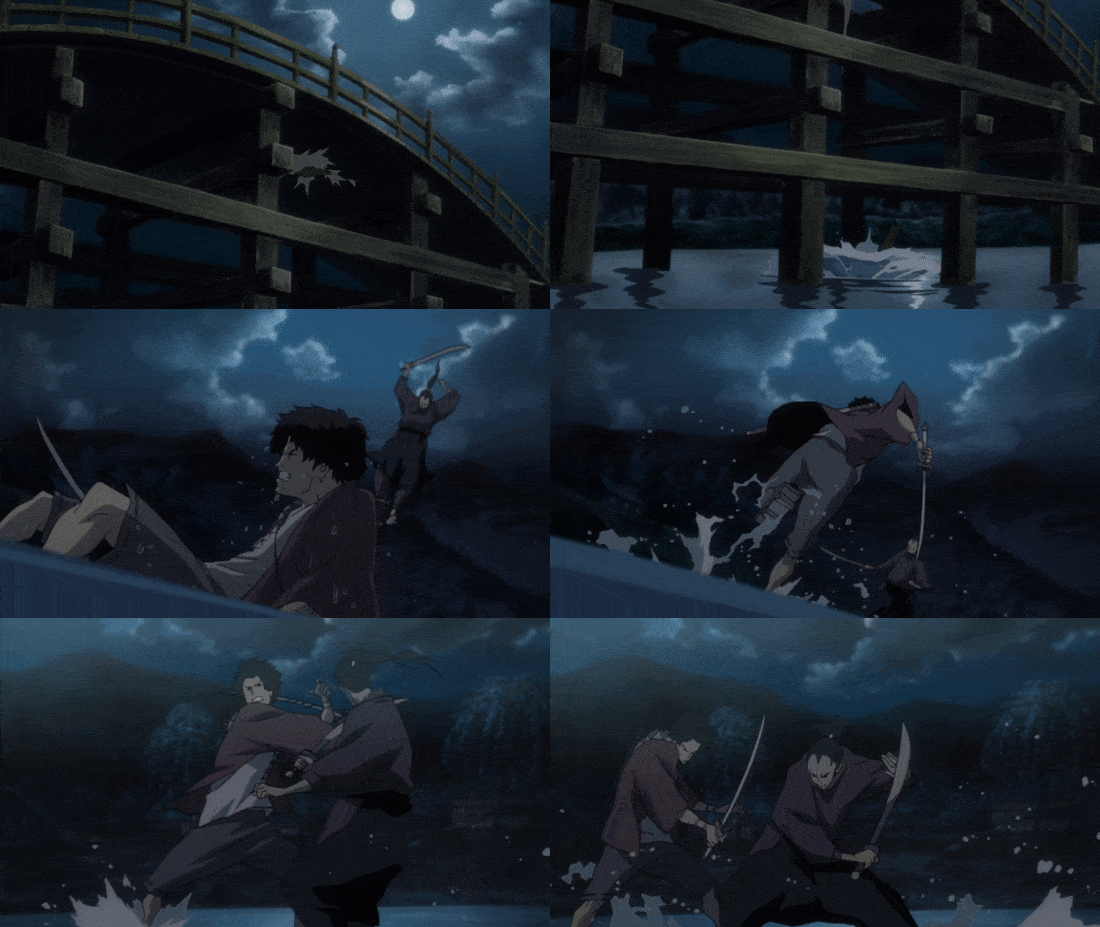
Or take another fight scene — the one from episode 10, with Mugen in the stream. Here, a Nujabes piece called 1st Samurai refuses to stay in the background. It sits on top of the images, almost clashes with them.
A lot of Nujabes’s best-known work appears in Samurai Champloo. Even if you’ve never watched the series, you’ve probably heard Battlecry or Aruarian Dance. They have the sound of old, dusty vinyl records, and that lyrical quality Watanabe felt. The rapper Shing02, who performed on Battlecry, once said:
Nujabes’s music contains a Japanese-style melancholy. It can be applied to the word “saudade” in Brazilian music, and in English it can be connected to the word “nostalgia.”11
There’s another driving breakbeat in this scene. But the melodic parts of Nujabes’s instrumental — the slowed-down saxophone sample, the flute from the ‘60s — have some of that melancholy. And they’re loud in the mix.
Nujabes gives us something more than just a cool fight. A droning high note swallows up the scene, playing unbroken for more than 20 seconds, as Mugen’s opponent rushes him and falls to a surprise hit. Even when we cut away to another location, the drone continues. It feels a little haunting, a little tragic. The music doesn’t fit snugly into the action or the edits — but that’s why it works.
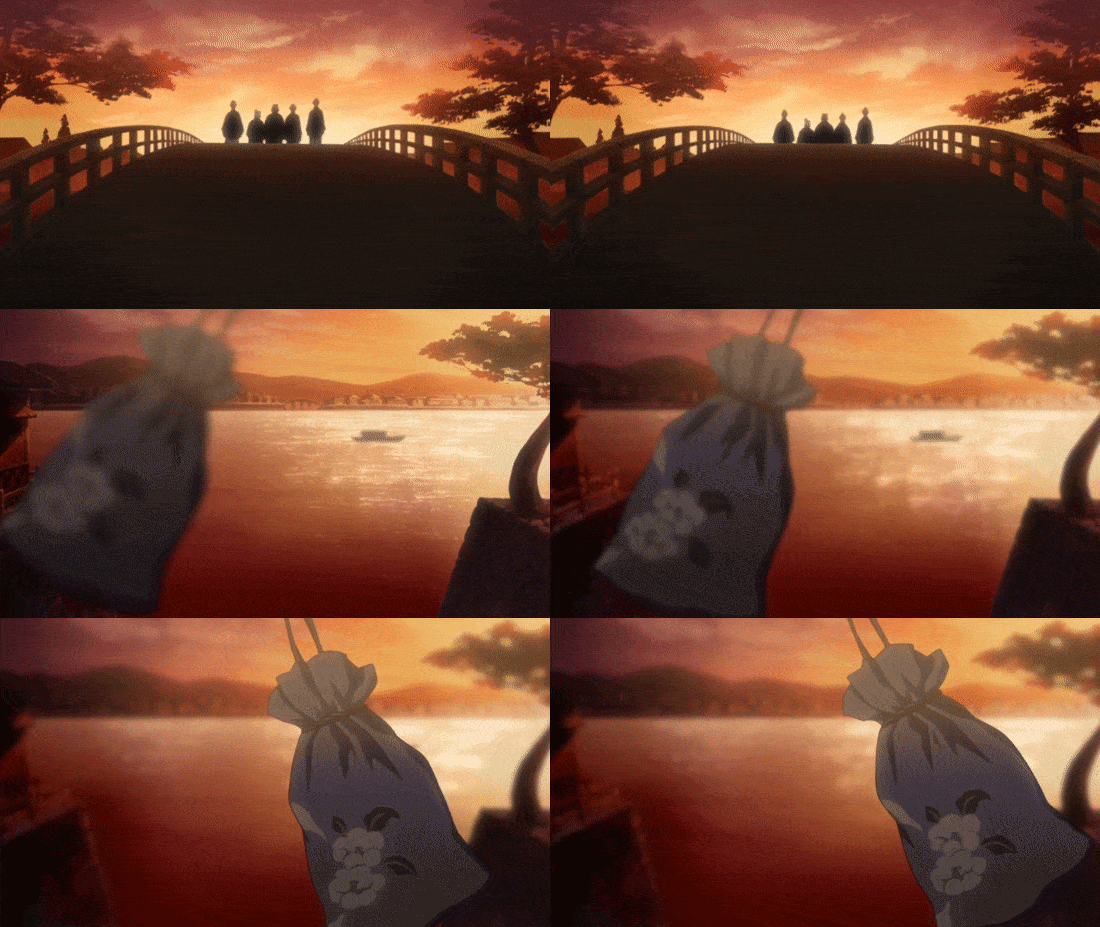
Techniques like these were used throughout Samurai Champloo. Toward the end of episode five, for example, Tsutchie’s Sincerely plays as a criminal gang is rounded up. A bittersweet, nostalgic loop is front and center. Hearing it over feudal imagery is interesting by itself — but it also avoids just “illustrating” the scene, repeating the emotions or timing of the images. That swing is present again.
You see this stuff, too, in one of the show’s great musical highlights, courtesy of Fat Jon.
It happens in episode seven. A young, misunderstood thief jumps from a window and runs across rooftops, fleeing a gang and the police. And Fat Jon’s low-key 624 Part 2 takes total control.
A faster, more exciting piece of “normal movie music” would match the thief’s desperate escape here. But it wouldn’t work as well — the melancholy piano line and quiet percussion add another emotional layer to these shots. When the thief gets cornered and threatens his pursuers, yelling, the music stays relaxed. And it grows quieter still when a blade moves toward him.
It’s one of those moments where, as Watanabe said, the music stands out “too much.” Fat Jon’s part isn’t 50:50 — it’s more like 60:40. He worked on the show almost entirely without feedback from Watanabe and, once again, the result was music that doesn’t sit comfortably with the images. Yet that’s where this scene’s strength lies.
Watanabe didn’t aim Samurai Champloo at America. As he said, it’s full of references that foreigners miss. Its huge success abroad was a lucky break — because, as he admitted years later, the show failed in Japan. He found that hip hop and animation appealed to different groups in his country back then.
To the outside world, though, this pairing of old Japan and modern music didn’t just work — it was a bit addictive. And the jazzy, melodic, lo-fi, underground sound that Watanabe wanted in his show (and that artists like Nujabes delivered so well) would later be copied to infinity.
There’s something that links these worlds — Watanabe wasn’t the first to realize it. But, for the feeling of Samurai Champloo’s sound, just as important as the links are the contrasts.
In this show, a lot doesn’t fit together on screen in an obvious way. Because it’s not obvious, because elements “compete,” you get tension. In the 2000s, breakbeats over sword fights — and the quiet emotion of Nujabes’s music over a struggle in a stream — had just enough similarity and just enough clash to make the world look, and listen.
We lost Jane Baer (91), a Disney veteran from the Sleeping Beauty days.
Animation artists are speaking out against America’s blockade of Cuba, which is sending the country into a crisis.
Netflix picked up the Mexican film I Am Frankelda for an international streaming release. Its directors attended the Annies this week, where Frankelda was nominated.
Speaking of the Annies, the Chilean series Wow Lisa took the award for preschool animation. See the complete list of winners here.
There’s a great-looking trailer out for A Foreign Heart, produced by Trollfilm in Norway. It’s a new film from Anton Dyakov (BoxBallet).
In India, Studio Eeksaurus did a commissioned piece for the Pune Design Festival — in a very cool, sort of ‘90s-throwback style.
One of the world’s best living animators, Akihiko Yamashita (The Boy and the Heron), did a great little spot for the Japanese company VAP. See it here.
Also in Japan, the legendary studio Telecom is being dissolved into TMS.
Last of all: we looked into the first film by Yuri Norstein, made years before Hedgehog in the Fog.
Until next time!