The BubbleCam has been online since January 29, 2001. What began as a little Halloween whimsy has survived outdated computers, temperamental controllers, hurricanes, bees, and a heroic amount of bubble solution.
2000–2001: A perfectly reasonable idea
The BubbleCam was Andie’s idea. For Halloween 2000, she bought a high-volume bubble machine for trick-or-treaters. Running it continuously emptied the machine in less than 30 minutes, so Mike rigged up a remote control.
The kids loved it. Then Andie said, “It’s a shame people can’t turn on the bubble machine from the internet.”
Mike entered tinker mode.
The first BubbleCam used a Windows 98 computer, a wired camera, custom software, and X-10 power-line controls. Think of them as early smart plugs—without much of the “smart” or “reliable” part.
At first, everything sat on our patio. We eventually built a dedicated Bubble Hut so we could enjoy our patio without being continuously blasted by bubbles.
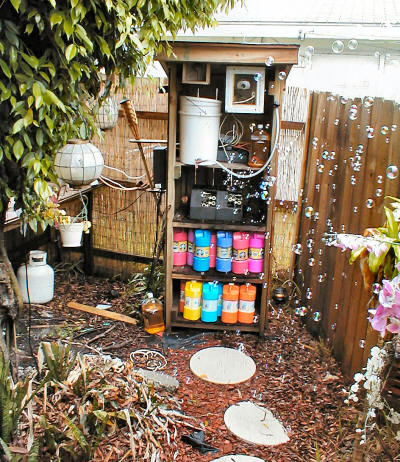
The Bubble Hut
The hut protected the camera, bubble machines, power equipment, and a generous supply of bubble solution. During hurricane season, we could empty it and lay it face down on the ground.
A seven-gallon container—assembled from leftover homebrewing supplies—held several weeks of premixed bubble solution. Apparently, the beer phase was useful after all.
We later added an Ethernet camera with its own web server. Those cameras usually survived about three years before retiring from active bubble duty.
2006: A sturdier home
After back-to-back hurricanes, we replaced the original hut with a more wind-resistant BubbleCam corral. It had protective shutters and made hurricane preparation much easier.
We no longer have good photos of the corral. We do, however, have video from 2011, when bees moved in and Mike decided that buying a bee suit made him qualified to remove them.
What could possibly go wrong?
2016: Simpler is better
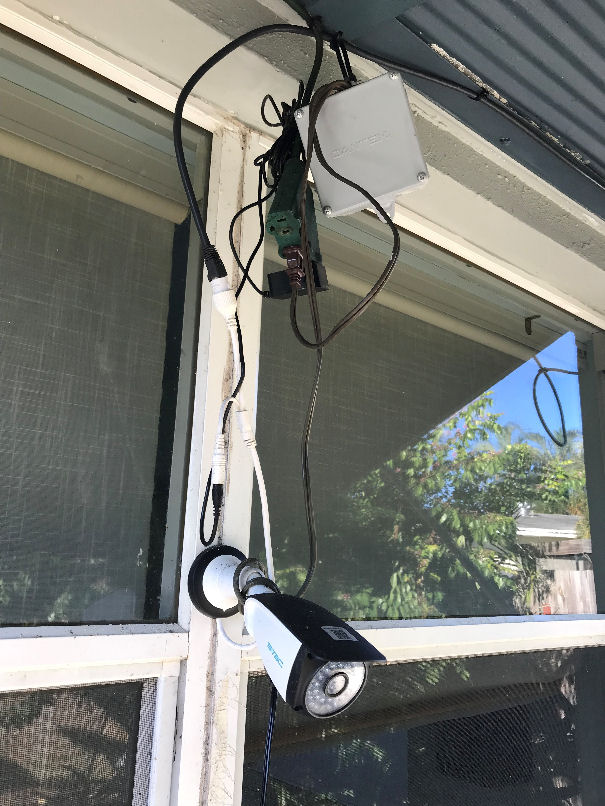
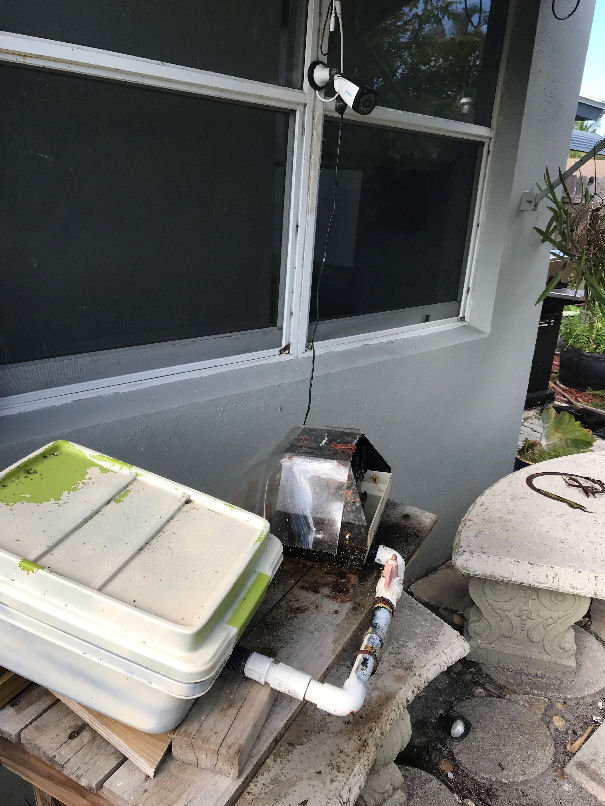
After another hurricane damaged our fence, we retired the corral and moved the equipment to a concrete bench beneath an awning.
The new setup was easier to protect during storms and gave us a bonus: we could watch the bubbles through our dining-room window.
By then, suitable internet cameras were becoming difficult to find. We switched to a security camera and used a Windows computer to send its video to the website.
2019–2020: Goodbye, unreliable switches
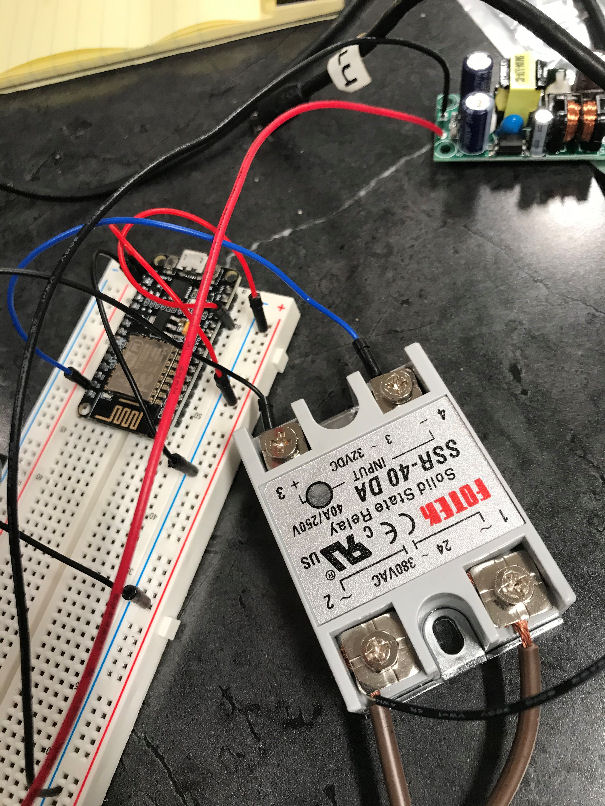
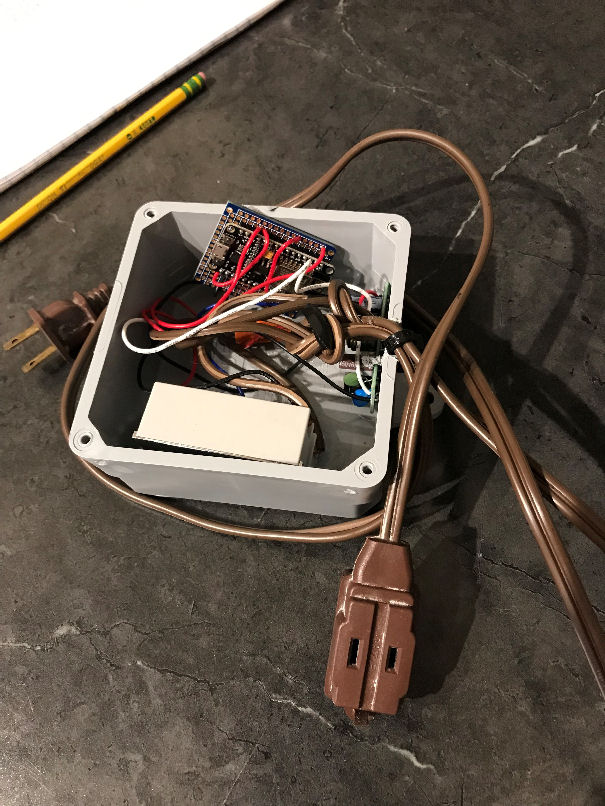
The aging X-10 and Insteon controls had become unreliable and poorly supported, so Mike replaced them with an ESP8266 Wi-Fi microcontroller.
These inexpensive little boards are designed to connect software with real-world devices. In our case, the “real-world device” was a bubble machine—which seemed like an excellent use of the technology.
Mike built and programmed a custom controller, first on a breadboard and later inside a weather-resistant electrical box.
2021–2022: Built for phones
Most visitors were now arriving on iPhones and Android devices, so we rebuilt the website with mobile visitors in mind.
The site moved to WordPress on a Linux server. A custom WordPress plugin replaced the old Windows control program, allowing the website to communicate directly with the BubbleCam controller. The video system also moved to Linux, finally ending our dependence on Windows.
The result was faster, simpler, and much easier to use from a phone—without the popup windows required by earlier versions.
How it works today
The modern BubbleCam is surprisingly compact:
- You press the Bubbles button.
- The website validates the request.
- A Wi-Fi controller turns on the bubble machine for the configured duration.
- The camera lets you watch the results from wherever you are.
Behind the scenes, the system also handles overlapping requests, safety limits, statistics, camera streaming, and the occasional reminder that physical machinery does not always share the internet’s enthusiasm. It now pesters Mike with emails asking him to refill the machine and deal with viral events.
Going forward
We were in our early 30s when we started this project. A quarter-century later, we are still maintaining it, improving it, and keeping plenty of bubble solution nearby.
We would eventually like to share more of the technology so other people can build BubbleCams—or other playful devices that can be controlled through the web. Progress may be gradual because we still have day jobs, but the idea remains important to us.
For now, the original BubbleCam is still here. Please visit, press the button, and send a few bubbles into our backyard.