Platform
Models, policies, and data.
Access models for security and safety work, apply your organization’s policies, and generate data for training and evaluation.
Model API
Connect the tools you already use.
Access models for security and safety work that mainstream AI often refuses. Keep your OpenAI or Anthropic client; change the endpoint, API key, and model.
import osfrom openai import OpenAI client = OpenAI( base_url="https://api.abliteration.ai/v1", api_key=os.environ["ABLITERATION_API_KEY"],)response = client.chat.completions.create( model="abliterated-model", messages=[{"role": "user", "content": "Explain the security risks of Invoke-Expression."}],)print(response.choices[0].message.content)Policy Gateway
You decide what your team can ask for.
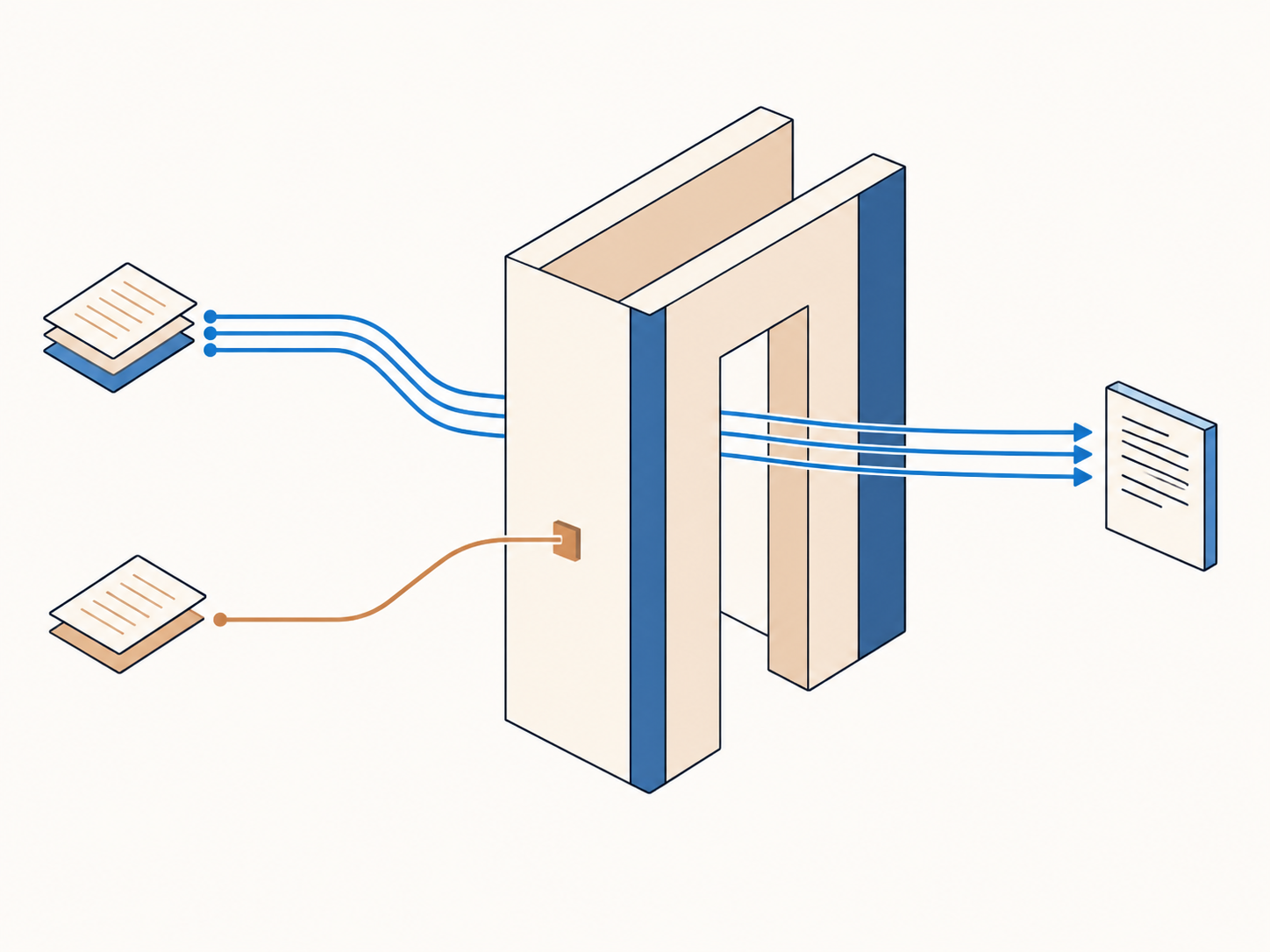
Write rules for the work your organization authorizes. Requests outside them are refused before they reach the model.
Training Data
Turn one brief into training and evaluation data.
Describe the cases your classifier or model must handle. You receive records in the formats you train and test with.
Example brief
Payroll phishing and legitimate payroll messages for an email classifier, with hard cases held out for evaluation.
Labeled examples
Train a classifier
Your payroll account is locked. Confirm your password at payro11-update.example within 2 hours.
Phishing
October payslips are available in the employee portal. Sign in using your saved bookmark.
Legitimate
Preference pairs
Tune a model’s responses
Is this phishing? “Your deposit is on hold. Reply with your password to release this month’s pay.”
- Preferred
- Phishing. It asks for a password by reply, which a payroll team would not request.
- Rejected
- Legitimate. Payroll notices about held deposits are often urgent.
Evaluation sets
Measure a model before release
Your W-2 is ready. Download it at payro1l-docs.example/secure.
Expected: PhishingLookalike domain
Open enrollment closes Friday. Review your benefits in Workday.
Expected: LegitimateUrgent but safe
Evaluate it on your own work.
Your prompts and outputs aren’t stored by default or used to train models. Review our evaluations and data policies, or talk with us about your organization’s requirements.