SymmetricDS 3.16.8 Released
Community Version This release includes 6 improvements and 4 bug fixes. Here are some highlights: …
SymmetricDS 3.16.8 Released
Community Version This release includes 6 improvements and 4 bug fixes. Here are some highlights: …
SymmetricDS 3.15.21 Released
Community Version Note: This is a maintenance release for an older version of SymmetricDS. We …
SymmetricDS 3.16.7 Released
Community Edition SymmetricDS 3.16.7 is released! This release includes 1 new feature and 5 bug …
Get in sync with with an initial load of tables and data to the target database. Stay in sync with continuous change data capture.
Replicate data across different platforms, with compatibility for many databases. Sync from any database to any database.
Optimized for performance and scalability. Replicate thousands of databases asynchronously in near real-time.
Subset, Filter, Transform
Select tables, columns, and rows to sync, and in which direction. Combine, filter, and transform data.
Replicate across low-bandwidth networks and recover automatically from outage. Automatically detect and resolve data conflicts.
Deploy to on-premise servers, cloud VMs, containers, Docker, Kubernetes, or mobile devices. Use APIs to automate, embed, and extend.
Deploy a node on multiple servers behind a load balancer for highly available replication.
Speed up the initial load with native bulk loaders that use a direct path to the database.
Connect to more endpoints with additional replication modes like log mining and change tracking.
Validate data integrity after a data migration or schedule an adhoc comparison report with the option to repair data.
Monitor system health metrics receive threshold-based alerts. View and approve insights that help optimize run times.
Enterprise security including encrypted resources, roles and privileges, two-factor authentication (2FA), single sign-on (SSO), and event logging.
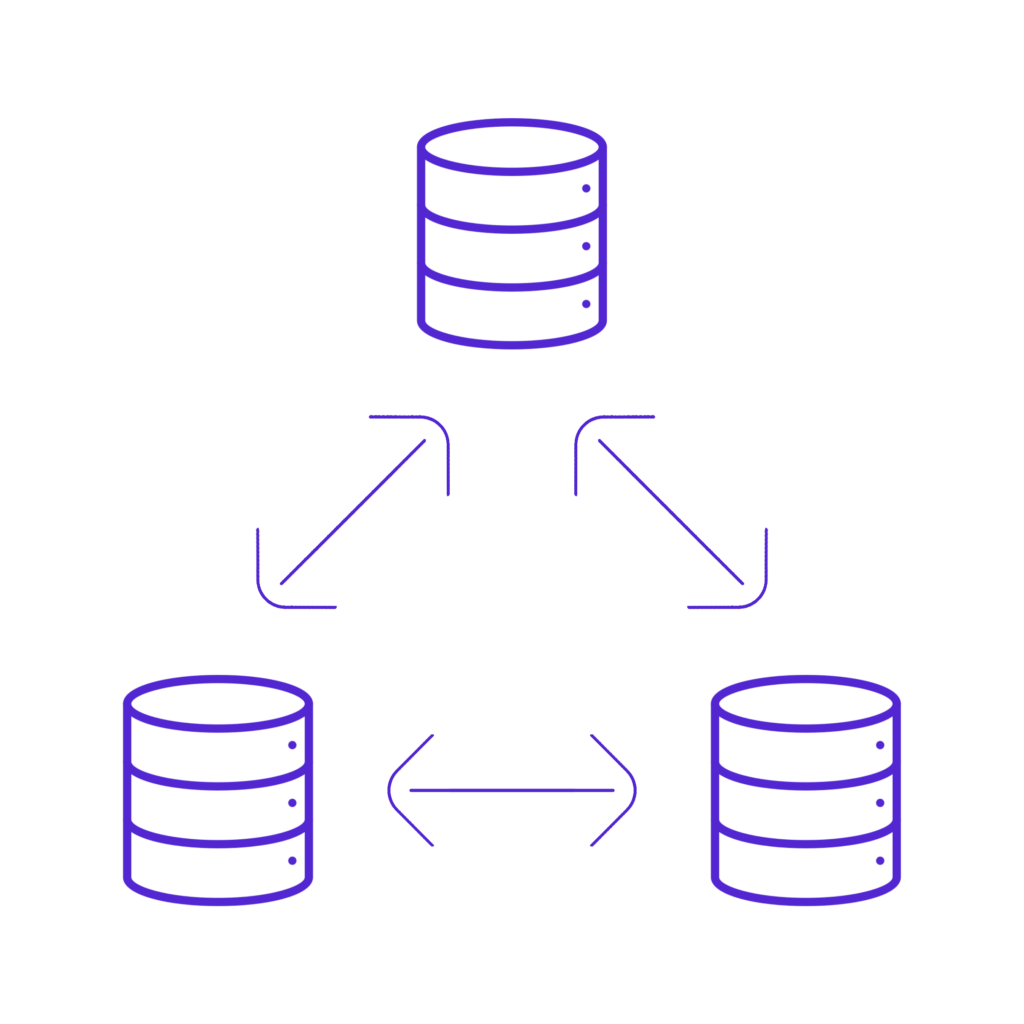
Get reliable, fast, and secure multi-primary data replication — anytime, anywhere — across local area or wide area networks. Data replication works continuously to overcome conflicts and network outages. Flexible conflict management can be configured with rules to resolve conflicts automatically or request user intervention.
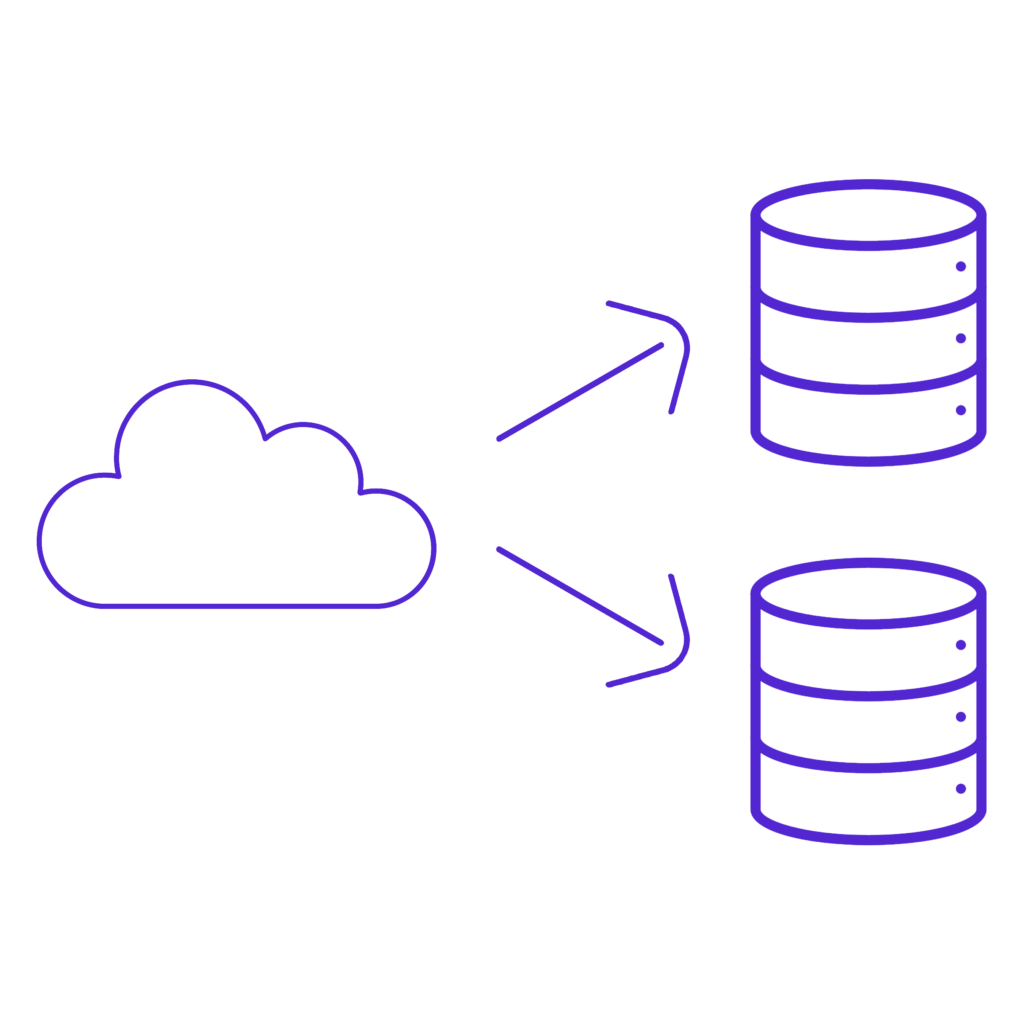
Migrate on-premise data to the cloud and keep it in sync with near real-time data replication. Scale to thousands of databases in the cloud. Manage, monitor, and troubleshoot from a central web console.
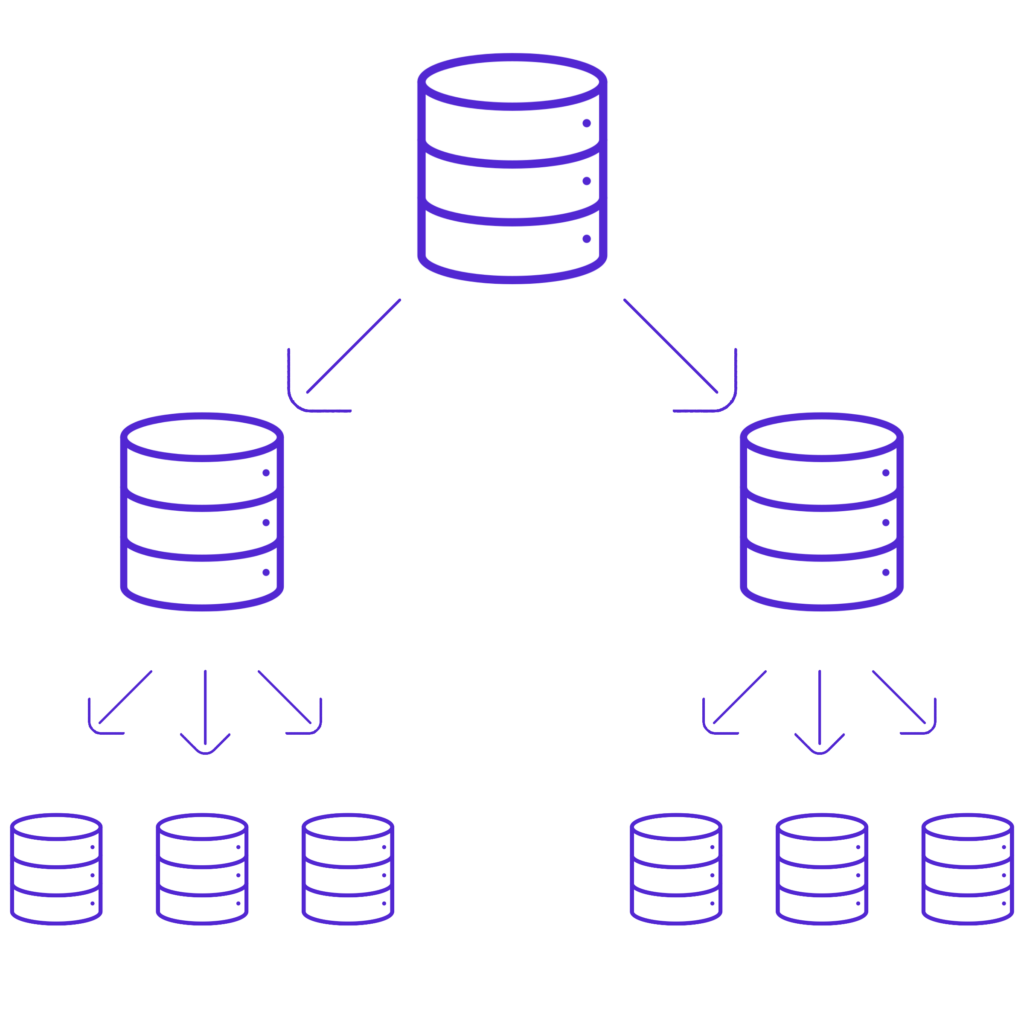
Optimize your data flow with multi-tier distributed data synchronization. Replicate thousands of remote locations. Ensure uninterrupted data synchronization as it seamlessly works offline and automatically recovers from outages while integrating data in near real-time.
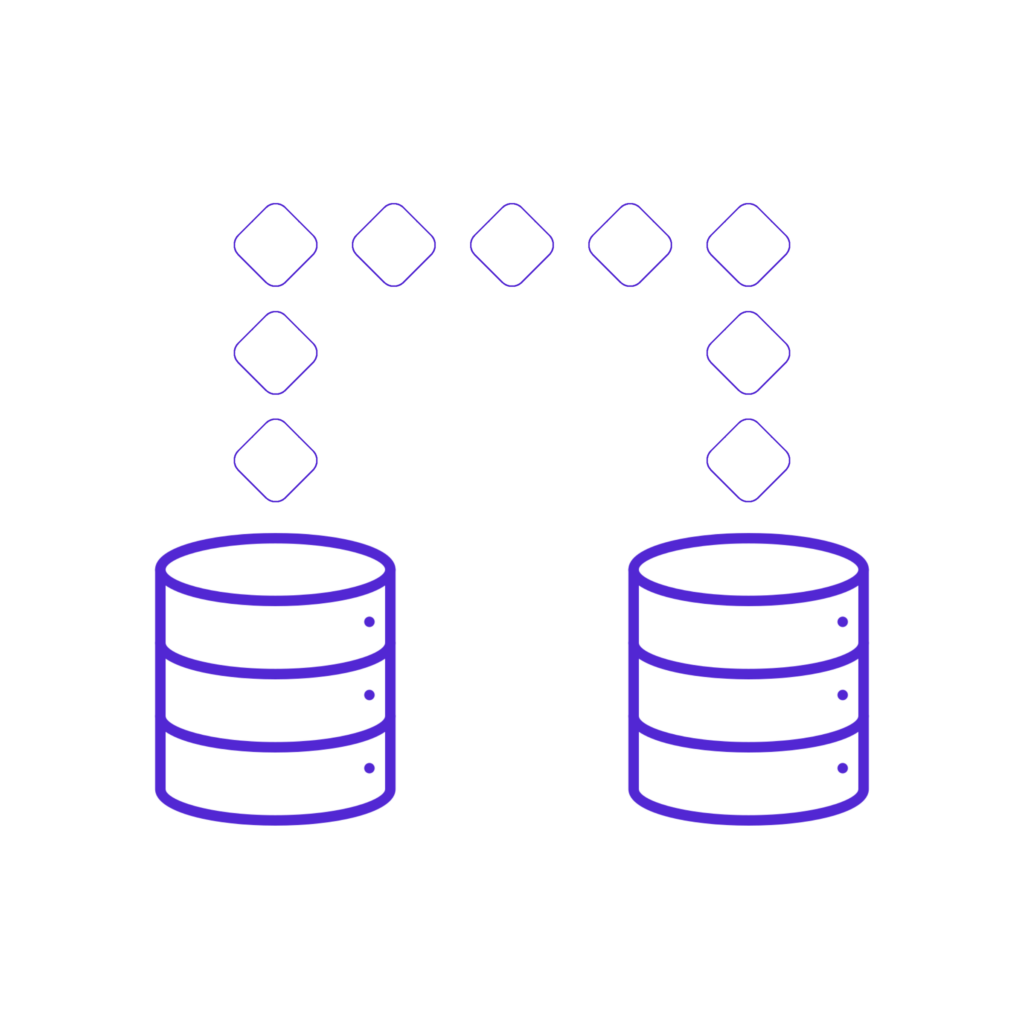
Conduct live data migration with zero downtime. Migrate to a new database platform without disruption using continuous change data capture. Ensure a quick data migration with native bulk loaders and parallel loading of data. Validate data with a comparison report that performs table-level or row-level checksums.
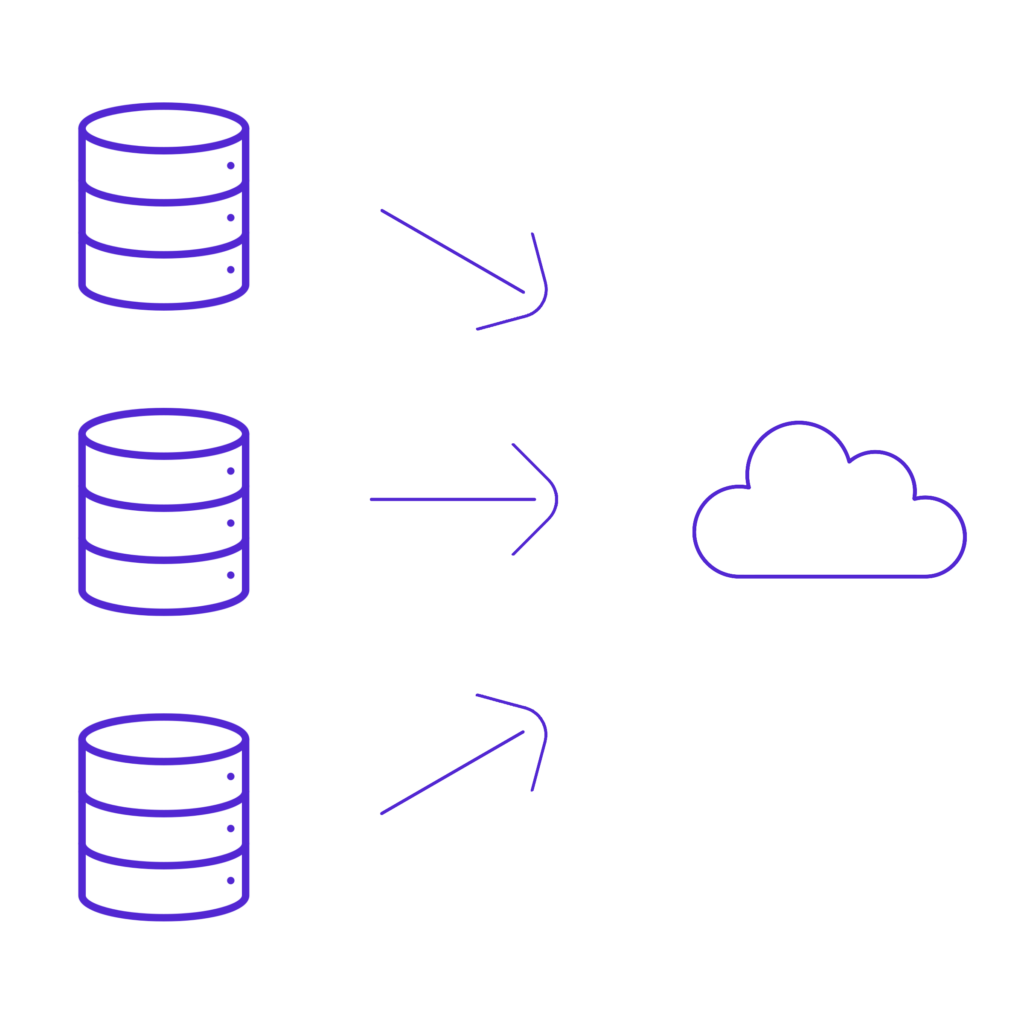
Build a Data Warehouse by integrating disparate data sources from multiple areas of the business. Transform and clean data for business intelligence and reporting. Focus a single subject area into a Data Mart or store raw data into a Data Lake. Continuously replicate new changes from your operational databases into a Data Warehouse and never get rid of valuable information again.
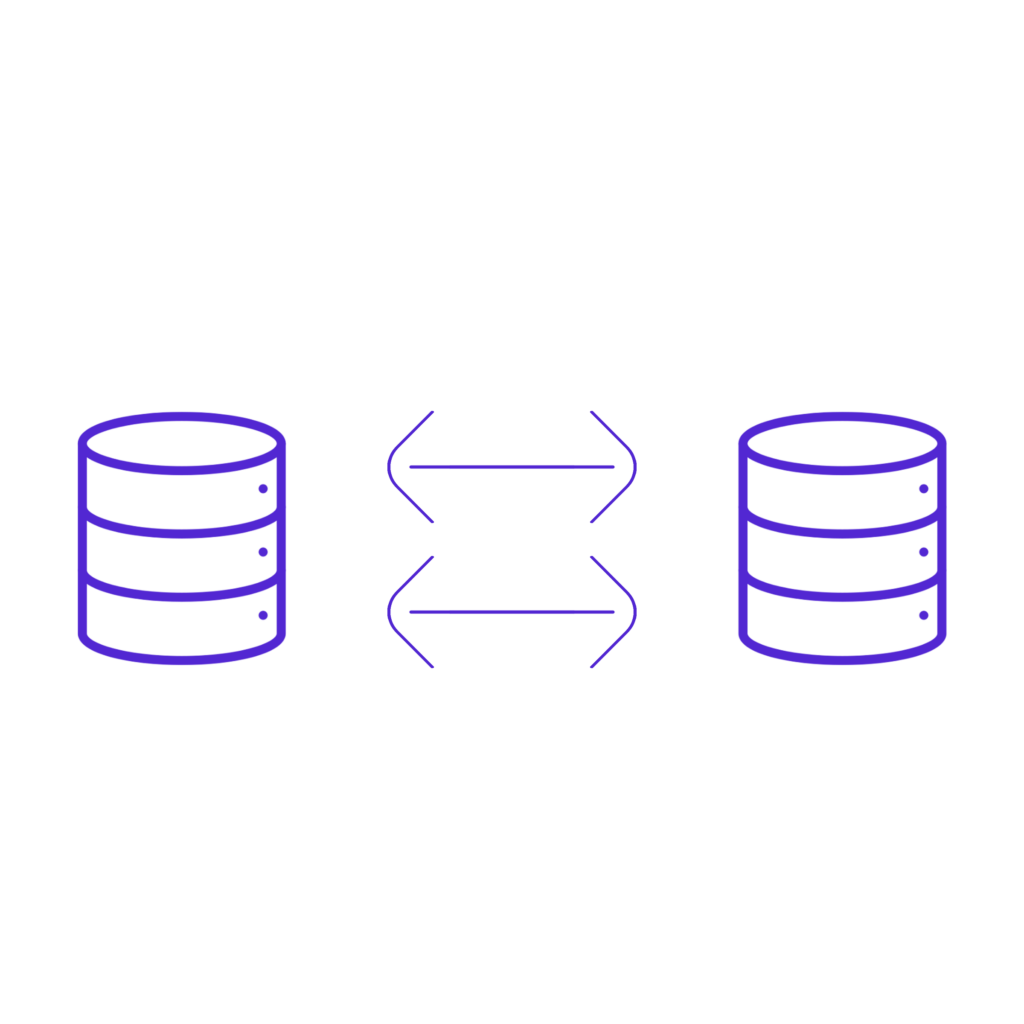
Critical database applications are protected by continuous replication to a standby database. Changes are sent to the standby database, which may be on a local or wide area network. During an outage, the application can reconnect to the standby database. Once the primary database is available again, changes replicate to it from the standby. The failover can also be used to perform planned maintenance and system upgrades.

Learn about architecture, features, and connectors.

View our Quick-Start tutorial or start with our User Guide.