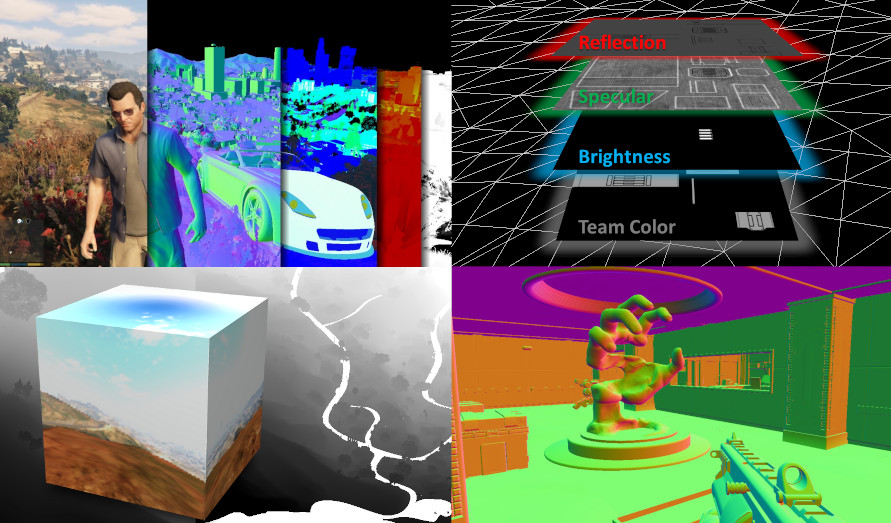
Rendering in games can be a complex topic, different approaches with their own tradeoffs are available,
new techniques arise, others fall out of fashion…
Studios using in-house engines need to make choices that will fit the type of game they’re aiming for.
It can be very interesting to know which decisions were actually made to ship the final product, what worked and what didn’t.
There are several resources available online detailing game post-mortems, whether it’s
GDC /
Siggraph talks
or even content hosted by game studios themselves.
But not everything is available: public documentation requires time and effort, with little
direct return-on-investment for the studio besides good PR among developers. And that’s when the
company doesn’t simply prohibit employees from disclosing any information publicly.
Below is a collection of frame breakdowns I gathered online (including a few of mines), all written by volunteers and enthusiasts who decided to reverse-engineer some games and document their findings.
I’ll try to maintain the list updated so if I’m missing something don’t hesitate to reach out.
Keep in mind most of this is the fruit of reverse-engineering and some amount of guess-work can be involved.
For those looking for the ground-truth and more explanation, you can hear it straight from the horse’s mouth:
studios research division (Activision, EA,
Ready At Dawn…),
Siggraph’s Advances in Real-Time Rendering or
GDC Vault talks.
I also recommend Simon Trümpler’s website which presents technical breakdowns of some graphical effects implemented in commercial games.