Overview
In this benchmark we evaluate image editing models on their ability to perform image-guided transformations while preserving identity-defining details from an input image. This benchmark requires models to integrate information from:
- An input image (a "fit pic") containing the subject of interest within its broader outfit context
- A query image (an "e-commerce-style flat-lay") containing the desired pose, composition, or spatial configuration of the output
- A text prompt guiding the edit (templated, introducing both images)
Goal: Generate an image that combines the garment from the input with the pose/composition of the query image while preserving identity-defining details (e.g., brand logos, printed graphics, unique patterns, embedded text).
In the Springus app, users upload fit pics and expect garments to transfer seamlessly into new poses or backgrounds while keeping brand details intact—these tasks mirror those real-world expectations.
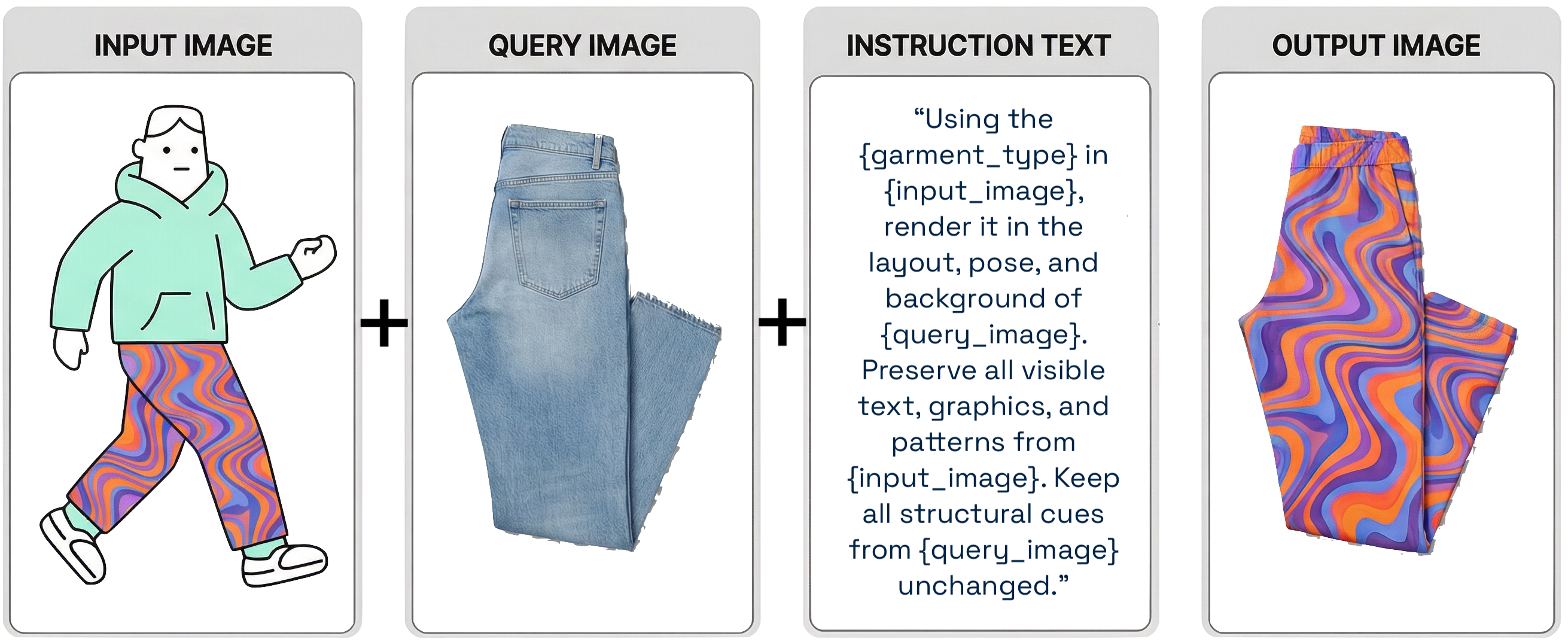
Figure 1: The image editing task - transferring garment identity with fine-grained attribute preservation
Results
Overall Winner
Nano Banana Pro 8 / 12
Best average performance across all four tasks
Runner Up
Nano Banana 7 / 12
Strong consistency with minor misses on multi-image
Honorable mention
GPT-Image-1
Standout performance on multi-image task
| Model | Total (out of 12) | Graphic Reconstruction | Pattern Reconstruction | Small Segment | Multi Image |
|---|---|---|---|---|---|
| Nano Banana Pro Winner | 8 | 3/3 | 3/3 | 1/3 | 1/3 |
| Nano Banana Runner Up | 7 | 3/3 | 2/3 | 1/3 | 1/3 |
| GPT-Image-1 | 4 | 0/3 | 1/3 | 0/3 | 3/3 |
| Seedream 4 | 3 | 1/3 | 1/3 | 0/3 | 1/3 |
| Qwen | 2 | 2/3 | 0/3 | 0/3 | 0/3 |
Scoring: each task is rated 0–3 (higher is better) based on three generations; totals are out of 12.
These benchmarks stress true one-shot performance with a bias towards consistency over best-possible outcome. Each model must hit quality targets with minimal inputs. We prioritize reliably repeatable quality over occasional perfect outputs. Across Tasks 1–3, Nano Banana Pro consistently demonstrates strong one-shot performance, delivering reliable outputs with limited context.
When holistically evaluating the performance gap between the Nano Banana and Nano Banana Pro model, the differences are negligible. While outside the scope of this study, Nano Banana Pro is unlikely to see usage in production due to its significantly worse cost and latency when compared to Nano Banana.
Future work should deepen few-shot tasks; early signals suggest GPT-Image-1 may benefit from richer input sets, and expanded multi-image tests could surface that advantage. Such tasks would also be a better reflection of image editing models in the Springus App.
Graphic Reconstruction
Our first benchmark task focuses on preserving visible text, logos, and graphics when transferring a garment to a new pose.
Input Image
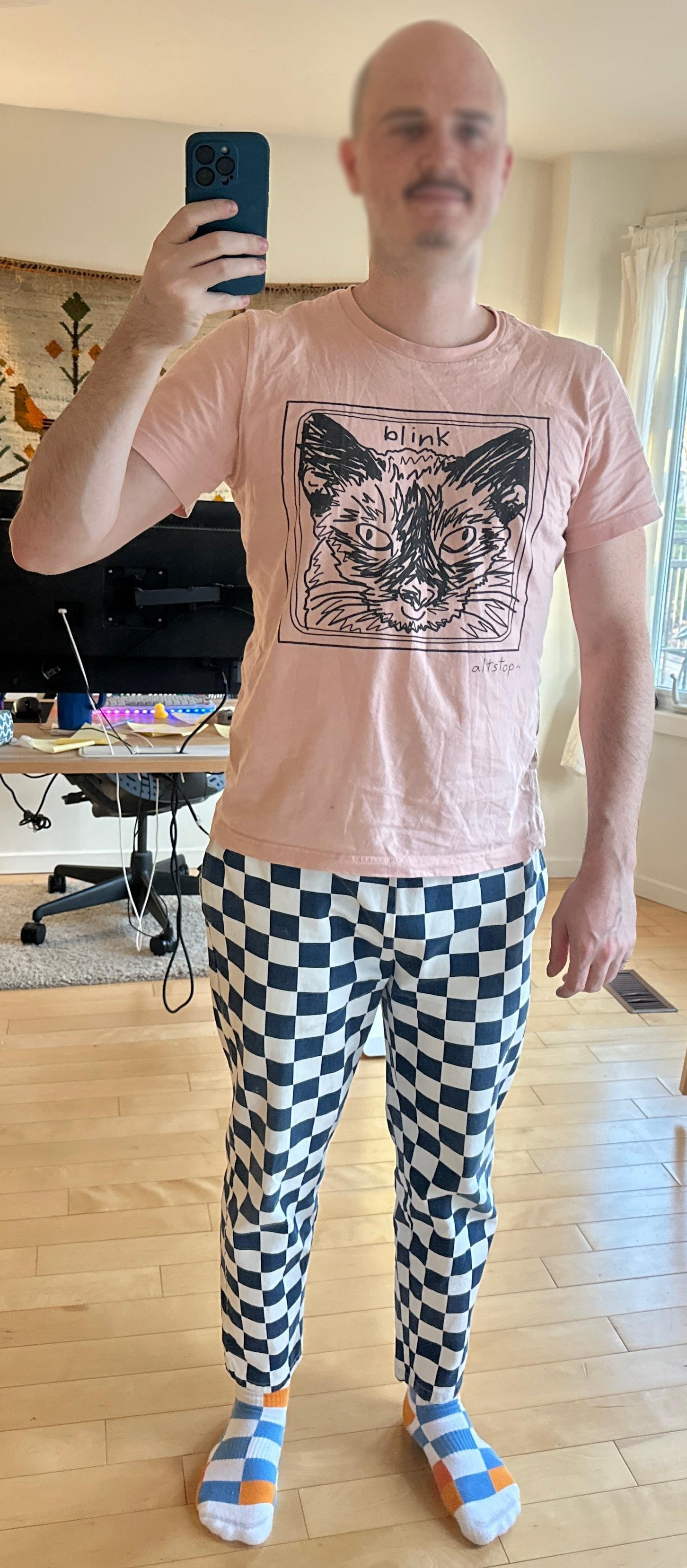
Query Image
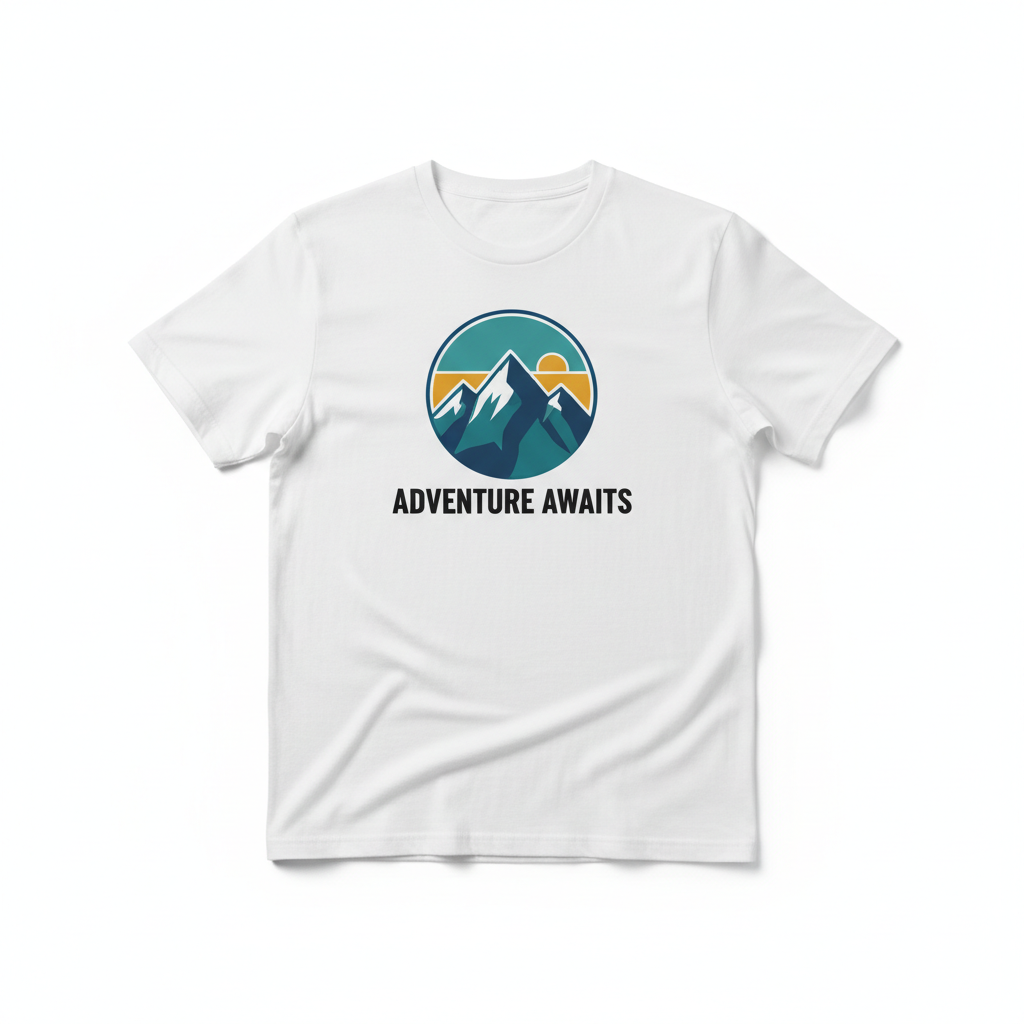
Prompt
Using the t-shirt in the outfit image, render it in the layout, pose, and background of the query image. Preserve all visible text, graphics, and patterns from the outfit image. Keep all structural cues from the query image unchanged.
Nano Banana Pro
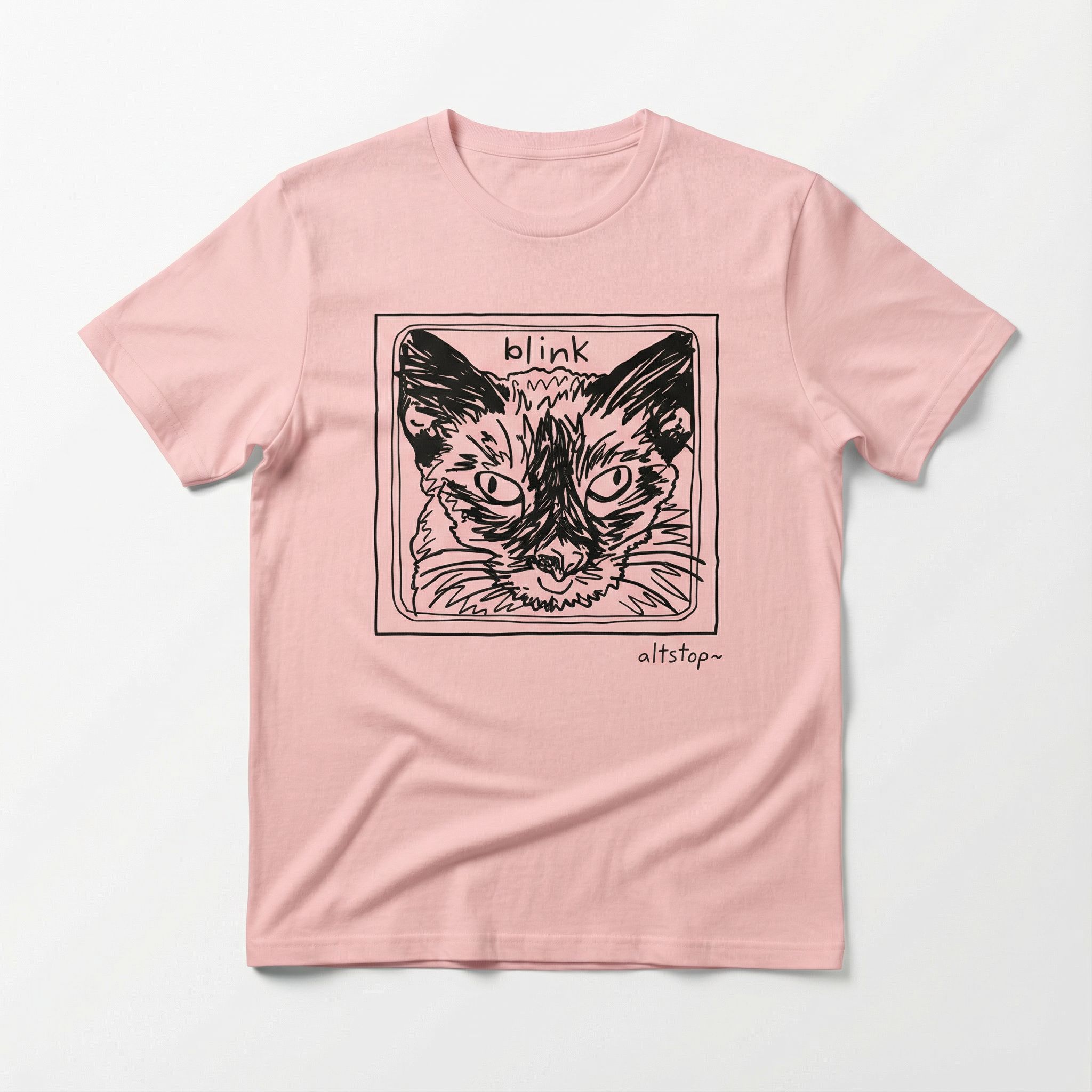
3/3
Pros
- Flawless text preservation and graphic retention
- Impeccable pose matching to query image
- Clean background transfer with no artifacts
- Natural lighting and shadows
Cons
- Minor edge sharpening visible on one run
Nano Banana
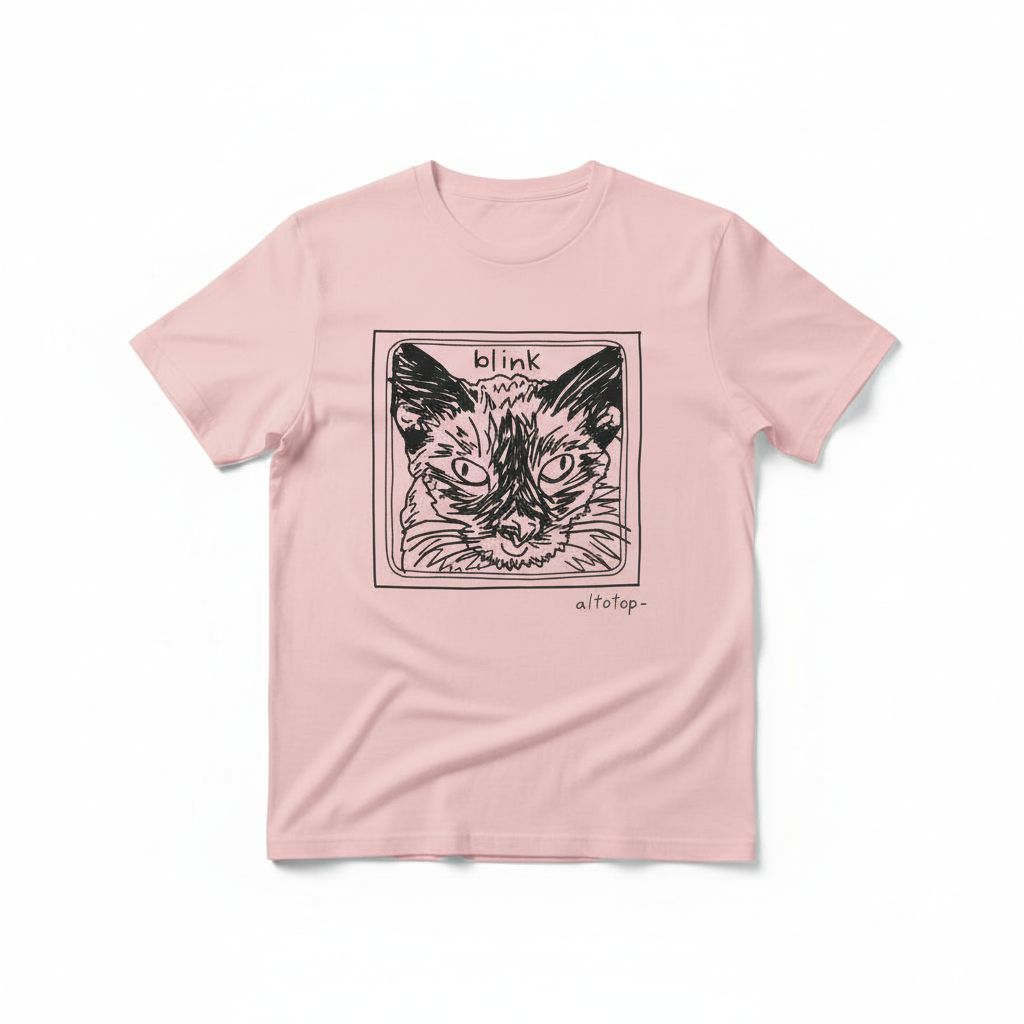
3/3
Pros
- Perfect text preservation and graphic retention
- Perfect pose matching
Cons
- Graphic size and placement off in one run
Qwen
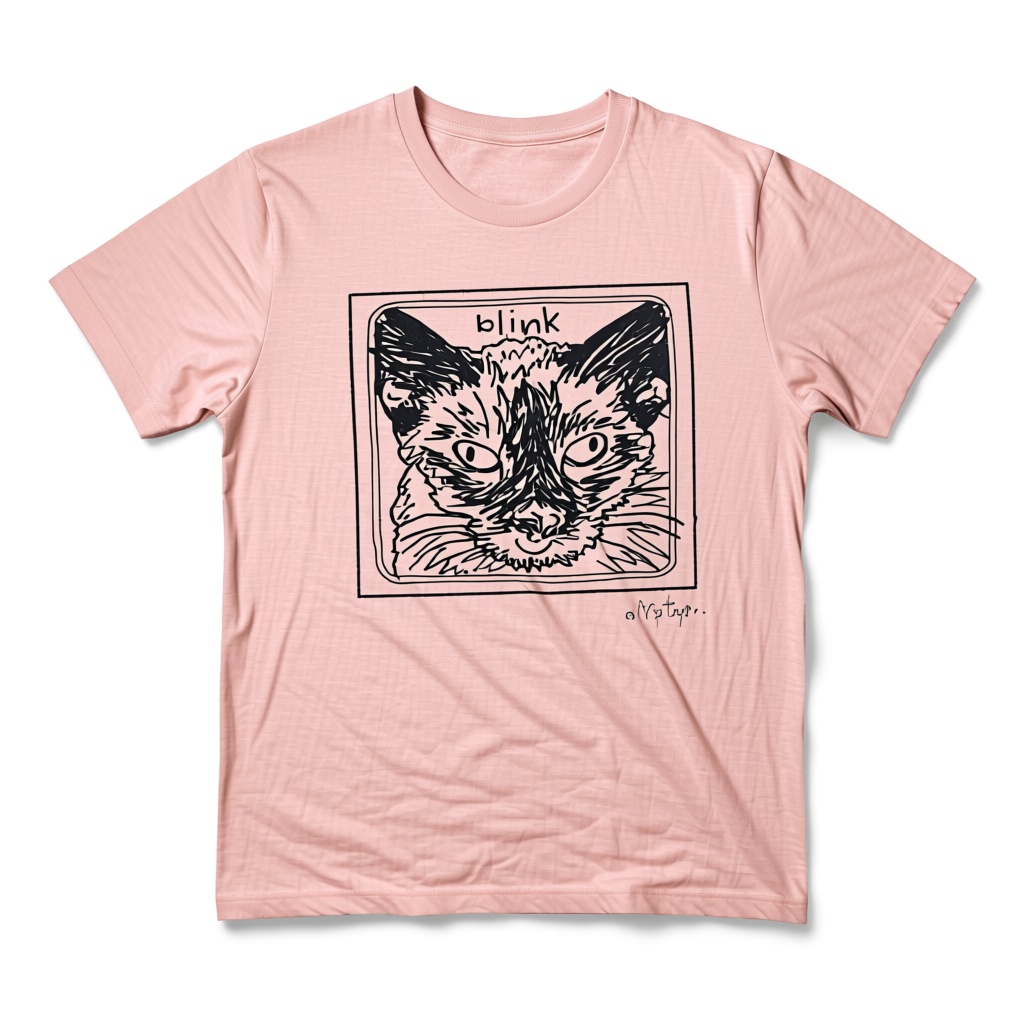
2/3
Pros
- Perfect graphic reconstruction
- Stable colour preservation across runs
Cons
- Poor brand text reconstruction
- Graphic placement off on one attempt
Seedream 4
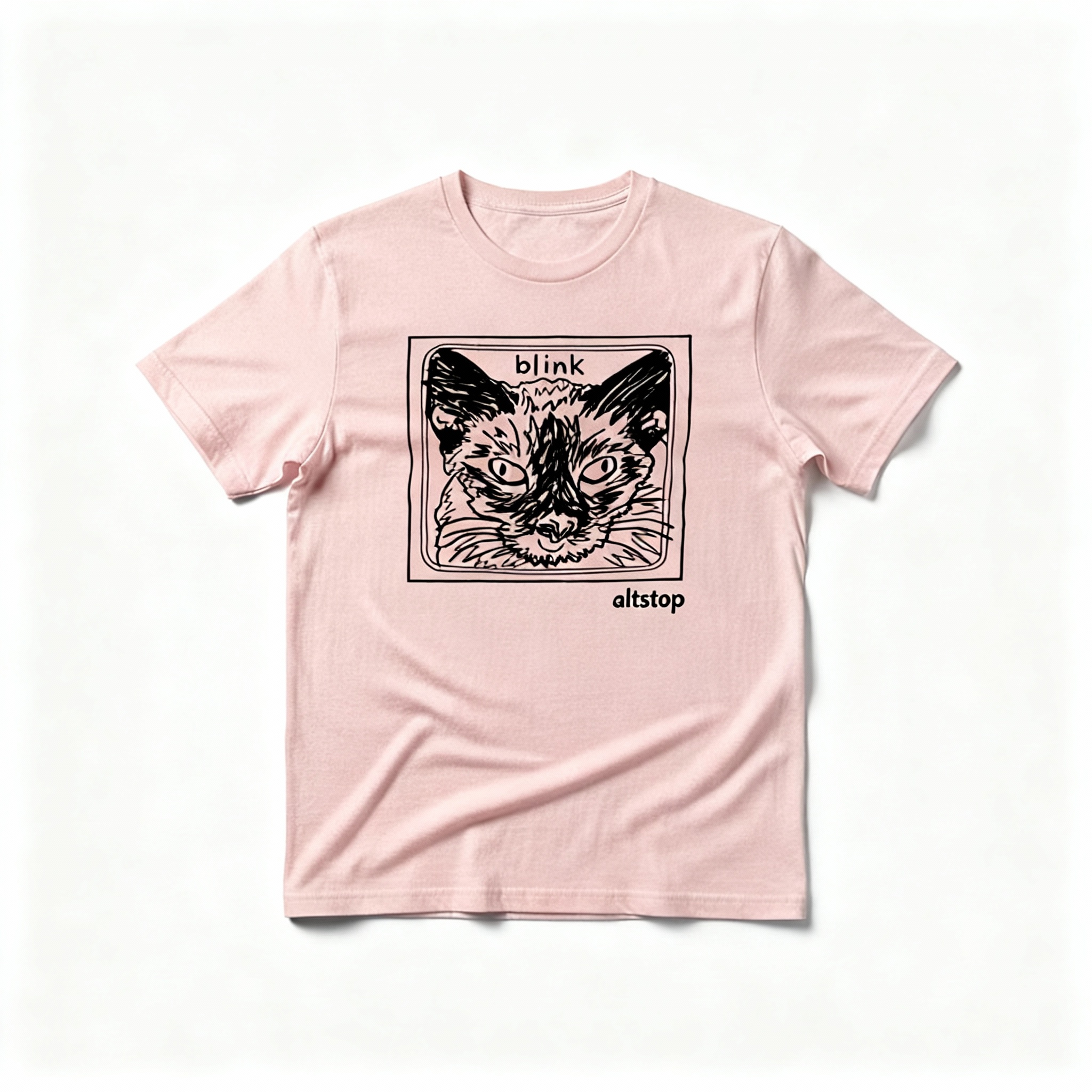
1/3
Pros
- Good graphic reconstruction
- Strong colour match
Cons
- Text font doesn't match on most runs
GPT-Image-1
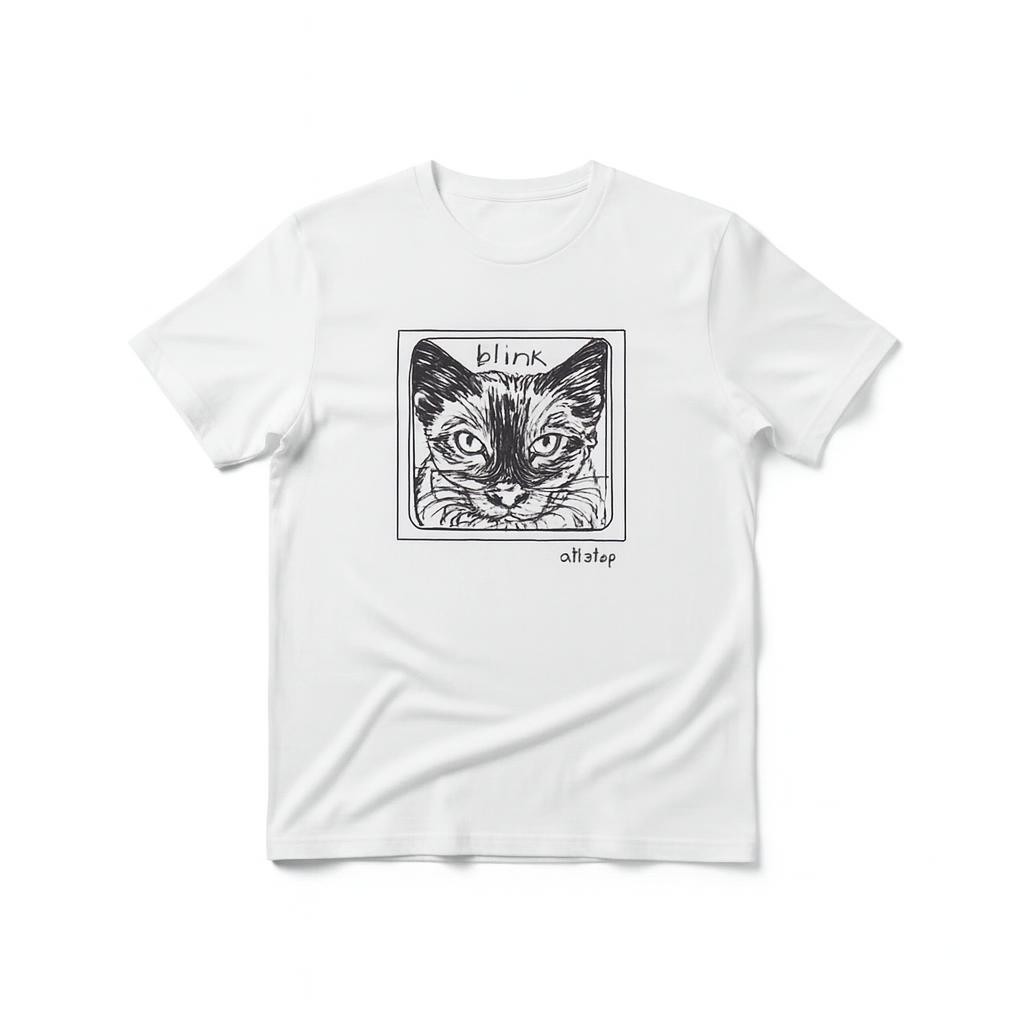
0/3
Pros
- Fair graphic reconstruction in isolated regions
Cons
- Colours don't match
- Graphic size off
- Brand text illegible
Nano Banana Pro, Nano Banana and Qwen are all roughly evenly matched here. Logo reconstruction is perfect across all of theirs runs. The smaller (and less important) brand logo is the only differentiator here.
Pattern Reconstruction
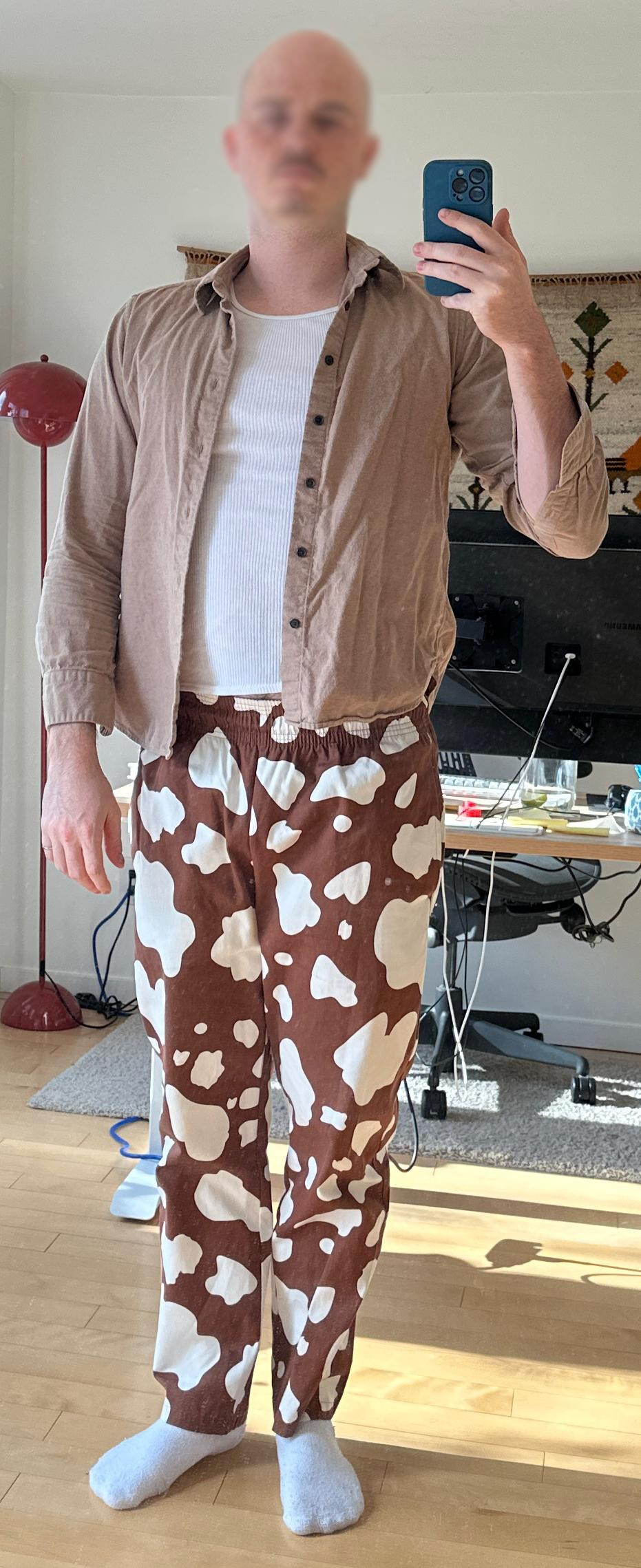
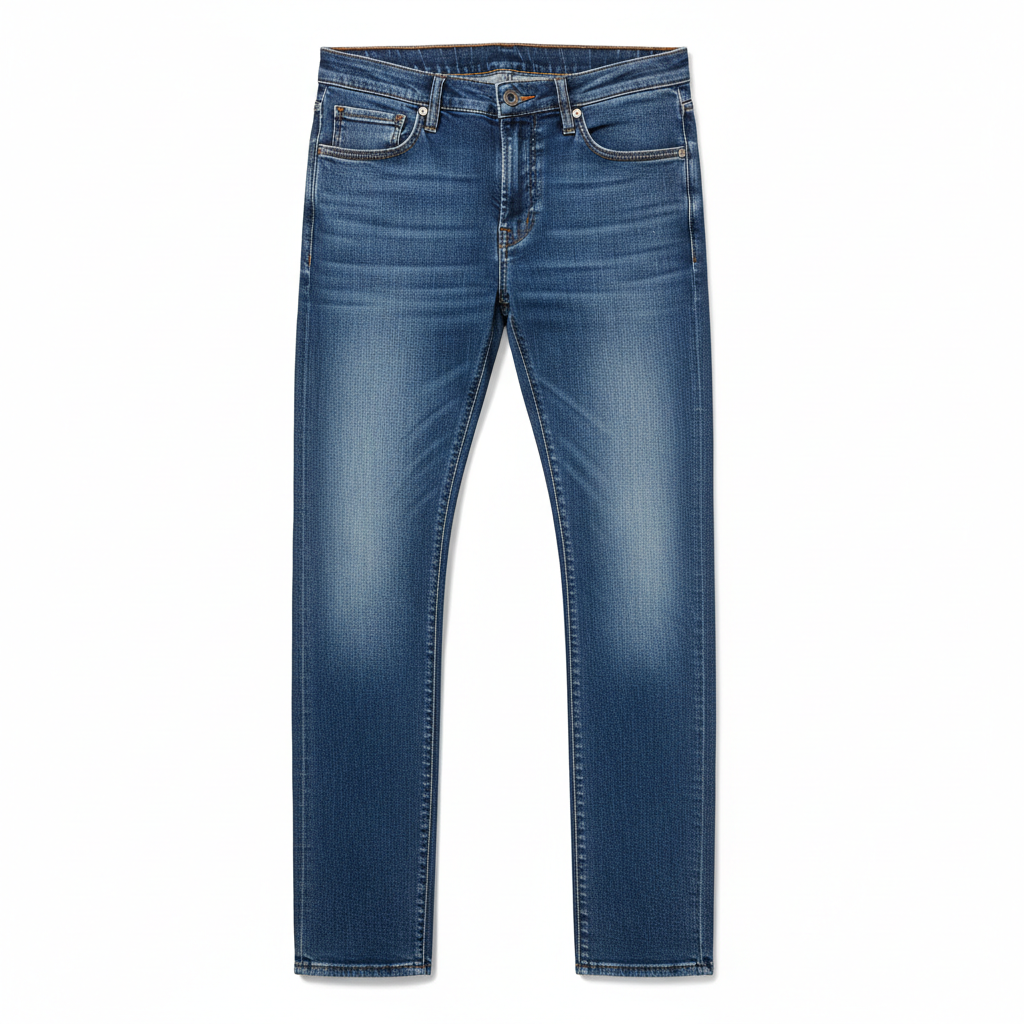
Our second benchmark task stresses fine pattern preservation across drape and pose while transferring a garment into a new scene.
Input Image
Query Image
Prompt
Using the pants in the outfit image, render them in the layout, pose, and background of the query image. Preserve all visible text, graphics, and patterns from the outfit image. Keep all structural cues from the query image unchanged.
Nano Banana Pro
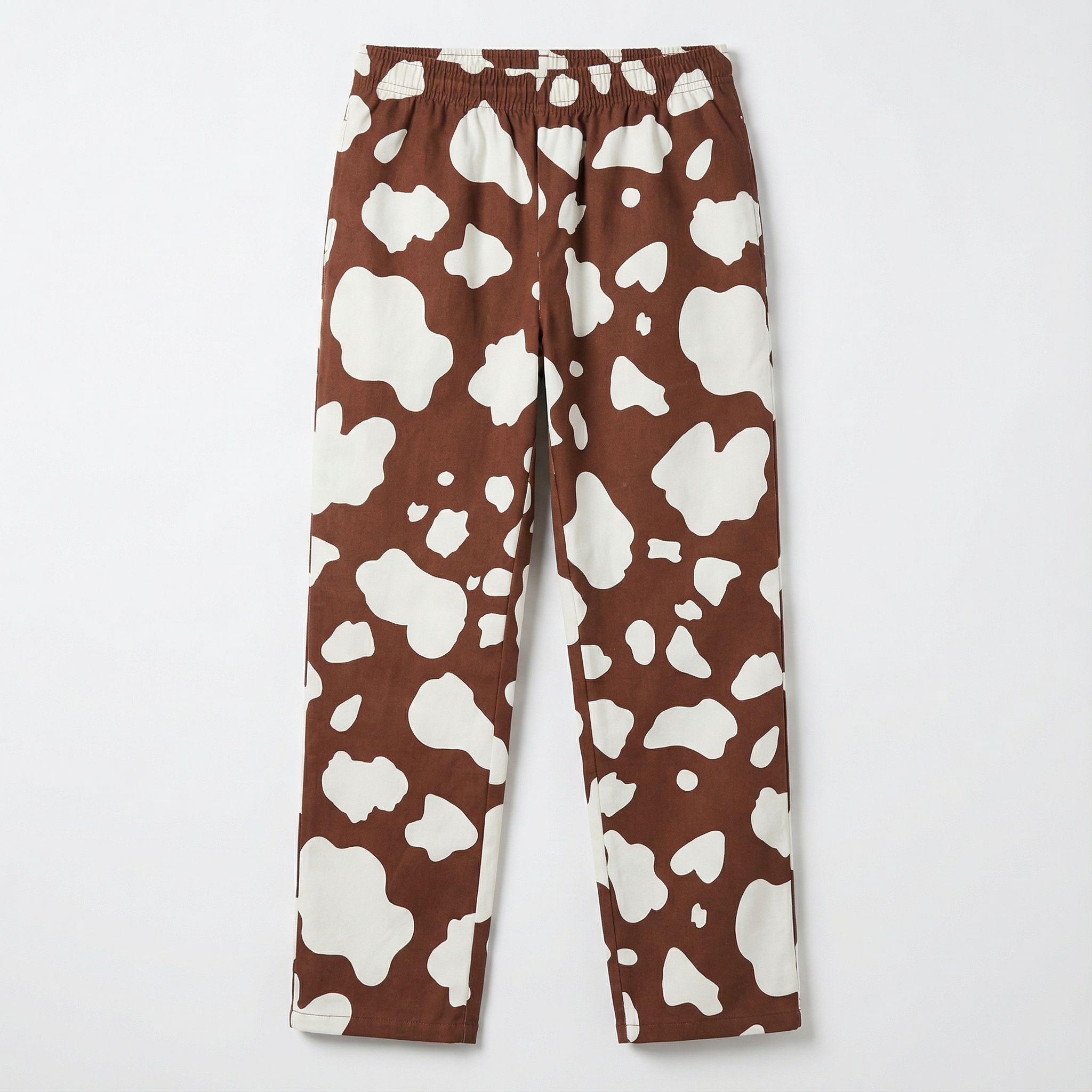
3/3
Pros
- Flawless pattern preservation and detail retention
- Strong pose matching to query image
- Clean background transfer with no artifacts
Cons
- Minor fabric stiffness on one variation
Nano Banana
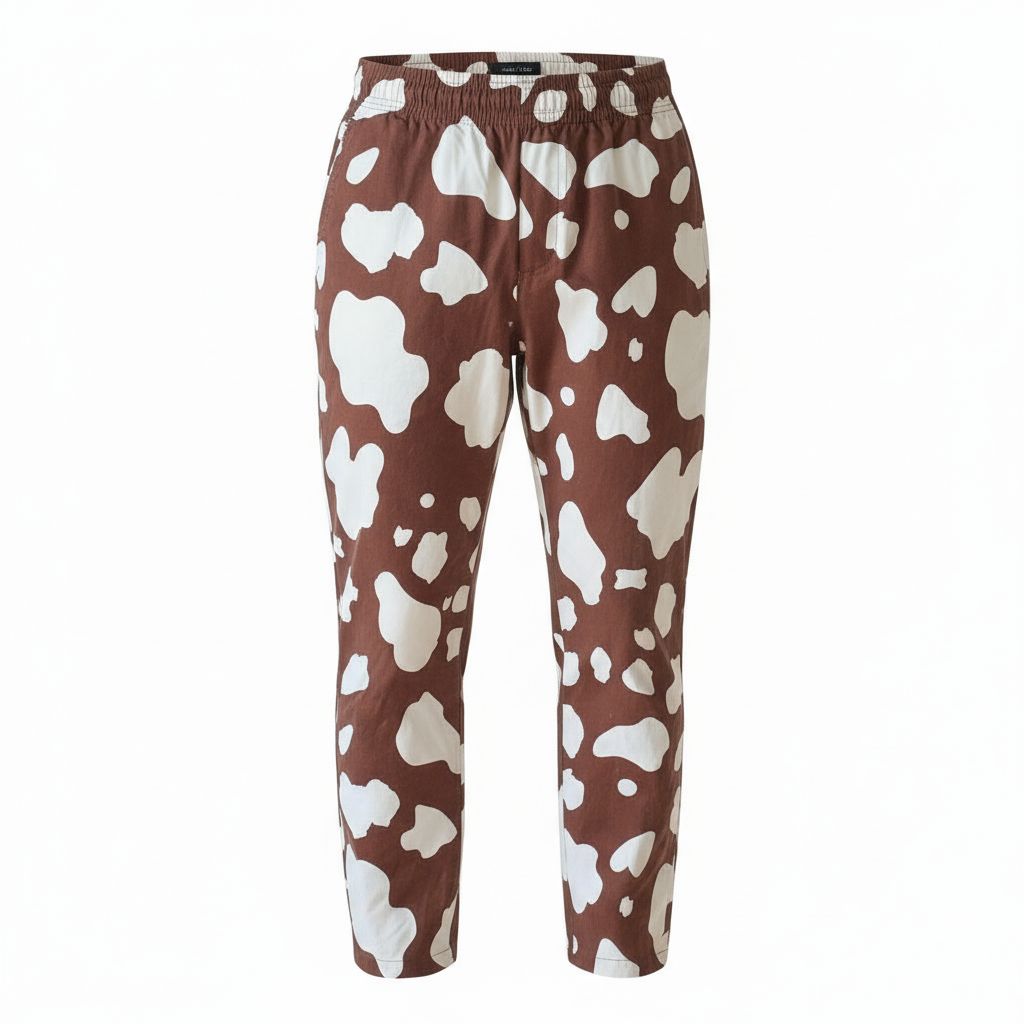
2/3
Pros
- Flawless pattern preservation and detail retention
- Strong pose matching to query image
- Clean background transfer with no artifacts
Cons
- Waist crease slightly softened in one run
Qwen
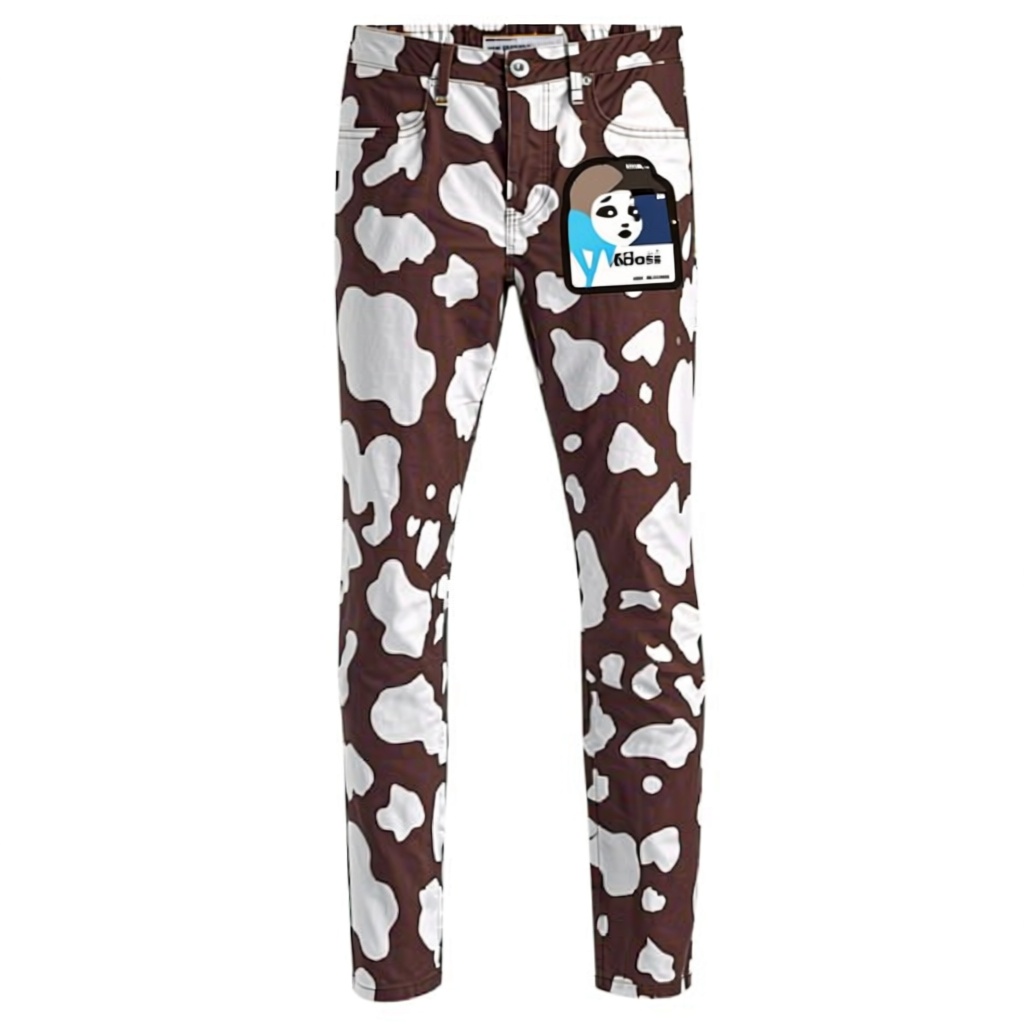
0/3
Pros
- Strong pattern match
- Good color fidelity
Cons
- Waist style not matching
- Graphic hallucinations
Seedream 4
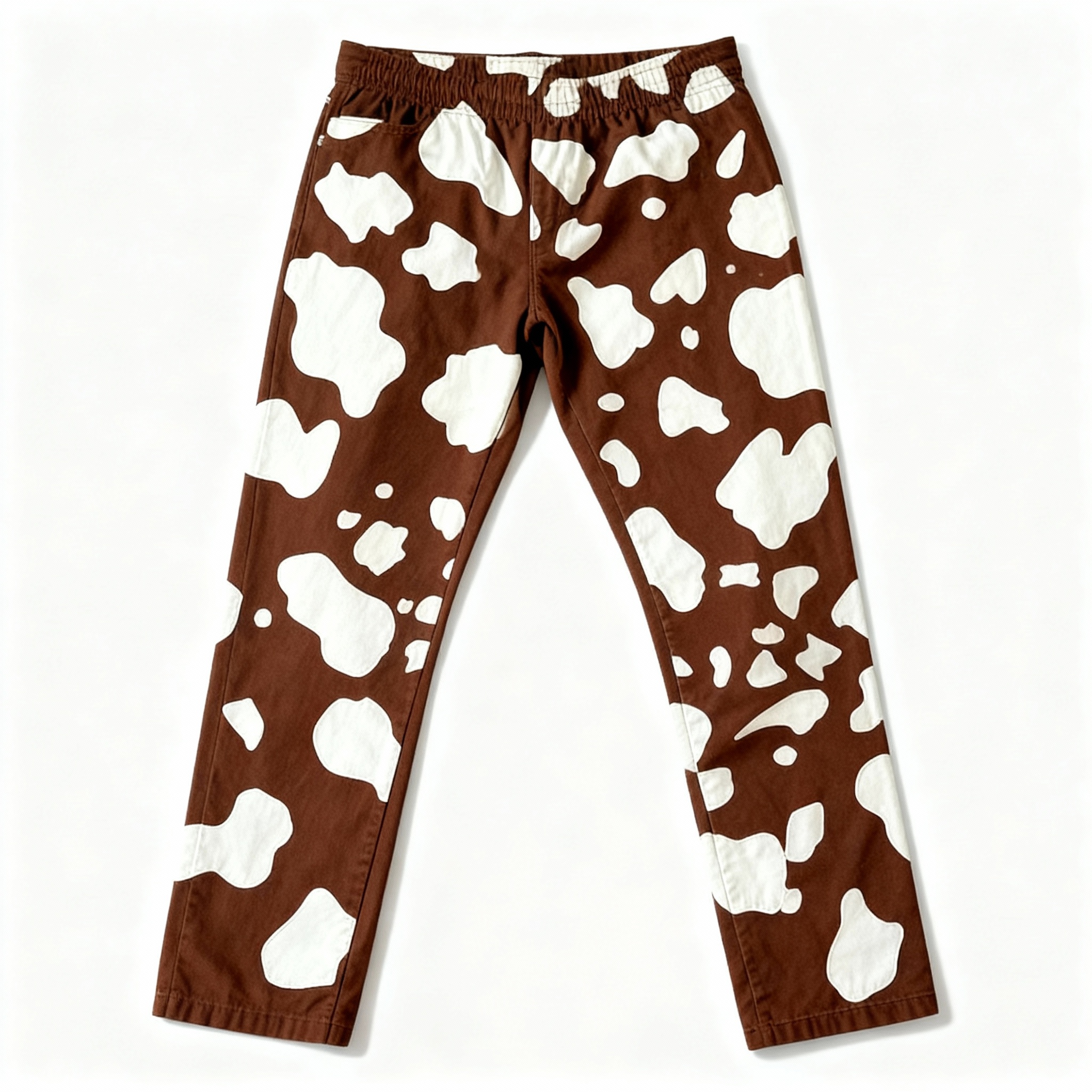
1/3
Pros
- Good lighting and shadows
- Strong pattern matching
Cons
- Pose doesn't match query image input
GPT-Image-1
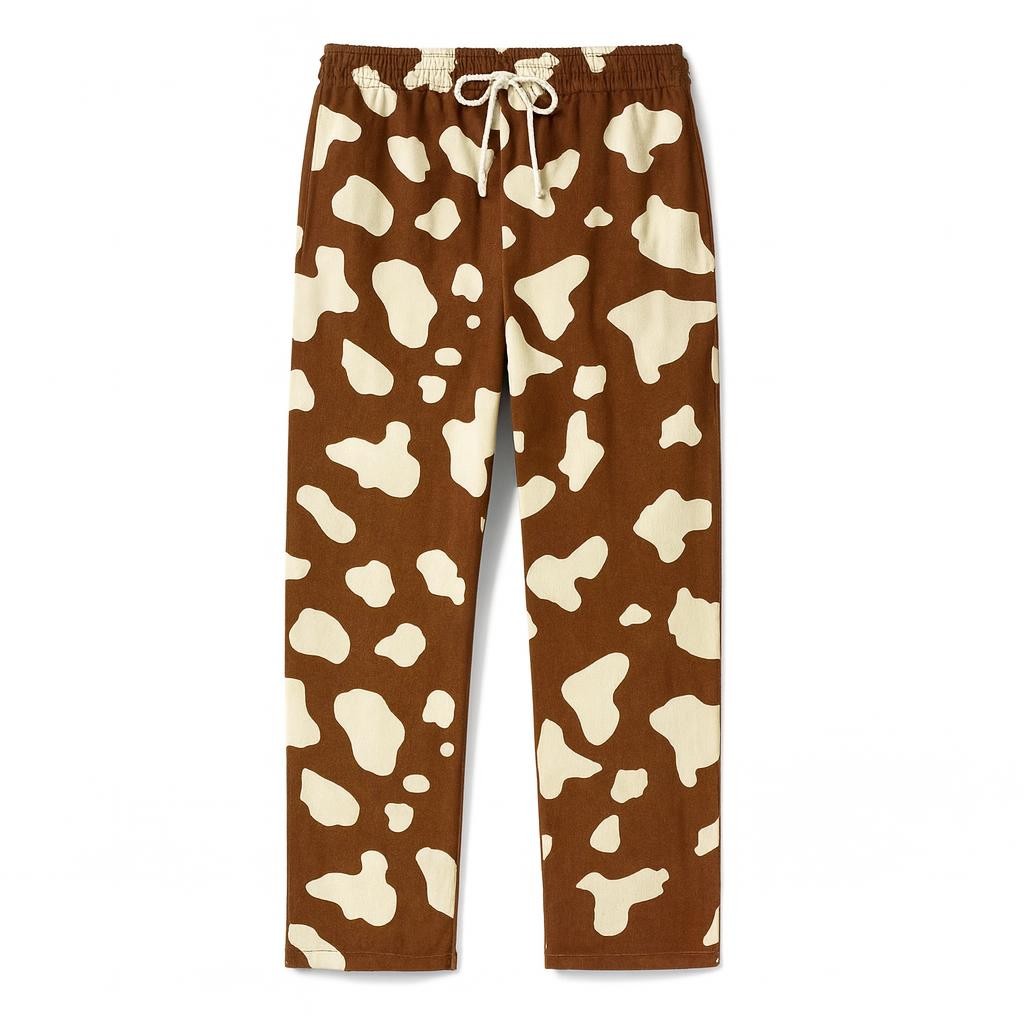
1/3
Pros
- Fair pattern matching
- Strong representation of input image
Cons
- Waist style not matching (hallucinated waistband)
Once again, Nano Banana Pro, Nano Banana excel. Failure modes are interesting to note here, Qwen and Seedream 4 both retain the distinct blotch on the upper left leg yet both hallucinate larger important details like fly or pocket placement.
Small Segment Enhancement
Our third benchmark task targets small, detailed objects that occupy minimal image space—testing brand identity, tiny accessories (e.g., jibbitz shoe charms), and world modeling where parts of the object are not visible in the input.
Input Image
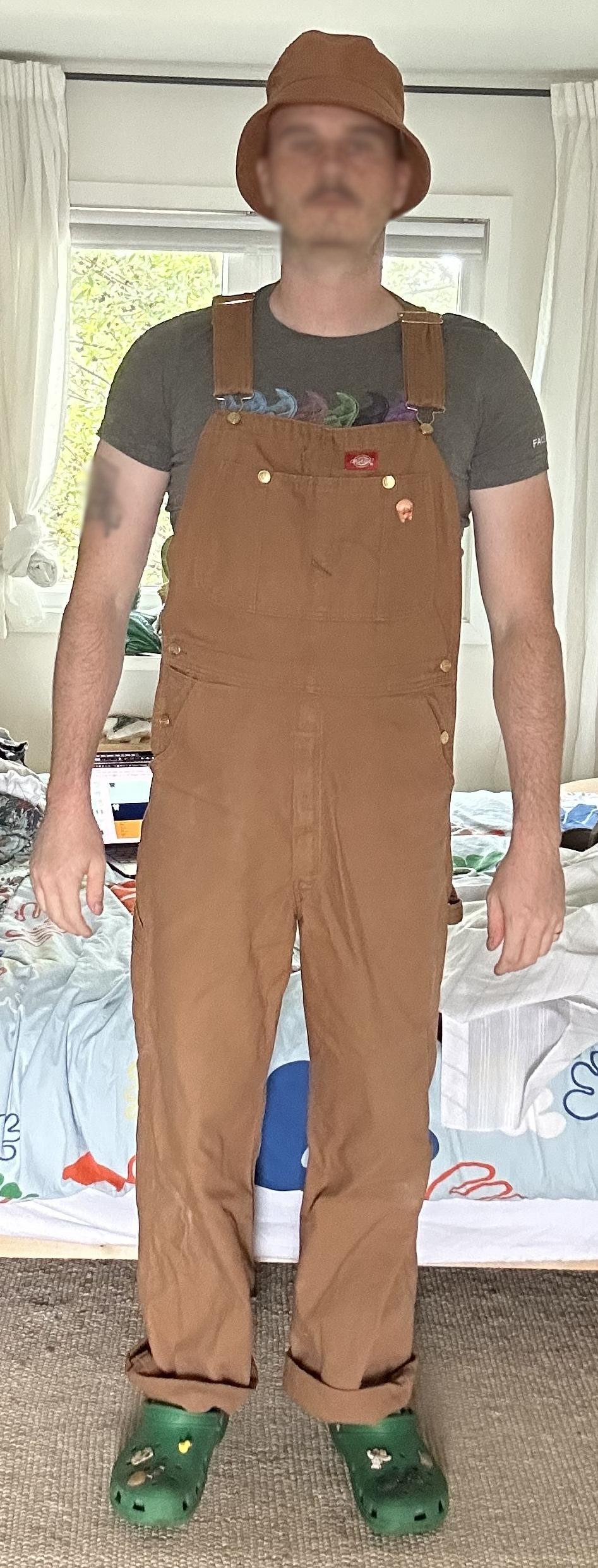
Query Image
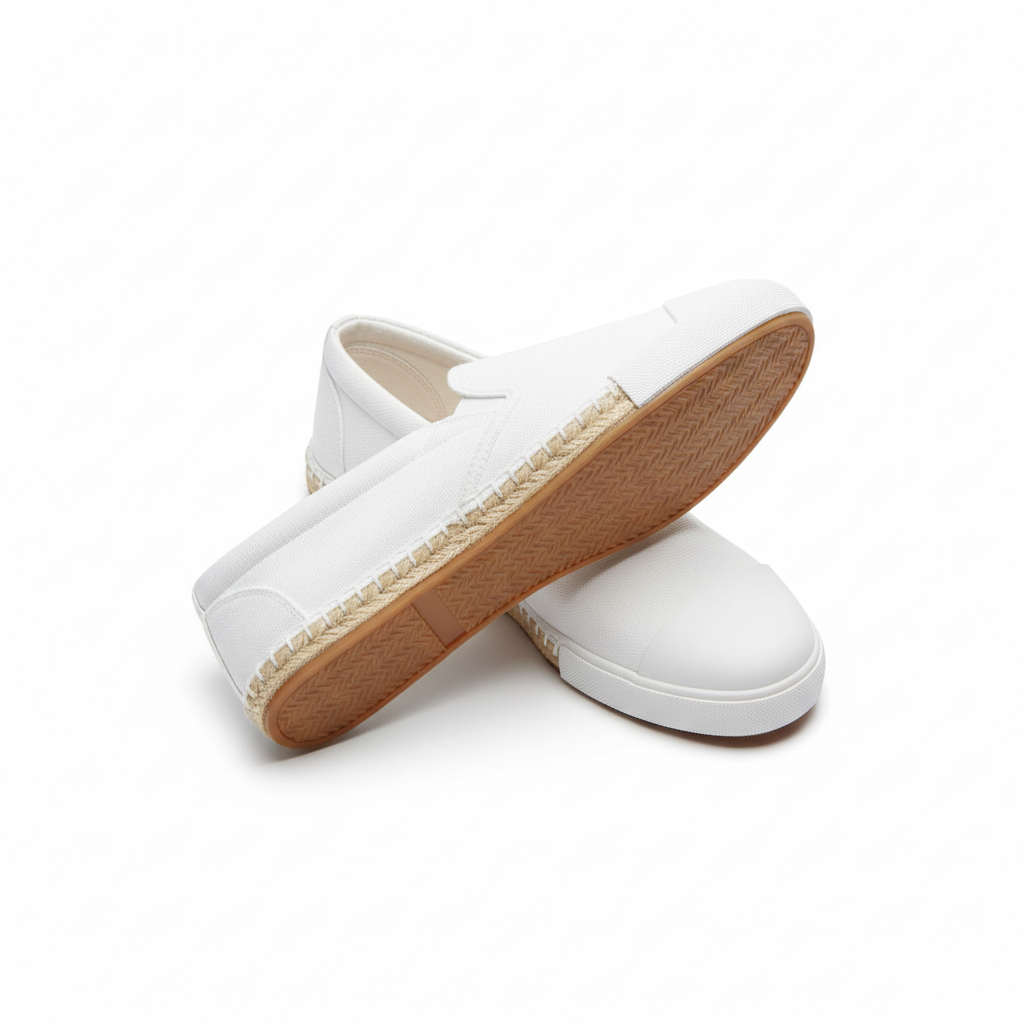
Prompt
Using the shoes in the outfit image, render them in the layout, pose, and background of the query image. Preserve all visible text, graphics, and patterns from the outfit image. Keep all structural cues from the query image unchanged.
Nano Banana Pro
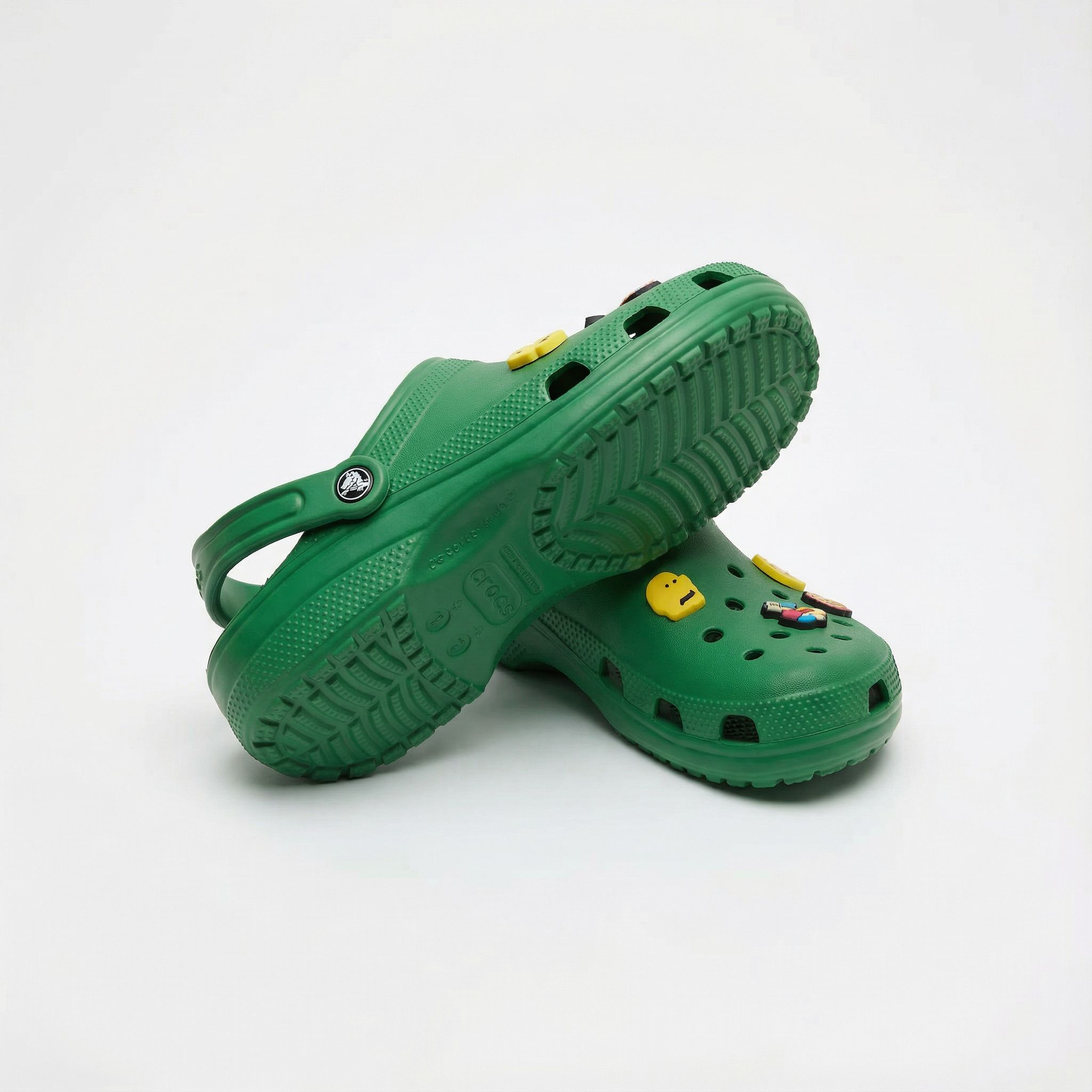
1/3
Pros
- Fantastic detail enhancement, brand logo displayed despite not being visible
- Fair jibbitz (shoe charm) reconstruction
- Strong pose matching
- Incredible display of world knowledge—accurate under-shoe details despite being invisible
Cons
- Minor sole over-sharpening on one run
Nano Banana
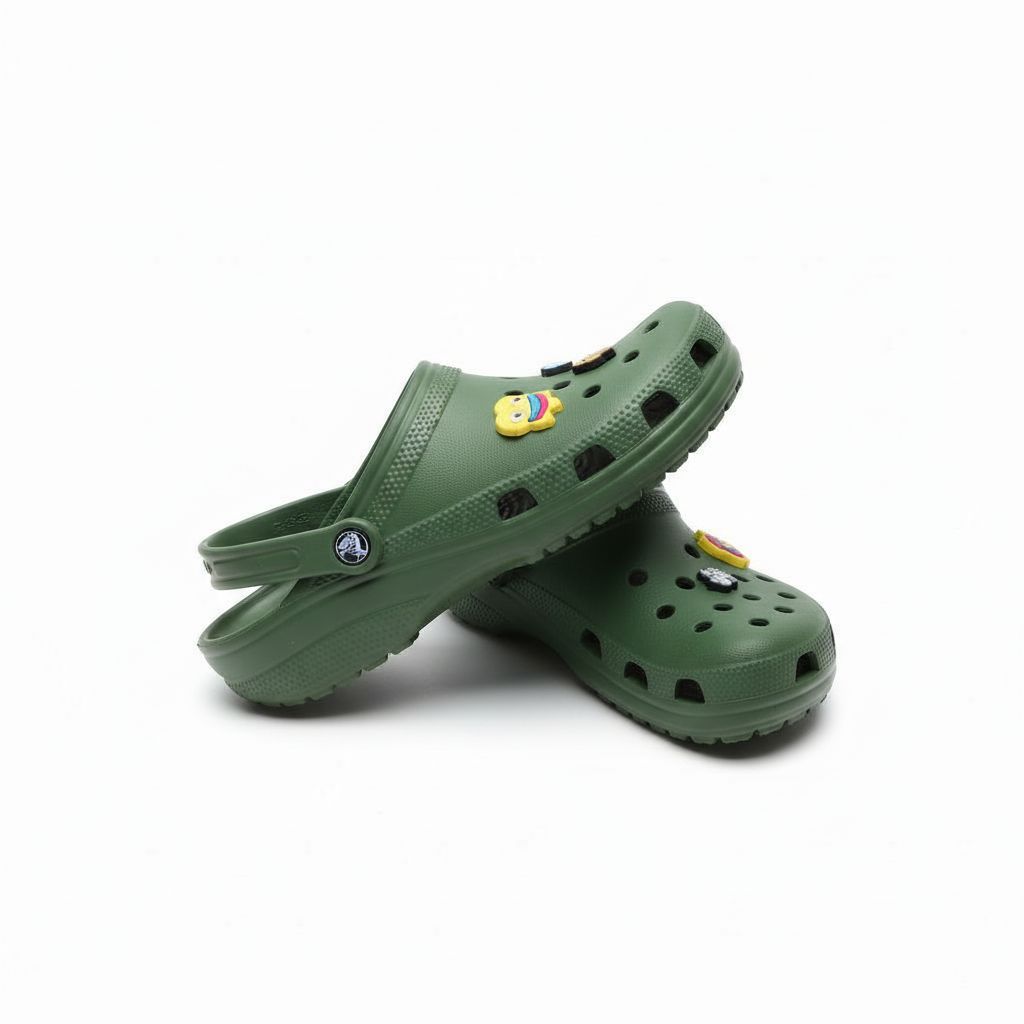
1/3
Pros
- Accurate pose matching
- Fair jibbitz (shoe charm) reconstruction
Cons
- Incorrect under shoe details on one variation
Qwen
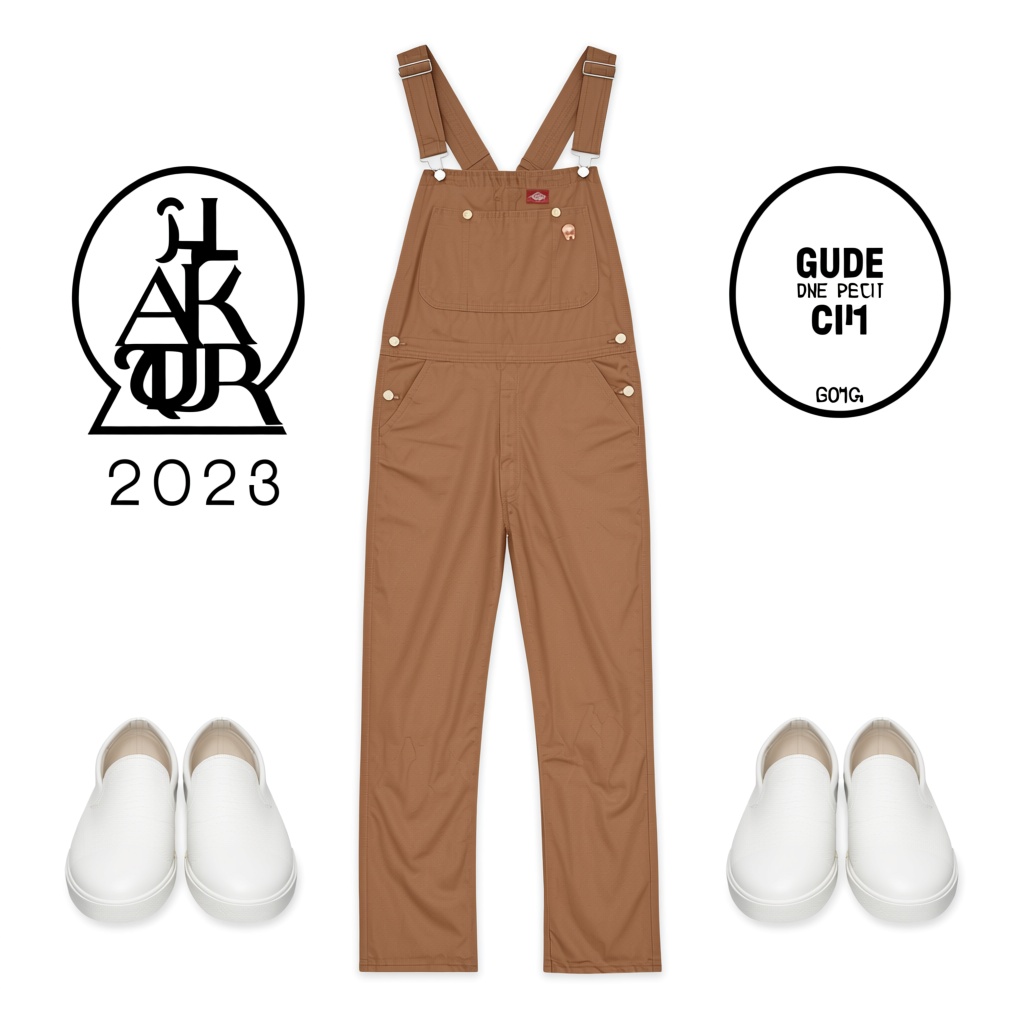
0/3
Cons
- Complete hallucination. Input not visible in output
Seedream 4
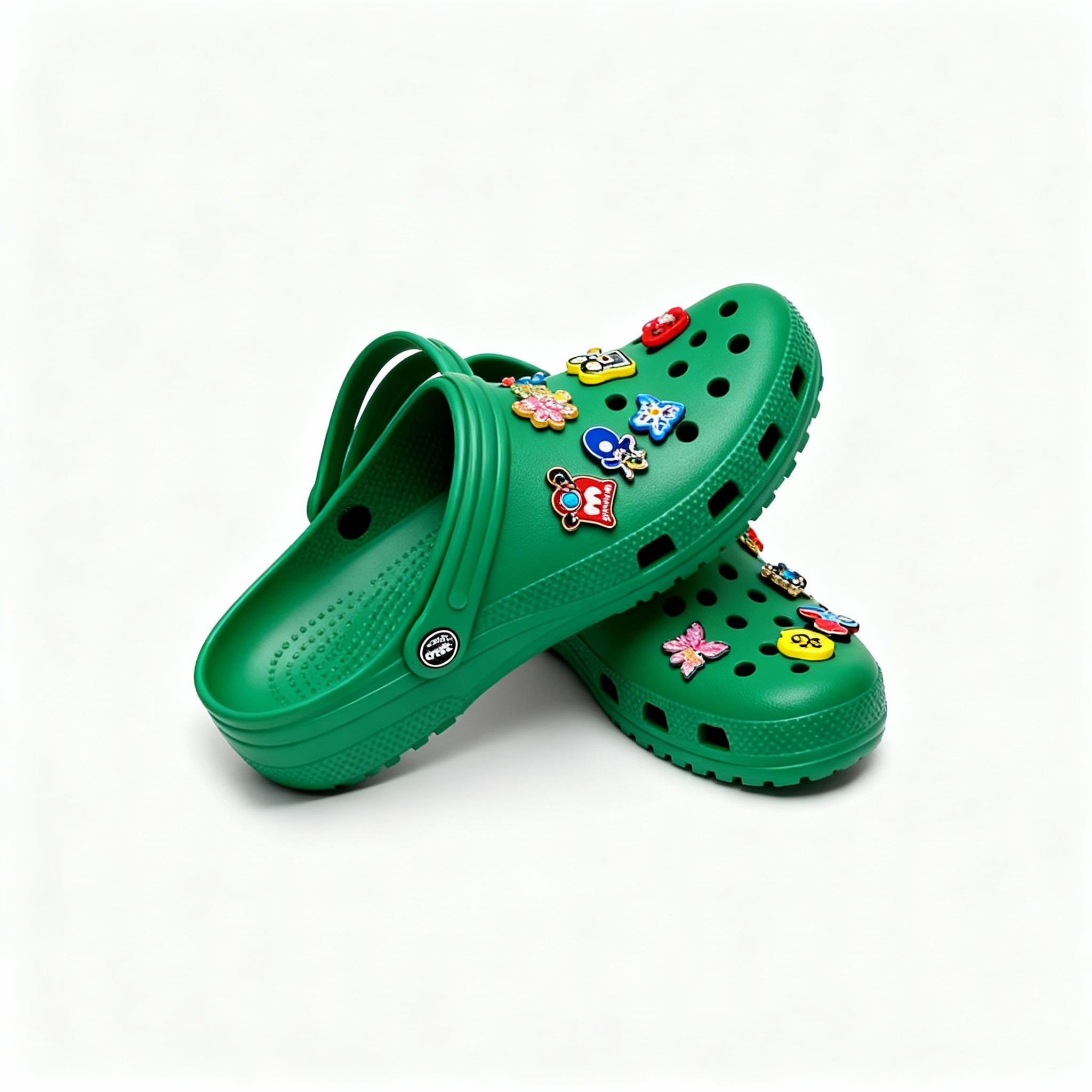
0/3
Pros
- Accurate shoe structure
- Identifiable result.
Cons
- "Sport mode" strap hallucination
- Inaccurate pose
GPT-Image-1
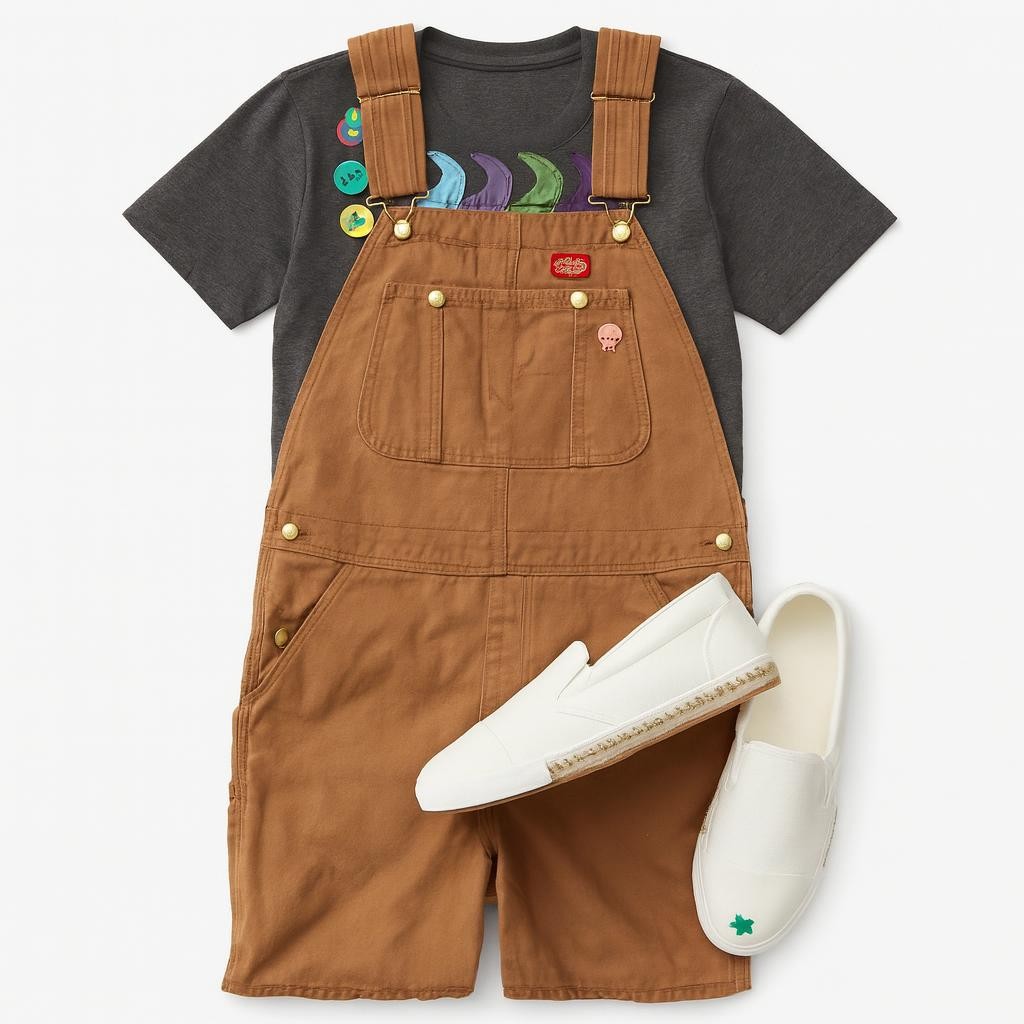
0/3
Cons
- Complete hallucination. Input not visible in output
This task is quite challenging. We're testing the model on some zero-shot elements by looking for the crocs sole in the output. It's remarkable how strong the passing output of Nano Banana Pro is. Not only does it get the texture of the bottom of the shoes right, but both the logo and size placement. It's worth noting too that its other failure modes are due to query misalignment rather than any sort of hallucination (as is the case with all other outputs).
Multi Image Reconstruction
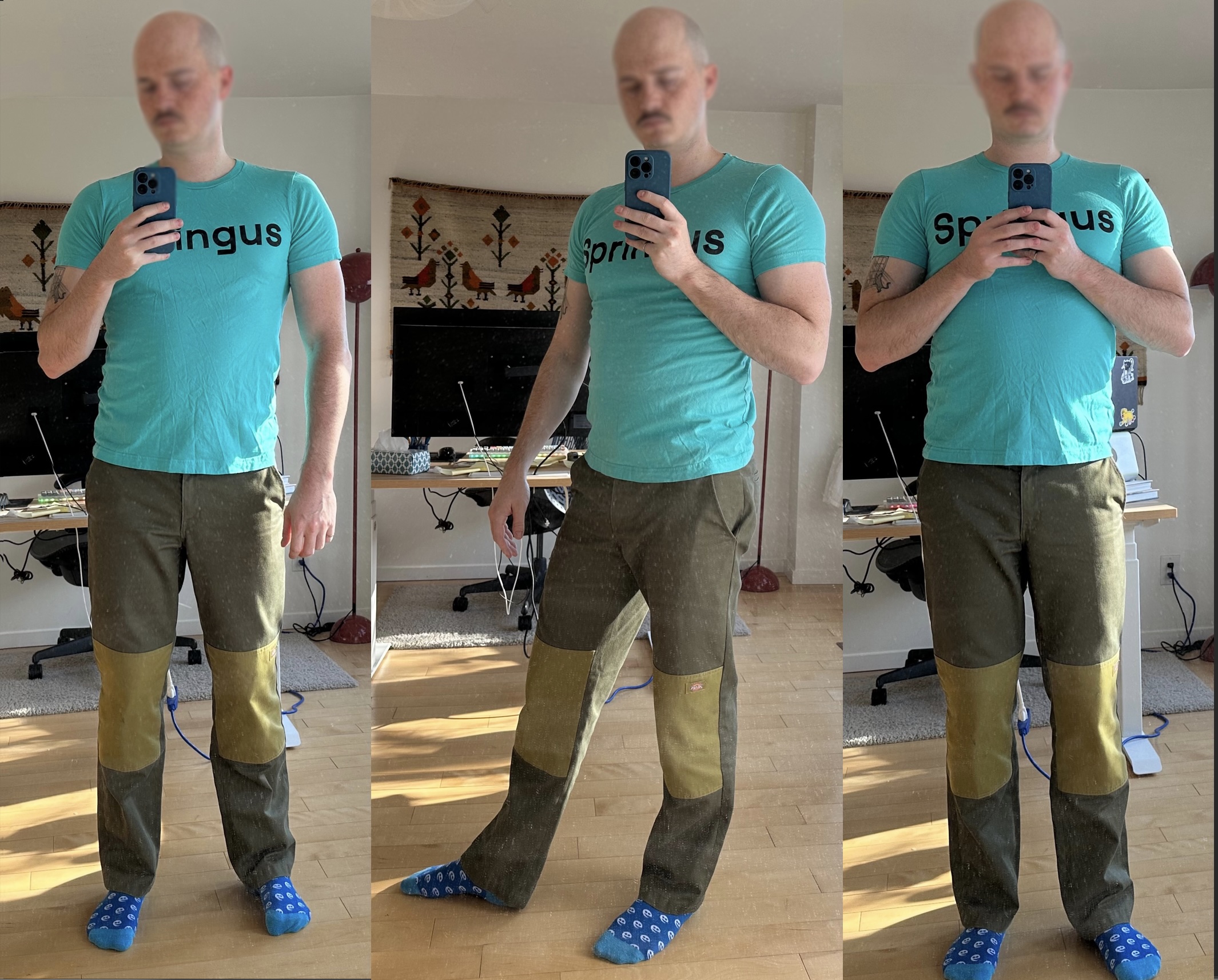
Our fourth benchmark task tests few-shot inference across multiple inputs, preserving consistency across them. This is the only few-shot example in this benchmark.
Input Image 1
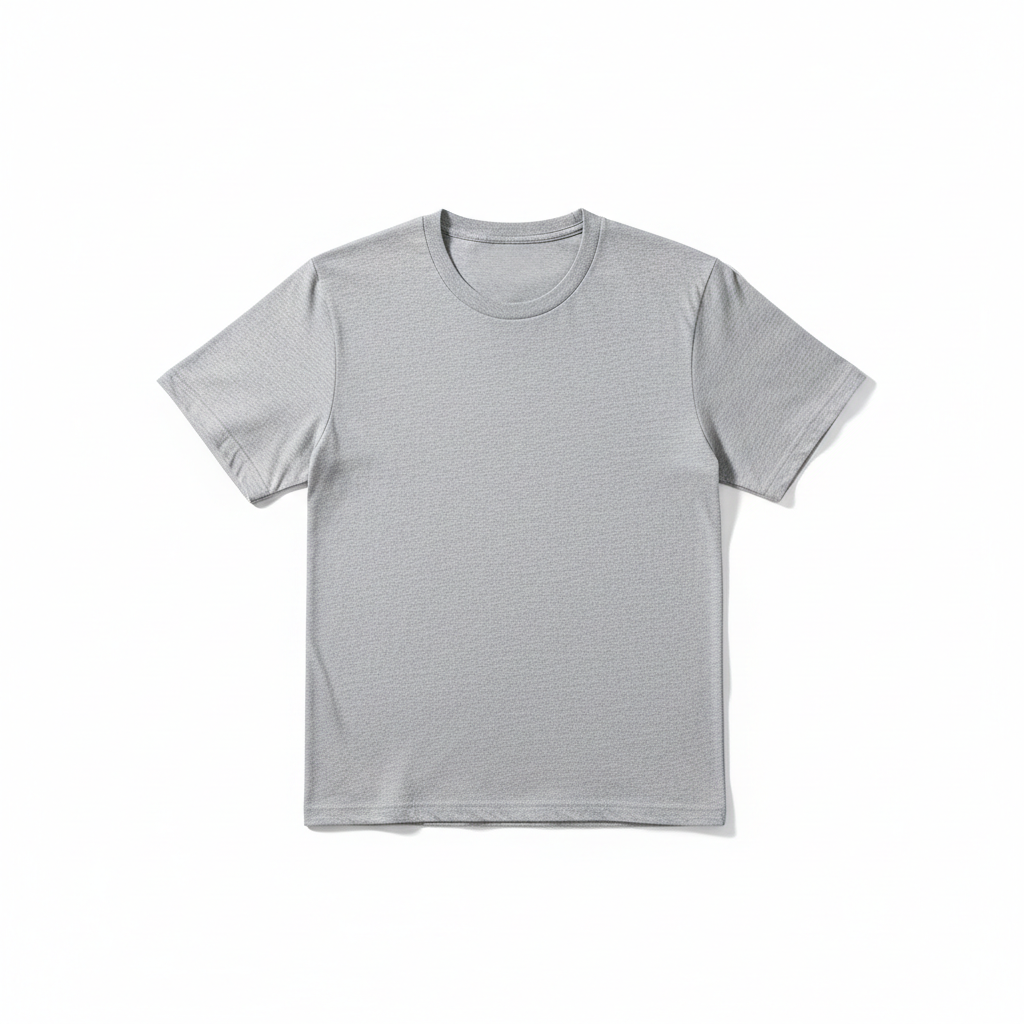
Query Image
Prompt
Using the t-shirts from the input outfit images, render them in the layout, pose, and background of the query image. Preserve all visible text, graphics, and patterns from the outfit images. Keep all structural cues from the query image unchanged.
Nano Banana Pro
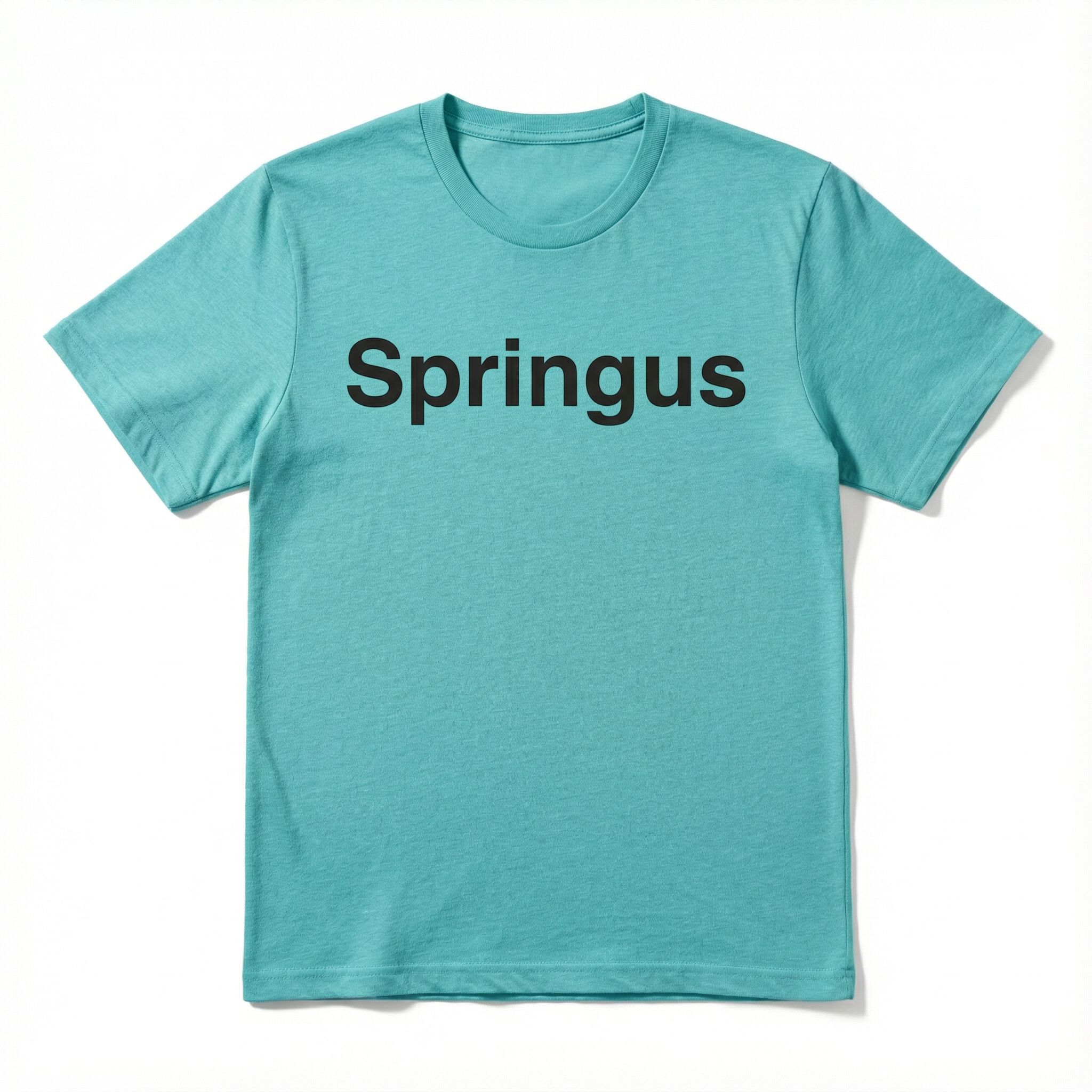
1/3
Pros
- Accurate and consistent colour matching
- Consistent text spacing
Cons
- Inconsistent text reconstruction between inputs
- Inconsistent shirt size across runs
Nano Banana
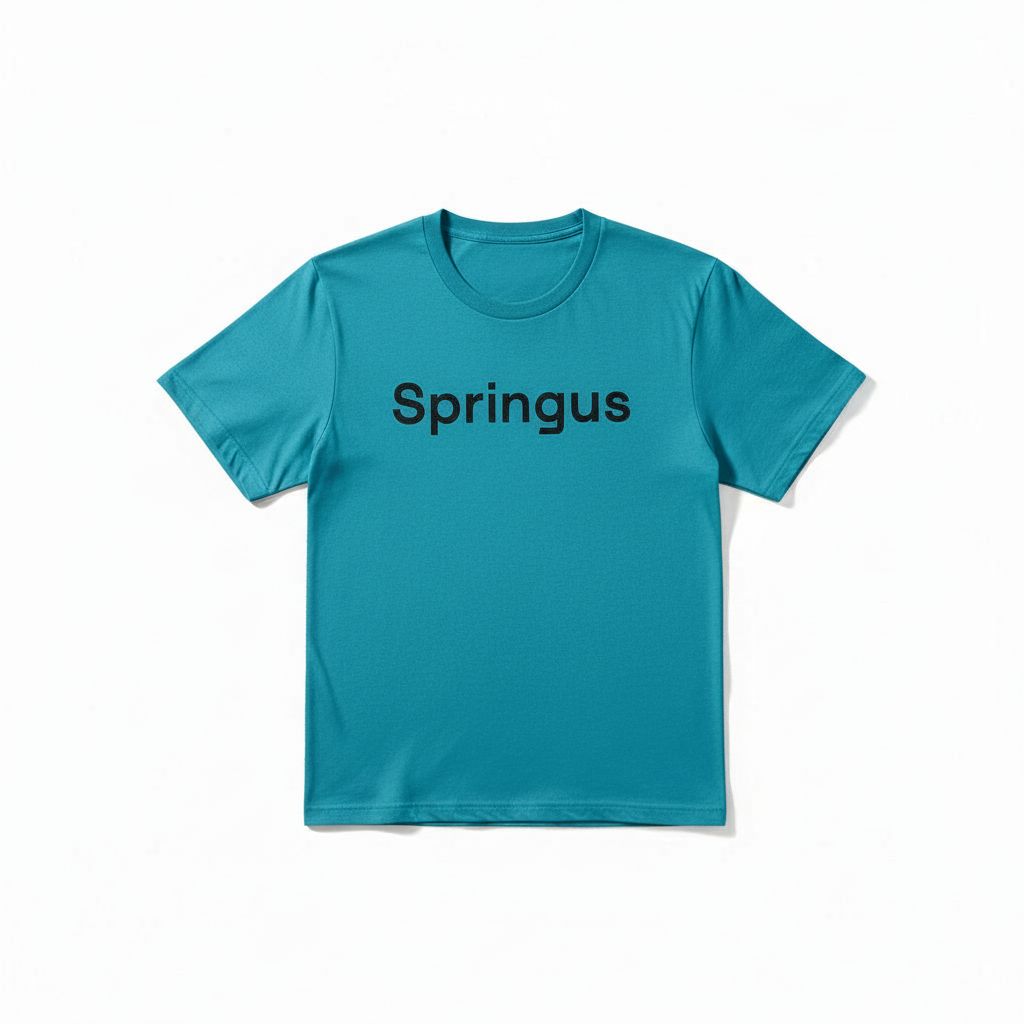
1/3
Pros
- Consistent matching query image sizing and pose
- Failure cases are less visibly jarring
Cons
- Inconsistent coloring on one attempt
Qwen
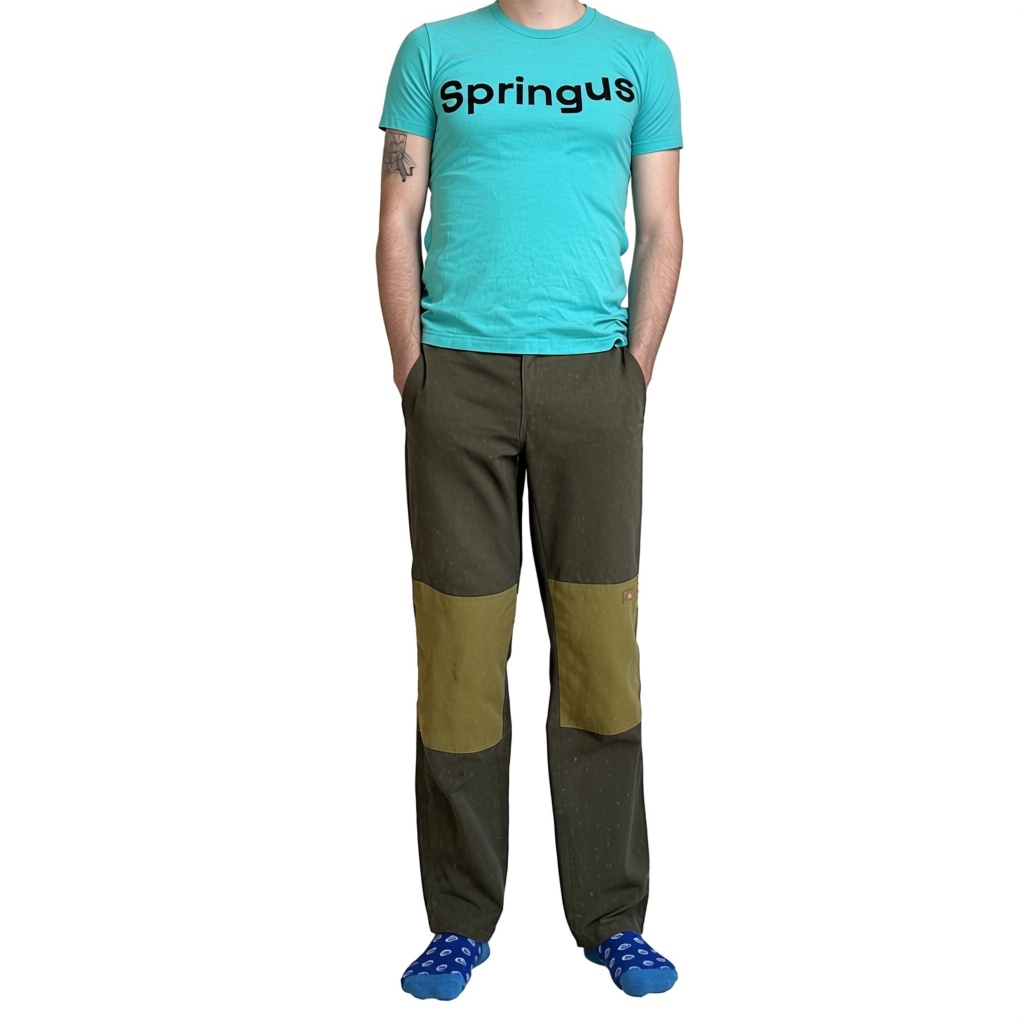
0/3
Pros
- Incredibly consistent text reconstruction
Cons
- Core prompt alignment
Seedream 4
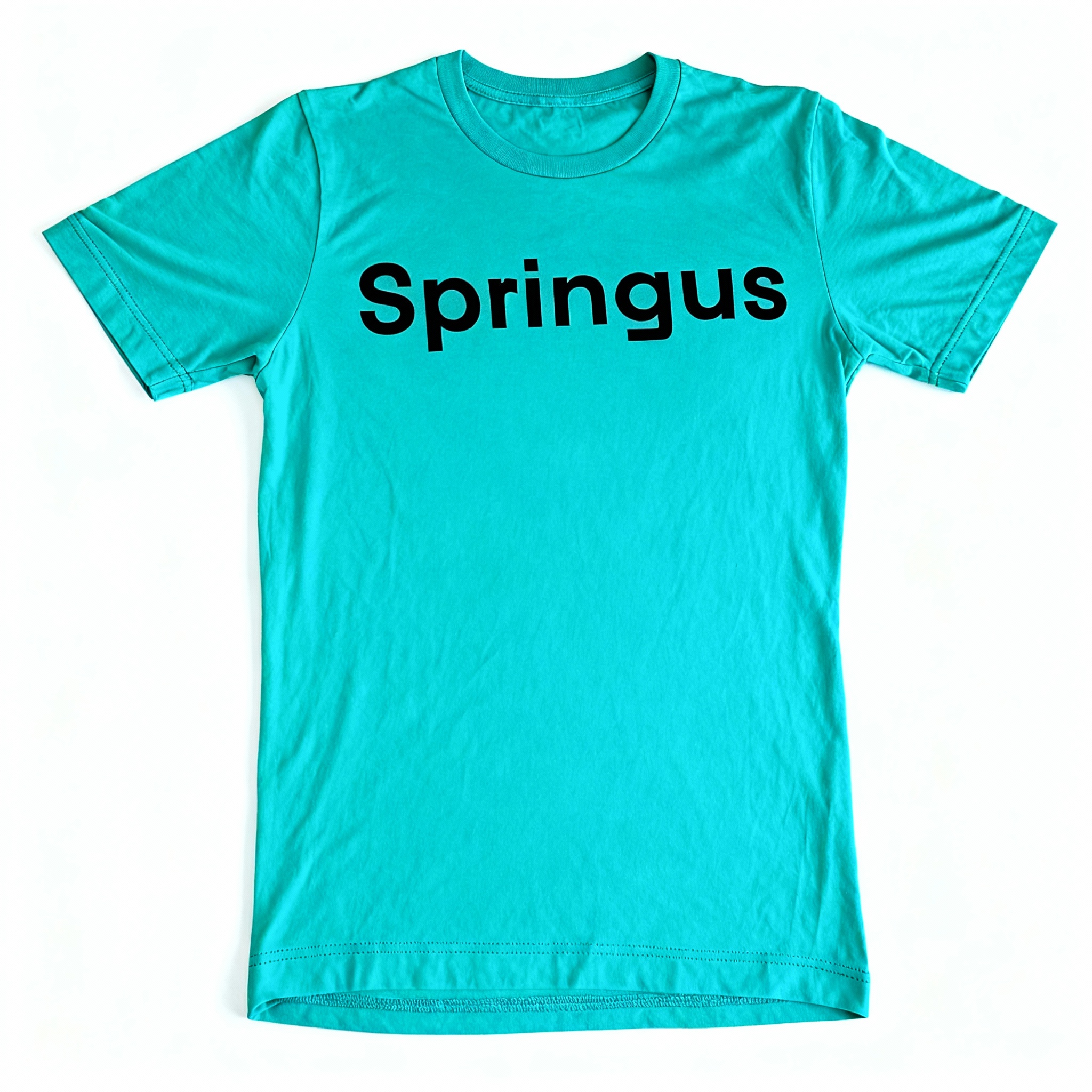
1/3
Pros
- Incredibly consistent text reconstruction
Cons
- Poor prompt alignment
- Hallucinations of shirt damage
GPT-Image-1
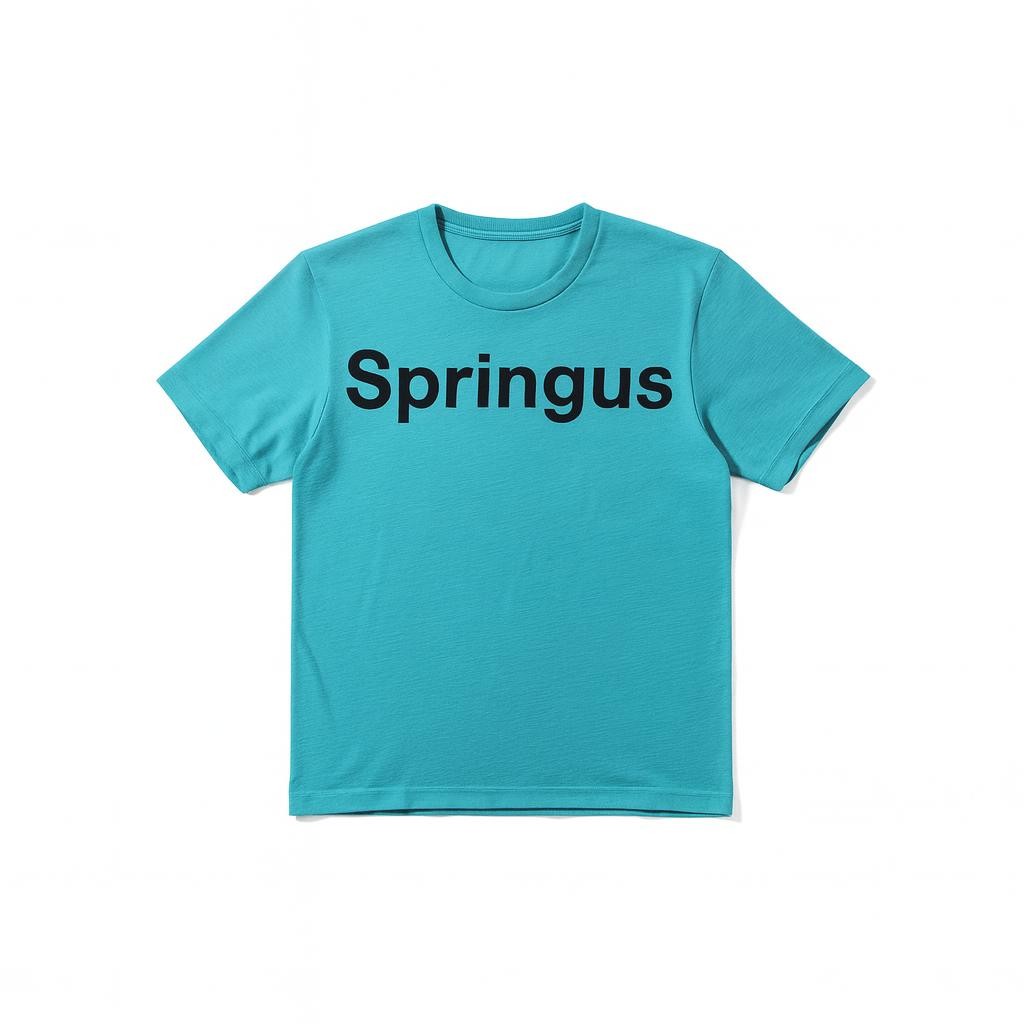
3/3
Pros
- Incredibly consistent text reconstruction
- Consistent sizing
- Consistent font
This task shows a major shortcoming of the Nano Banana family. Text reconstruction given multiple angles seems like a relatively easy task for the models, but the Nano Banana family fails to do so. This hints they might struggle with tasks that benefit from few-shot reasoning. More testing is needed to confirm this.
Controlled Variables
Our benchmark ensures fair comparison across all models:
- Same prompt across all models (minimal mechanical adjustments)
- Best of 3 generations — we generate 3 outputs per model and show the best result
- Same resolution (1024×1024)
- Same format JPEG at max quality (no additional compression)
- Same aspect ratio (square)
- Same test images for fair comparison
References & Acknowledgments
This benchmark builds on the excellent work by Shaun Pedicini in the original GenAI Image Editing Showdown, summarized by Simon Willison.
Model providers: - ByteDance (Seedream 4) - Google (Gemini 2.5 Flash) - Qwen Team (Qwen-Image-Edit-Plus) - Black Forest Labs (FLUX.1 Kontext) - OmniGen Community - OpenAI (GPT-Image-1)
Platform: Replicate for unified model access