I was in the market for one of those Classroom Friendly pencil sharpeners that everyone's raving about, but was put off by the bite marks it left in the finish of the pencil, which for me would kind of ruin the experience. I was impressed by the reviews, though, and so I dug deeper and found that it's also known as the Carl A-5.
If one Carl sharpener could be so good, why hadn't I heard of any others?
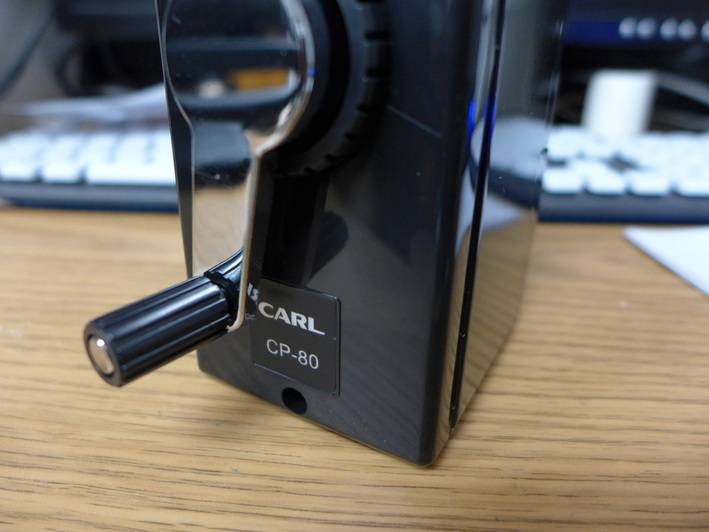
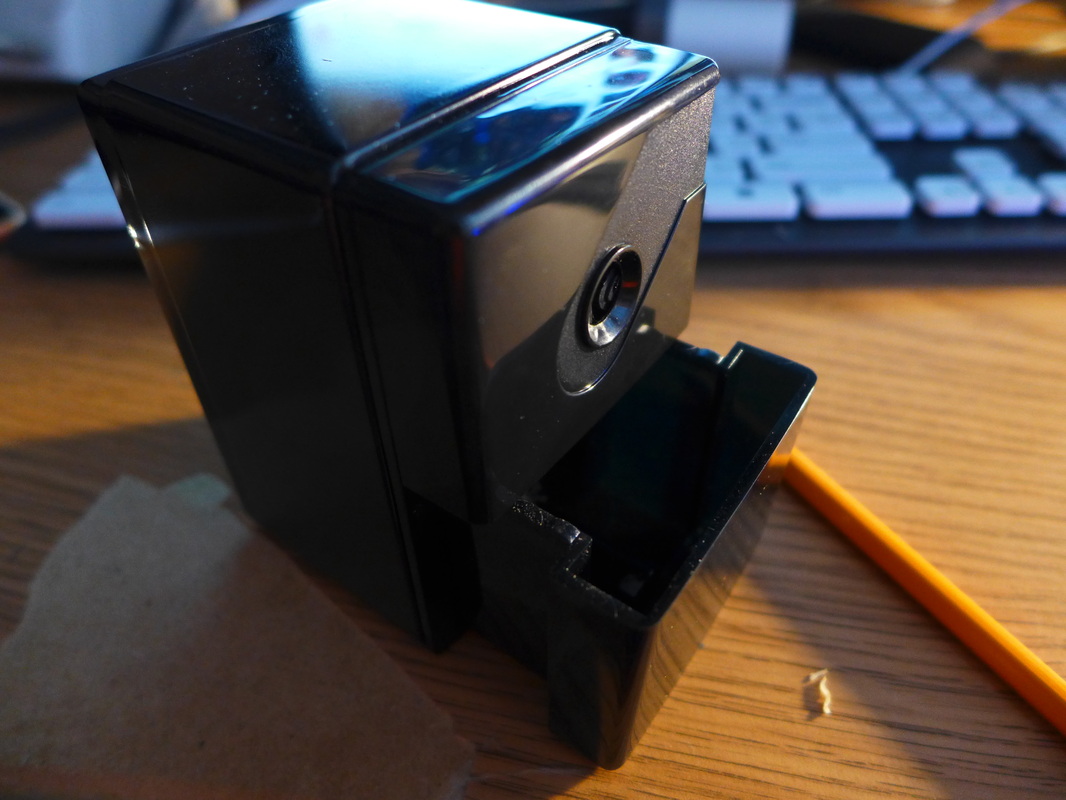
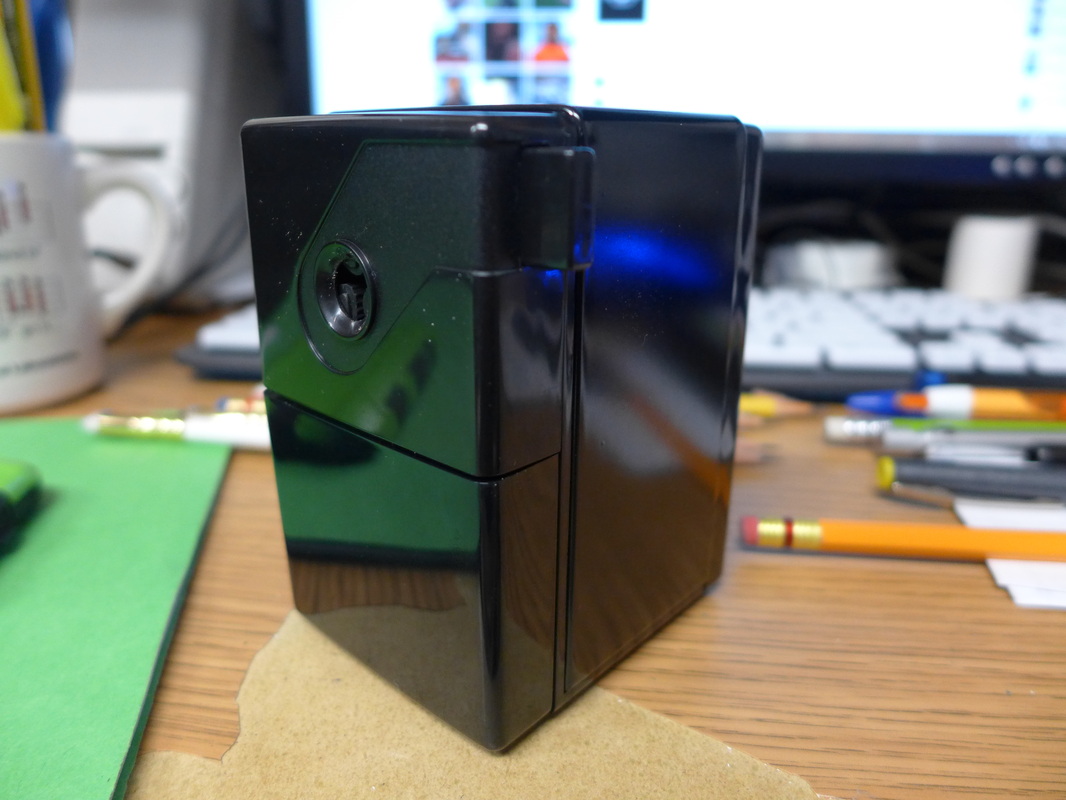
So I went out on a limb and picked up this Carl CP-80 sharpener, which is basically a mini Classroom Friendly. It's about 3.75" tall, 2.25" wide and 2.875" deep, making it pretty compact.
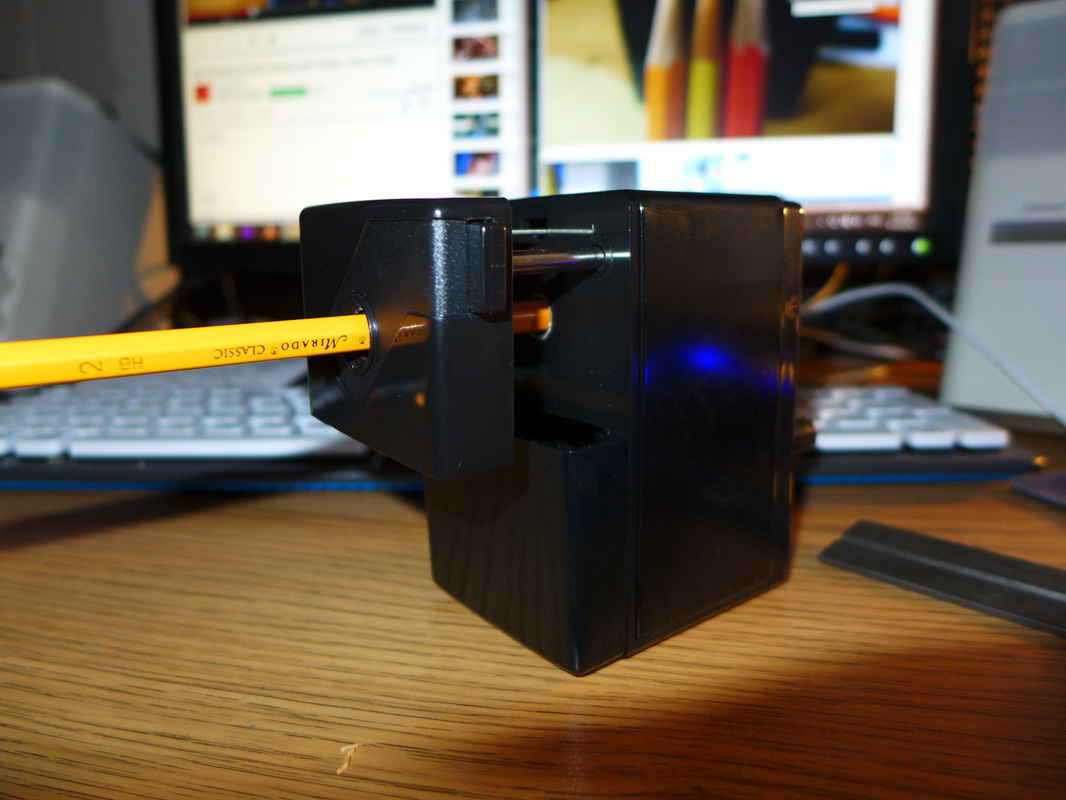
What sold me on this one, apart from the fact that it's a whole $10 cheaper (at $14.50 on Amazon), is that the grip holding the pencil in place is a 3-point rubber clutch. It holds the pencil in just as well, yet doesn't mar the finish one bit!
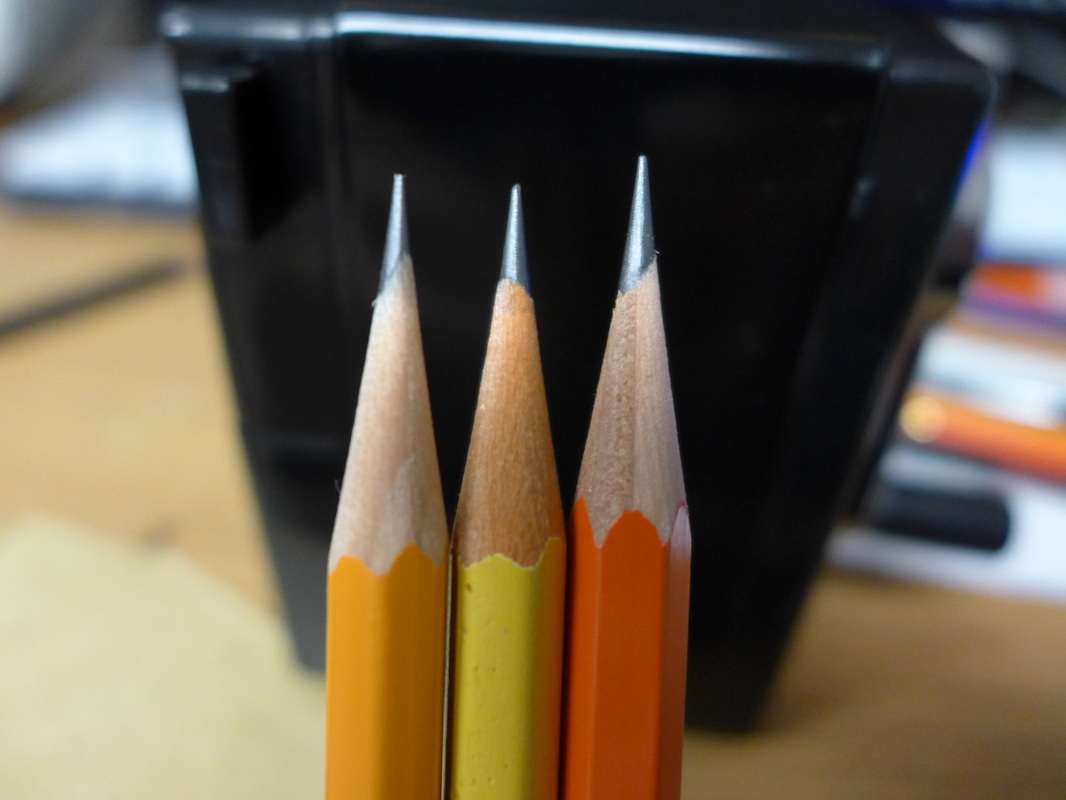
The point is just as wicked as the Classroom Friendly, as the inner mechanism is the same single-burr hand-crank that we've come to know and love.
An excellent sharpener that I heartily recommend!

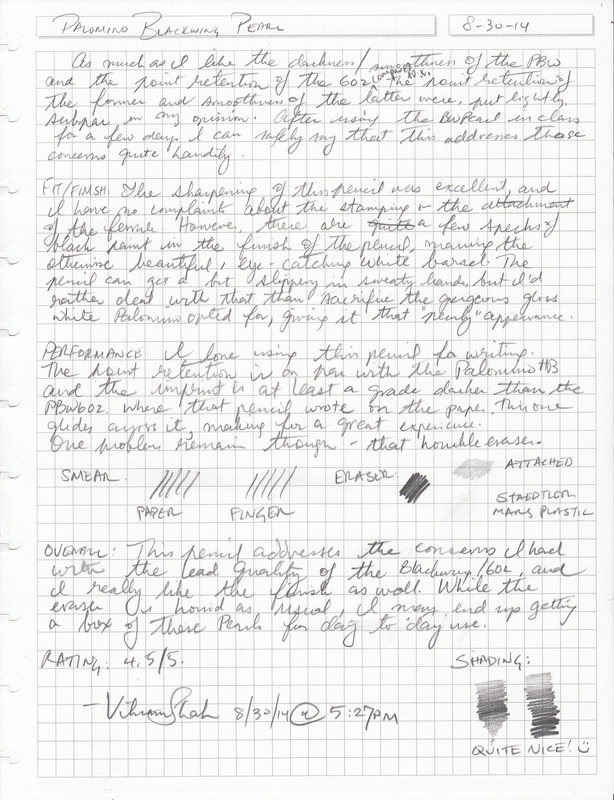
As much as I like the darkness/density of the Palomino Blackwing (henceforth PBW) and the point retention of the Palomino Blackwing 602 (henceforth PBW602) (at least, compared to the PBW), the point retention of the former and smoothness of the latter were, put lightly, sub-par for the price. After using the Palomino Blackwing Pearl in class for a few days, I can safely say that it addresses these concerns quite handily.
hi-res images here: https://flic.kr/ps/UQ3rx
|
|
|
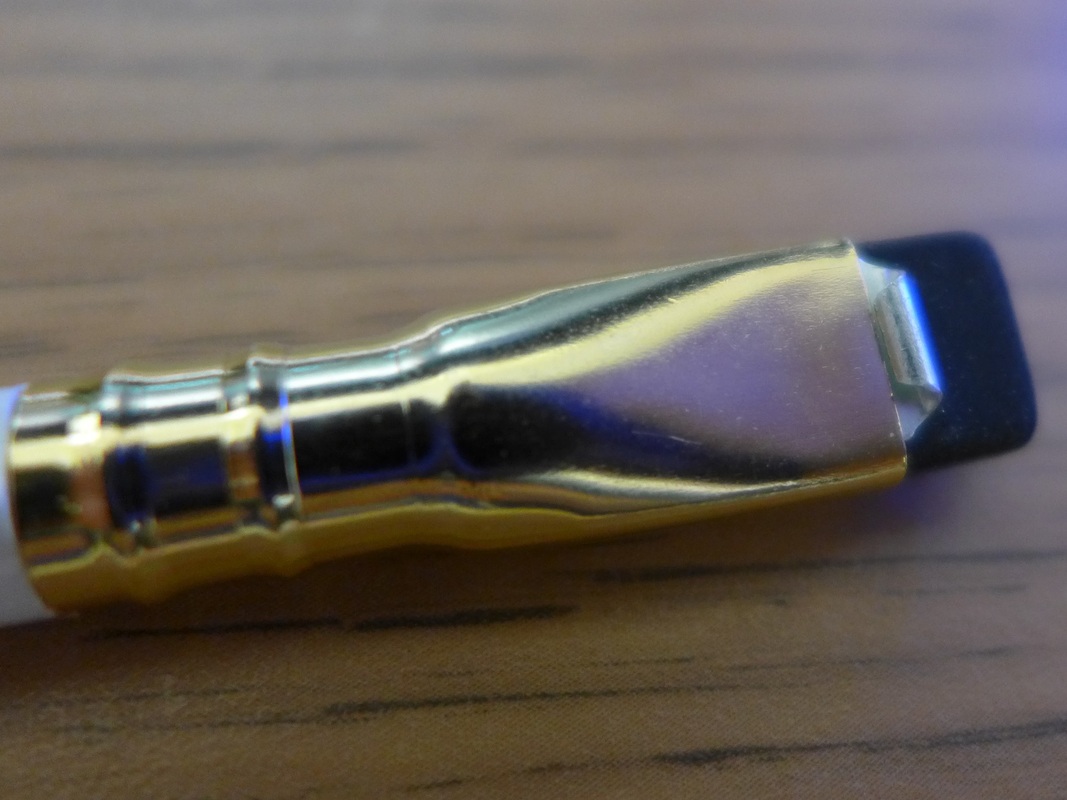
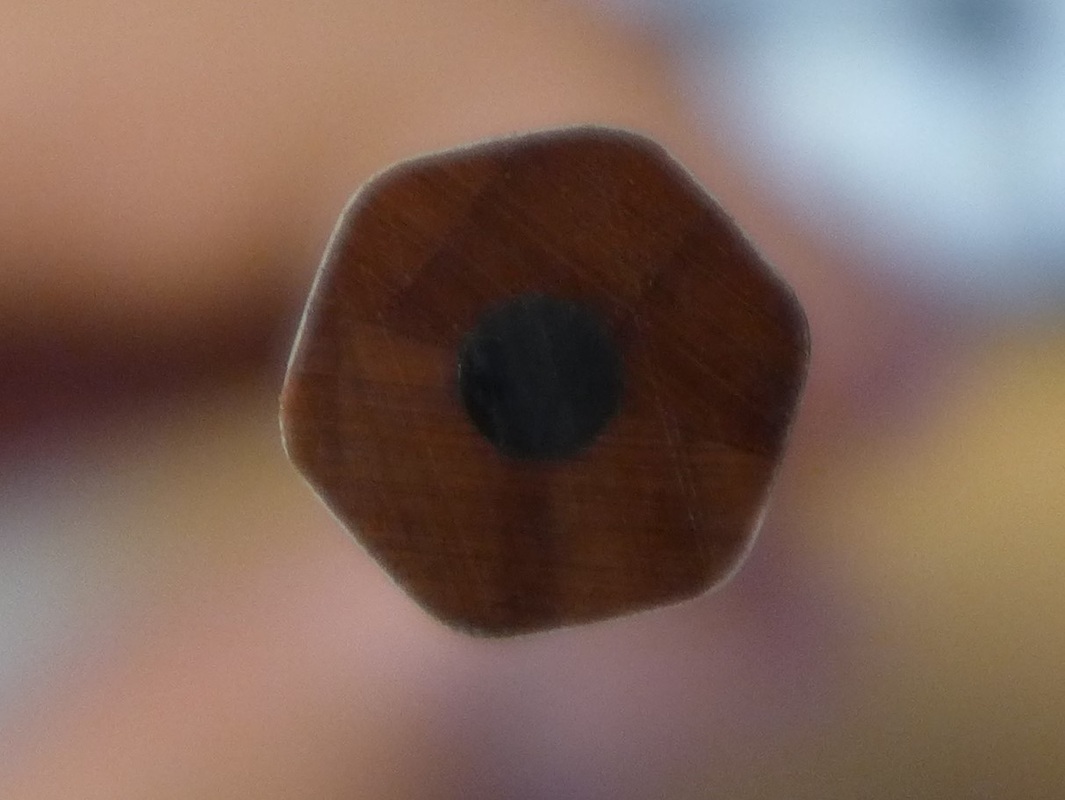
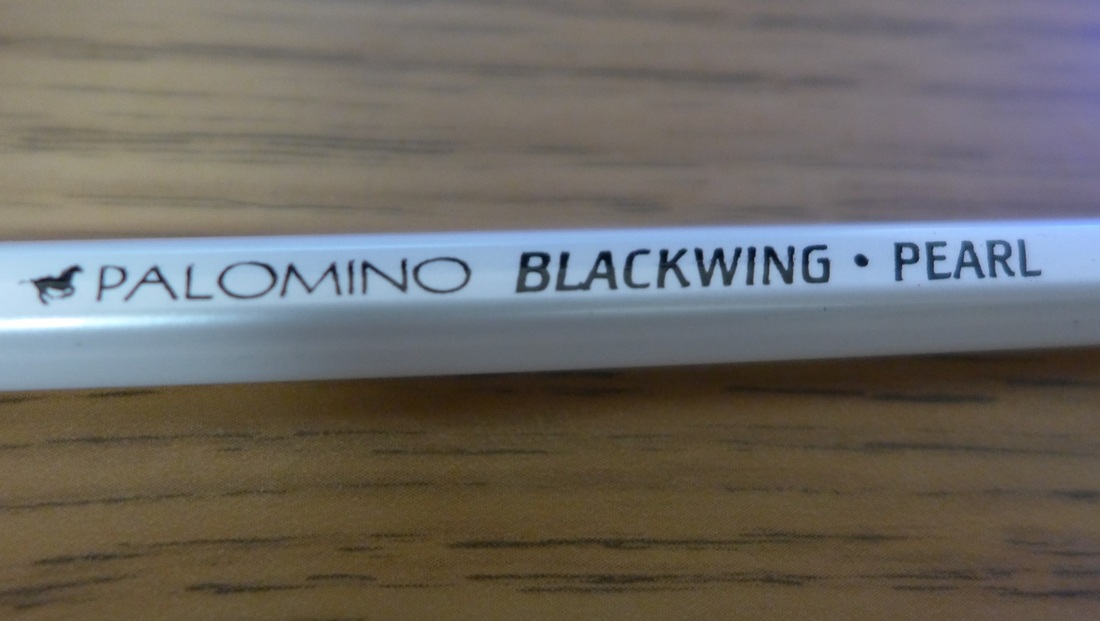
Fit/Finish: The sharpening of this pencil was excellent, and I have no complaints about the stamping or the attachment of the ferrule. However, there are a few specs of black paint in the finish of the pencil, marring the otherwise beautiful, eye-catching white barrel. The Pearl can get a bit slippery in sweaty hands, but I'd rather deal with that than sacrifice the gorgeous gloss white Palomino opted for, giving the Pearl its namesake appearance.
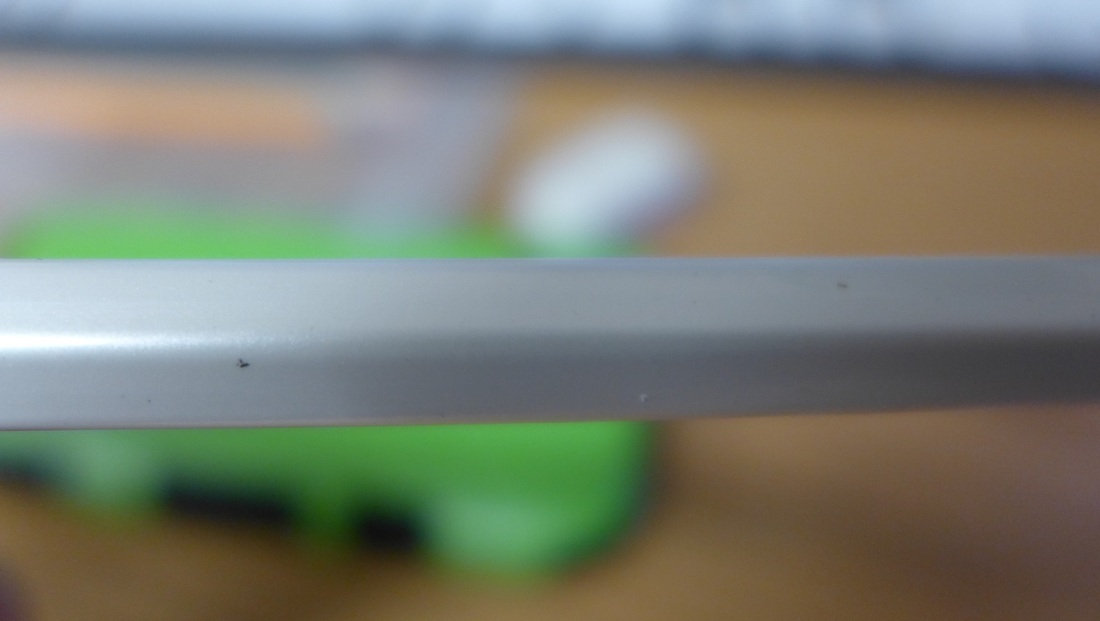
Black paint specks visible here
Performance: I love using this pencil for writing. The point retention is on par with the Palomino HB, and the imprint is at least a grade darker than the PBW602. Where that pencil wrote on the paper, the Pearl glides across it, making for a great experience. Shading is also great, for those sketchers out there. One problem remains though - that horrible eraser.

|
before writing review - sharpened with Kum double-hole sharpener |
after writing review |
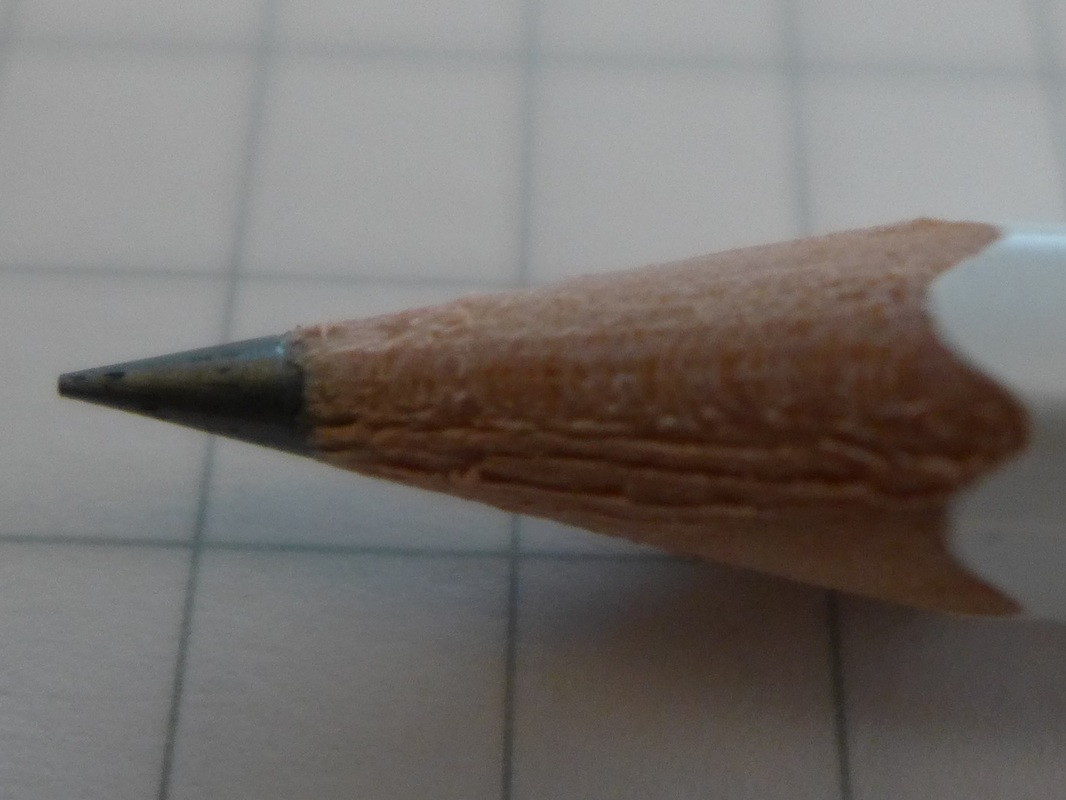
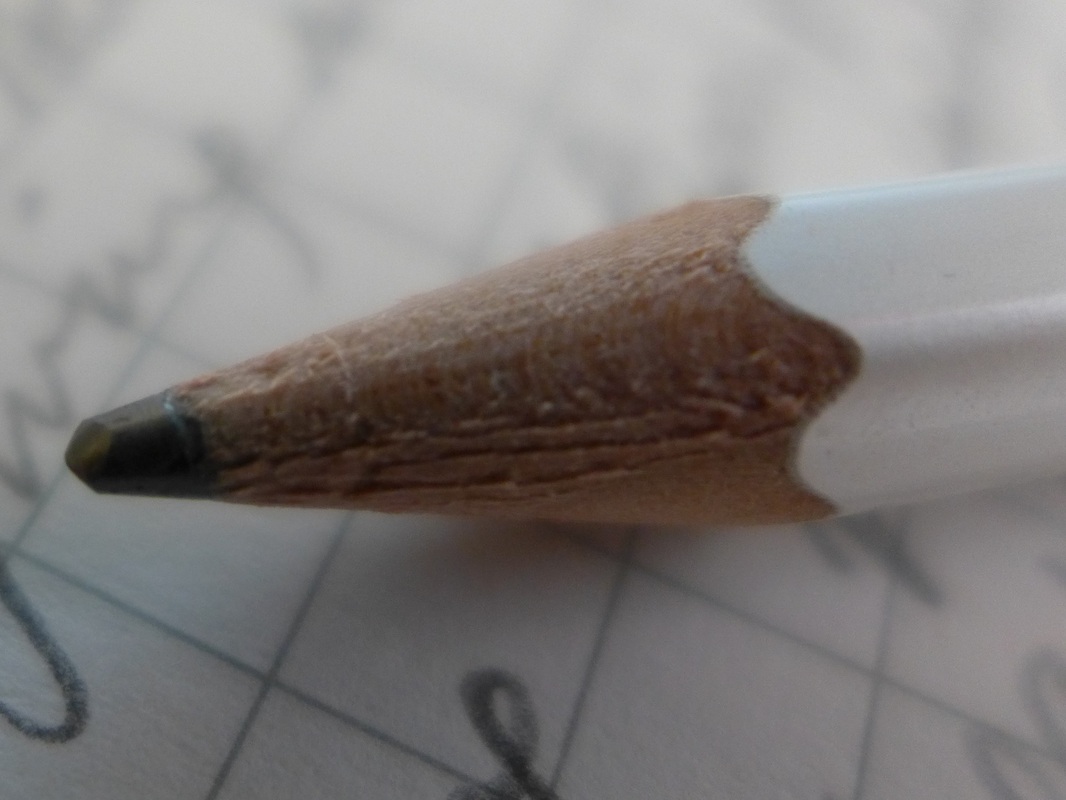
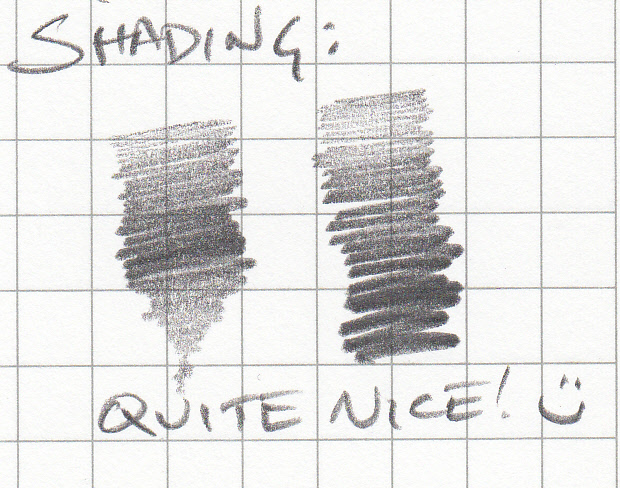
Overall: This pencil is really the best of both worlds when it comes to writing, compared to its predecessors. The Pearl also has my favorite finish of the three, and with the white eraser swapped out for the original black one, I think it may be the best-looking pencil I own. I may just end up getting a box of these, for general day-to-day writing, and while the other two Palomino Blackwings did not impress me much, the Pearl definitely does.

I love the way this pencil looks with the matching white eraser.
Rating: 4.5/5


|
|
|
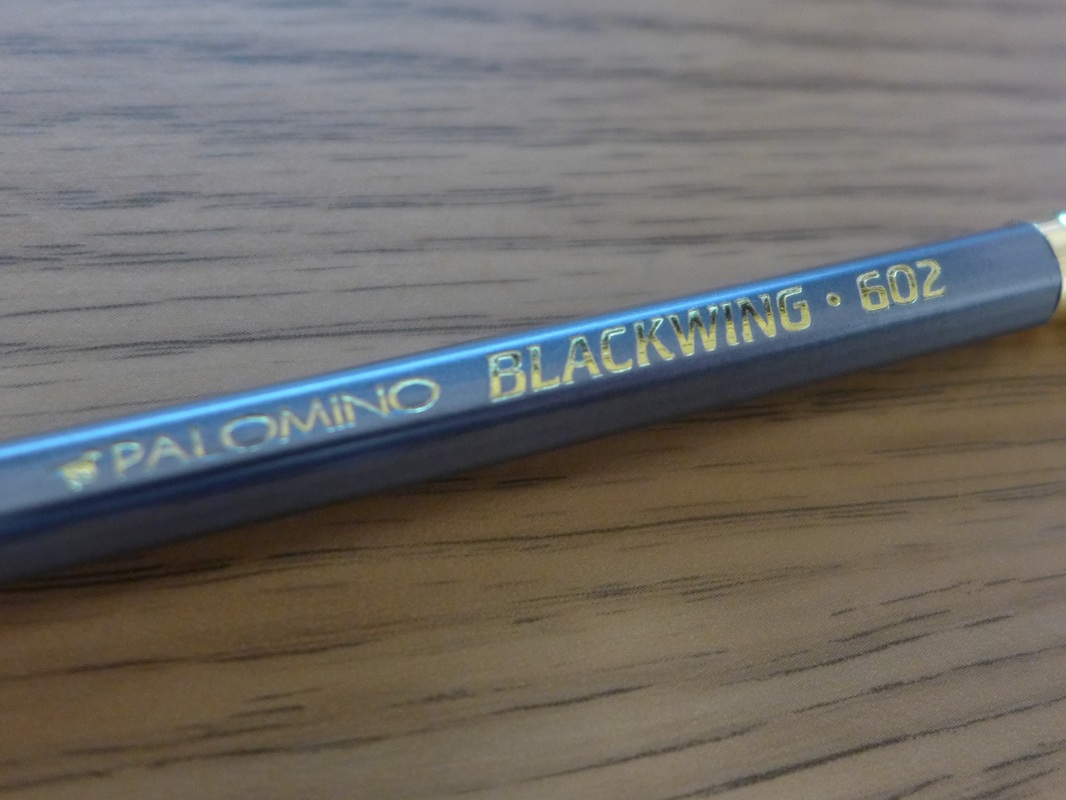
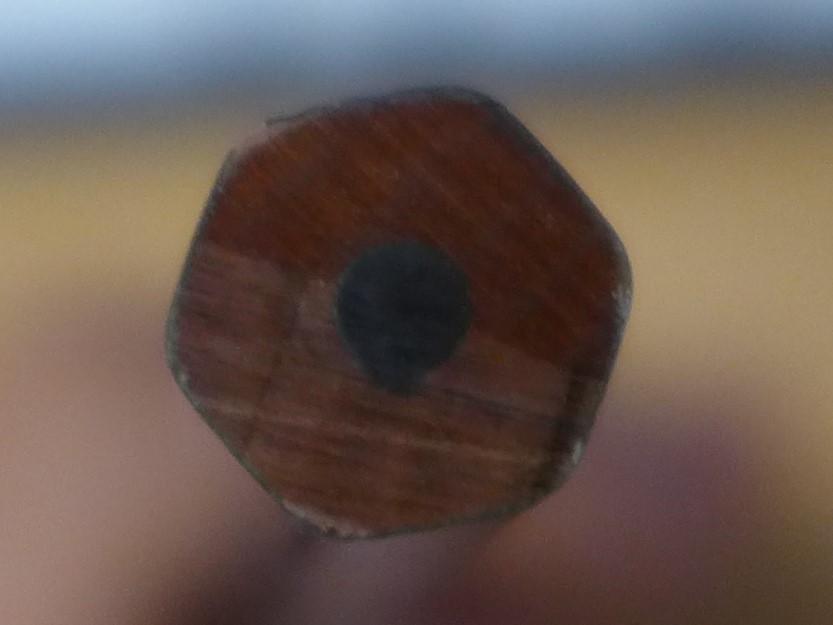
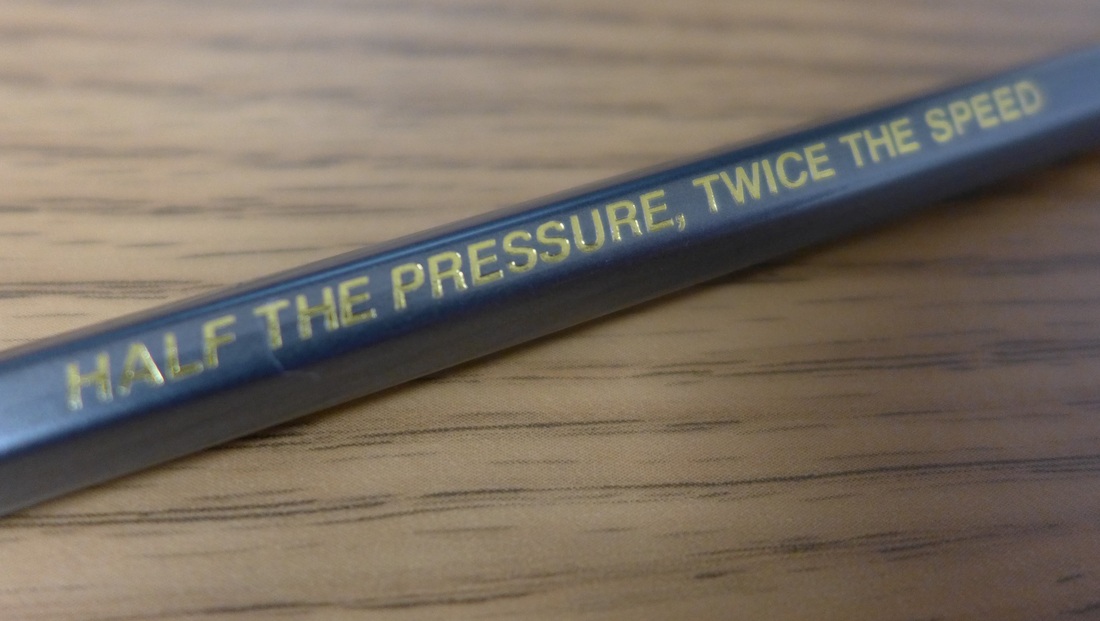
Fit/Finish: After about half a week of use, the finish is holding up really well. The paint on this one is just gorgeous, with sheens of gray, purple, and silver shining through in the light. The foil stamping and ferrule attachment are both top notch, as I would expect, and the pencil sharpens beautifully. Overall, this feels like a higher quality pencil than the PBW.
|
before writing review, sharpened with Kum double-hole sharpener |
after writing review |
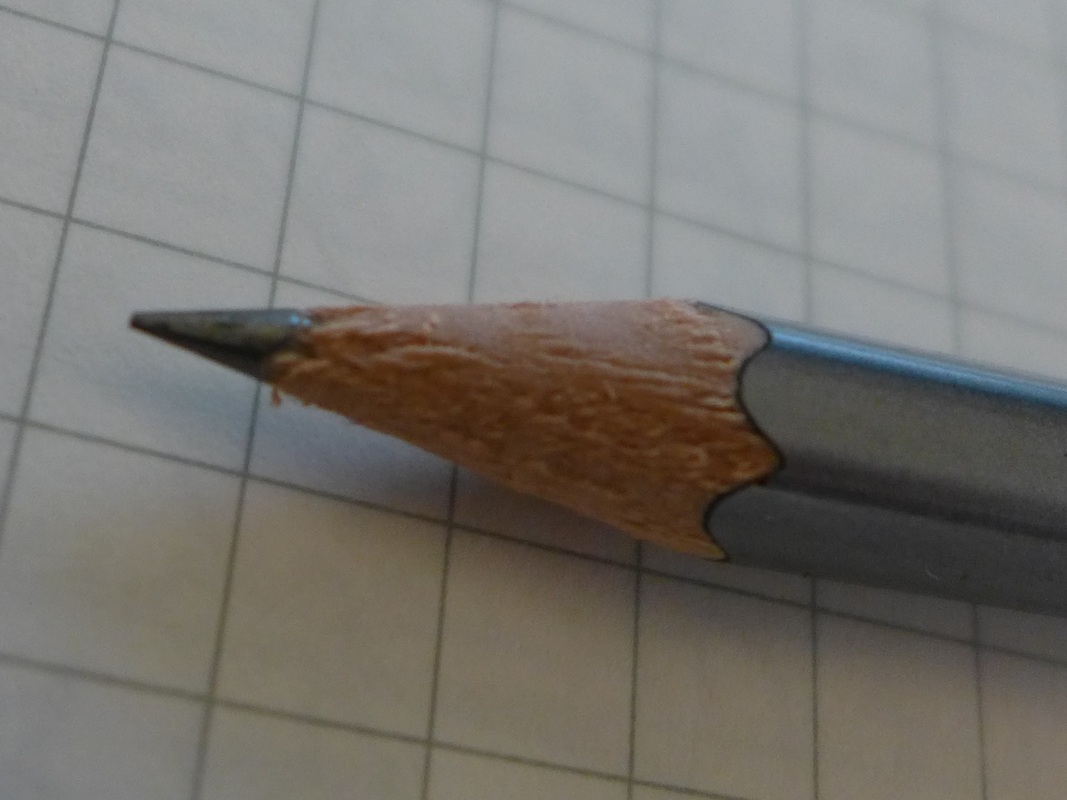
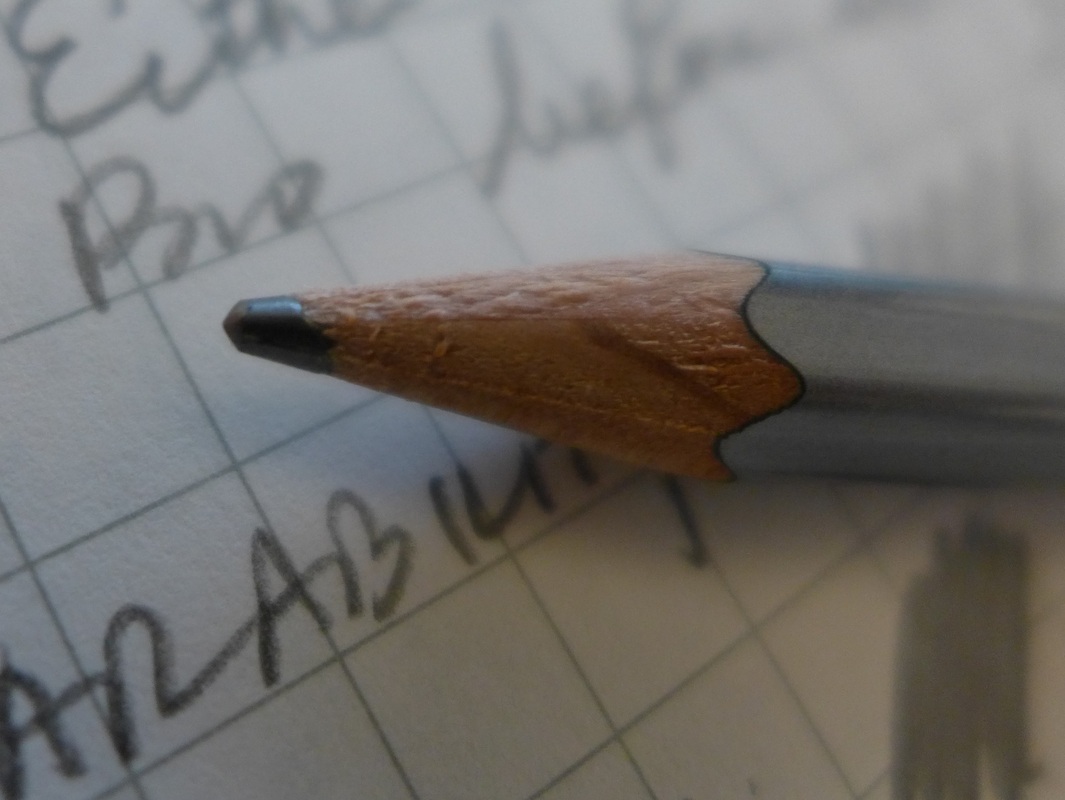
Performance: The lead is quite smooth, and I noticed no rough spots in the graphite. While not quite as dark as the PBW, I like writing class notes with this one better due to the point retention; at least now it's in the same ballpark as the Palomino HB. I would have a minor point of contention with the "half the pressure, twice the speed" slogan if not for its historical significance, since the lead is not so buttery as to qualify that statement. Either way, it's much better for writing than the PBW before it.
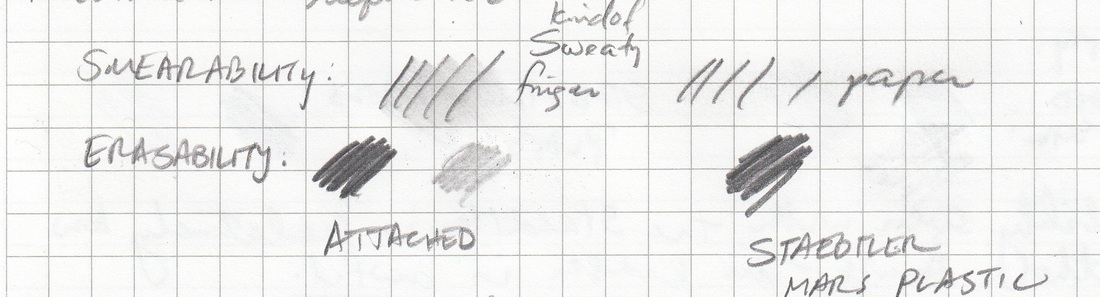
A major annoyance for me continues to be the substandard attached eraser. After use, it crumbles and becomes very unsightly, reminiscent of the far inferior Mirado Black Warrior.
|
brand-new eraser, no erasing done |
after erasing about 10 letters/numbers and the patch above |
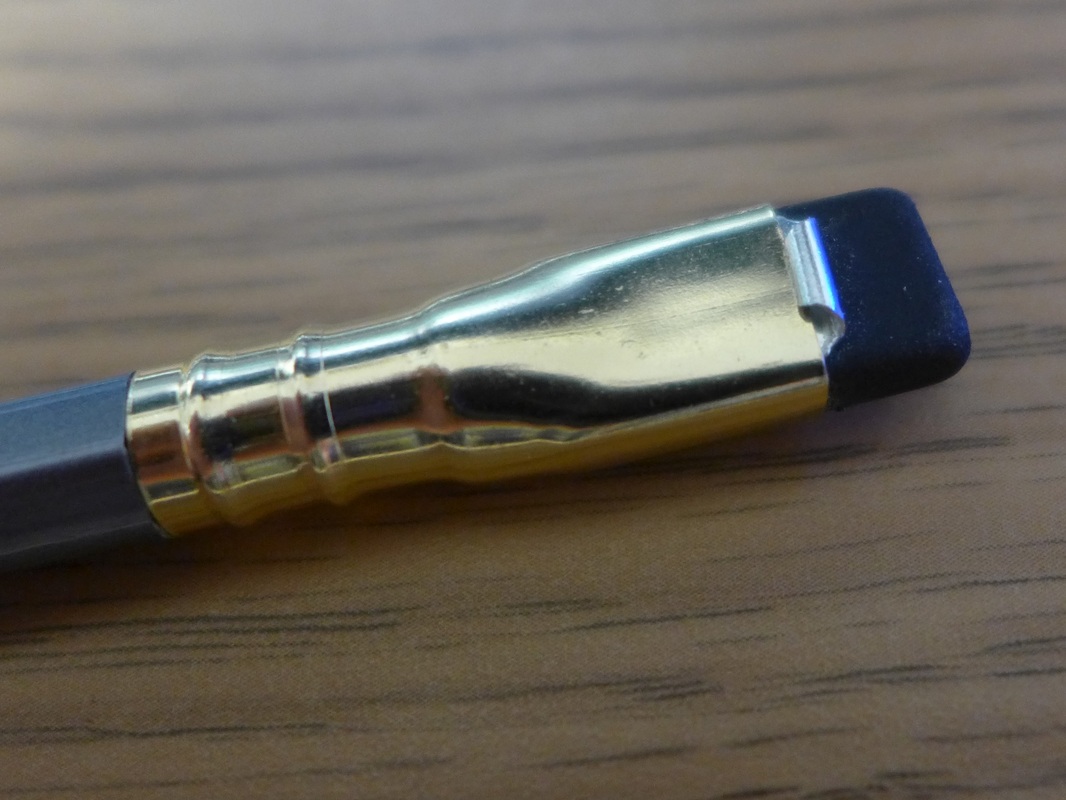
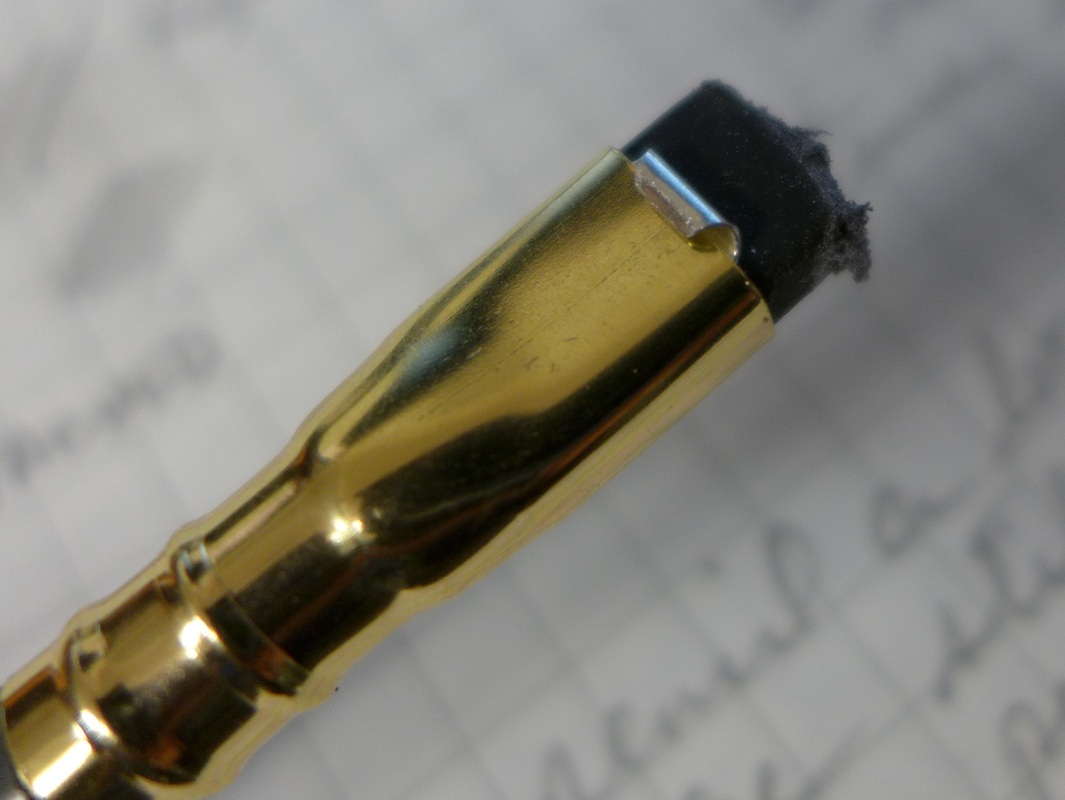
Overall: I like this pencil a lot, but point retention and the attached eraser have room for improvement. It is a very good pencil, though, and I think it's a worthwhile one to at least try out.
Rating: 4/5
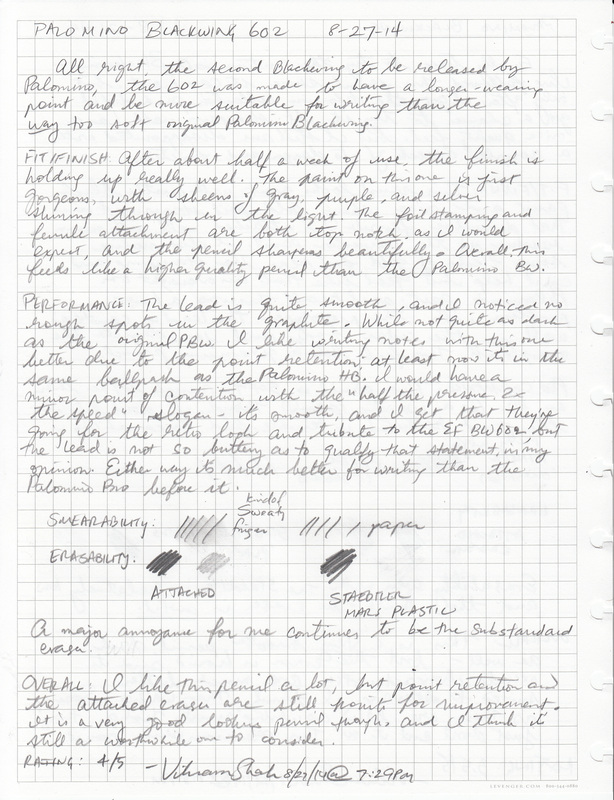

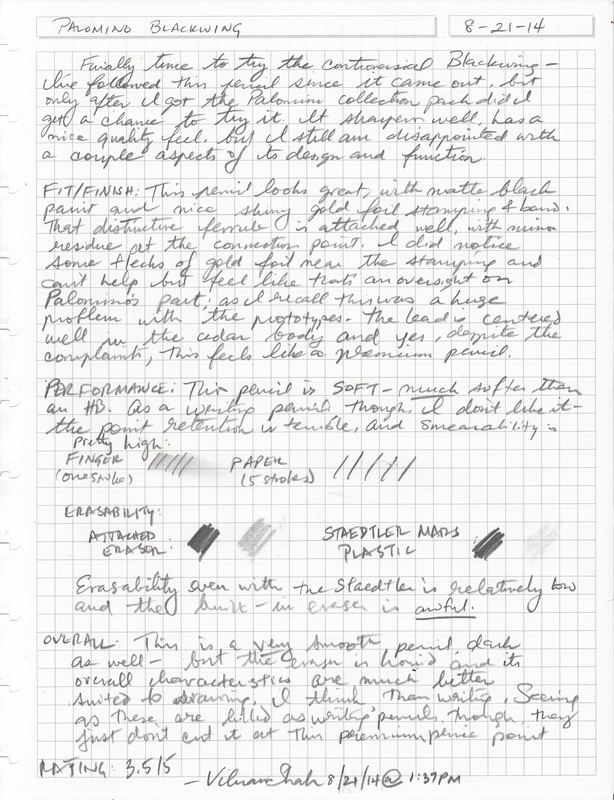
Finally time to try the controversial Blackwing - I've followed this pencil since it came out, but only after I got the Palomino collection pack did I get a chance to try it. It sharpens well, has a nice quality feel, but I still am disappointed with a couple aspects of its design and function.
hi-res pictures here
| | |
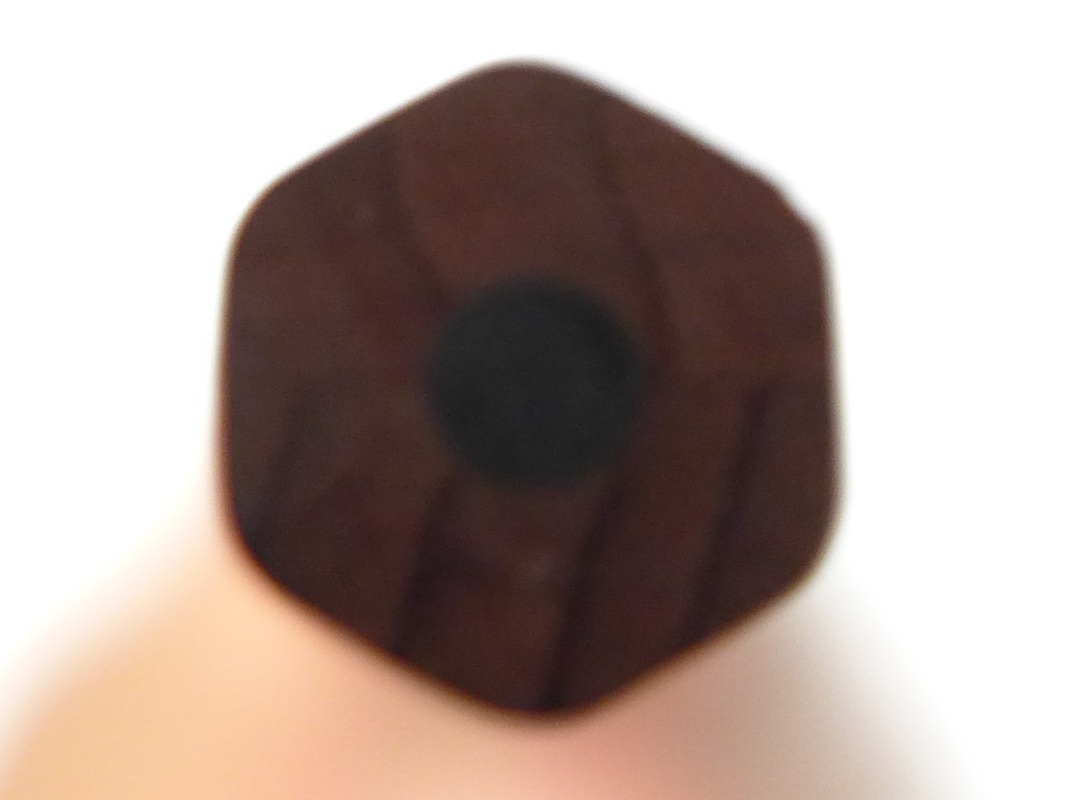
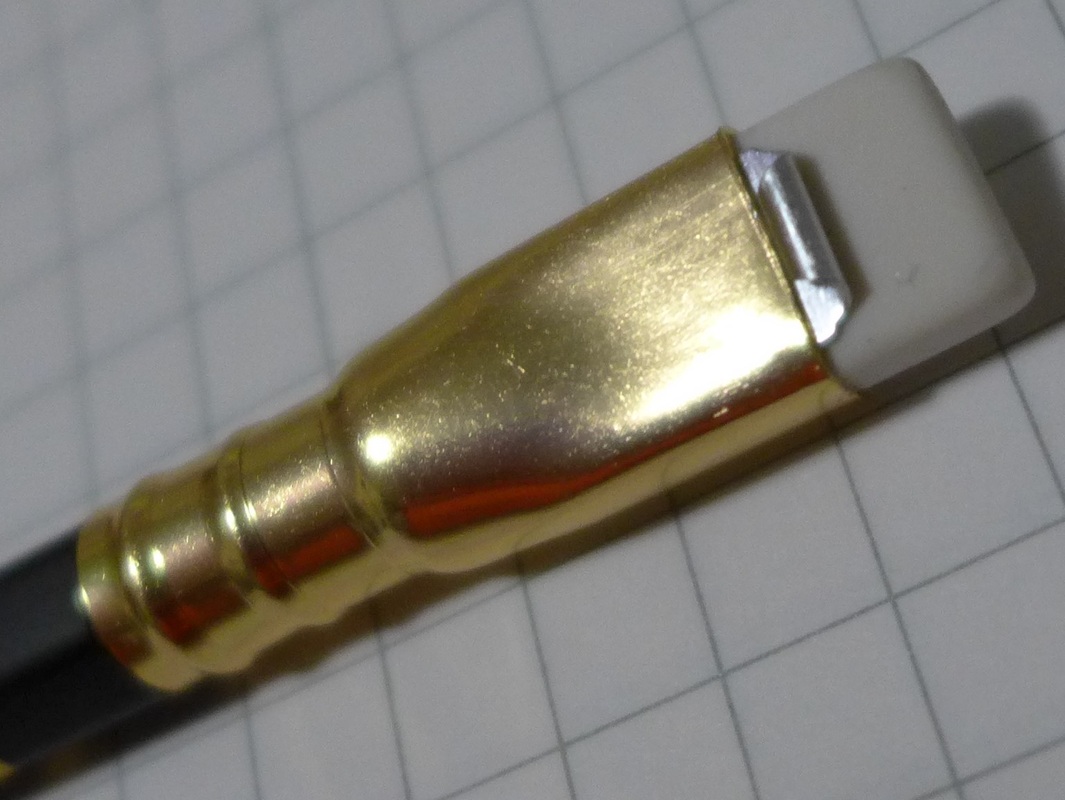
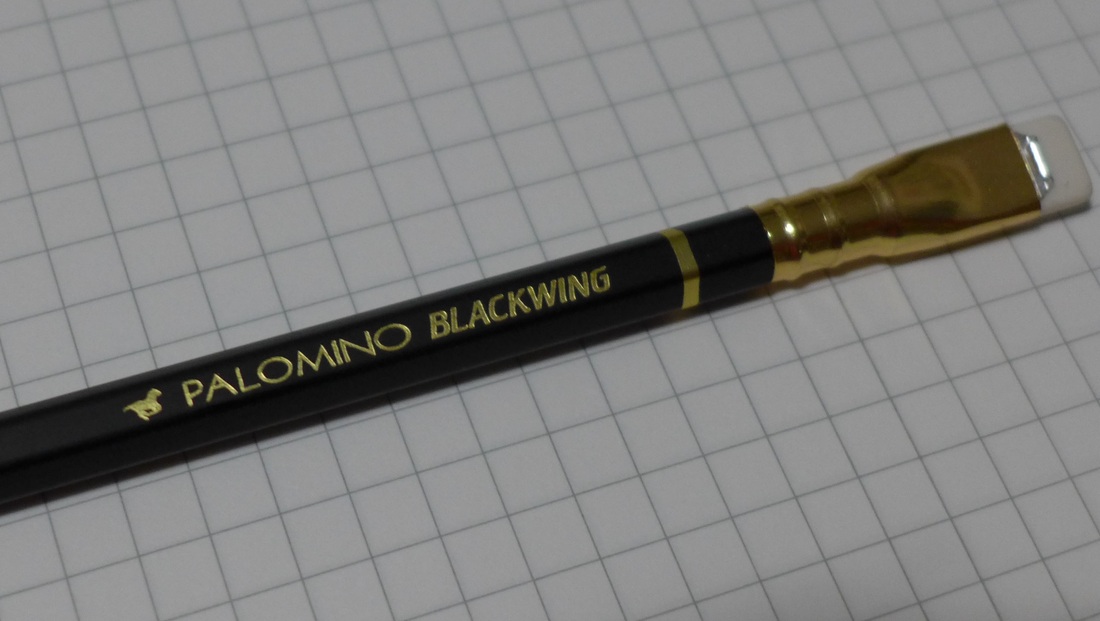
Fit/Finish: This pencil looks great, with matte black paint and nice shiny gold foil stamping and band. That distinctive ferrule is attached well, with minor residue at the connection point. I did notice some flecks of gold paint near the stamping and can't help but feel like that's an oversight on Palomino's part; as I recall this was a huge problem with the first run. The lead is centered well in the cedar body and yes, despite the complaints, this feels like a premium pencil.
| paint flecks visible near band | residue on the ferrule, near the bottom |
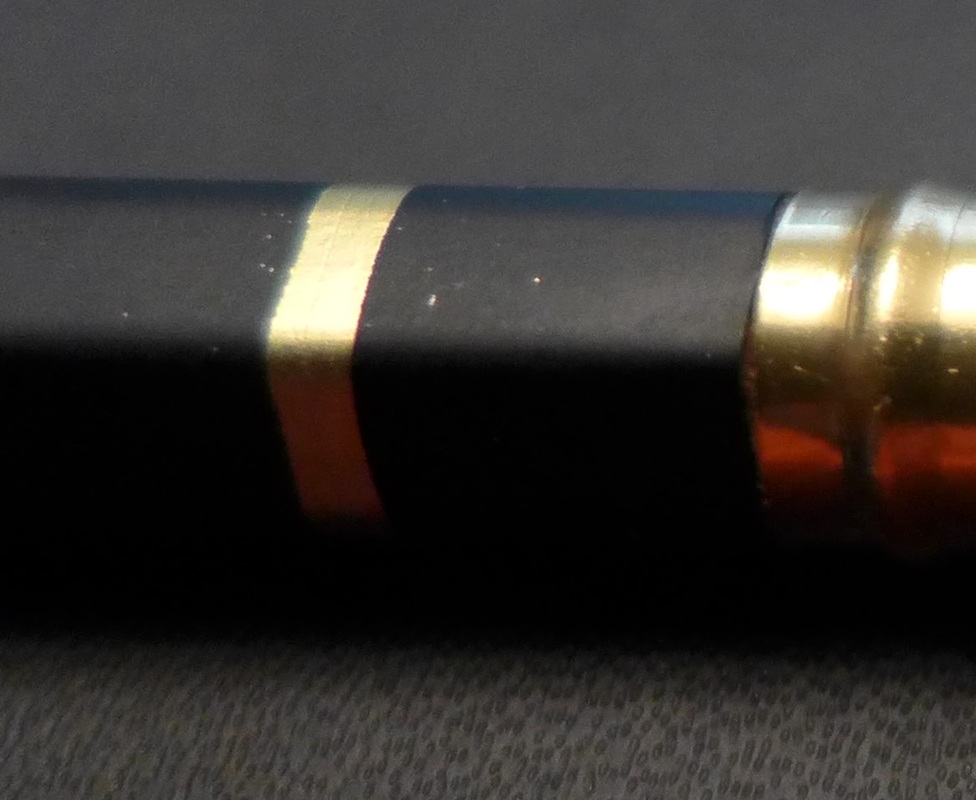
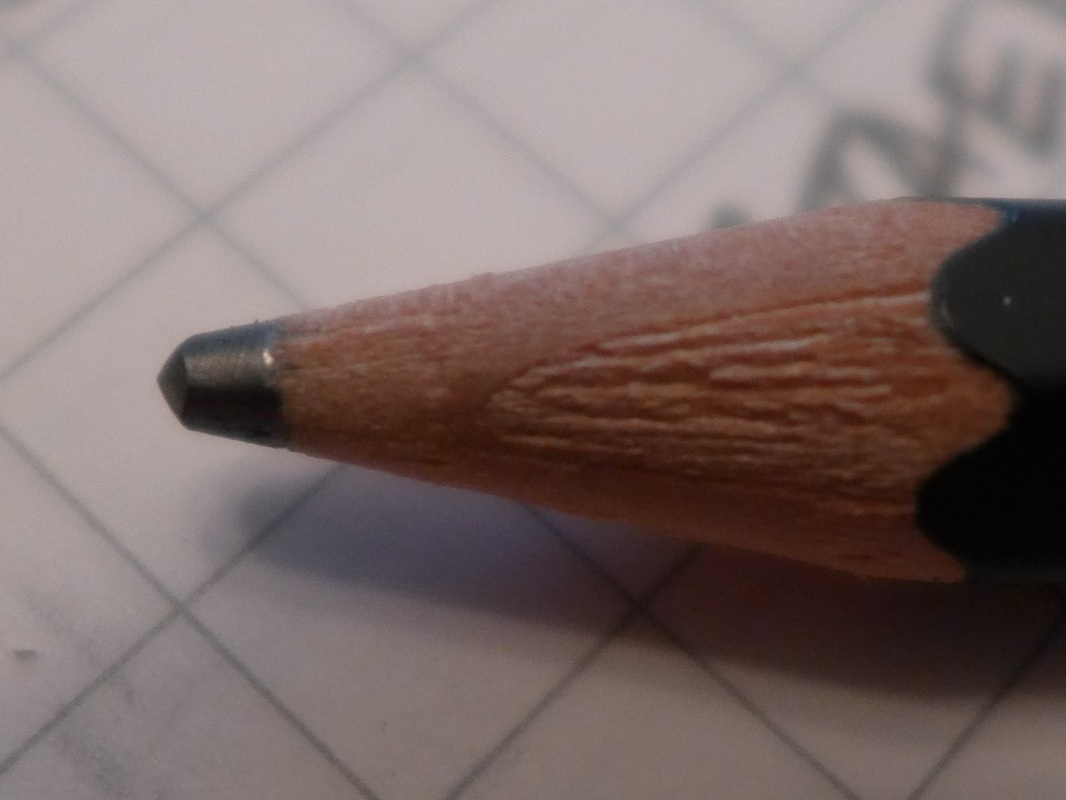
Performance: This pencil is SOFT - much softer than the standard HB. As a writing pencil, I don't like it - the point retention is terrible, and it smears readily. However, the line is very dark, and the pencil does perform very smoothly.
| before writing review, sharpened with Kum double-hole sharpener | after writing one page review |
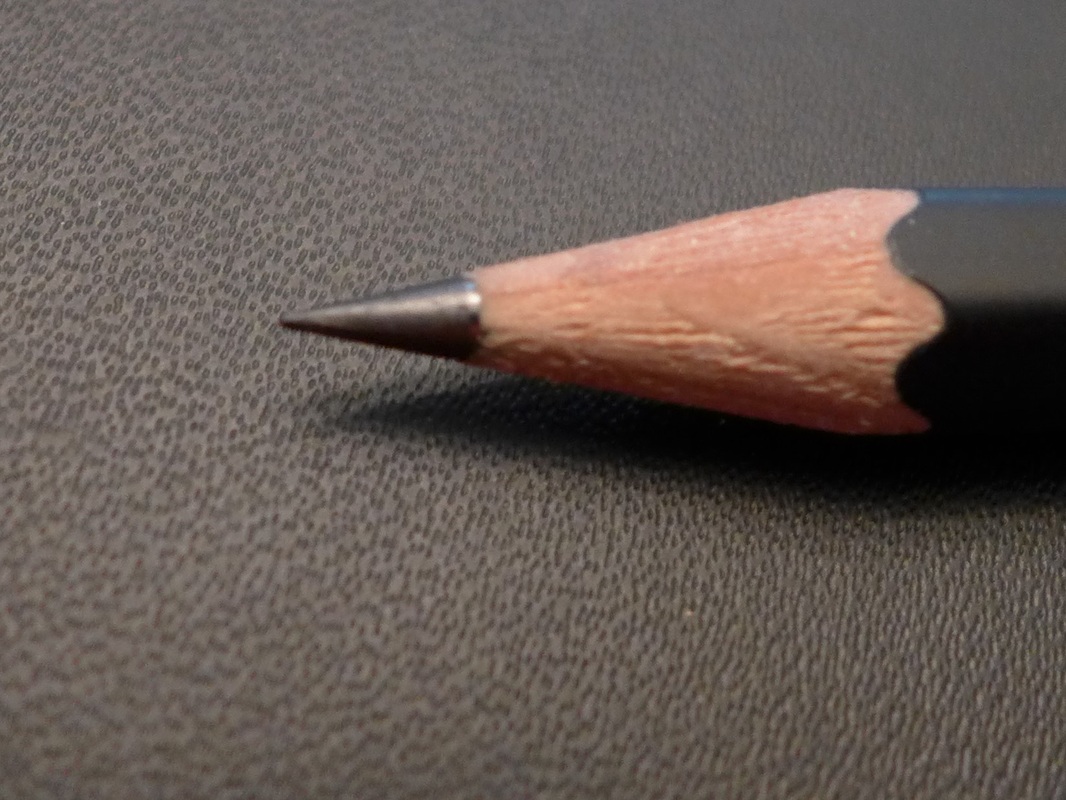
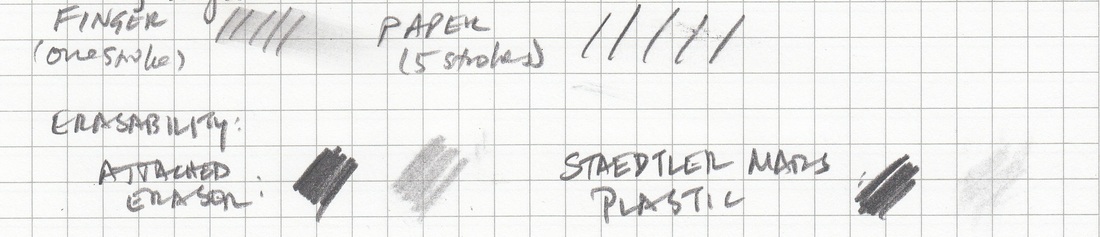
Erasability, even with the Staedtler, is relatively poor, and the built-in eraser, despite its cool looks, is absolutely horrible.
Overall: This is a very smooth pencil, dark as well, but the eraser is awful, and the pencil's overall characteristics are much better suited to drawing, I think, than writing. Seeing as these are billed as writing pencils, though, they just don't cut it at this premium price point. [Alexander mentioned below that they aren't truly billed as writing pencils as such; however, as spiritual successors of the original Blackwing 602 upon release (before the release of the Palomino Blackwing 602), I still believe that writing performance should be much better.]
Rating: 3.5/5
Hello everyone, today I decided to do a video review of the Rotring 600 drafting pencil. Enjoy!

The next step up in the Palomino pack is this aptly-named drawing pencil. The process of sharpening it was again a great pleasure, and the pencil clearly stands out against its less-pricey compatriots in the collection.
hi-res images here: https://flic.kr/ps/UQ3rx

|
|
|
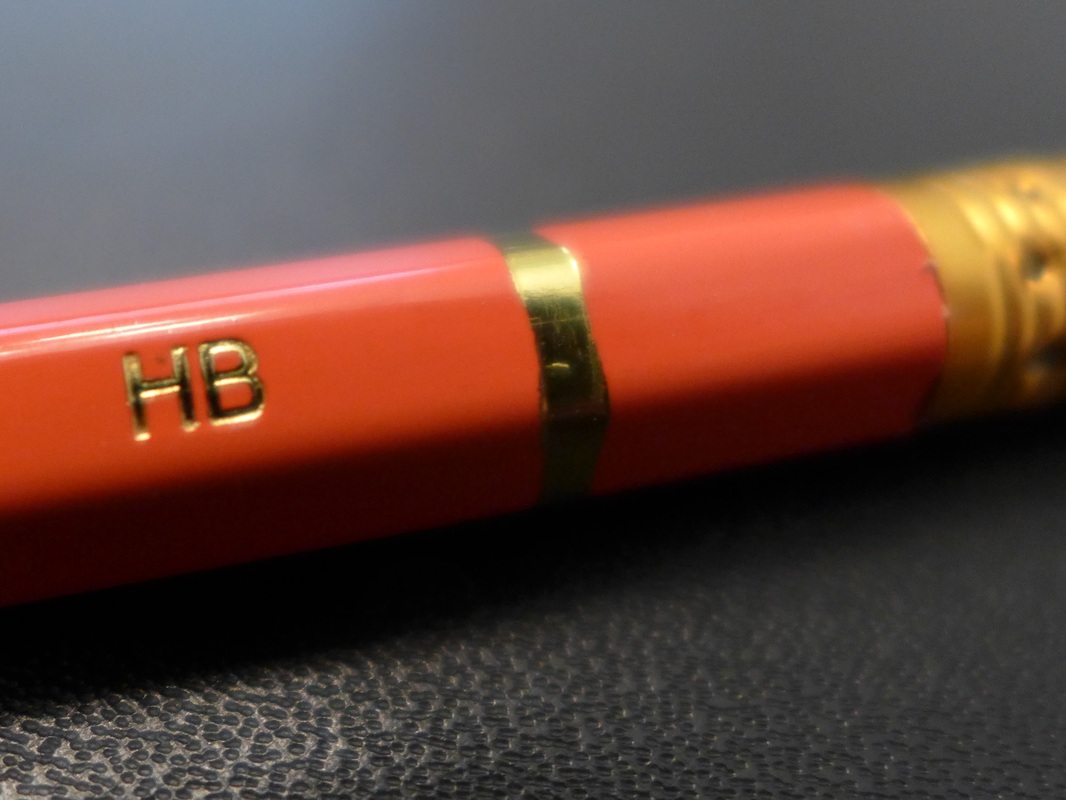
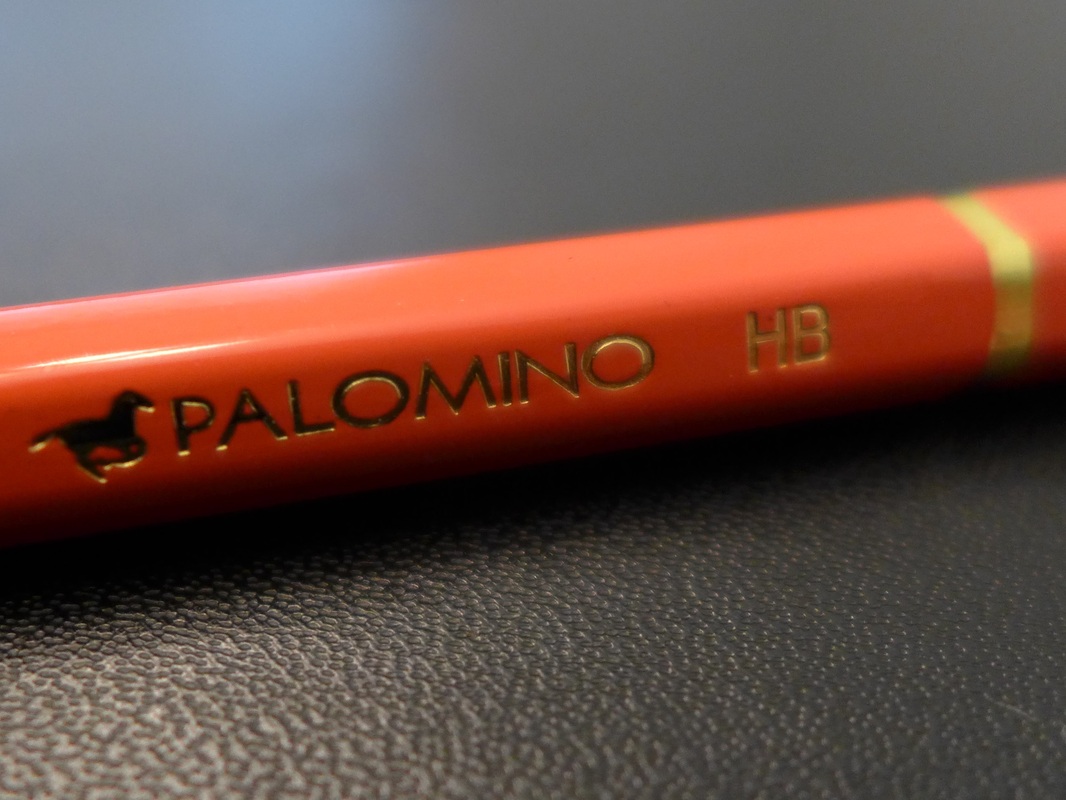
Fit/Finish: I actually took a video of sharpening this pencil - it was that great! The cedar is fragrant and cuts away easily. Overall, the quality of the pencil is excellent, with the paint thick and uniform and the foil stamping just as good. I like the vivid orange color, and the golden band complimenting the ferrule and brand name stamping is a nice touch.
|
before writing review (sharpened with Kum sharpener) |
after writing review |
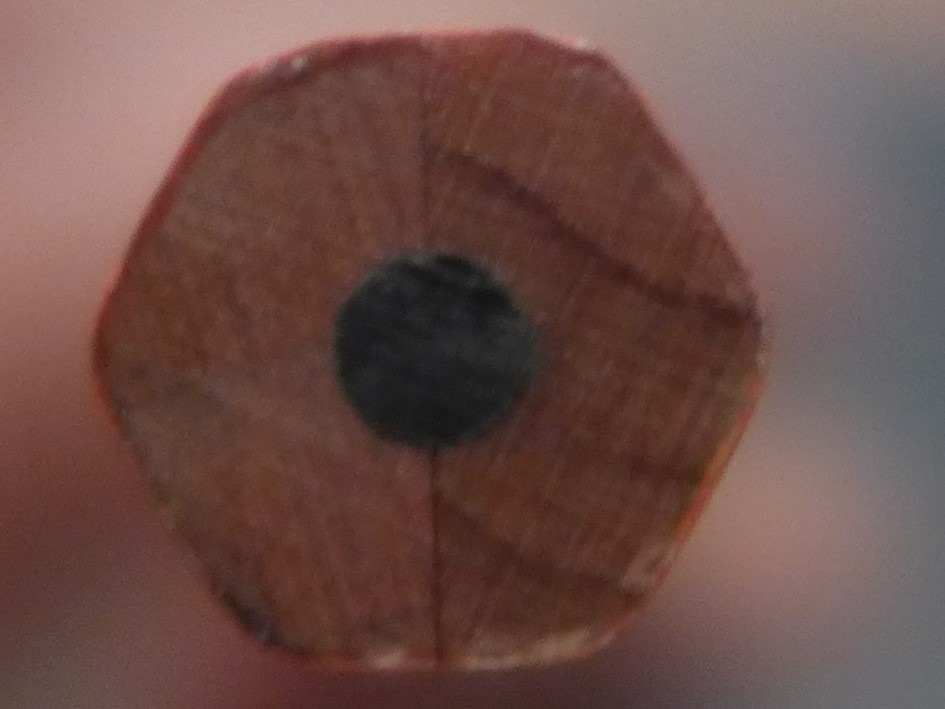
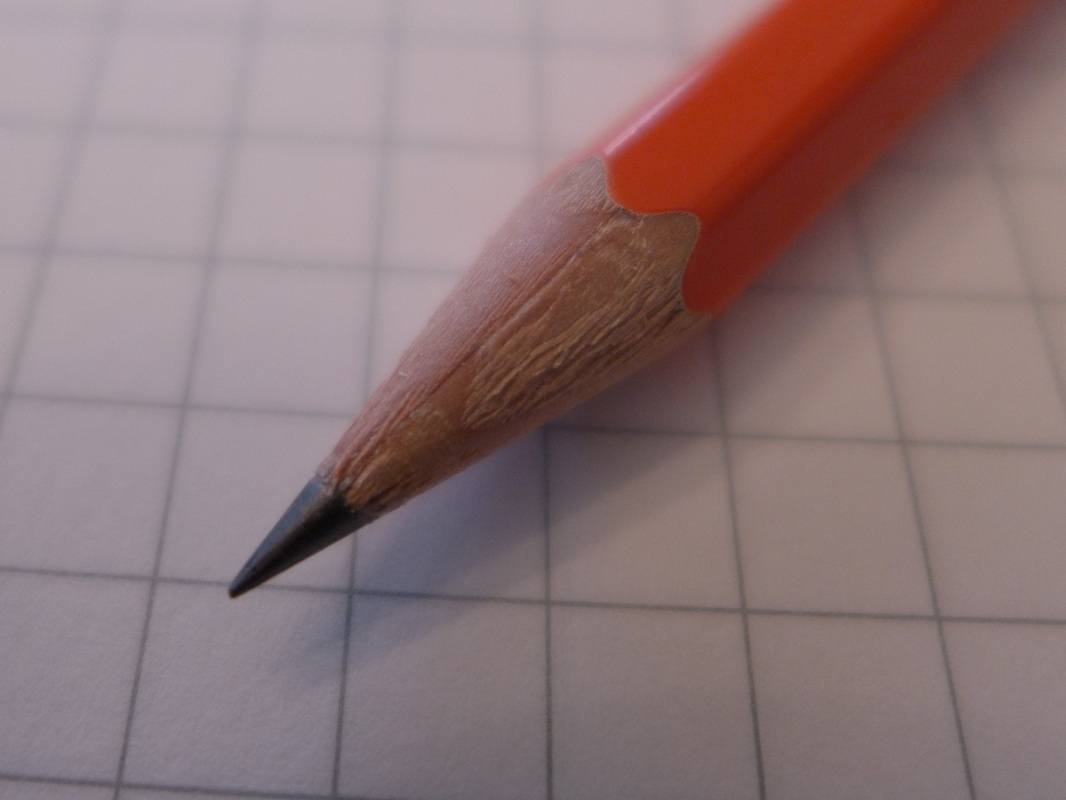
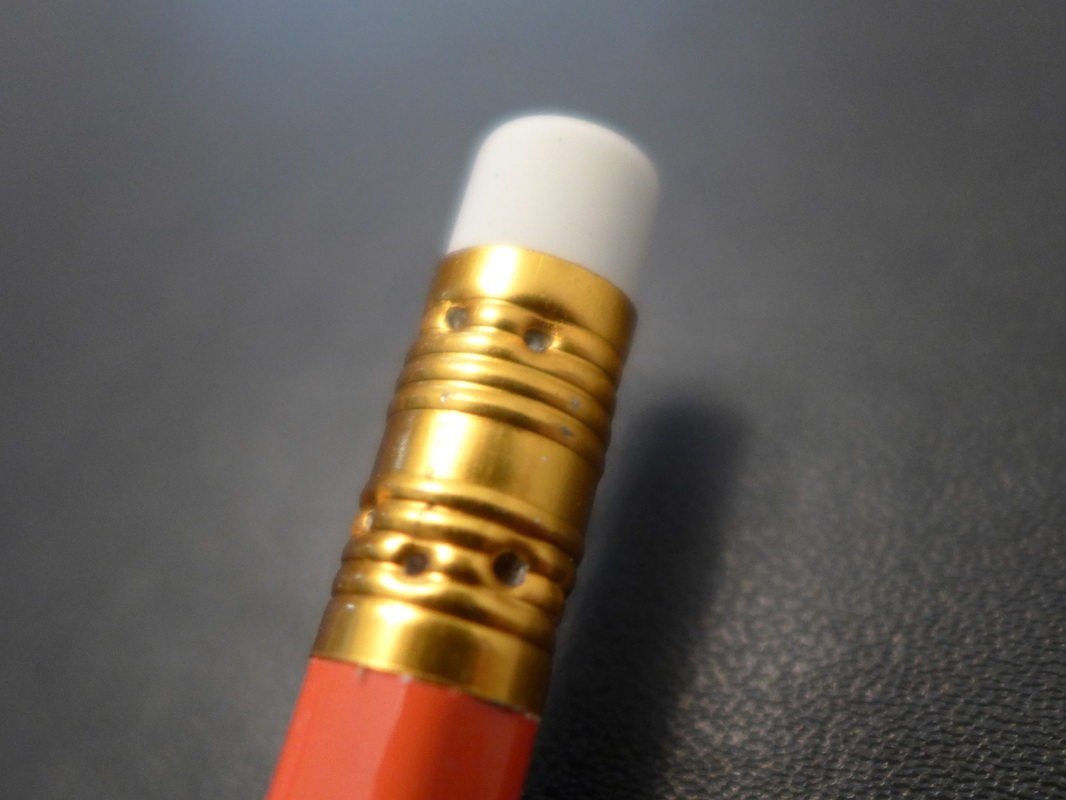
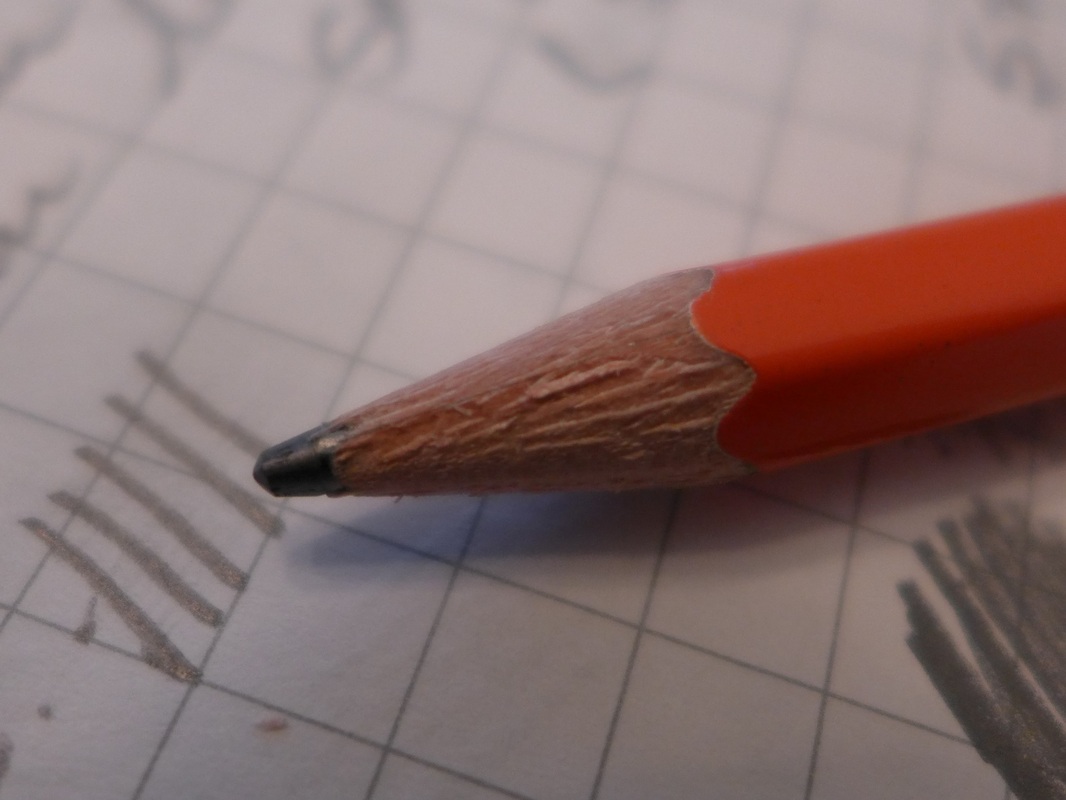
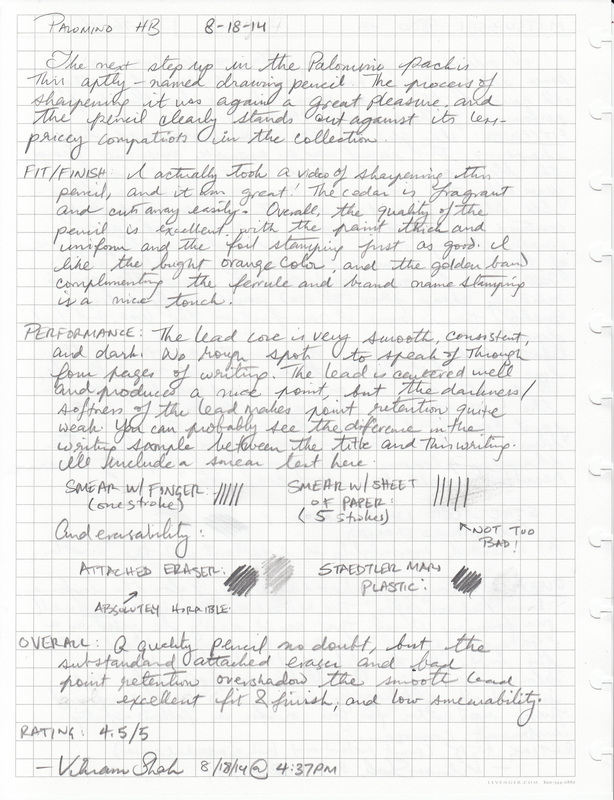
Performance: The lead core is very smooth, consistent, and dark. No rough spots to speak of through four pages of writing. The lead is centered well and produces a nice point, but the darkness/softness of the lead makes point retention quite weak. You can probably see the difference in the writing sample between the title and this paragraph. I'll include smearability and erasability tests here.
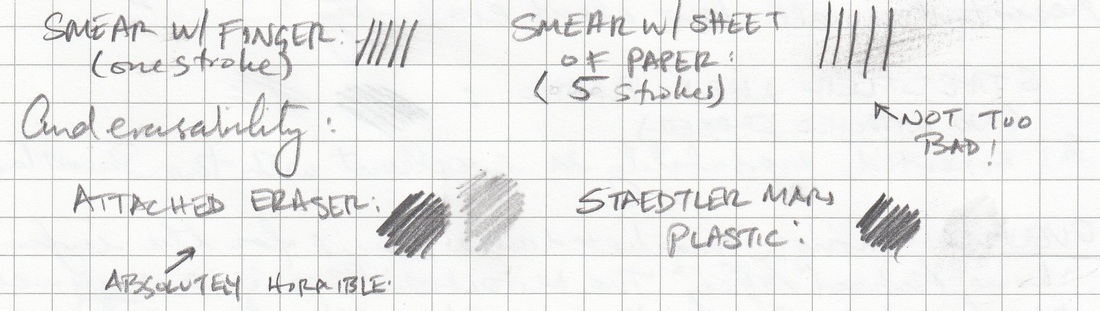
Overall: A quality pencil no doubt, but the substandard attached eraser and bad point retention overshadow the smooth lead, excellent fit/finish, and low smearability. Available from Pencils.com for $12.95.
Rating: 4.5/5
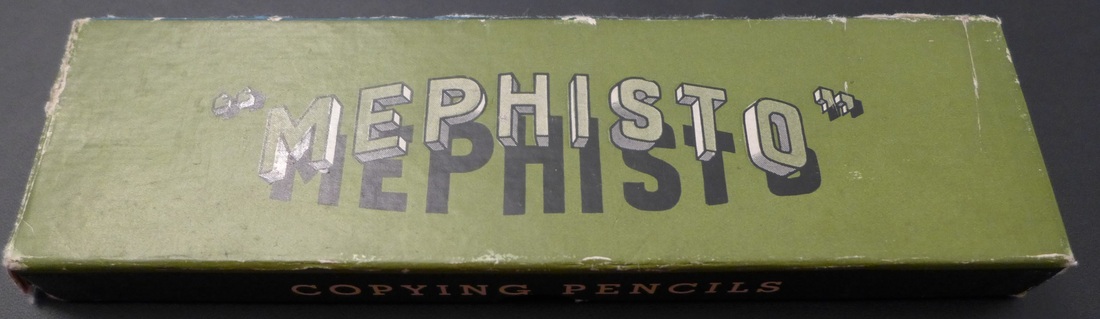
Today I'd like to share a copying pencil with all of you. Copying pencils were used extensively in the days before Xerox copiers, to produce duplicates of documents. A copying pencil looks and acts just like a regular graphite pencil, with one exception: the core contains aniline dye, which, when reacted with water, changes color and transfers to surfaces that touch it. By moistening a piece of tissue paper and pressing it against the original written in copying pencil, the copier would receive a mirror-image of the original, which could be read through the other side of the translucent tissue paper. In this way, correspondence and other important documents could be filed away. Books of blank tissue paper were also available, and, using a mechanical press to press the two pieces of paper together in the copying process, archives of letters, for example, could be preserved and archived.
Today, copying pencils are hard to come by, but I happened to find some in a garage sale a while ago. Thought I'd share with you what copying a bit of writing actually looks like. Enjoy!
Hi-res images here: https://flic.kr/s/aHsk1ooAxJ
Wikipedia article on Copying Pencils: http://en.wikipedia.org/wiki/Copying_pencil
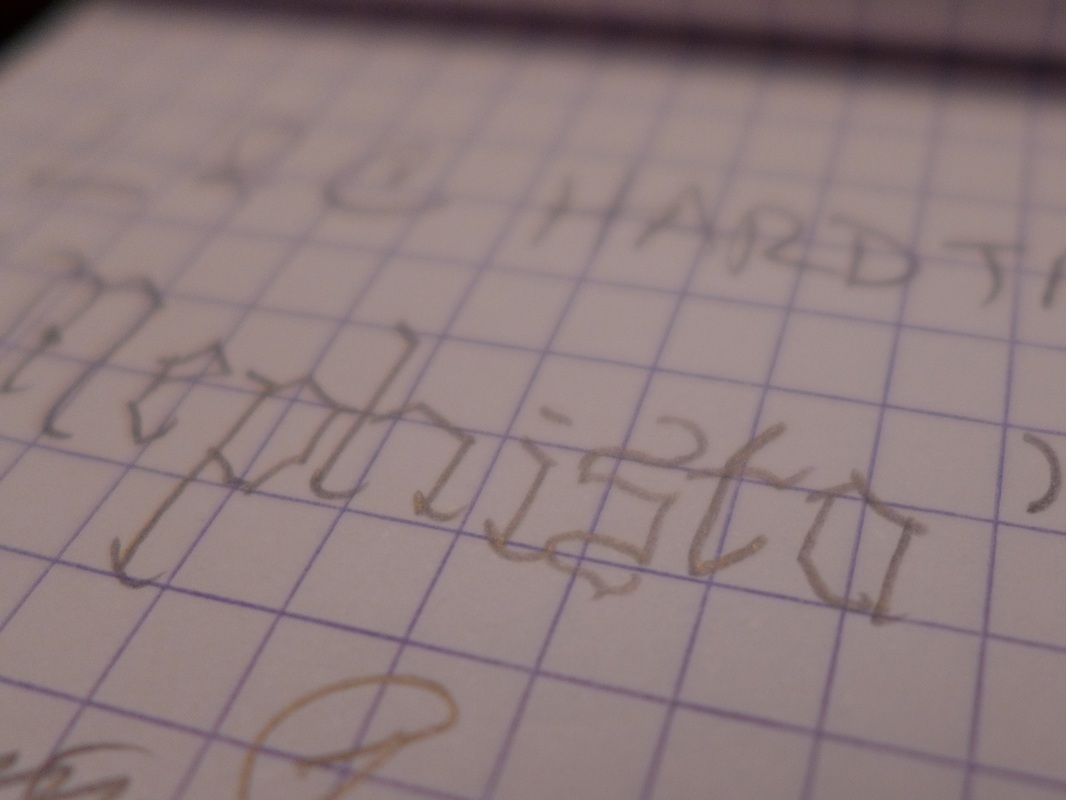
THE PENCIL: An L&C Hardtmuth Mephisto Copying 73B Hard

|
|
|
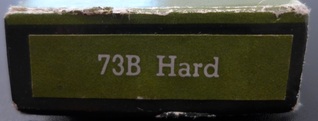
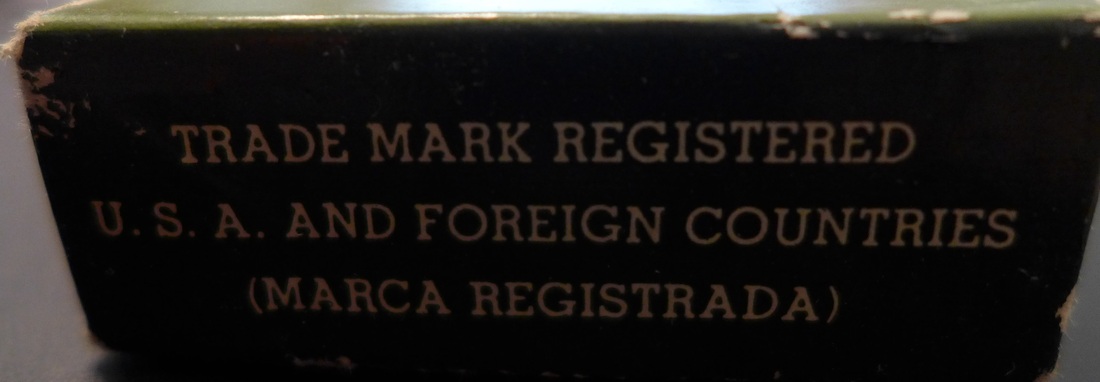
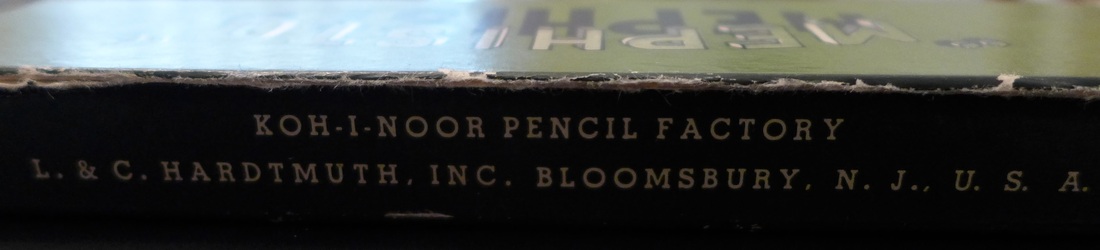
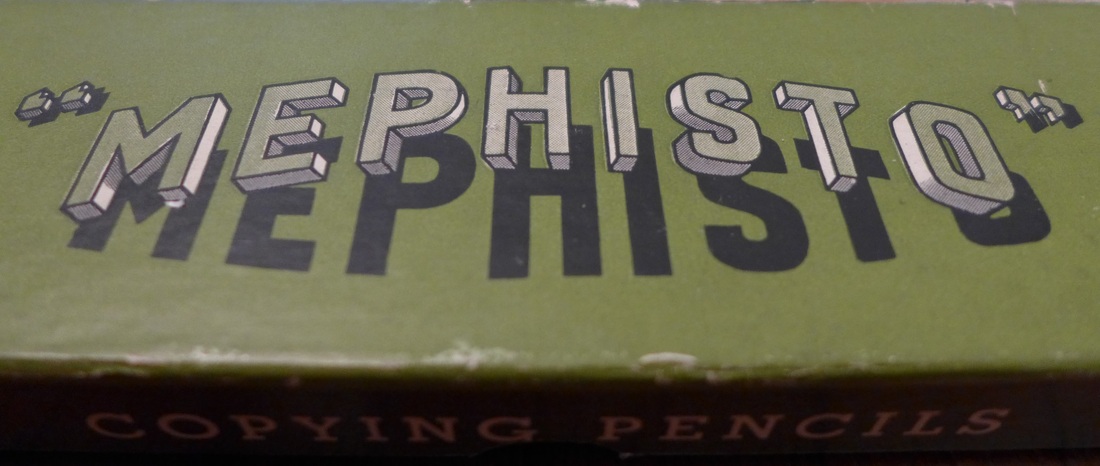
The Document & Copying Process
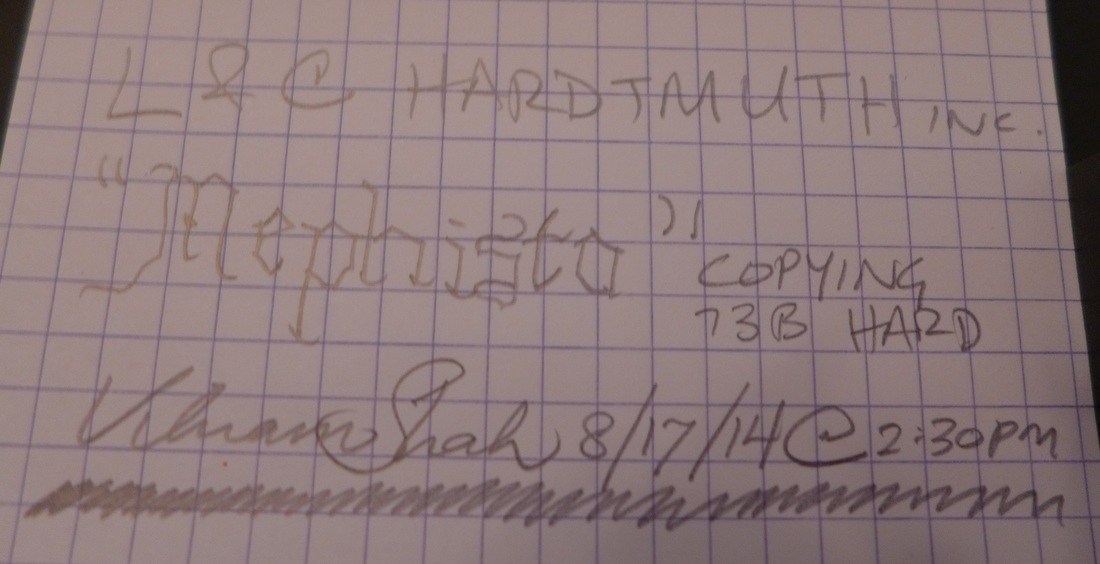
|
|
|
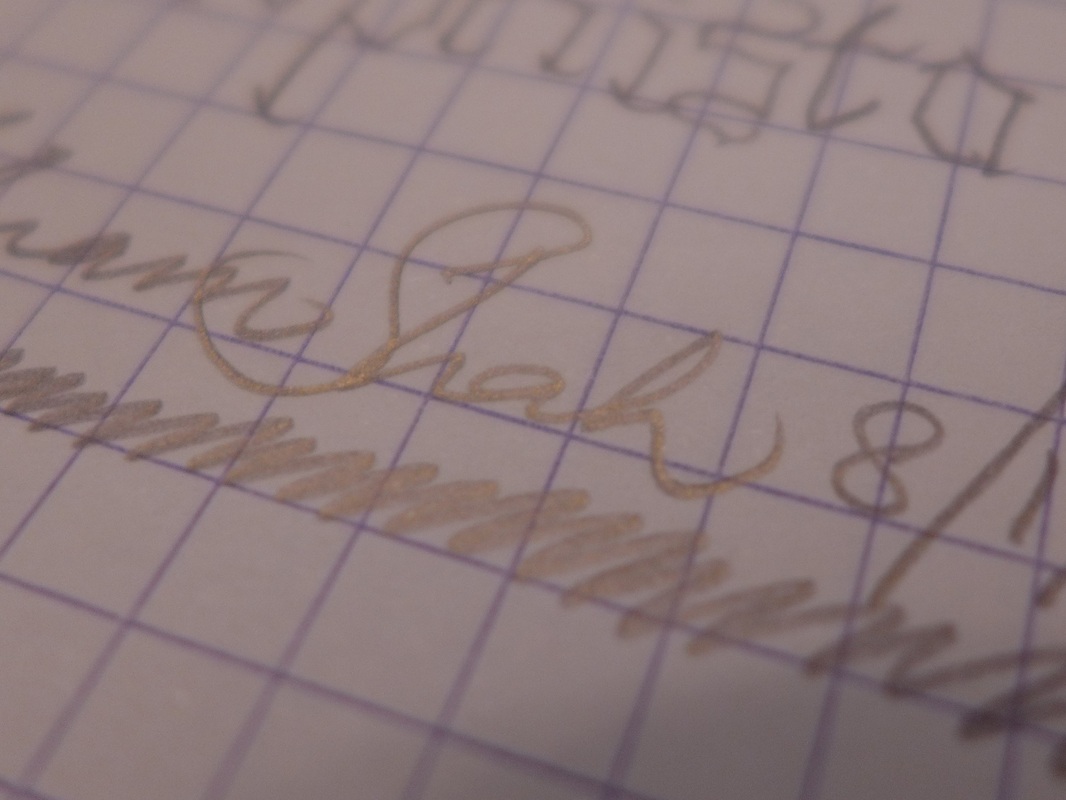
Then, after folding the paper over (I copied it onto the bottom half of the paper) I took a wet sponge and soaked the paper, simultaneously pressing down hard. After unfolding, I got the purple mirror-image copy I was expecting.
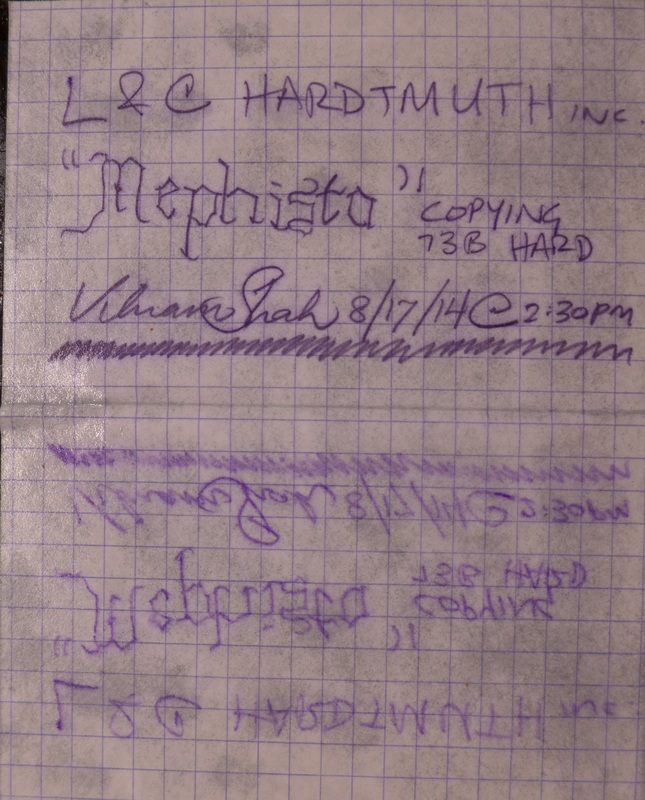
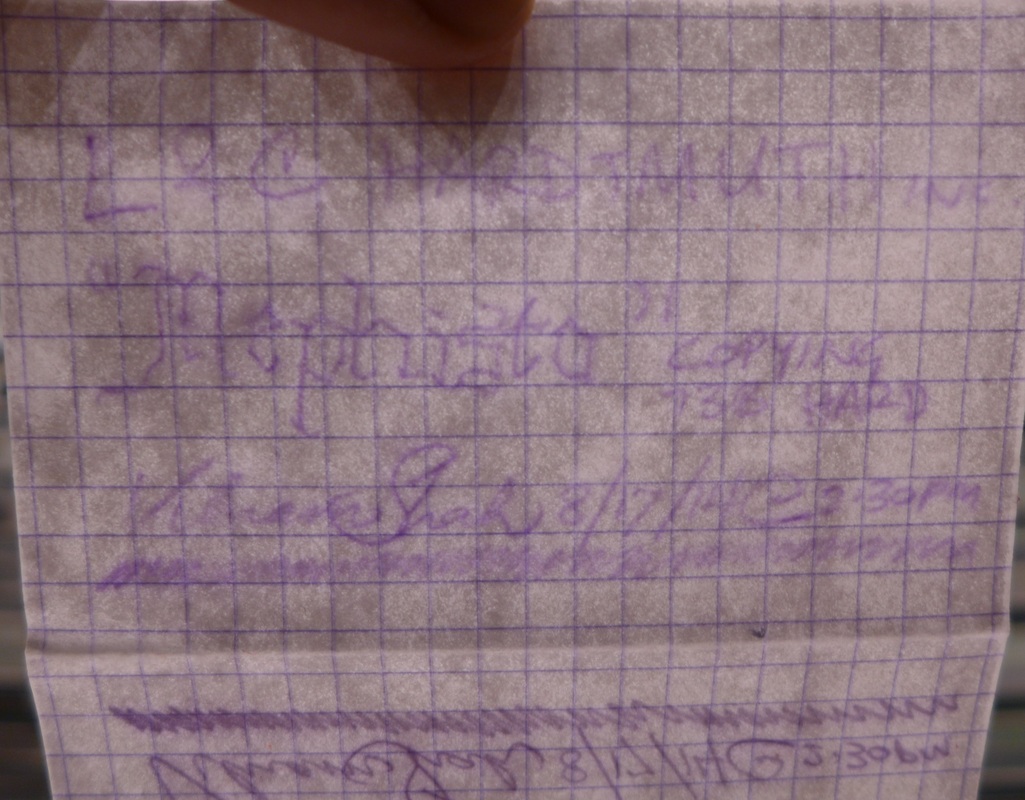
Thanks for reading!

I ordered this pencil in three grades (HB, B, 2B) and since all my reviews have been on HB previously I thought I'd compare this one of those to have a benchmark for performance of the Mitsubishi 9800.
hi-res images here: https://flic.kr/s/aHsk1jPQaD
| | Mitsubishi 9800, top; Faber-Castell 9000, bottom |
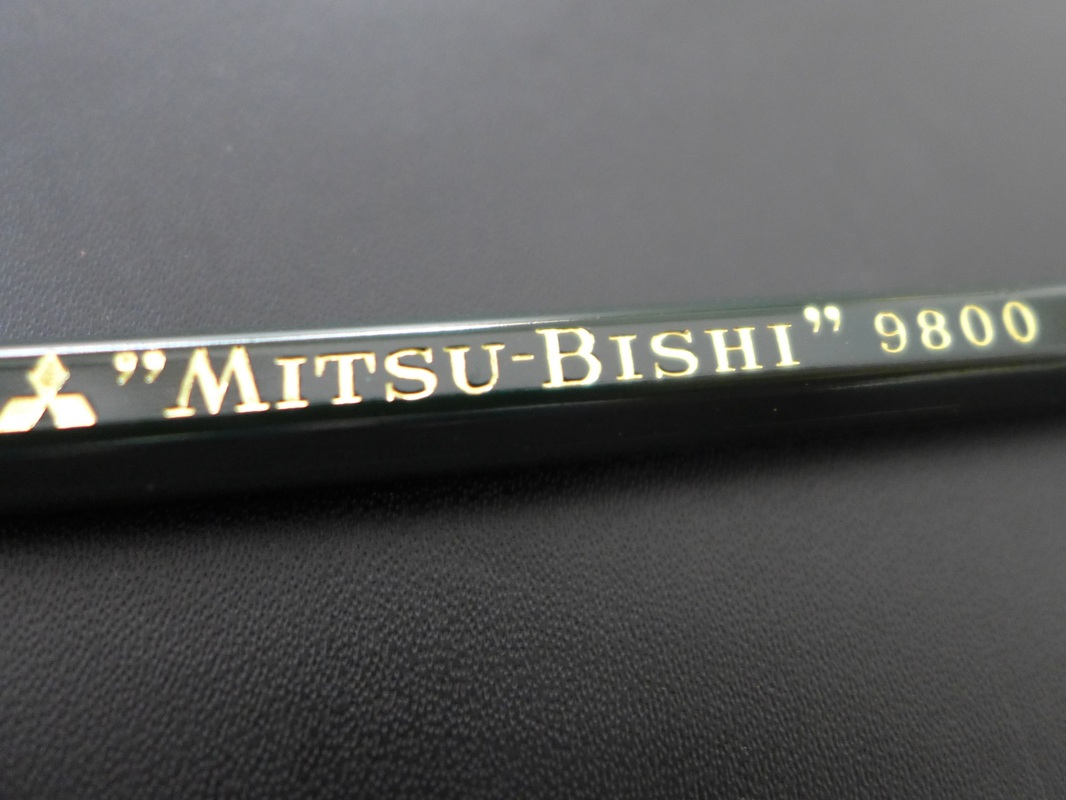
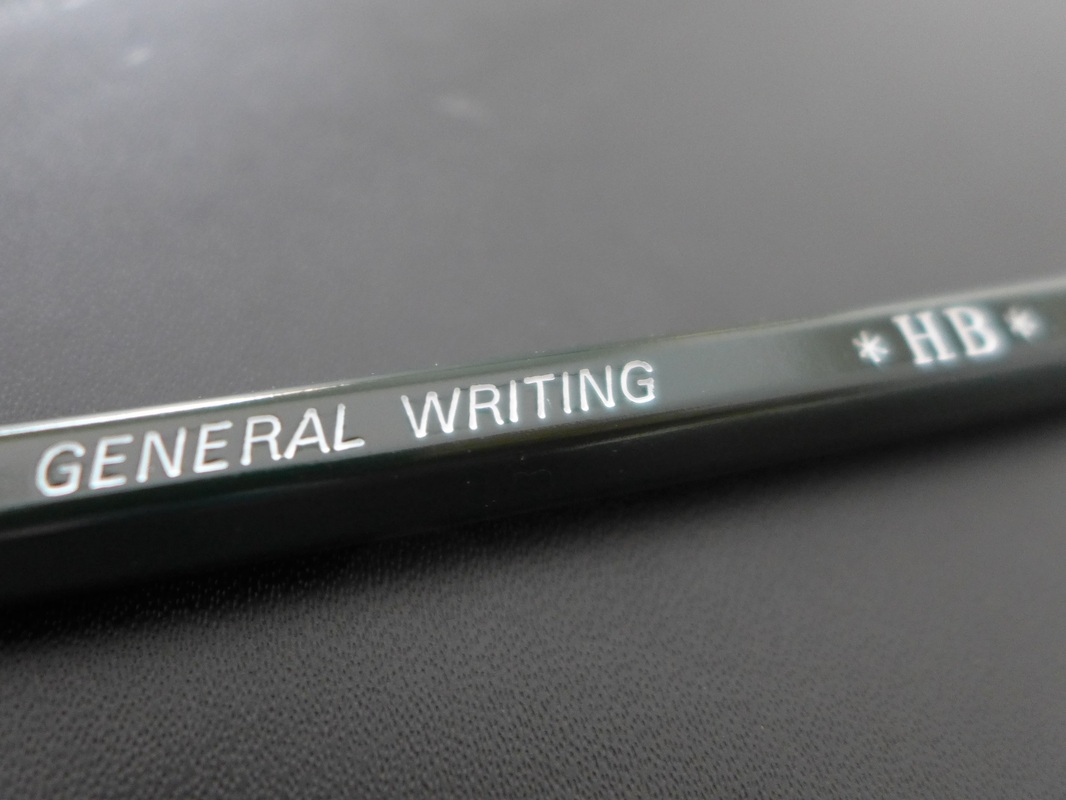
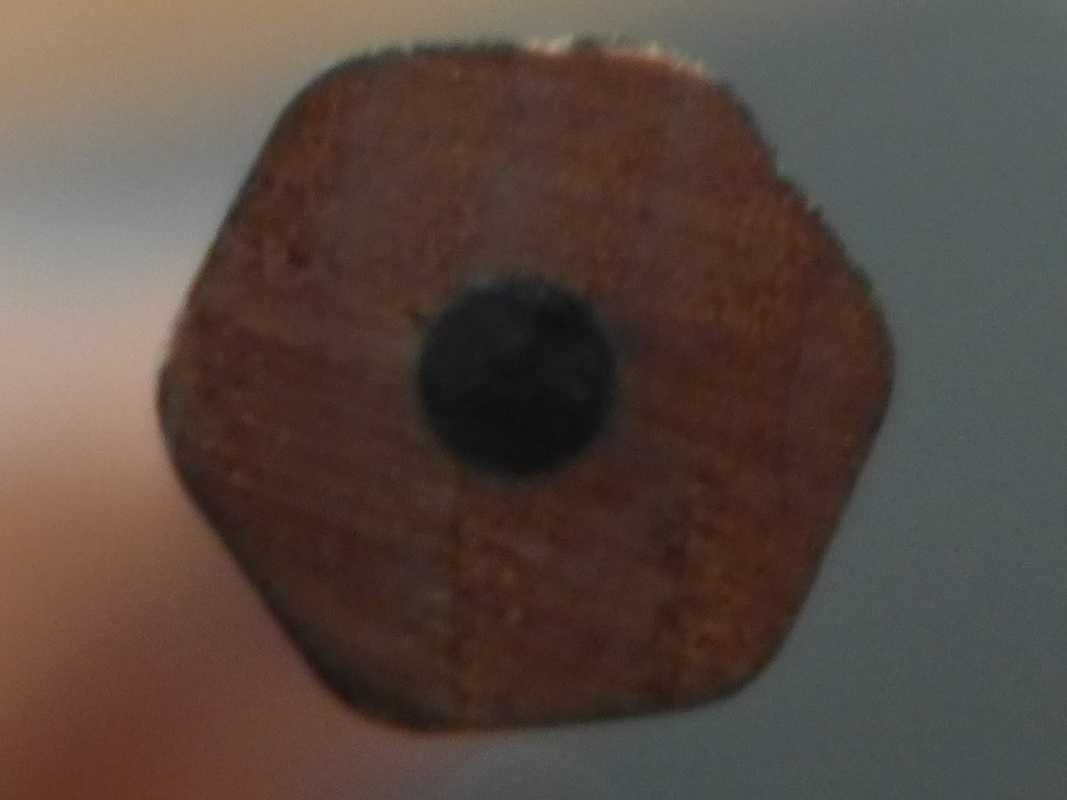
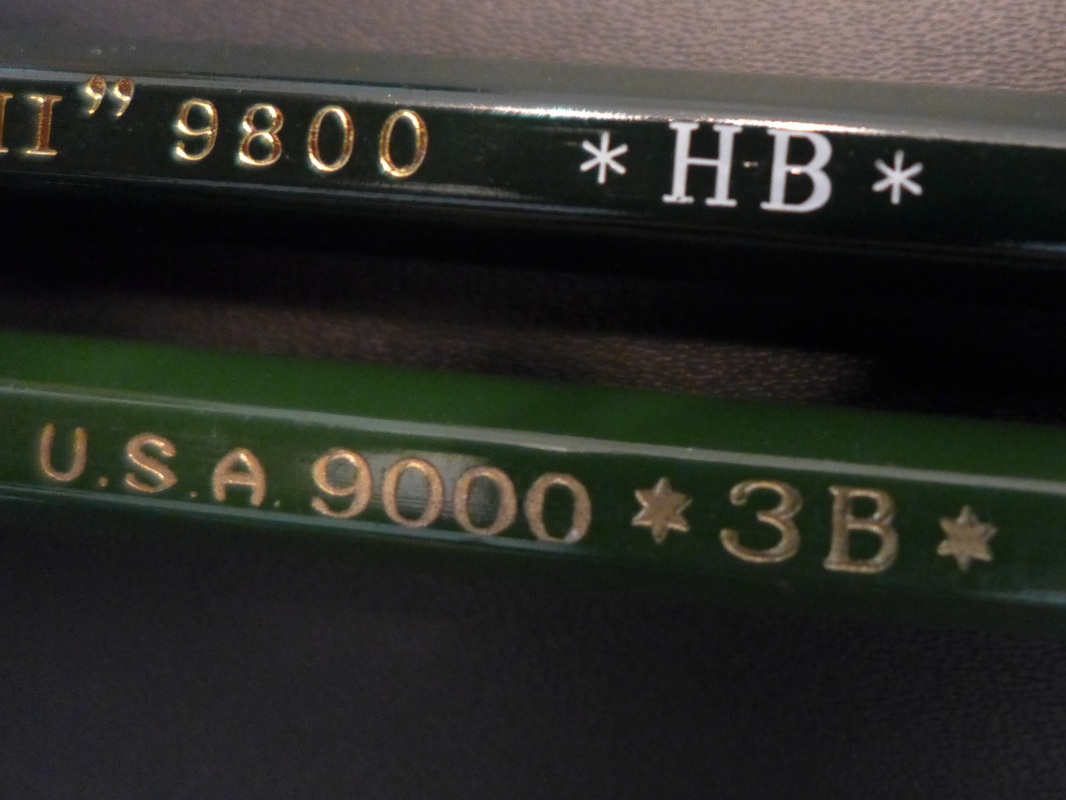
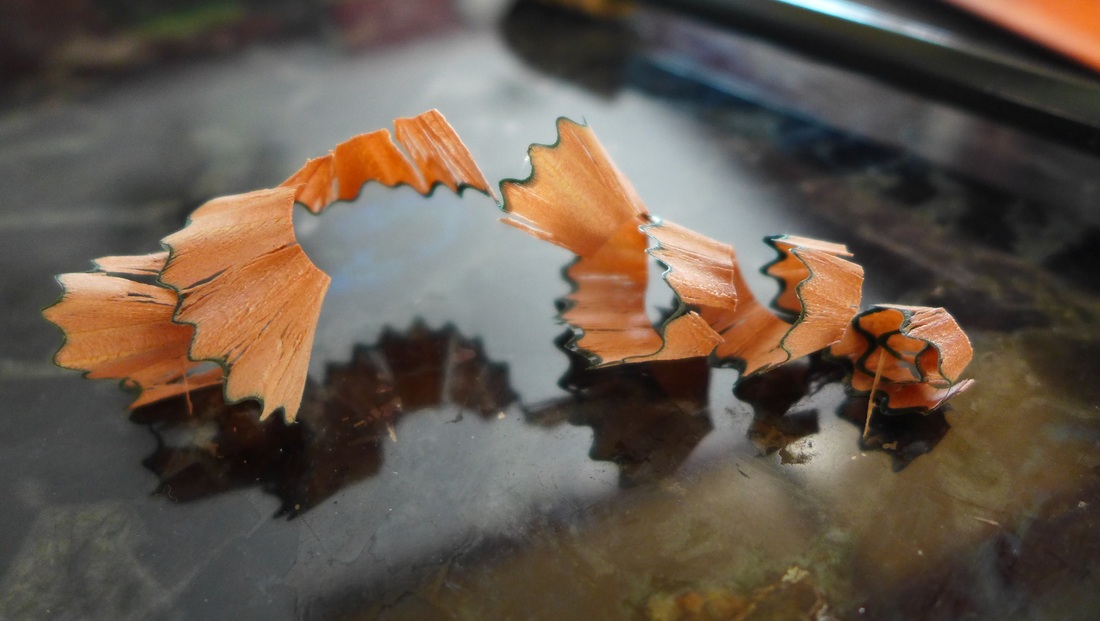
Fit/Finish: I'm glad the 9800 comes unsharpened, because sharpening this pencil was an exquisite experience. Though the blade in my Alvin Brass Bullet is just over four years old, the wood curled away in picturesque flower-like shapes, fragrant and smooth. The lead is perfectly centered in its case, making for a very useful and visually pleasing point. Lacquering, paint, and foil-stamping are of top quality as well, reminiscent of the Faber-Castell 9000 which this one clearly emulates. Although the pencil's relatively low price would imply a drop in quality, there is none I can find in the look-and-feel department, except perhaps the lack of an onboard eraser.

| | |
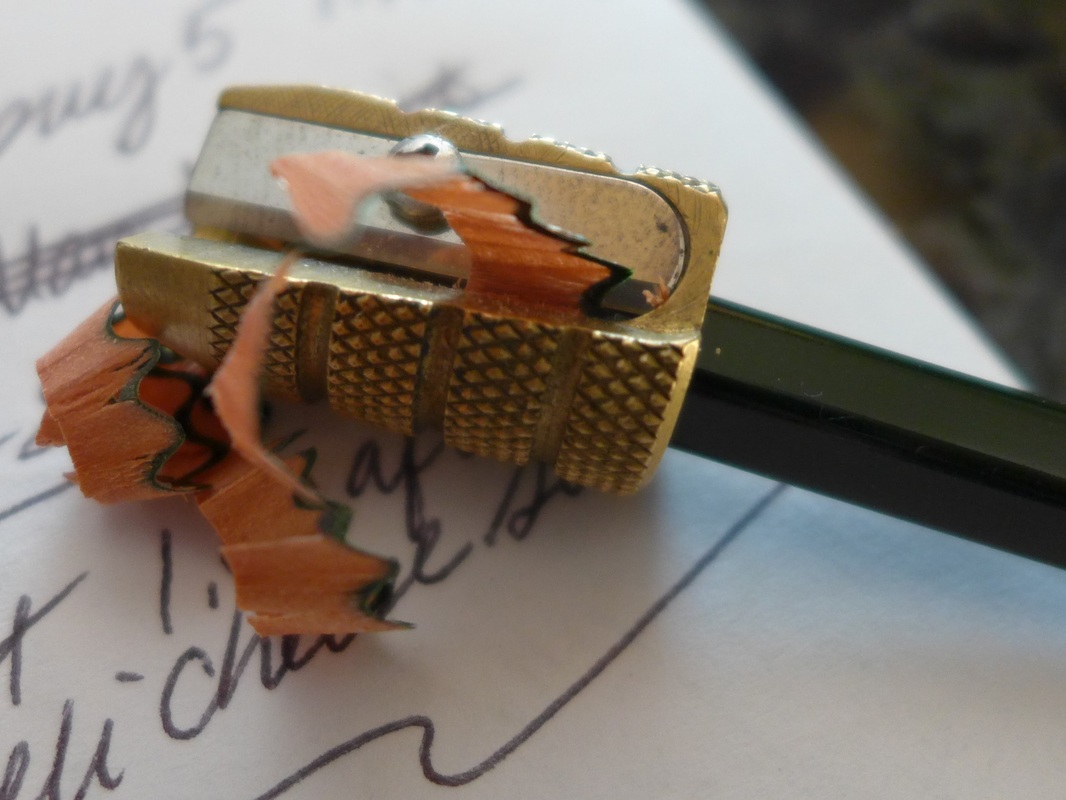
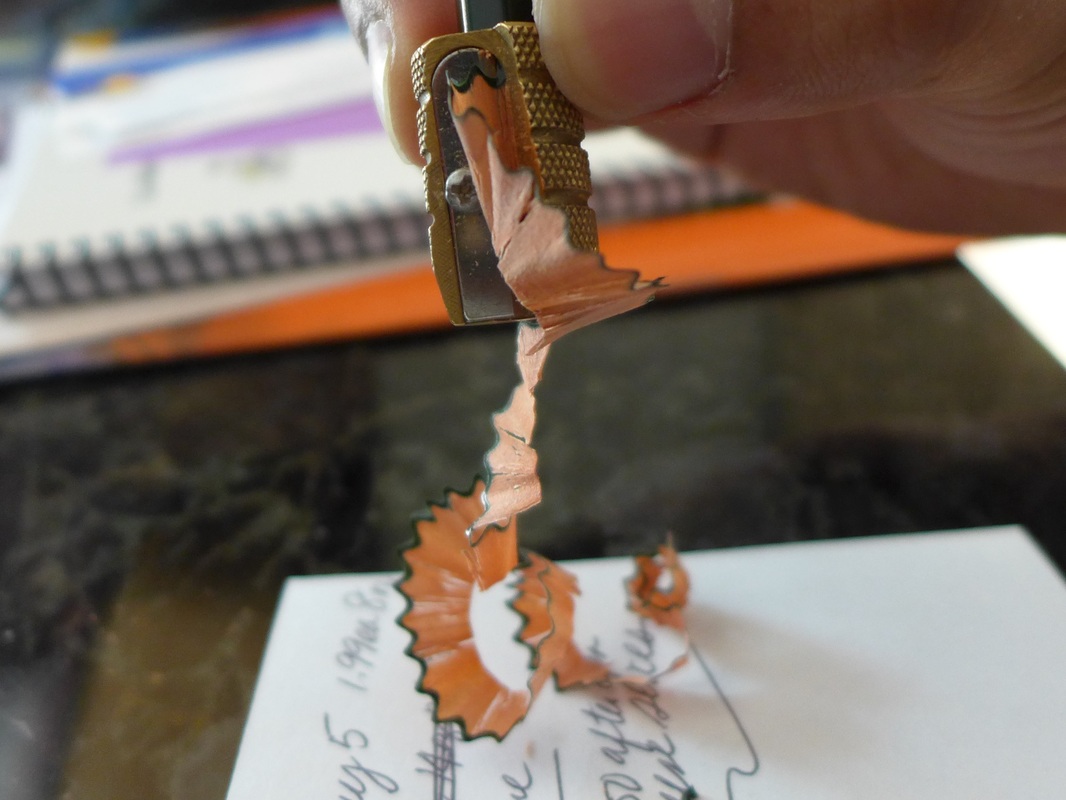
Performance: The lead is very smooth, and even though it writes a bit lighter than I would normally prefer, it's legible and consistent. (I've only experienced one small rough spot in the five pages I've written with the pencil so far.) The point does tend to wear down a bit quickly to a blunt end, but that just means you get the sharpening experience a bit more often. It's pretty smear-resistant as well. How about erasability?

As expected, erasability is excellent with the Staedtler.
| before writing review | after writing review |
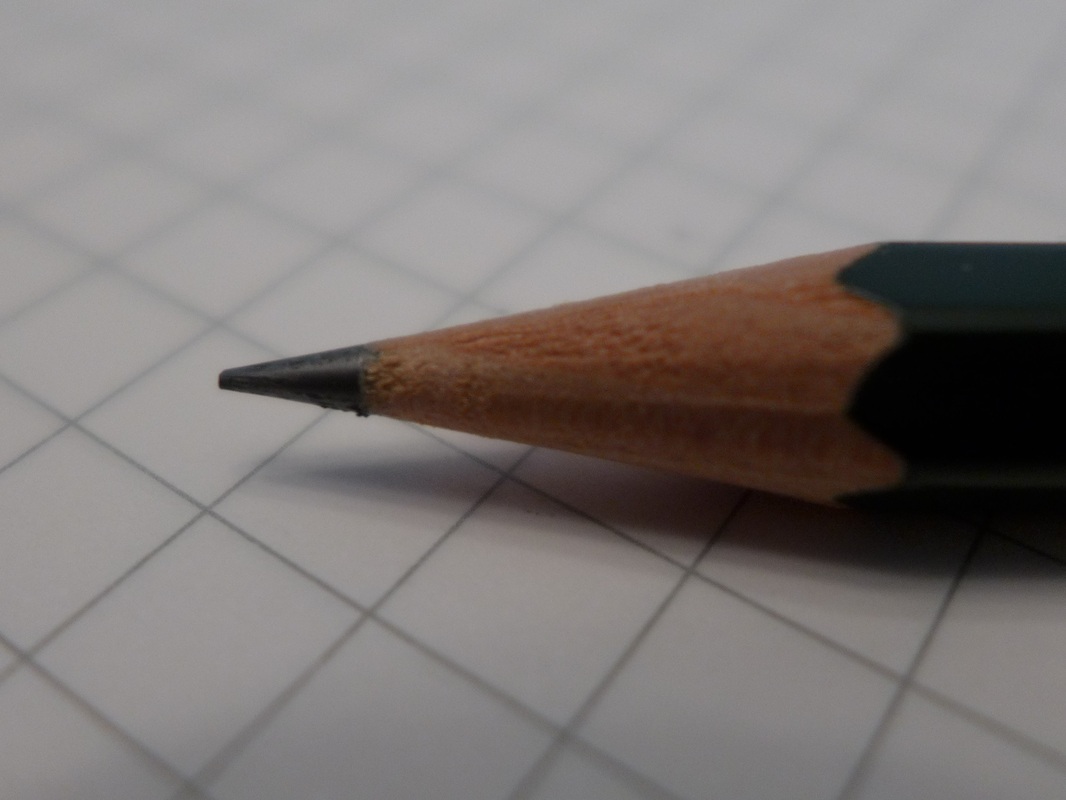
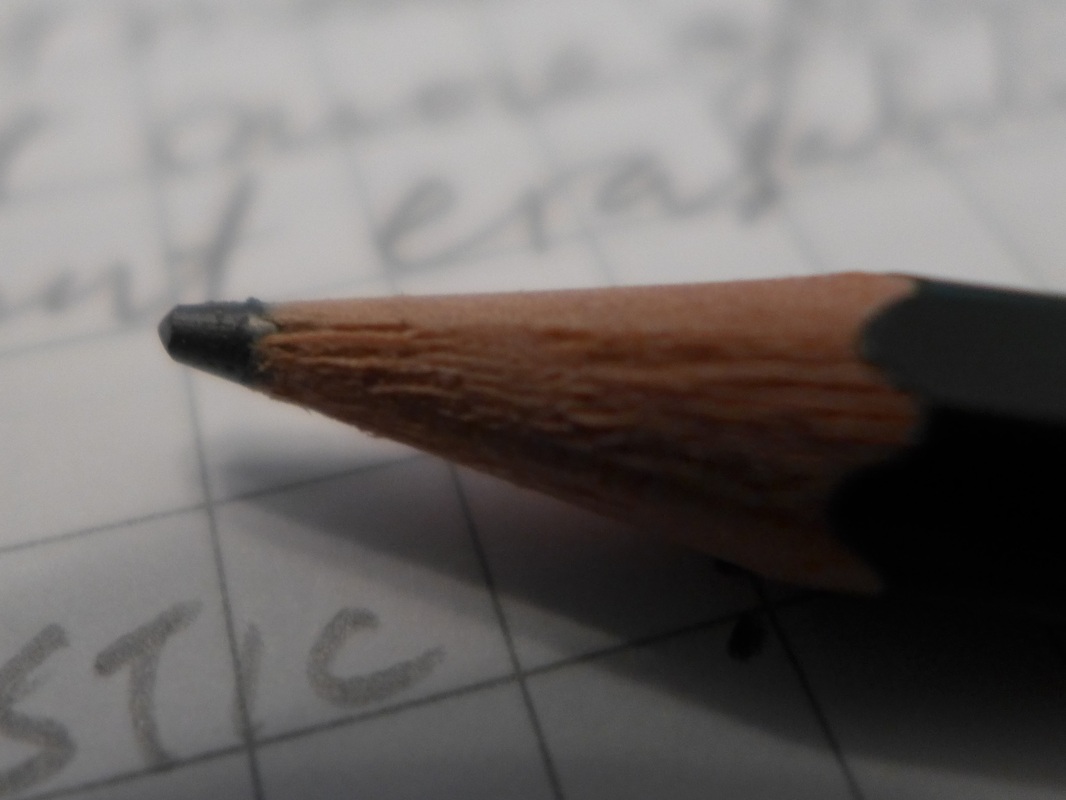
Overall: Marketed as a pencil for the infamous "home/school/office", the Mitsubishi 9800 is a very well-performing pencil that could easily be used as a "gateway pencil for those unwilling to shell out the big bucks for the likes of the Mitsubishi hi-uni or Palomino Blackwing. Available at JetPens for 70 cents individually, I'd highly recommend picking a few of these up either for yourself or a fellow writing instrument connoisseur.
Rating: 4.5/5 (point retention and lack of attached eraser)
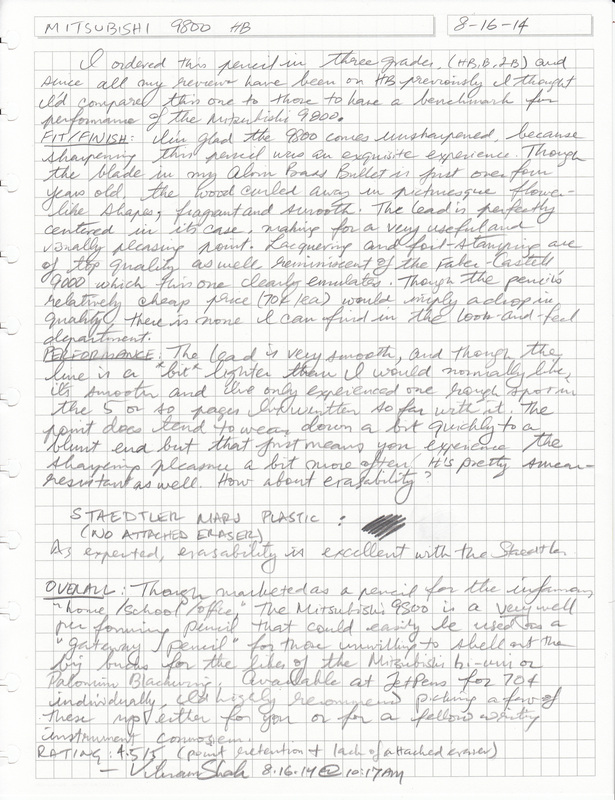

| Quick Facts: hi-res images here: https://flic.kr/s/aHsk1jRApi | nib creep is a problem with Noodler's Black, but other inks will leave the nib looking pristine |
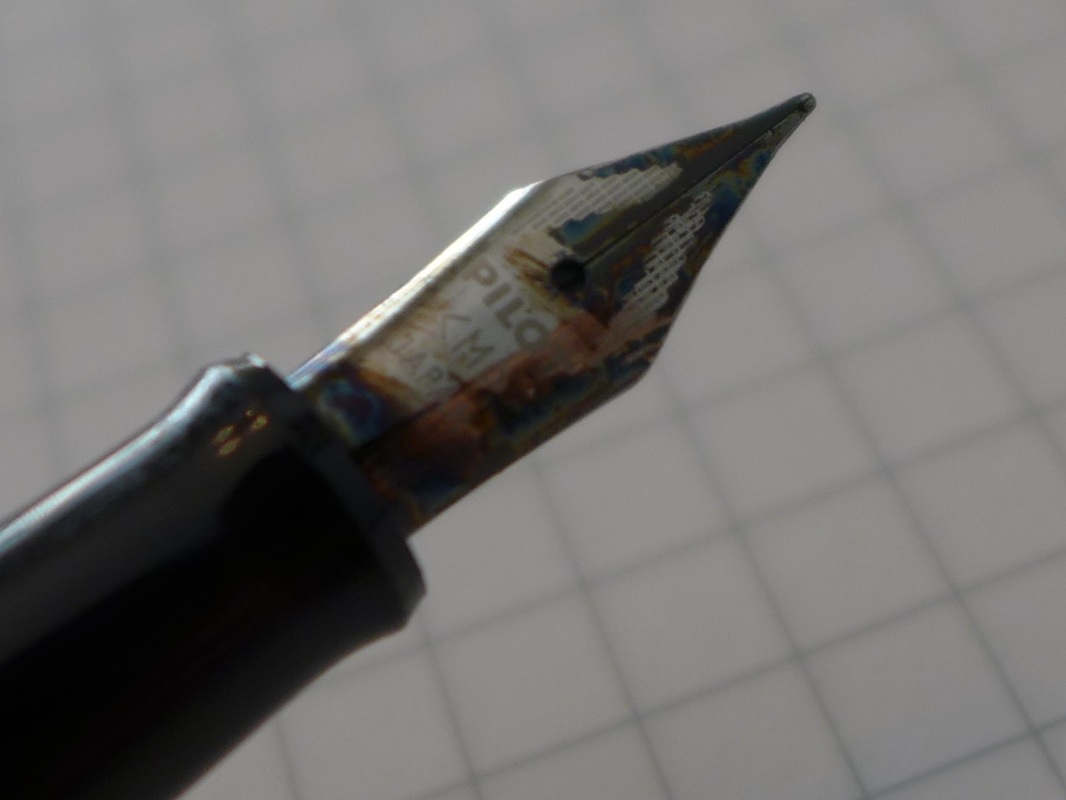
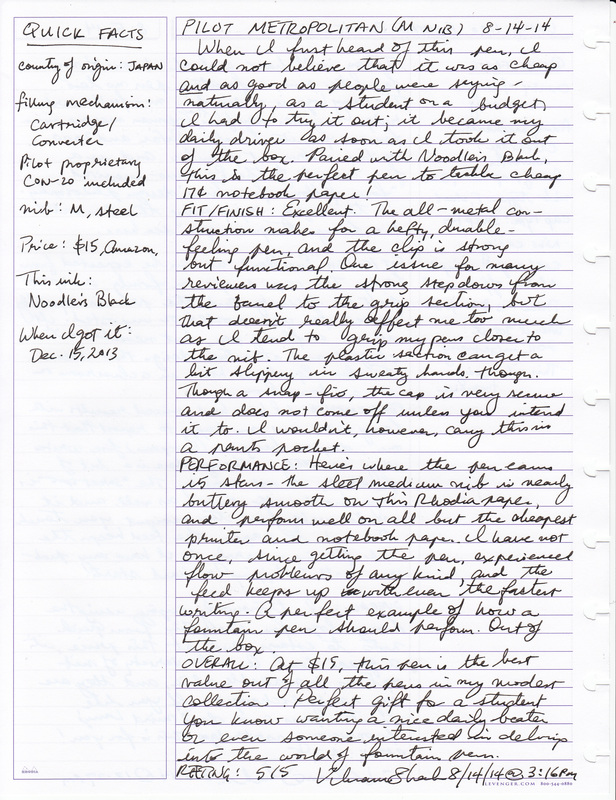
When I first heard of this pen, I could not believe that it was as cheap and as good as people reported - naturally, as a student on a budget, I had to try it out; it became my daily driver as soon as I took it out of the box. Paired with Noodler's Black, it's the perfect fountain pen to tackle cheap 17 cent notebook paper!
| | |
Fit/Finish: Excellent. The all-metal construction makes for a hefty, durable-feeling pen, and the clip is strong but functional. One issue for many reviewers was the strong step-down from the barrel to the grip section, but that doesn't really affect me too much as I tend to grip my pens closer to the nib. The plastic section can get a bit slippery in sweaty hands, though. The snap-fit cap is very secure and does not come off unless you intend it to, but I wouldn't chance carrying it clipped to a pants pocket.
| | |
Performance: Here's where the pen earns its stars - the steel medium nib is nearly buttery smooth on this Rhodia paper, and performs well on all but the cheapest printer and notebook paper. I have not once, since getting the pen, experienced flow problems of any kind, and the feed keeps up with even the fastest writing. A perfect example of how a fountain pen should perform, right out of the box.
| | |
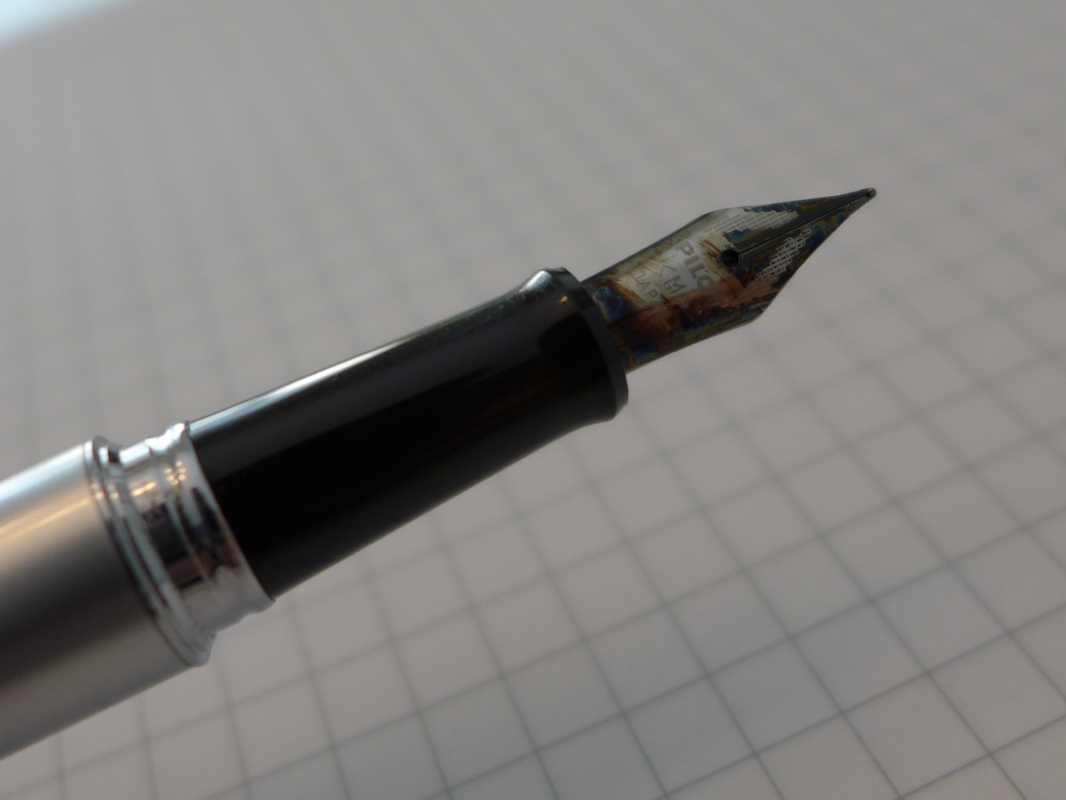
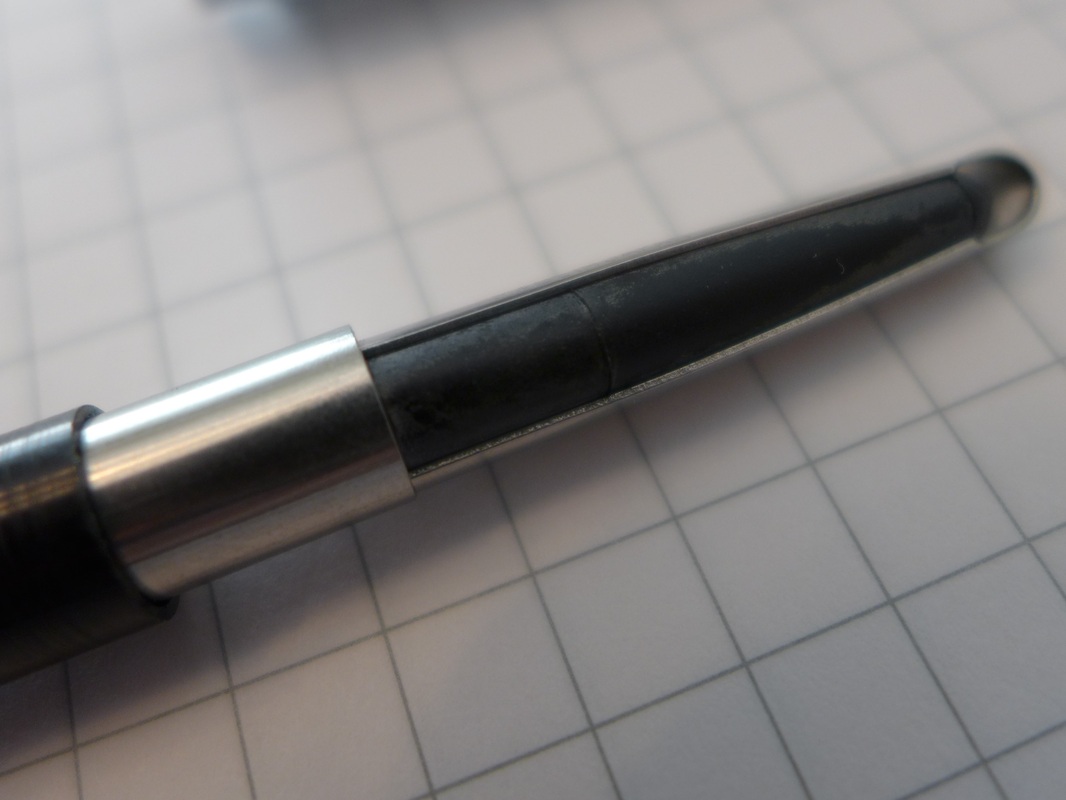
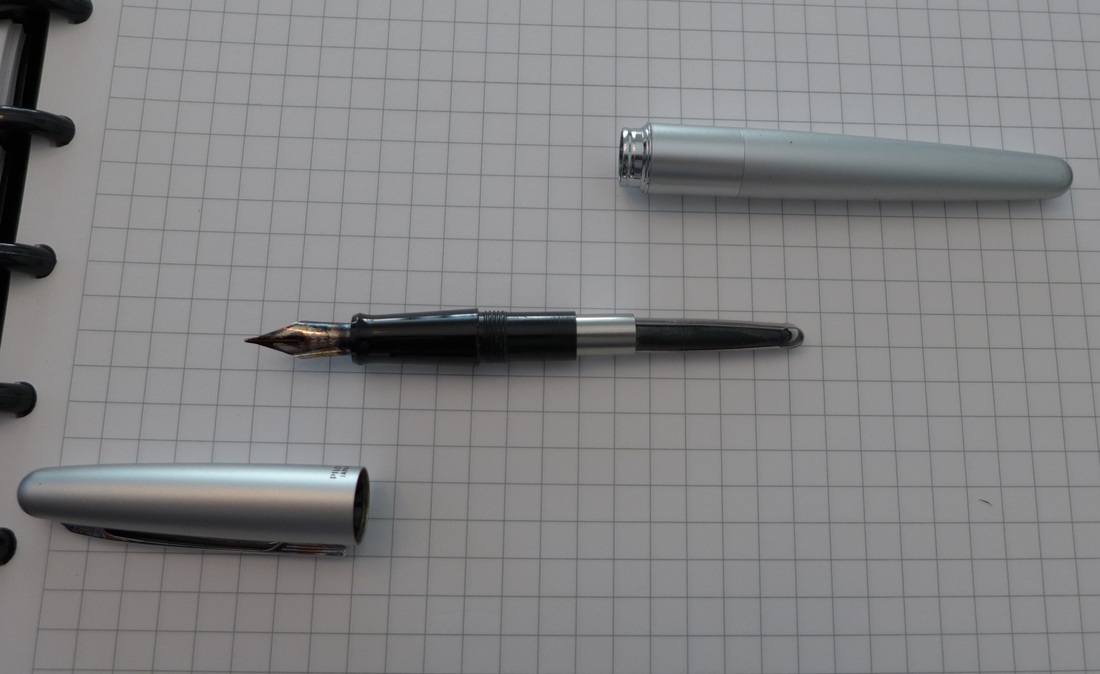
Overall: At $15, this pen is the best value out of all the pens in my modest collection. Perfect gift for a student you know wanting a nice daily beater or even someone interested in delving into the world of fountain pens.
Rating: 5/5

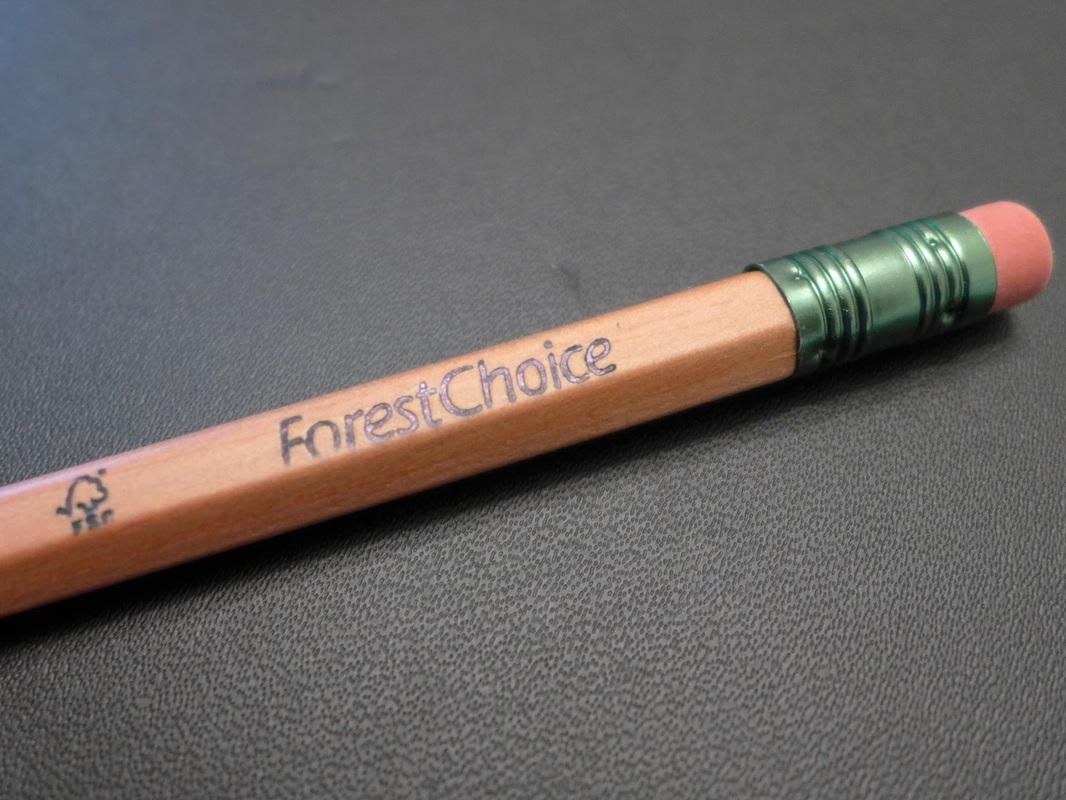
This natural, forest-friendly pencil has already been covered at the fantastic PencilRevolution.com, but I thought I'd do a review of it from my point of view. It's a smooth and polished pencil that feels like it should be a bit more expensive, and the fragrance of that cedar when sharpening is something else!
hi-res images here: https://flic.kr/s/aHsk1eza3B
| before writing review; sharpened with Alvin Brass Bullet | after writing review |
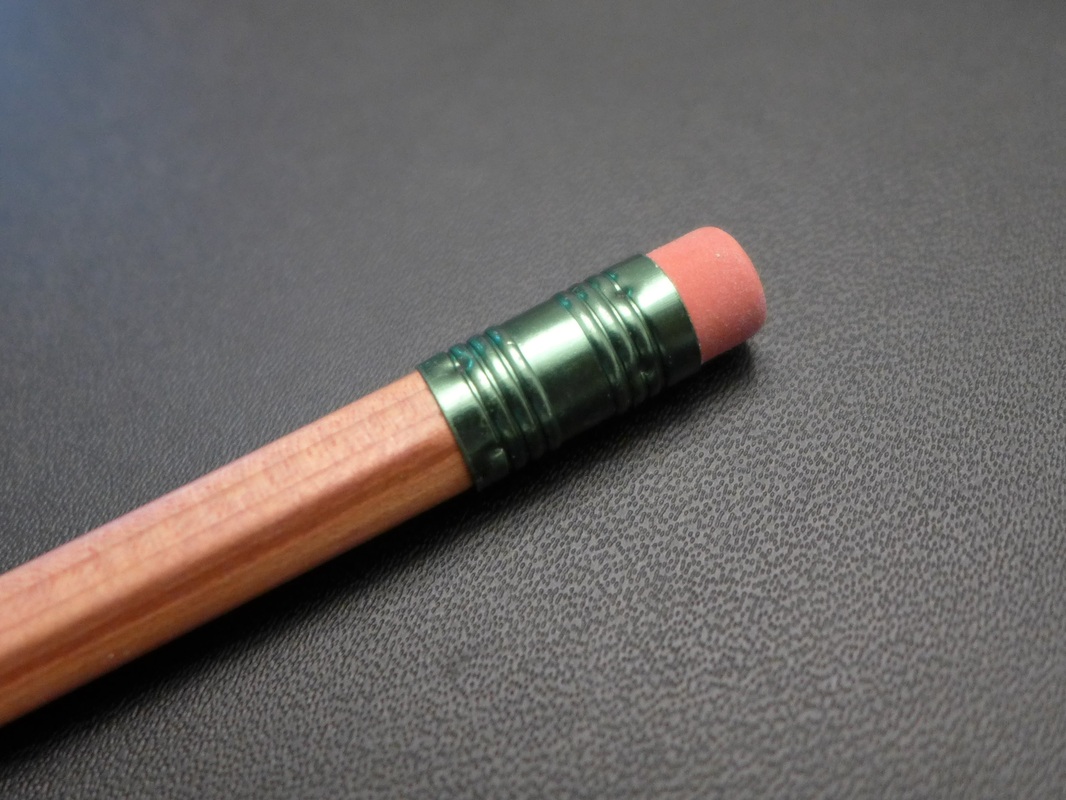
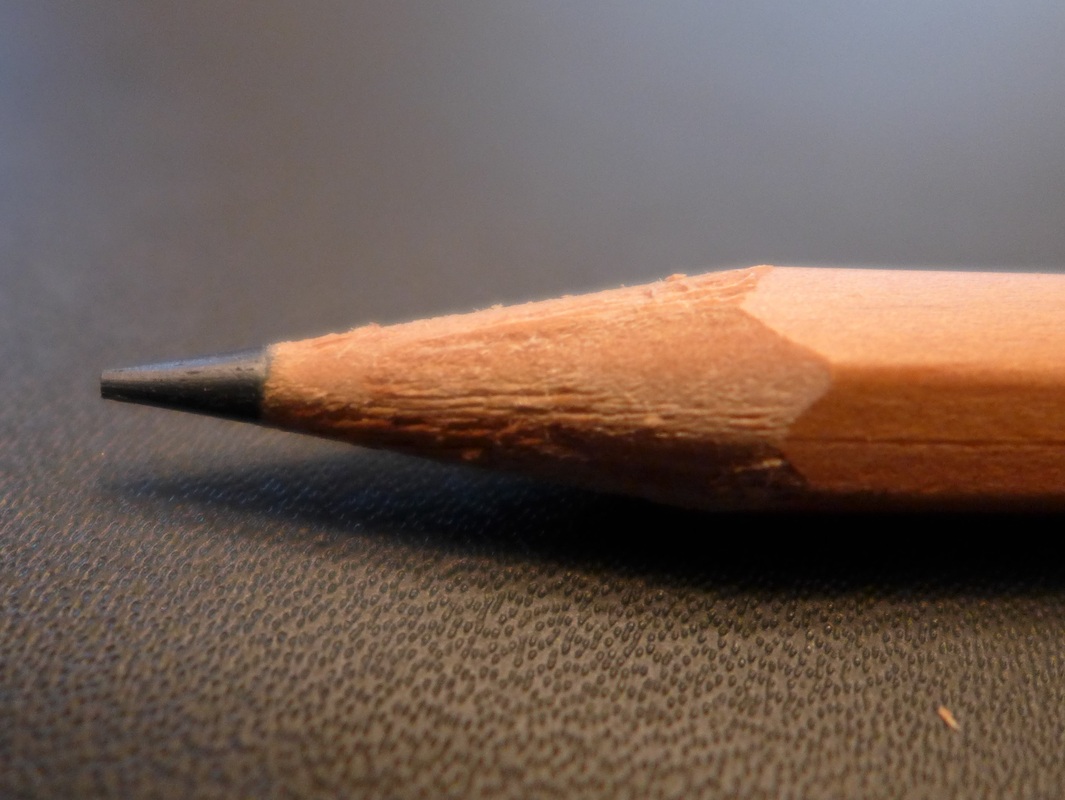
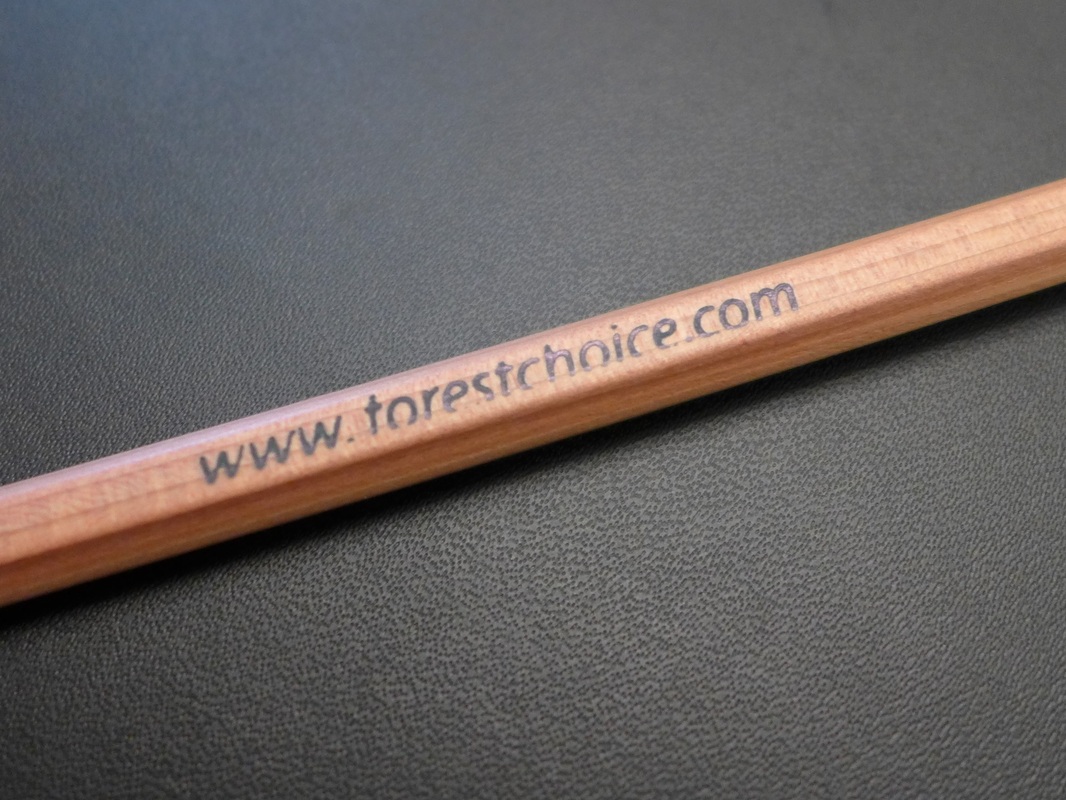
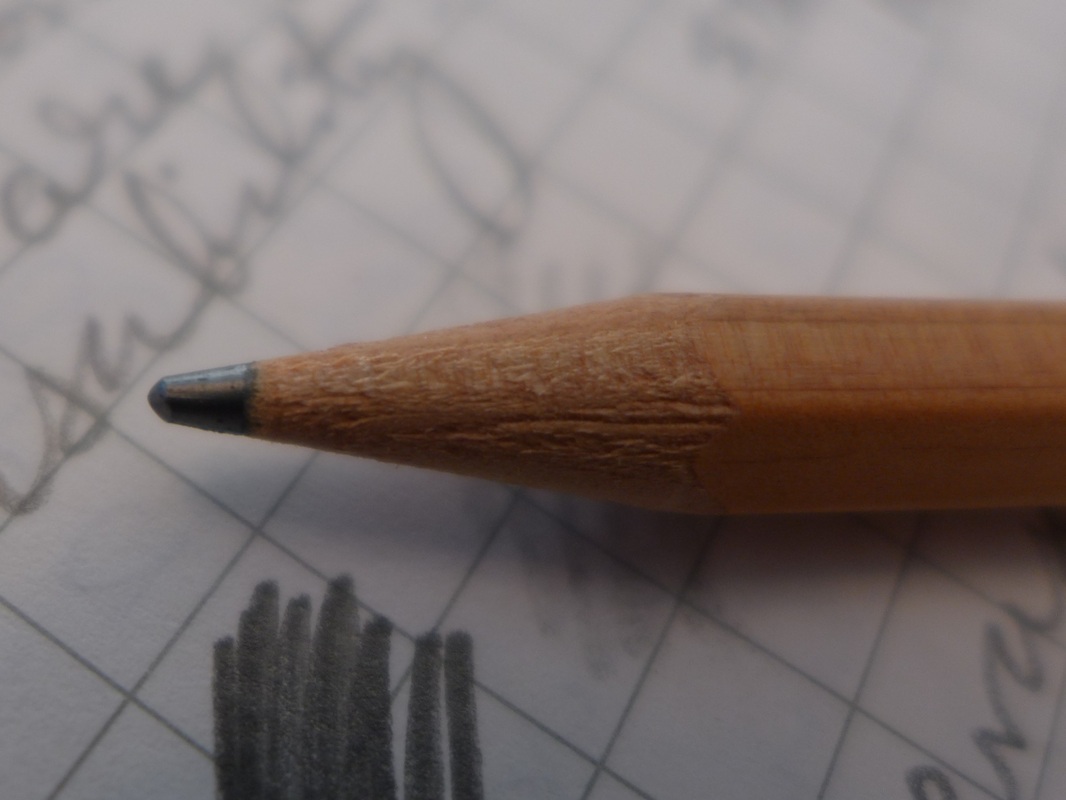
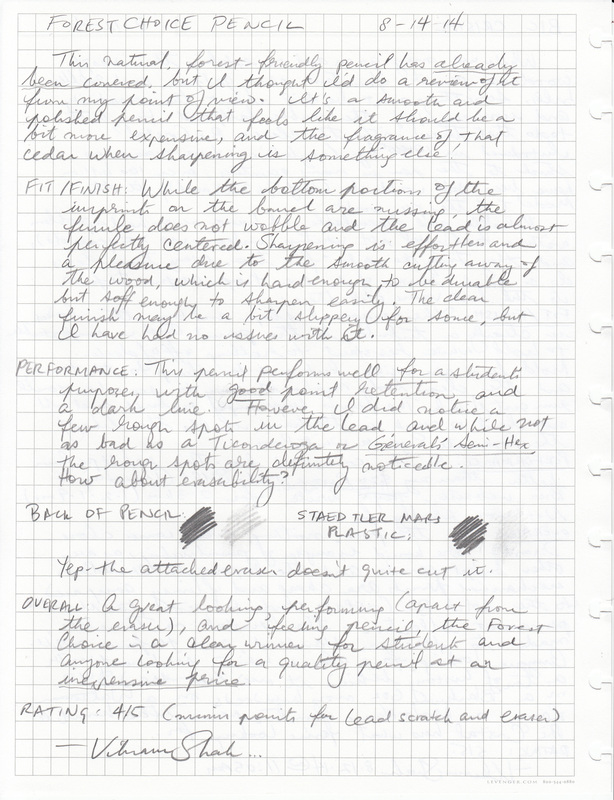
Fit/Finish: While the bottom portions of the imprints on the barrel are missing, the ferrule does not wobble and the lead is almost perfectly centered. Sharpening is effortless, and a pleasure due to the exquisite cedar used in the pencil's construction. The finish may be a bit slippery for some, but I have had no issues with it. It's actually not finished at all, but sanded down very smooth.
| | |
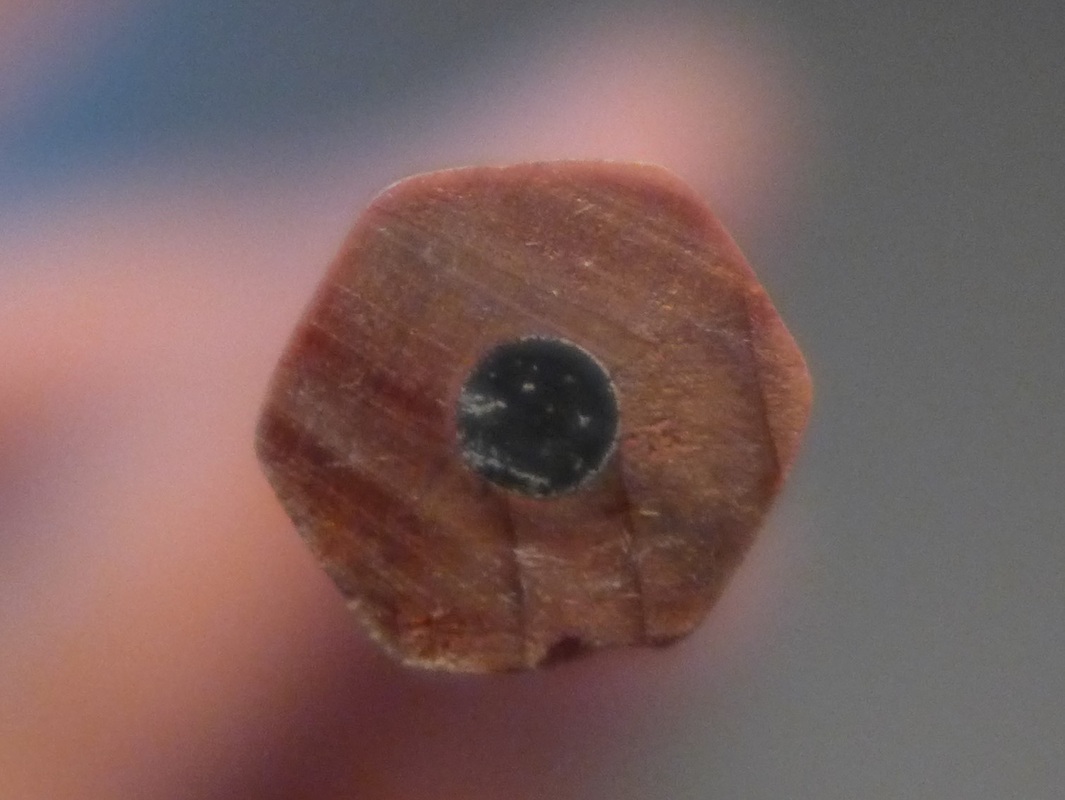
Performance: This pencil performs well for a student's purposes, with good point retention and a dark line even when the point wears down a bit. However, I did notice a few rough spots in the lead, and while not as bad as a Ticonderoga or General's Semi-Hex, the rough spots are definitely noticeable. How about erasability?

Yep, the attached eraser doesn't quite cut it.
Overall: A great looking, performing (apart from the eraser), and feeling pencil, the Forest Choice is a clear winner for students and anyone looking for a quality pencil at a low price.
Rating: 4/5
 RSS Feed