
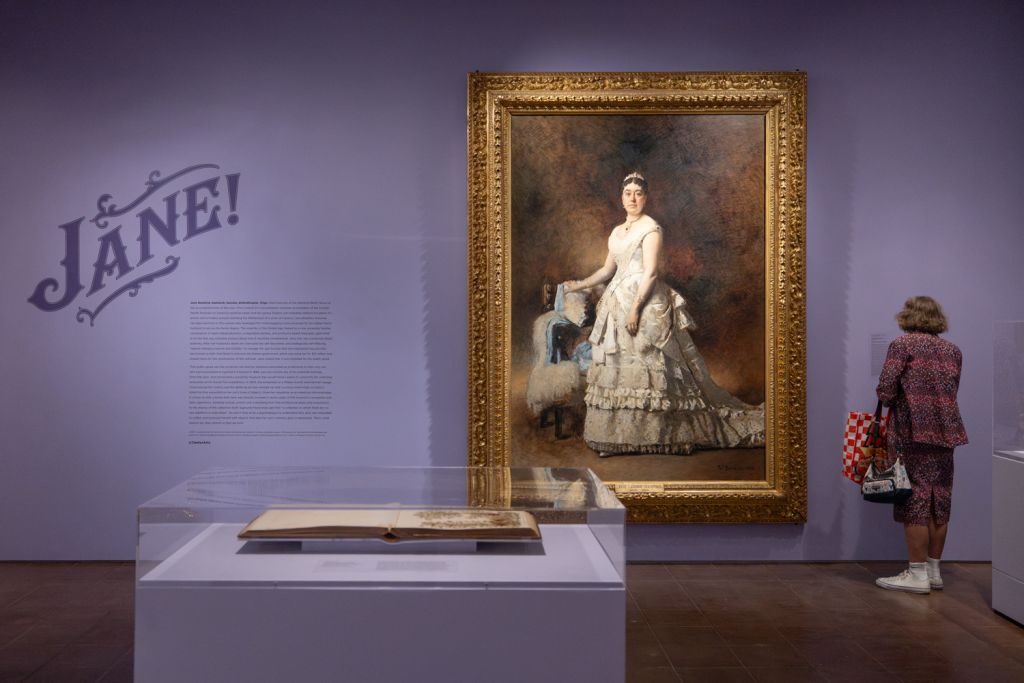
In the news
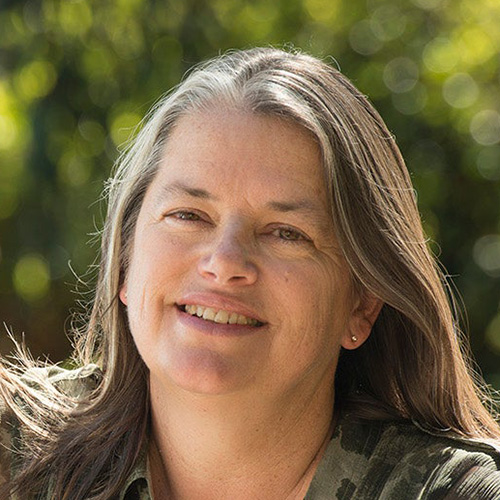
That’s a real opportunity for immigrants to come in and start something for their families.
Laura Jones, Stanford University archaeologist, on how flower farming’s small acreage requirements made it an accessible path to economic opportunity for immigrant families, many of whom got their start on land leased from Stanford.
Read the story on KQEDResearch Matters
Federal investments in basic science at Stanford contributed to the development of radar, GPS, heart transplants, MRI scans, the internet, and AI.

Research Matters
The return on government-sponsored science is powerful: Every $1 of NIH-funded research leads to $2.56 in economic activity.

Featured reading
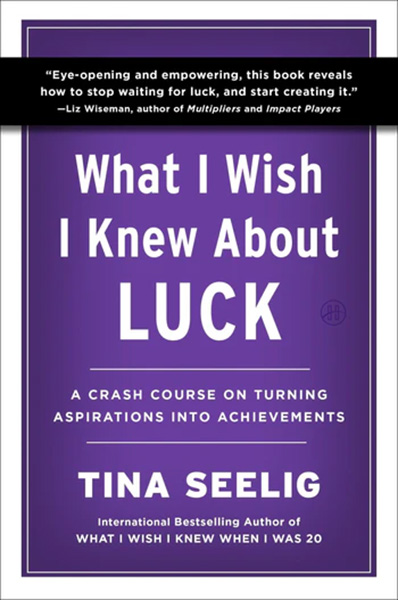
What I Wish I Knew About Luck
Tina Seelig
Citing real-life anecdotes and behavioral science research, Tina Seelig, executive director of Knight-Hennessy Scholars, argues that much of what we call luck is the result of deliberate actions and consistent efforts.
Featured reading
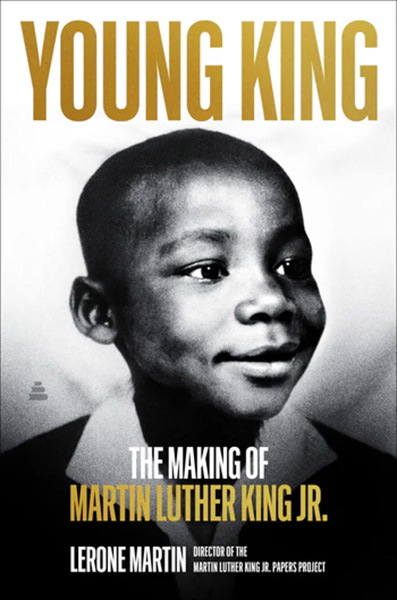
Young King: The Making of Martin Luther King Jr.
Lerone Martin
Stanford’s Lerone A. Martin traces King’s early life from his childhood in Atlanta through his college years at Morehouse and his path to seminary to examine how the civil rights leader’s youth informed his activism.
Featured reading
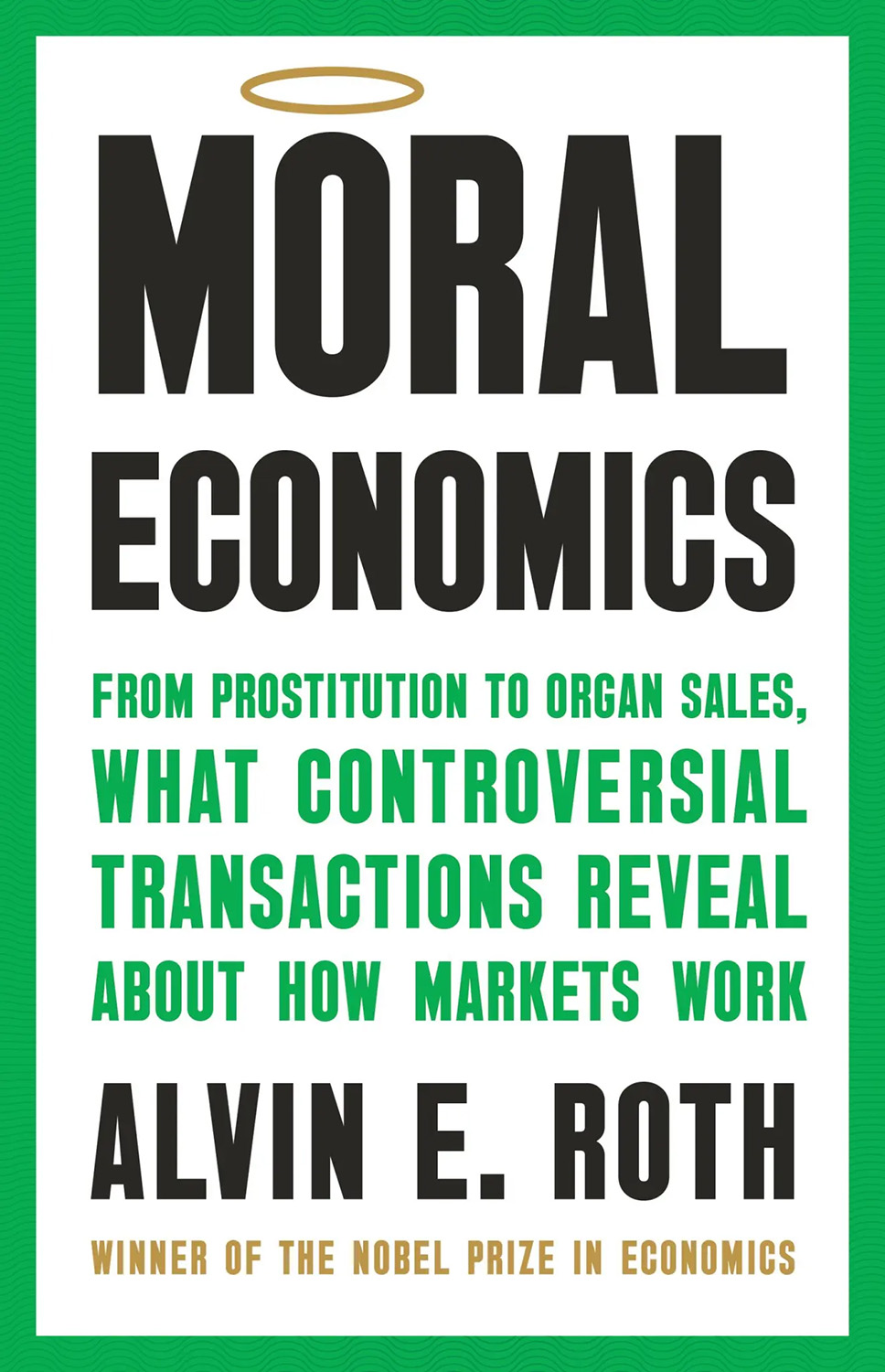
Moral Economics
Alvin E. Roth
Nobel Prize-winning economist Alvin E. Roth argues that many of society's most contentious debates, including those over abortion, drug legalization, and organ donation, are better understood as market design problems than as ethical standoffs.