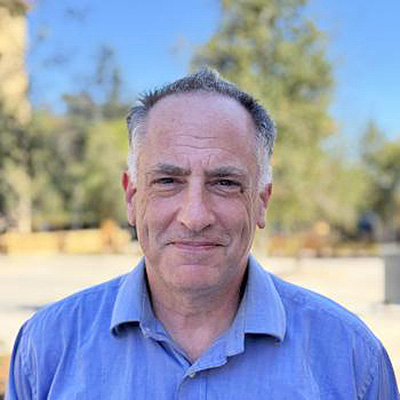
It’s not like if you didn’t have a clock, you drop dead. But it’s all less well optimized.
Jamie Zeitzer, professor of psychiatry and behavioral sciences, on how the body’s circadian clock helps it anticipate daily needs.
Read the story in TIME
It’s not like if you didn’t have a clock, you drop dead. But it’s all less well optimized.
Jamie Zeitzer, professor of psychiatry and behavioral sciences, on how the body’s circadian clock helps it anticipate daily needs.
Read the story in TIMEFederal investments in basic science at Stanford contributed to the development of radar, GPS, heart transplants, MRI scans, the internet, and AI.
Featured reading
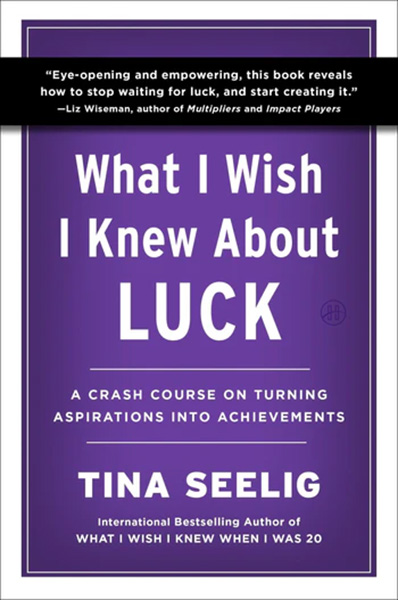
Tina Seelig
Citing real-life anecdotes and behavioral science research, Tina Seelig, executive director of Knight-Hennessy Scholars, argues that much of what we call luck is the result of deliberate actions and consistent efforts.
Featured reading
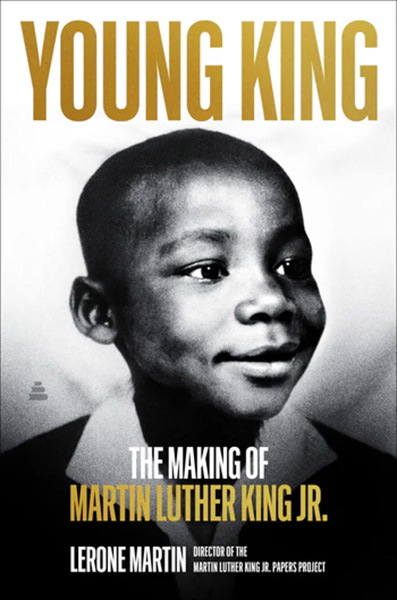
Lerone Martin
Stanford’s Lerone A. Martin traces King’s early life from his childhood in Atlanta through his college years at Morehouse and his path to seminary to examine how the civil rights leader’s youth informed his activism.
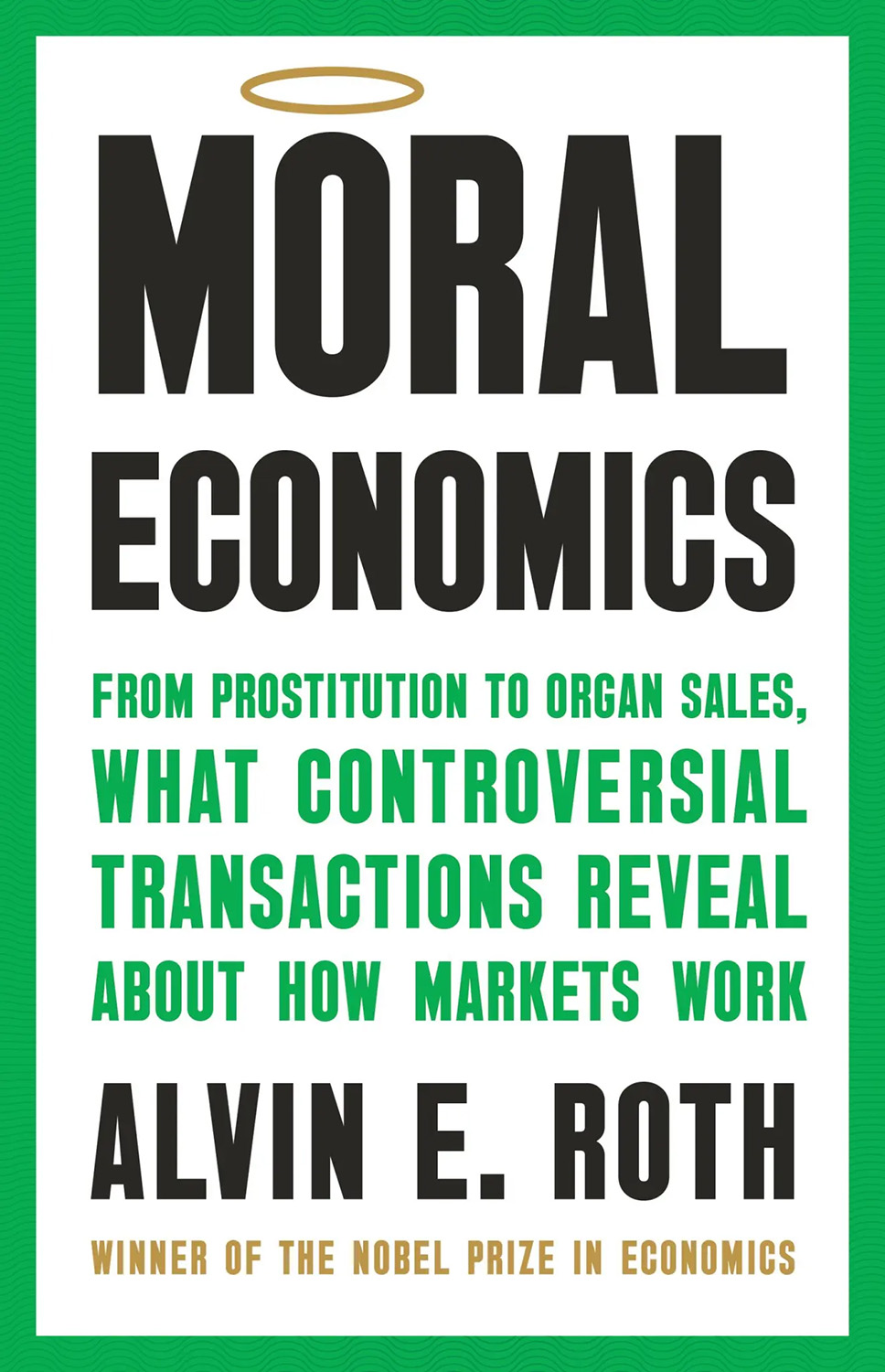
Featured reading
Alvin E. Roth
Nobel Prize-winning economist Alvin E. Roth argues that many of society's most contentious debates, including those over abortion, drug legalization, and organ donation, are better understood as market design problems than as ethical standoffs.