
Applied Mathematics & Computational Research (AMCR)
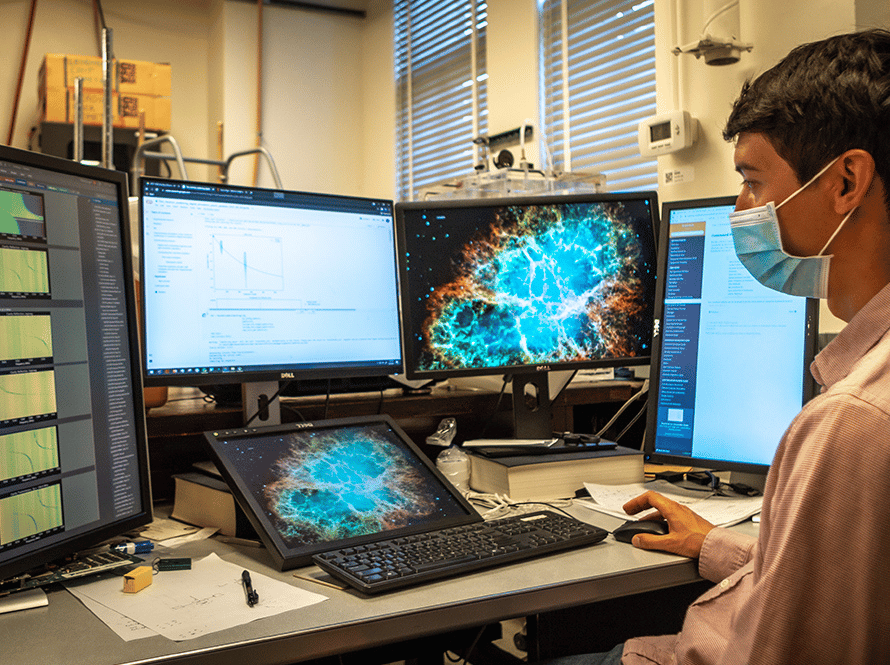
The Applied Mathematics and Computational Research Division conducts research and development in mathematical modeling and simulation, algorithm design, computer system architecture, and high-performance software implementation.
Scientific Data (SciData)
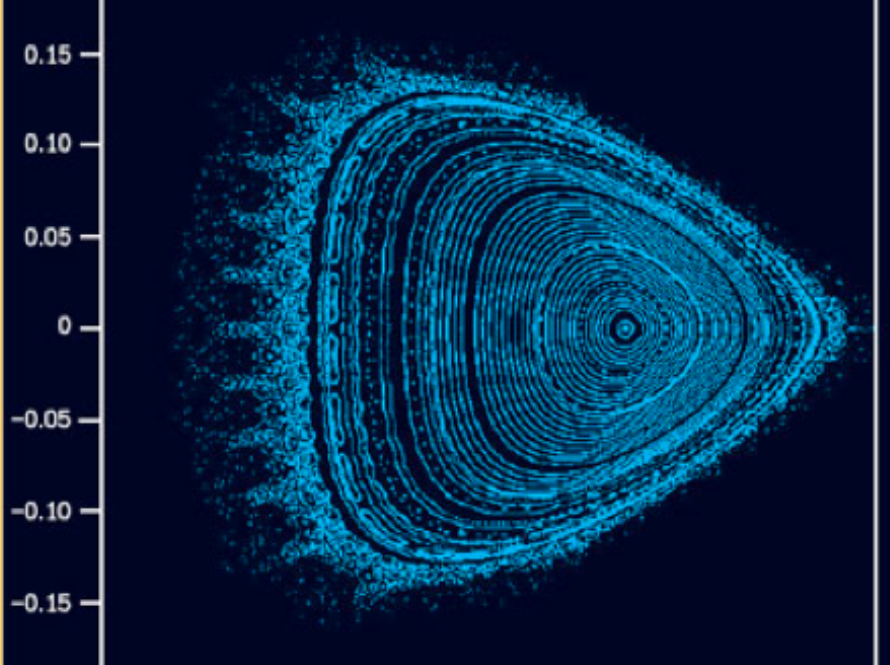
The Scientific Data Division (SciData) transforms data-driven discovery and understanding through the development and application of novel data science methods, technologies, and infrastructures with scientific partners.
ESnet
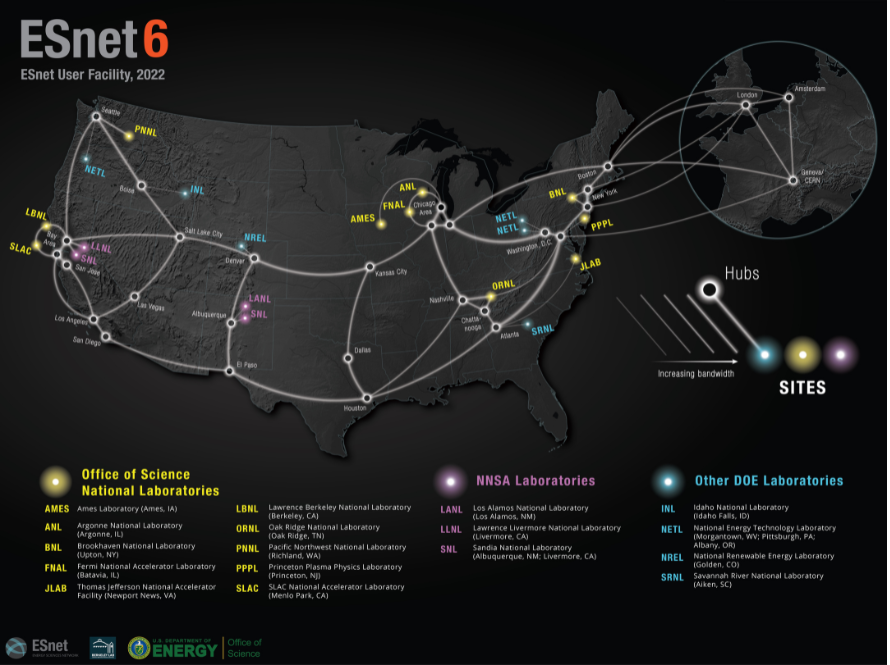
ESnet links Department of Energy scientific researchers at national laboratories, user facilities, and other institutions via a high-performance network and innovative services.
NERSC
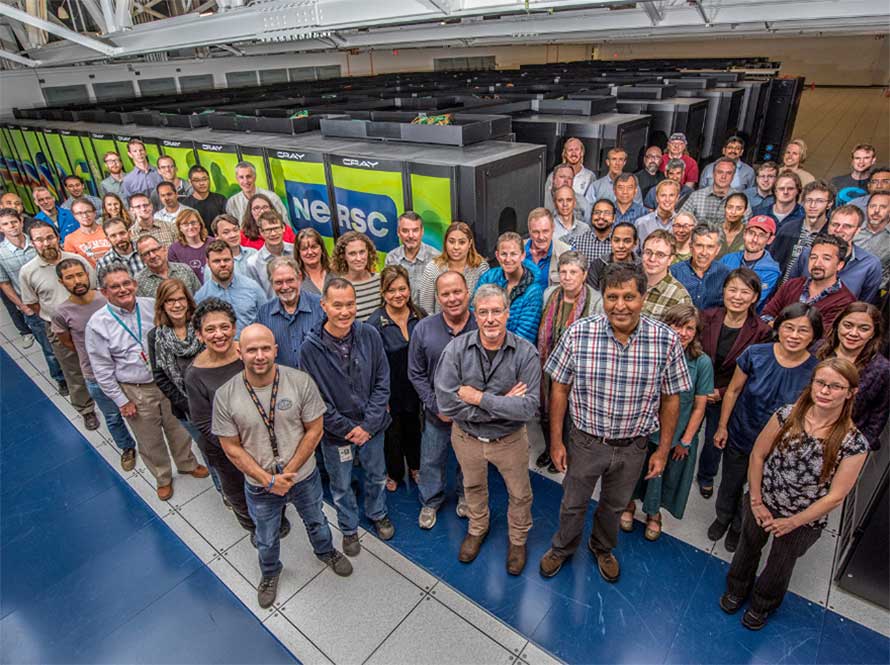
NERSC is the primary scientific computing center for the Department of Energy Office of Science and a DOE National User Facility that supports the work of more than 10,000 scientists.
CAMERA
The Center for Advanced Mathematics for Energy Research Applications (CAMERA) is an integrated, cross-disciplinary center aimed at inventing, developing, and delivering the fundamental new mathematics required to capitalize on experimental investigations at scientific facilities.
HPDF
The High Performance Data Facility (HPDF), a first-of-its-kind distributed initiative, will be a state-of-the-art user facility and resource for scientific research. The HPDF Project is a partnership between Thomas Jefferson National Accelerator Facility (Jefferson Lab) and Lawrence Berkeley National Laboratory (Berkeley Lab) that will provide resilient data infrastructure to the community.
Fellowships
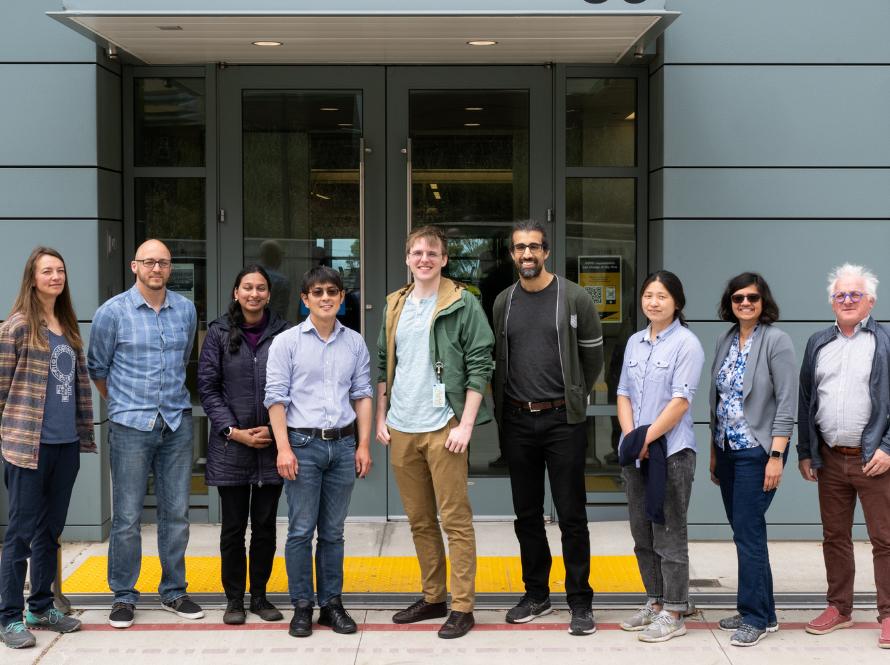
Beyond the Luis W. Alvarez and Admiral Grace Hopper Fellowships in Computing, CSA offers many other exceptional opportunities for post-doctoral research.
Current Openings
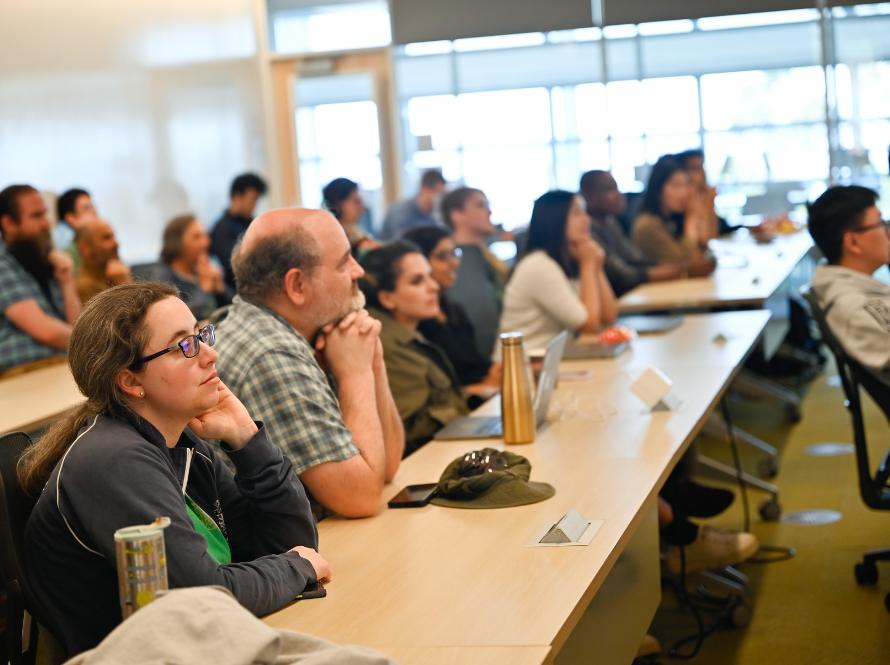
Choosing a career at CSA means you become part of a world-class research community committed to finding scientific solutions to the most urgent challenges faced by people, the planet, and the nation.
Summer Students & Visiting Faculty
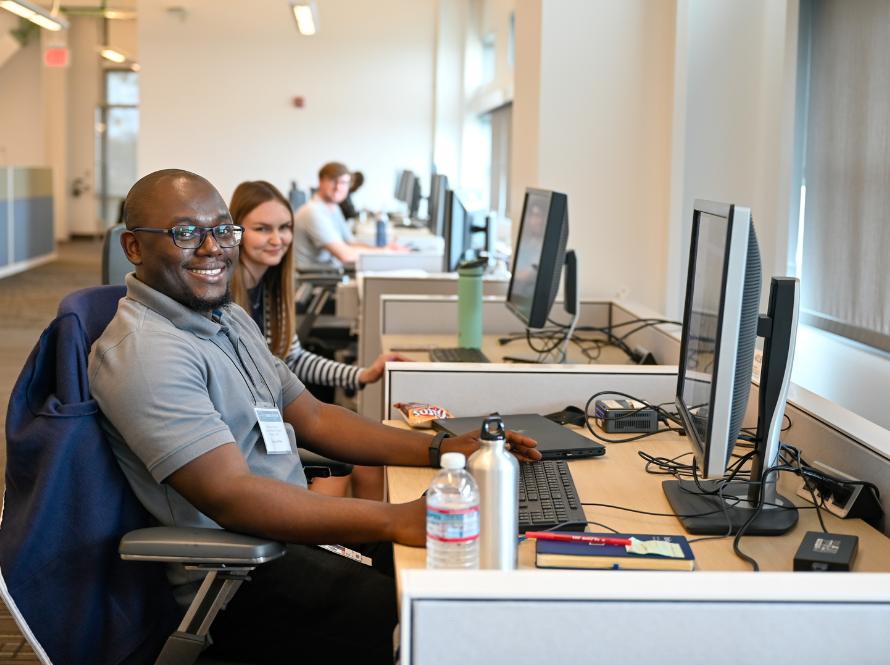
Looking to broaden your research experience in computational science, high performance computing, and high-speed networking? Consider the CSA Summer Program.
Last edited: February 10, 2026